
Finding relief from tailbone discomfort during long hours of sitting often comes down to choosing the right support material. When comparing memory foam and gel coccyx seat cushions, there is no single option that works for everyone. Instead, the right choice depends on how each material interacts with your body weight, sitting habits, and local environment.
Memory foam is a viscoelastic material that responds to body heat and pressure. It contours closely to your unique shape, distributing your weight across a wider surface area to minimize pressure points. The level of support it provides is closely tied to its density, with higher-density foams offering more structural resistance and lower-density options compressing more easily.
Gel cushions utilize either solid gel layers or open-cell gel grids. These structures disperse pressure by shifting laterally under weight rather than compressing downward. This physical behavior allows gel to absorb impact and distribute weight without completely flattening, maintaining a consistent level of support even during extended use.
Products mentioned in this guide
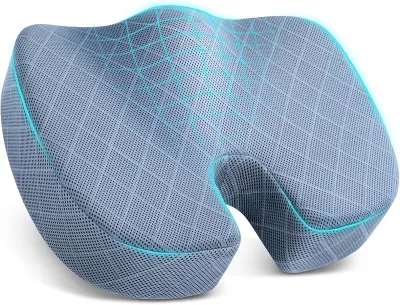
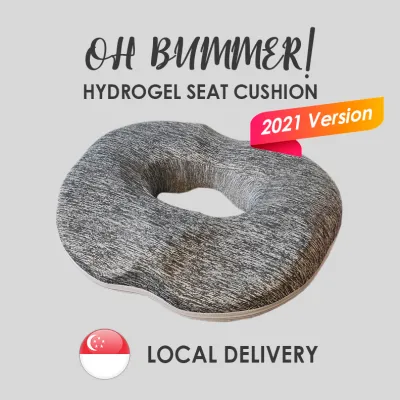
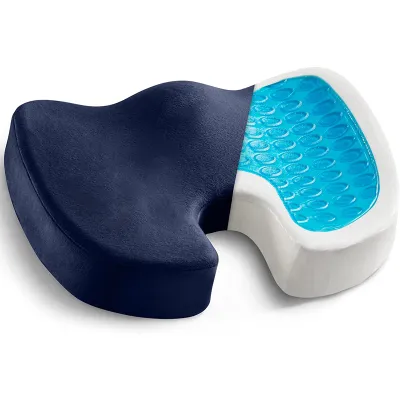
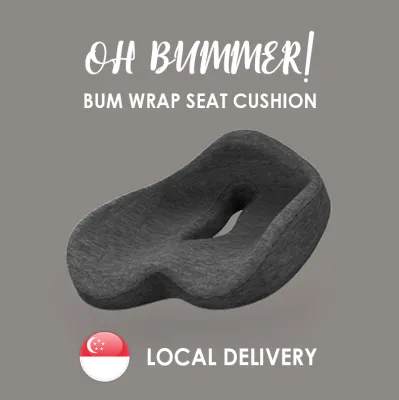
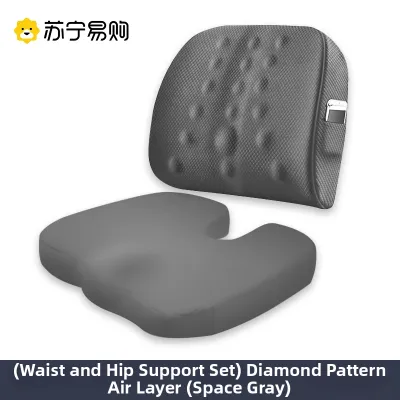
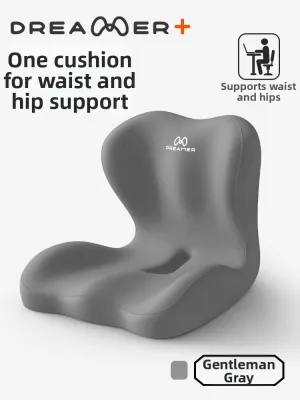
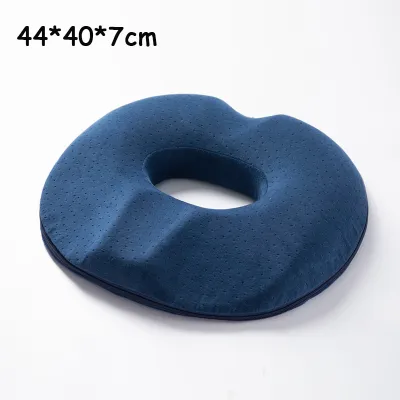
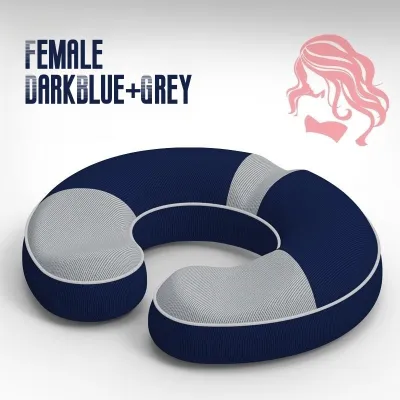
Prices are valid at publication and may change. Please refer to the product page for the latest price.
While both materials can significantly improve comfort, a seat cushion is a supportive tool rather than a medical cure. Cushions are designed to reduce localized pressure during prolonged sitting, but they do not address the underlying anatomical causes of coccyx pain.
For individuals experiencing severe, sharp, or persistent tailbone pain, consulting a healthcare professional is essential. A medical evaluation can identify specific issues such as inflammation or structural misalignment, ensuring you receive appropriate treatment alongside any ergonomic adjustments.
Key Comparison Dimensions for Tailbone Relief
To determine which material will provide the most effective relief for your tailbone, it is helpful to evaluate them across several physical performance dimensions. The actual comfort you experience is rarely determined by the material name alone; instead, it depends on specific product design factors such as density, thickness, and overall construction.
Comparing how these materials handle weight, regulate temperature, and resist wear over time allows you to match their characteristics to your daily routine. The following sections break down these critical dimensions to help you make an informed decision.
Pressure Distribution and Bottoming Out
Pressure distribution is the primary function of any coccyx seat cushion. Memory foam excels at creating a customized mold of your body, which helps spread pressure away from the sensitive tailbone area. However, because memory foam relies on compression, it carries a risk of “bottoming out”—a state where the foam compresses completely under your weight, leaving your tailbone resting against the hard chair surface beneath.
To prevent bottoming out with memory foam, you must pay close attention to density and weight ratings. Low-density foams may feel soft initially but often fail to support heavier loads over several hours. High-density memory foam offers much better resistance to compression, maintaining a supportive barrier between your body and the seat.
Gel grid structures handle weight differently by utilizing column buckling technology. When you sit on a gel grid, the walls of the grid buckle at specific pressure thresholds, redistributing your weight horizontally. This mechanical behavior prevents the material from bottoming out, ensuring that a consistent gap remains between your tailbone and the chair.
Before purchasing any cushion, always check the manufacturer’s specified weight limits and density ratings. If you require firm support that maintains its height under heavy use, a robust gel grid or a high-density foam is generally more reliable than a soft, low-density foam alternative.
Heat Retention and Breathability
Temperature regulation plays a massive role in sitting comfort, especially during long workdays. Traditional memory foam is notorious for retaining body heat. Because it requires warmth to contour to your body, the material naturally traps heat within its dense structure, which can lead to a warm, sweaty sitting experience over time.
To combat this issue, many manufacturers incorporate cooling gel infusions, ventilation holes, or specialized mesh covers into their memory foam designs. While these features help mitigate heat buildup, the core of the foam still tends to retain more warmth than open-structured alternatives.
In contrast, gel grid cushions offer inherent cooling advantages. The open-cell design of a gel grid creates physical air channels that allow heat and moisture to escape continuously. Furthermore, the gel polymer itself has a higher thermal conductivity than foam, meaning it absorbs heat from your body and dissipates it more rapidly.
In tropical climates like Singapore, where high humidity and warm temperatures are common, breathability becomes a decisive factor. A cushion that traps heat can quickly become uncomfortable, making highly ventilated gel grids or memory foam cushions with breathable 3D mesh covers highly preferable for daily use.
Durability and Shape Retention
A cushion’s value is tied to how long it can maintain its supportive properties under daily use. Memory foam is subject to a phenomenon known as compression set, where the foam gradually loses its ability to rebound after being compressed repeatedly. Over months or years of continuous load, even high-quality memory foam will slowly flatten, reducing its pressure-relieving capabilities.
The lifespan of a memory foam cushion depends heavily on the quality of the polyurethane used. Cheaper, low-density foams may begin to sag within a few months, while premium, high-density foams can retain their shape for several years. Regular rotation and allowing the foam time to recover when not in use can help extend its functional life.
Gel polymers are exceptionally resilient and highly resistant to permanent deformation. Because the material stretches and flexes rather than breaking down structurally, a high-quality gel cushion can endure years of heavy use without losing its original shape or support level.
When shopping, it is wise to look for clear manufacturer warranty terms regarding shape retention. Reading user reviews that specifically mention long-term flattening can also provide valuable insight into how well a particular cushion holds up under real-world conditions.
Matching the Material to Your Sitting Profile
Choosing between memory foam and gel is not about finding the absolute best material, but rather about identifying which set of properties aligns with your physical needs, sitting habits, and environment. By analyzing your daily routine, you can select the material that offers the most practical benefits.

You should choose a memory foam cushion if you prefer a plush, cradling sensation that conforms precisely to your body shape. Memory foam is ideal for individuals who sit in climate-controlled offices or air-conditioned rooms where heat retention is less of a concern. It is also highly suitable for those who prefer a stable, locked-in sitting position, as the contoured mold limits sliding.
You should choose a gel cushion if you tend to run hot, sweat easily, or work in environments without constant air conditioning. Gel is also the better choice if you require firmer, more active pressure dispersion that does not sink too deeply over time. If your routine involves sitting for very long, uninterrupted periods, the resilient bounce of a gel grid can prevent the fatigue associated with compressed foam.
Consider hybrid options if you want to balance the benefits of both materials. Many modern cushions feature a supportive, high-density memory foam base topped with a thick layer of cooling gel. This combination delivers the deep contouring and structural support of foam alongside the immediate cooling and surface pressure relief of gel.
Keep in mind that neither material may fit your needs if your tailbone pain stems from a severe medical condition that requires specialized intervention. In such cases, standard retail cushions may not provide sufficient relief, and you may require a medical-grade custom orthotic device or specific physical therapy equipment prescribed by a healthcare professional.
Essential Non-Material Features to Verify
While the core material is a major factor, several other design elements dictate how effectively a cushion will relieve tailbone pain in daily practice. Ignoring these features can result in a cushion that is uncomfortable or impractical to use, regardless of whether it is made of foam or gel.
The most critical feature is an ergonomic shape, specifically a U-shaped or V-shaped cutout at the rear of the cushion. This cutout is designed to suspend your coccyx in the air, preventing it from making direct contact with the seat surface. Without this physical gap, your tailbone will still bear weight, defeating the purpose of the cushion.
The cover material is equally important for both hygiene and stability. Look for a cover that is easily removable and machine washable to keep your seating setup clean. Additionally, ensure the bottom of the cover features a reliable non-slip grip material to prevent the cushion from sliding around on smooth office chairs or car seats.
Pay close attention to the thickness and height of the cushion. Adding a cushion to your chair will raise your sitting position, which can alter your desk ergonomics, the angle of your hips and knees, or your line of sight when driving. Ensure your chair height can be adjusted downward to compensate for the cushion’s thickness, maintaining a healthy 90-degree angle at your knees.
Finally, consider portability if you plan to use the cushion in multiple locations. If you frequently transition between a home office, a corporate workplace, and a vehicle, a lightweight cushion with a built-in carrying handle will make transport much more convenient. Gel cushions tend to be significantly heavier than foam, which is an important trade-off to keep in mind if portability is a priority.
Frequently Asked Questions (FAQ)
Can a coccyx cushion completely cure tailbone pain?
No, a coccyx cushion cannot cure tailbone pain. These cushions are designed solely as supportive tools to manage pressure, improve sitting posture, and enhance comfort during prolonged sitting. They do not treat the underlying medical conditions, injuries, or structural issues causing the pain. If you experience persistent, worsening, or sharp pain, it is crucial to seek a professional medical evaluation to address the root cause.
How should I clean and maintain my memory foam or gel cushion?
To preserve the integrity of your cushion, always check the manufacturer’s care label before cleaning. Generally, the fabric cover can be removed and machine washed on a gentle cycle with mild detergent. However, the inner memory foam or gel core should never be placed in a washing machine or dryer. Instead, spot clean the core with a damp cloth and mild soap, then allow it to air dry completely in a well-ventilated area away from direct sunlight. Avoid using harsh chemical cleaners, bleach, or high heat, as these can permanently degrade the foam structure or damage the gel polymer.
Does the cushion shape matter more than the material?
The shape and material of a cushion are equally important and must work together to provide effective relief. An ergonomic shape with a proper coccyx cutout is essential because it physically suspends the tailbone to eliminate direct pressure. However, if the cutout is paired with a low-quality material that bottoms out immediately, the tailbone will still press against the seat. For the best results, you need both a functional ergonomic shape and a supportive, high-quality material that matches your body weight.
Community discussion
Share your experience or ask a question. Comments are reviewed before publication.