
Quick Answer: Which Seat Cushion Material Should You Choose?
Selecting the right seat cushion material depends on your daily sitting habits, your local climate, and how much physical support your body requires. Traditional memory foam is highly suited for individuals seeking deep contouring and targeted pressure relief, as it molds closely to the body to cushion sensitive areas like the tailbone. However, because standard foam tends to retain warmth, gel-infused memory foam is a more appropriate choice if you want that same body-conforming pressure relief but require better temperature regulation during long sitting sessions.
For those who prefer a buoyant, springy feel rather than a deep sink, latex is the ideal alternative. It offers responsive support that makes shifting positions effortless, combined with an open-cell structure that naturally resists heat buildup. Ultimately, your final choice will depend on your body weight, the dimensions of your existing chair, and your personal sensitivity to heat. Taking these individual factors into account ensures you select a cushion that maintains its comfort throughout the day.
Understanding the Core Seat Cushion Materials
Before purchasing a seat cushion, it is helpful to understand the physical properties of each material. Knowing how these foams are manufactured and how they react to pressure allows you to verify product labels and select a high-quality option that matches your expectations.
Products mentioned in this guide
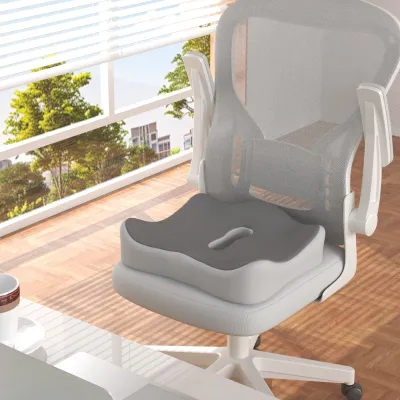
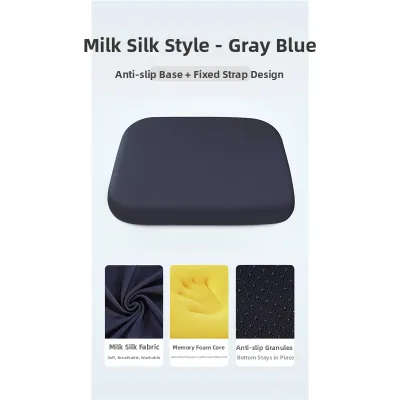
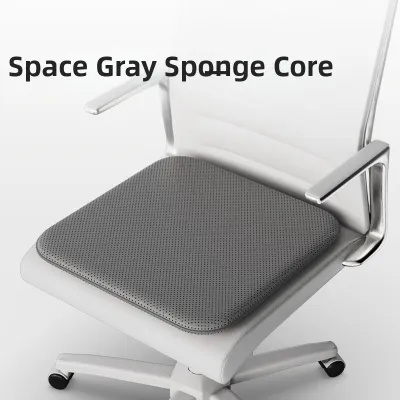
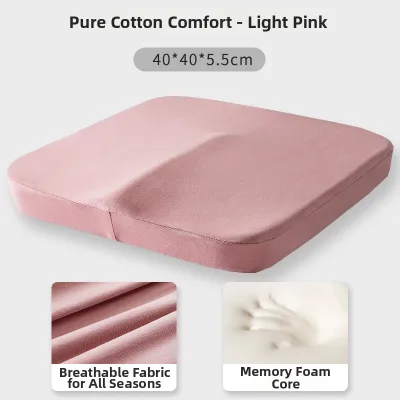
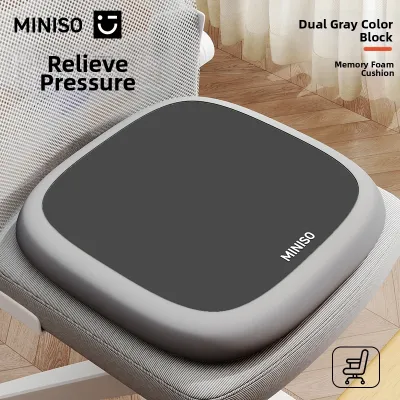
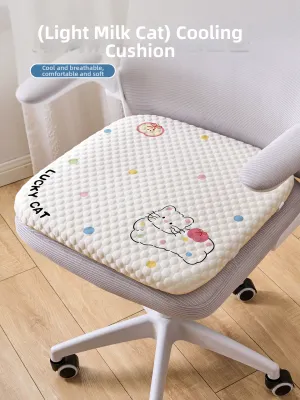
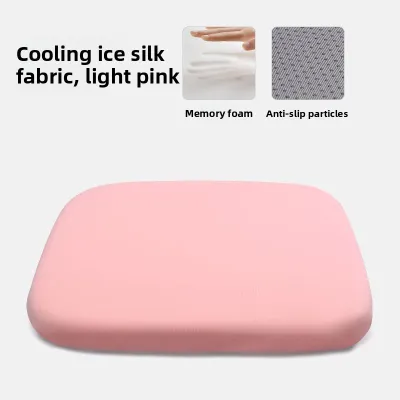
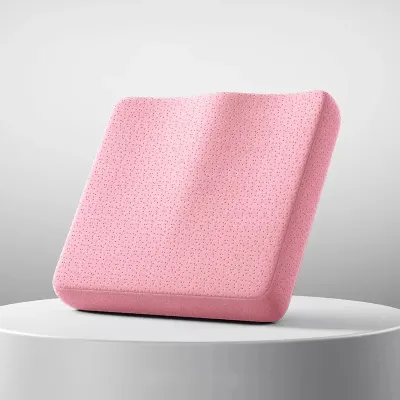
Prices are valid at publication and may change. Please refer to the product page for the latest price.

Traditional Memory Foam
Traditional memory foam, chemically known as viscoelastic polyurethane foam, is celebrated for its slow-rebound characteristics. When you sit on this material, it uses your body heat and weight to soften, gradually molding to your exact physical contours. This custom-fit shaping distributes your body weight across the surface, which significantly reduces pressure on the ischial tuberosities (the sit bones) and the coccyx.
When evaluating standard memory foam cushions, pay close attention to density and thickness. High-density foams generally offer more substantial, long-lasting support but can feel quite firm when you first sit down, especially in air-conditioned rooms where the material remains cool. Conversely, low-density foams soften much faster and offer a plush feel, though they run the risk of bottoming out under heavier weight. Because of its dense, closed-cell structure, traditional memory foam naturally restricts airflow, meaning it tends to trap and hold body heat over hours of continuous use.
Gel-Infused Memory Foam
To address the heat-retention issues of standard viscoelastic foam, manufacturers developed gel-infused memory foam. This material is created by mixing cooling gel beads, liquid gel swirls, or phase-change materials directly into the polyurethane formula during production. The primary goal of this infusion is to enhance thermal regulation, allowing the cushion to draw heat away from your body and maintain a more comfortable surface temperature.
In terms of physical support, gel-infused cushions behave similarly to traditional memory foam, offering a slow-rebound, contouring sensation. Some users note that the addition of gel gives the foam a slightly firmer initial feel, though it still conforms to the body once it warms up. When shopping, it is wise to check the manufacturer’s specifications regarding how the gel is integrated; cushions with gel layers laminated on top may feel cooler initially, while those with infused beads distributed throughout the core tend to offer more consistent, long-term temperature management.
Latex (Natural and Synthetic)
Latex foam stands in stark contrast to memory foam due to its highly responsive, elastic nature. Instead of contouring slowly to your shape, latex immediately pushes back against pressure, creating a buoyant “floating” sensation. This quick recovery time makes it incredibly easy to shift positions, turn, or stand up without feeling like you are stuck in a deep indentation.
Structurally, latex features an open-cell matrix that is often enhanced with pincore ventilation holes created during the molding process. This design allows air to circulate freely through the cushion, preventing heat and moisture from becoming trapped. When choosing a latex cushion, you will encounter natural latex, synthetic latex, or blended varieties. Natural latex, harvested from the sap of rubber trees, is highly durable and resilient, though it is important to look for certified material origins to ensure purity. Synthetic latex is a budget-friendly alternative that offers similar responsiveness but may degrade slightly faster over years of heavy use.
Comparing Support, Heat Retention, and Durability
To make an informed decision, you must compare how these three materials perform across key daily usability factors. Each material presents distinct trade-offs in comfort, temperature control, and overall lifespan.
Support and Firmness
The support profile of memory foam is passive, relying on your body heat to slowly compress the material until it cradles your shape. This is highly effective for localized pressure relief, but if you have a heavier build, you may find yourself sinking completely through a thin memory foam cushion, pressing directly against the hard chair beneath. Latex provides active support, immediately resisting compression to keep your spine aligned and your pelvis elevated. Heavier individuals often find that latex offers a more reliable, consistent level of support over long periods.
Temperature Regulation
In warm or humid environments, temperature regulation is a critical comfort factor. Traditional memory foam acts as an insulator, trapping body heat and potentially causing discomfort or sweating during long work sessions. Gel-infused memory foam mitigates this issue by absorbing initial heat, though its cooling effect can diminish once the gel reaches thermal equilibrium with your body. Latex remains the most naturally breathable option of the three, as its open-cell structure and physical ventilation channels allow ambient air to dissipate heat continuously.
Durability and Maintenance
Investing in a seat cushion means looking at how well the material resists sagging and wear. High-quality natural latex is exceptionally durable, resisting permanent indentations and maintaining its springy support for many years. Memory foam, while durable if purchased in high densities, is more prone to softening permanently over time, especially in areas subjected to concentrated pressure. To maintain these cushions, you must protect the inner core; while removable fabric covers can usually be machine-washed, the foam cores themselves should never be submerged in water or exposed to direct sunlight, which accelerates material breakdown.
| Feature | Traditional Memory Foam | Gel-Infused Memory Foam | Latex (Natural/Synthetic) |
|---|---|---|---|
| Primary Support Feel | Deep contouring, slow sink | Deep contouring, slow sink | Buoyant, responsive push-back |
| Heat Retention | High (traps body heat) | Moderate (gel absorbs initial heat) | Low (highly breathable open-cell) |
| Durability Expectation | Moderate (may soften over time) | Moderate (may soften over time) | High (resists permanent sagging) |
| Best Suited For | Targeted pressure relief | Pressure relief in warmer rooms | Active sitting, easy movement |
| Allergy Considerations | Generally hypoallergenic | Generally hypoallergenic | Avoid if sensitive to latex |
Final Decision Framework: Matching Material to Your Daily Needs
To finalize your choice, evaluate your personal sitting habits, workspace environment, and physical requirements against this practical decision checklist.
Choose Traditional Memory Foam if:
- You experience sharp pressure points or tailbone discomfort and need a material that molds deeply to cushion those specific areas.
- You prefer a cozy, enveloping sensation that holds your body securely in place.
- You primarily sit in air-conditioned environments where heat buildup is easily managed by room cooling.
Choose Gel-Infused Memory Foam if:
- You require the deep, pressure-relieving contouring of memory foam but tend to run warm while sitting.
- Your workspace is moderately warm, or you sit for several hours at a time without standing up.
- You want a slightly firmer initial support level that gradually softens to cradle your body.
Choose Latex if:
- You prefer a springy, active support system that keeps you sitting on top of the cushion rather than sinking into it.
- You frequently shift positions, stand up, or move around at your desk and dislike the slow-rebound delay of memory foam.
- You live in a warm, humid climate and do not have constant access to air conditioning.
- You want a highly durable, long-term investment that resists flattening out over years of daily use.
Avoid Latex if:
- You have a known latex allergy or skin sensitivity. Always verify the exact material composition on the product label, as some cushions use blended foams that still contain natural latex proteins.
Before You Purchase, Verify:
- Chair Clearance: Measure the thickness of the cushion (typically ranging from 5cm to 8cm) and ensure your chair's height can be adjusted downward. Adding a thick cushion without lowering your seat can cause your knees to hit the desk or strain your shoulders.
- Weight Capacity: Check the manufacturer's recommended weight limits to ensure the foam density is sufficient to support you without bottoming out.
- Non-Slip Features: Look for cushions equipped with a textured, non-slip bottom surface or integrated straps, especially if you plan to use the cushion on a smooth wooden or leather chair.
- Cover Washability: Ensure the cushion features a zippered, removable cover that can be easily machine-washed to maintain hygiene.
Frequently Asked Questions (FAQ)
Can I use a thick foam seat cushion on a mesh or ergonomic office chair?
Yes, you can use a foam seat cushion on a mesh or ergonomic chair, but you must proceed with caution regarding your overall ergonomic alignment. Adding a thick cushion (typically S$40 to S$90 for quality ergonomic models) raises your sitting height, which can misalign your body relative to the chair’s built-in lumbar support, armrests, and your desk surface. If your chair has highly adjustable armrests and a backrest that can be raised, you can easily compensate for this height change. Additionally, ensure the cushion has a reliable non-slip bottom or secure straps, as flexible mesh seats tend to sag slightly in the middle, which can cause a flat cushion to slide or shift during use.
How do I safely clean and maintain these foam materials?
To protect your investment and prevent premature material degradation, always separate the outer cover from the inner foam core before cleaning. The removable fabric cover can typically be machine-washed on a gentle cycle with mild detergent, but you should always verify the care label first. The inner foam core—whether traditional memory foam, gel-infused foam, or latex—should never be placed in a washing machine or dryer, as the mechanical agitation and high heat will tear and break down the delicate cell structure. Instead, spot-clean any stains on the foam core using a damp cloth and a very mild soap, then allow it to air-dry completely in a well-ventilated, shaded indoor area. Keep all foam cores away from direct sunlight, as ultraviolet rays accelerate discoloration, cracking, and crumbling.
Community discussion
Share your experience or ask a question. Comments are reviewed before publication.