
Quick Answer: Which Seat Cushion Material Is Right for You?
Finding the right seat cushion is a highly personal decision that directly impacts your daily comfort, posture, and long-term spinal health. With countless options available on online marketplaces, choosing between memory foam, gel, and air cell structures can feel overwhelming. The ideal material depends entirely on your primary physical pain points, such as heat retention, localized pressure points, or a need for structured posture support.
If you struggle with lower back stiffness and prefer a contouring, cradling sensation, memory foam is a reliable and budget-friendly choice. For those sitting for extended hours in warm, humid environments, a gel-grid cushion offers excellent heat dissipation and a responsive, buoyant feel. Meanwhile, an air cushion seat utilizing independent air cells provides highly customizable firmness and targeted pressure redistribution, making it the premier choice for therapeutic relief. Understanding these core material differences is the first step toward finding the perfect balance of support and breathability for your daily routine.
Defining the Materials: Memory Foam, Gel, and Air Cushion Seat Designs
To make an informed choice, it is essential to look past marketing buzzwords and understand the physical composition of these three cushion categories. Each material utilizes a distinct structural engineering approach to manage body weight, air circulation, and surface friction.
Products mentioned in this guide
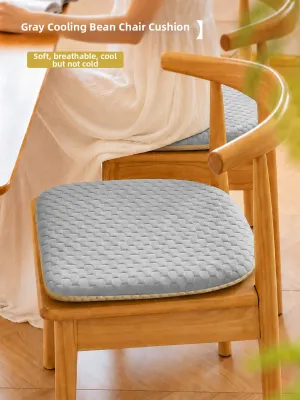
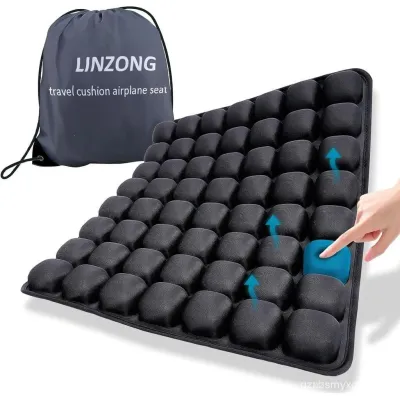
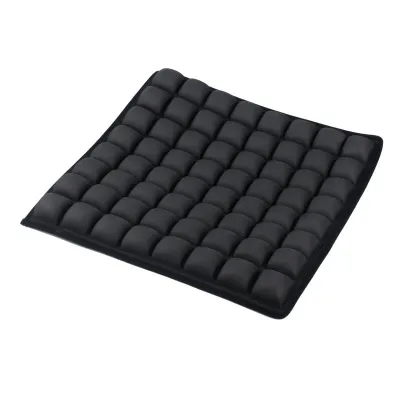
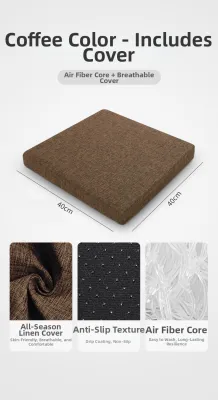
Prices are valid at publication and may change. Please refer to the product page for the latest price.

Memory foam is made of viscoelastic polyurethane, a synthetic material engineered to react to both weight and temperature. When you sit on memory foam, your body heat softens the material, allowing it to compress and contour precisely to your shape. Once you stand up, the foam slowly returns to its original state, which is why it is often referred to as slow-recovery foam. This material is highly dense, providing a sink-in feeling that conforms to the natural curves of your body.
Gel cushions generally fall into two categories: gel-infused memory foam or solid thermoplastic elastomer (TPE) grids. The latter, often called a honeycomb or hyper-elastic polymer grid, is a highly durable, flexible plastic molded into open channels. Unlike foam, which compresses flat, gel grids buckle under pressure to cradle bony prominent areas while maintaining a supportive, springy structure across the rest of the seating surface. This unique physical response provides a buoyant sensation, keeping the user suspended rather than sunk.
An air cushion seat relies on a network of interconnected or independent inflatable pockets, usually constructed from medical-grade polyvinyl chloride (PVC), polyurethane, or neoprene rubber. When weight is applied, air flows dynamically between these cells to distribute your body weight evenly across the entire surface. This fluid-like movement mimics the pressure-relieving qualities of water flotation, allowing for precise adjustments in firmness through a simple hand pump or valve system. These designs are highly prominent in both ergonomic office setups and specialized medical seating.
Comparing Support, Breathability, and Comfort
Evaluating these materials requires looking at how they perform across three critical daily-use categories: pressure relief, temperature control, and physical durability. Each material has unique mechanical properties that dictate how it handles long-term physical stress and environmental factors.
Pressure Relief and Support Dynamics
Memory foam excels at distributing weight by wrapping around your unique anatomy, reducing pressure on the sit bones (ischial tuberosities). However, because viscoelastic foam relies on compression, it has a physical limit to how much support it can provide. Over several hours, or under heavier body weights, the foam can bottom out, meaning it compresses completely until you are essentially sitting on the hard chair underneath. This loss of support can lead to pelvic misalignment and increased pressure on your tailbone, resulting in stiffness when standing up.
Gel grids offer a completely different support profile characterized by buoyancy and responsiveness. Instead of sinking continuously, you sit on a gel grid rather than in it. The columns of the grid are engineered to collapse only when a specific weight threshold is reached, providing targeted relief to your sit bones while remaining upright and supportive under your thighs and pelvis. This prevents the bottoming-out effect and encourages active sitting by allowing subtle pelvic micro-movements throughout the day, which helps maintain spinal alignment.
Air cell cushions provide the highest level of deep pressure redistribution available. Because the air inside the cells is free to move, it naturally migrates away from high-pressure zones like the tailbone and accumulates under lower-pressure areas like the thighs. This continuous equalization of pressure minimizes friction and shear forces on the skin, which is why air-cell technology is widely utilized in medical settings to prevent pressure sores. The dynamic nature of air movement ensures that no single point of the body bears the brunt of your weight.
Temperature Regulation in Warm Climates
In tropical regions like Singapore, where high humidity and warm temperatures are constant, heat buildup is a major drawback of traditional seat cushions. Memory foam is notoriously dense and features a closed-cell structure that acts as a thermal insulator. As you sit, the foam absorbs your body heat and traps it directly beneath you, which can lead to a sweaty, uncomfortable seating experience during long office hours or commutes. Even gel-infused memory foams only offer temporary cooling before matching your body temperature.
Gel-grid cushions are highly effective at combating heat retention due to their open-channel design. The physical space within the honeycomb grid allows air to flow freely beneath the body, facilitating passive ventilation every time you shift your weight. Furthermore, the thermoplastic elastomer material itself has a high thermal conductivity, meaning it naturally draws heat away from your skin and dissipates it into the surrounding air. This makes gel grids highly suitable for non-air-conditioned spaces or humid study rooms.
Air cell cushions also perform exceptionally well in warm climates, provided they are paired with the right cover. The physical gaps between the individual air pockets create natural air pathways that prevent heat from becoming trapped. However, because the air cells themselves are made of non-breathable materials like rubber or PVC, the overall breathability of the cushion heavily depends on the outer fabric cover. A 3D mesh or spacer-fabric cover is essential to allow air to circulate around the cells and keep the seating surface cool.
Durability, Weight, and Maintenance
The longevity and physical characteristics of these materials vary significantly, impacting their suitability for travel or long-term use. Memory foam is relatively lightweight and easy to transport, but it is highly susceptible to structural fatigue. Over two to three years of daily use, the polyurethane cells break down, leading to permanent sagging, loss of loft, and a decreased ability to rebound. Exposure to moisture or high humidity can accelerate this degradation process.
Solid gel-grid cushions are incredibly durable and virtually indestructible under normal sitting conditions; they do not sag, crack, or lose their elasticity even after years of heavy use. The trade-off, however, is their substantial physical weight. A standard gel cushion can weigh anywhere from 1 to 3 kilograms, making it cumbersome to carry between your home, office, and car. Additionally, while the gel itself is waterproof and easy to rinse clean, the intricate grid channels can accumulate dust and debris over time, requiring periodic washing.
Air cell cushions are exceptionally lightweight and highly portable when deflated, making them convenient for travel. However, they are vulnerable to punctures from sharp objects like keys, pens, or clothing zippers. While many high-quality air cushions are made from puncture-resistant medical-grade materials, they still require occasional monitoring. Users must periodically check the inflation levels, as air can slowly seep out of the valves over several weeks, requiring manual top-ups to maintain the correct level of support.
Side-by-Side Material Comparison
To help you quickly compare these options, the table below outlines the core differences across key performance and practical metrics.
| Material | Best For | Support Type | Breathability | Maintenance Level |
|---|---|---|---|---|
| Memory Foam | Budget-friendly basic contouring | Contouring & cradling | Low to Moderate | Low (Wash cover only) |
| Gel Grid | Long hours in warm environments | Responsive & buoyant | High | Moderate (Wash grid & cover) |
| Air Cell | Targeted therapeutic pressure relief | Deep pressure redistribution | High (With mesh cover) | High (Monitor inflation & leaks) |
Decision Framework: Match the Material to Your Situation
Choosing the right cushion requires matching these material characteristics to your specific lifestyle, daily environment, and physical needs.
When to Choose Memory Foam
Memory foam is the ideal choice if you are looking for an affordable, straightforward comfort upgrade for short to medium sitting periods, such as a standard three-hour study session or a light office workday. It is highly suited for individuals who enjoy a soft, cradling sensation and prefer a lightweight cushion that can easily be tossed into a backpack or carry-on bag. If you sit in a consistently air-conditioned room where heat retention is not a concern, memory foam provides excellent value and immediate comfort.
When to Choose Gel
A gel-grid cushion is highly recommended if you sit for long, uninterrupted hours—such as eight-to-ten-hour workdays—especially in warm, non-air-conditioned home offices or workshop environments. It is the best option for individuals who struggle with sweaty seating surfaces and need a highly breathable, cooling solution. Gel is also ideal for those who prefer a firmer, more responsive seat that supports active posture adjustments and will not bottom out over years of continuous daily use.
When to Choose Air Cell
An air cushion seat is the superior choice if you require highly customized comfort or therapeutic pressure relief. It is particularly beneficial for individuals with limited mobility, those who spend extended periods in wheelchairs, or anyone recovering from tailbone (coccyx) injuries. Because the firmness can be adjusted precisely by adding or releasing air, it accommodates changing comfort needs. It is also excellent for frequent travelers who want a packable, lightweight cushion that can be deflated and stored flat.
Important Health and Medical Verification
While ergonomic cushions can significantly improve comfort, they are not a substitute for professional medical care. If you suffer from chronic orthopedic issues, severe spinal misalignment, sciatica, or circulatory conditions, you should consult a healthcare professional, physical therapist, or occupational therapist before purchasing a cushion. A medical professional can evaluate your posture and recommend specific inflation levels or material densities to prevent aggravating your condition.
Essential Features to Verify Before Buying
To ensure your cushion performs well in daily life, pay close attention to these secondary but critical design elements before making a purchase.
Outer Cover Breathability and Washability
The cover is the only part of the cushion that makes direct contact with your body. In humid climates like Singapore, look for covers made from breathable, moisture-wicking fabrics such as 3D spacer mesh, bamboo-derived rayon, or technical athletic knits. Ensure the cover is fully removable and machine-washable so you can easily maintain hygiene and eliminate sweat buildup.
Non-Slip Base Security
A high-quality cushion should stay firmly in place throughout the day. Check the bottom of the cover for a durable, non-slip textured surface, typically made of silicone micro-dots or rubberized ribbing. A secure base prevents the cushion from sliding forward on smooth wooden dining chairs, polished leather office seats, or plastic task chairs, which helps maintain proper spinal alignment.
Dimensions and Seat Pan Fit
Before ordering, measure the width and depth of your chair’s seat pan. The cushion should cover the majority of the seating surface without hanging over the edges, which can cause the material to warp and lose its supportive properties. Additionally, ensure the cushion’s thickness does not raise your seating position so high that your feet can no longer rest flat on the floor, or that your thighs press uncomfortably against the underside of your desk or chair armrests.
Weight Capacity and Material Density
Always check the manufacturer’s specified weight limit before purchasing. Memory foam and gel cushions have varying densities; a cushion designed for a lightweight user may compress completely under a heavier individual, rendering its ergonomic features useless. Ensuring the cushion is rated for your weight guarantees that the material will maintain its structural integrity and provide the intended level of support.
Frequently Asked Questions (FAQ)
Can I combine gel and memory foam in one seat cushion?
Yes, many manufacturers offer hybrid cushions featuring a layer of cooling gel or a gel grid laminated on top of a high-density memory foam base. This design attempts to merge the contouring comfort of foam with the pressure-relieving, cool-to-the-touch properties of gel. While these hybrids generally offer better initial cooling and support than solid memory foam, they still retain more body heat over long periods than pure, open-grid gel or air cell designs due to the dense foam core beneath.
Do air cell cushions require regular maintenance?
Yes, air cell cushions require periodic visual and physical checks to ensure they function safely and effectively. You should regularly inspect the cells for punctures, check the inflation valve for airtight sealing, and adjust the air pressure. Sitting on an under-inflated air cushion causes you to bottom out onto the seat, eliminating all pressure relief, while over-inflating the cushion creates a hard, unstable surface that can increase pressure points and strain your lower back.
Are these cushions suitable for car seats in Singapore's heat?
While gel and air cell cushions handle heat significantly better than memory foam in a hot car, using any aftermarket cushion on a car seat requires careful safety considerations. Modern car seats are precisely engineered with side bolsters, integrated heating or cooling systems, and safety sensors that a thick cushion can block. Most importantly, you must ensure that any added cushion does not alter your driving posture, interfere with your ability to reach the pedals, change the geometry of your seatbelt across your pelvis and shoulder, or compromise the deployment of seat-mounted side airbags.
Community discussion
Share your experience or ask a question. Comments are reviewed before publication.