
Choosing the right chair seat pad depends on your primary comfort needs, daily sitting habits, and local environment. If you prefer deep, contouring pressure relief that molds to your body shape, memory foam is often the ideal choice. For those who prioritize a cooler sitting experience with firm, structured support, a gel seat pad is highly effective. If you value a responsive, bouncy feel made from resilient materials with natural airflow, a latex pad is the most suitable option. Understanding these material characteristics allows you to select a cushion that enhances your seating comfort throughout the day.
Comfort and Support: How Each Material Feels
Memory foam is widely recognized for its slow-rebound properties, which allow it to contour closely to your body shape in response to heat and pressure. When evaluating memory foam, it is essential to check the density rating on the product specifications. High-density foam offers deeper, more substantial support that holds its shape under weight, whereas low-density foam feels softer but may bottom out quickly. Because memory foam relies on body heat to soften and conform, it can sometimes retain warmth, making it feel noticeably warmer during extended use in unconditioned rooms.
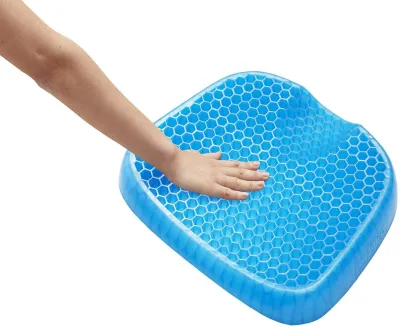
Gel seat pads offer a distinctly different tactile experience, focusing on firm, structured support and immediate pressure distribution. Many gel cushions utilize a column-buckling or honeycomb design that allows the material to flex under pressure points while maintaining overall structural integrity. When shopping, look for manufacturer claims regarding cooling technology and check the weight distribution specifications. These designs are engineered to promote airflow through open channels, which can help mitigate heat buildup compared to solid foam alternatives.
Products mentioned in this guide
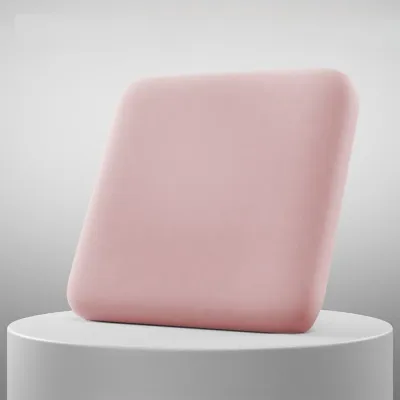
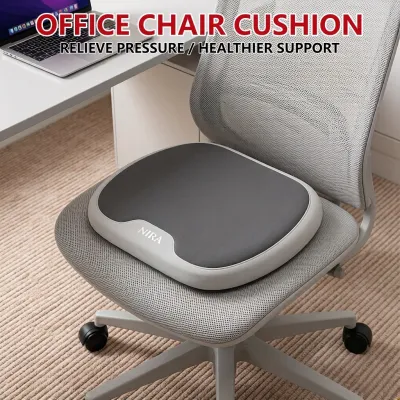
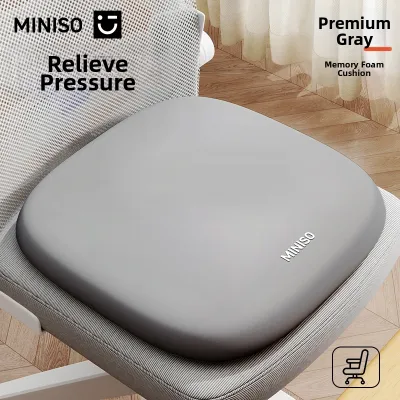
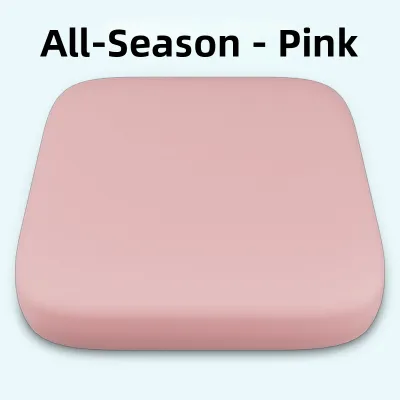
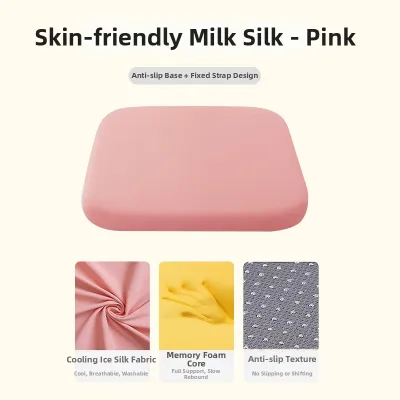

![[Sweet Home] 2pcs Seat Cushion Soft Chair Pad for Home Office Sofa Bar Floor Pillow](https://img.lazcdn.com/g/p/5806d6ec418101a3108f1aef3495d6d2.jpg_400x400q80.jpg_.webp)
Prices are valid at publication and may change. Please refer to the product page for the latest price.
Latex seat pads provide a highly responsive, springy feel that immediately bounces back when you shift your position. Unlike memory foam, latex does not require body heat to conform, offering consistent support from the moment you sit down. To find the right balance of comfort, check the firmness levels indicated on the product label, which are often categorized from soft to extra firm. The natural open-cell structure of latex inherently allows air to circulate, making it a breathable option for humid climates or warm office spaces.
Durability and Care: What to Expect Over Time
The lifespan of a chair seat pad varies significantly based on the material composition, frequency of use, and care routine. Rather than assuming a fixed number of years of durability, it is best to review the manufacturer’s warranty terms and product care guidelines. High-quality latex and high-density memory foam often carry longer warranty periods, which can serve as a reliable indicator of the manufacturer’s confidence in the material’s resilience under daily wear.

Hygiene maintenance is another critical factor in long-term durability, especially for cushions used daily at work or dining tables. Before purchasing, verify whether the seat pad features a removable, machine-washable cover. Cleaning instructions vary; while many fabric covers can be laundered easily, the inner core materials—particularly memory foam and certain gel structures—should never be submerged in water or placed in a washing machine, as moisture can degrade the material structure.
Over time, all seat pads will eventually show signs of wear that indicate it is time for a replacement. For memory foam, look out for permanent compression, where the foam no longer rebounds to its original shape after use. Gel pads may begin to crack, split, or lose their structural tension, while latex can gradually crumble or soften excessively. Regularly inspecting your cushion for these physical changes ensures you maintain proper ergonomic support and comfort.
Price and Value: How to Assess the Cost
When comparing costs, seat pads generally follow a distinct market positioning based on their raw materials and manufacturing complexity. Basic polyurethane and standard memory foam options typically represent the entry-level price point, making them highly accessible for quick comfort upgrades in the local S$ market. In contrast, natural latex and advanced multi-layered gel cushions sit at a premium tier, reflecting the higher cost of sourcing natural materials and specialized molding processes.
To determine if a higher price tag is justified, look closely at the product specifications for certified material purity and specialized design features. Premium latex cushions often feature certifications verifying their natural origin, while high-end memory foam may include ergonomic zoning—varying firmness levels across the pad to support different pressure points. Additionally, specialized cover fabrics, such as those featuring non-slip backings, breathable mesh, or moisture-wicking properties, can add significant value to your purchase.
Because comfort is highly subjective, purchasing a seat pad carries an inherent risk of misalignment with your personal preferences. To mitigate this, check the retailer’s return policies and look for products that offer a trial period. Testing the cushion on your specific chair for a few days allows you to evaluate its performance under real-world conditions, ensuring your investment truly delivers the comfort and support you expect.
Matching the Material to Your Daily Routine
Selecting the right material requires a realistic assessment of your daily routine and how long you spend sitting. For intensive, long-duration sitting—such as an eight-hour workday in a home office—a high-density memory foam or a supportive gel pad can help distribute weight evenly and reduce pressure points. For occasional use, such as during family meals on dining chairs, a lighter latex or standard foam pad provides sufficient comfort without requiring heavy-duty structural support.
Your local indoor climate and room setup also play a significant role in how comfortable a seat pad feels over several hours. In warmer or more humid environments, such as unconditioned rooms or spaces with limited airflow, a gel pad with an open honeycomb structure or a breathable latex pad can help keep you comfortable. If you primarily sit in an air-conditioned office, the heat-retaining properties of memory foam may be less of a concern, allowing you to focus entirely on its contouring benefits.
Finally, personal health factors and sensitivities must be ruled out before making a final decision. For individuals with known sensitivities, it is crucial to check product packaging and descriptions for latex allergy warnings, as even synthetic blends or natural latex can trigger reactions in sensitive users. If allergies are a concern, hypoallergenic memory foam or medical-grade gel pads with protective, washable covers offer a safer, worry-free alternative for daily use.
Pre-Purchase Checklist: Fit, Safety, and Compatibility
Before finalizing your purchase, taking precise measurements of your existing chair is essential to ensure a proper fit. Measure the width and depth of the seat pan, comparing these dimensions to the product specifications of the seat pad. A pad that is too large may overhang the edges, causing it to slide or lose structural support, while a pad that is too small will fail to support your thighs and hips adequately, potentially disrupting your posture.
Securing the pad to the chair is equally important for safety and comfort, especially on smooth wooden, plastic, or leather surfaces. Verify whether the seat pad features a non-slip rubberized base or integrated securing straps that tie around the chair frame. These features prevent the cushion from shifting when you sit down or stand up, reducing the risk of accidental slips and ensuring the pad remains in its optimal ergonomic position throughout the day.
Lastly, check the product packaging or official online listing for weight capacity limits and safety certifications. Different materials and densities are rated for specific weight ranges; exceeding these limits can cause the pad to bottom out, rendering its supportive features ineffective. Look for recognized material safety certifications, which verify that the foam, gel, or latex has been tested for harmful emissions and chemical additives, ensuring a safe addition to your home or office environment.
Frequently Asked Questions (FAQ)
Will a thick seat pad ruin my chair's ergonomics?
Adding a thick seat pad can alter your sitting height, which may impact your overall posture if your chair is not adjustable. Before purchasing, check if your chair allows for seat height adjustments to compensate for the extra thickness, ensuring your feet remain flat on the floor. You should also verify that the increased height does not restrict your armrest clearance or push your knees into the underside of your desk. Consulting the chair manufacturer’s posture guidelines can help you maintain proper alignment when integrating a new cushion.
How can I tell if a latex pad is natural or synthetic?
To determine the composition of a latex seat pad, start by reading the ingredient percentages listed on the product tag or packaging. Natural latex products often carry specific environmental or material certifications, such as the Global Organic Latex Standard (GOLS) or OEKO-TEX, which verify their organic or natural origin. Physically, natural latex tends to be heavier than synthetic alternatives and may carry a mild, sweet rubber scent, whereas synthetic latex often has a more pronounced chemical odor.
Community discussion
Share your experience or ask a question. Comments are reviewed before publication.