
Selecting the right gaming chair cushion is one of the most effective ways to upgrade your setup, especially if your current chair has lost its support or causes discomfort during long sessions. There is no single material that works perfectly for every player; instead, the ideal choice depends on your typical session length, how much heat your body generates, and your preference for either deep contouring or springy responsiveness. Memory foam, gel, and latex each interact with body weight and ambient temperature in fundamentally different ways. By understanding these physical behaviors, you can select a cushion that supports your posture and keeps you comfortable through hours of play.
Upgrading your seating comfort does not require replacing your entire chair. A high-quality cushion can redistribute pressure, improve pelvic alignment, and mitigate the heat buildup that often occurs during intense gaming. Whether you are looking to soften a rigid seat pan or need targeted support for your tailbone, analyzing the physical properties of memory foam, gel, and latex will help you make an informed decision that matches your specific gaming habits.
Decoding the Materials: Memory Foam, Gel, and Latex
Memory foam is a viscoelastic polyurethane material that reacts to both pressure and temperature. When you sit on a memory foam cushion, your body heat gradually softens the polymer chains, allowing the foam to mold precisely to your unique shape. This creates a deep, customized cradle that distributes your weight evenly across the seat pan. The defining characteristic of memory foam is its slow recovery time; when you stand up, the cushion retains your impression for a few seconds before slowly returning to its original shape. However, because of its dense, closed-cell structure, traditional memory foam naturally restricts airflow and tends to trap heat over time.
Products mentioned in this guide
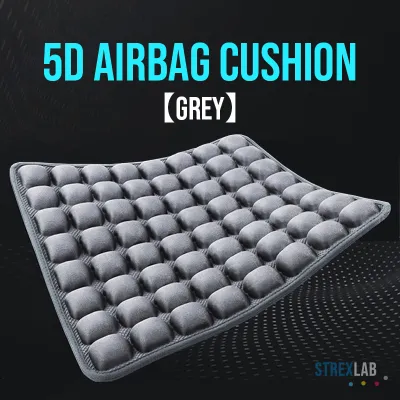
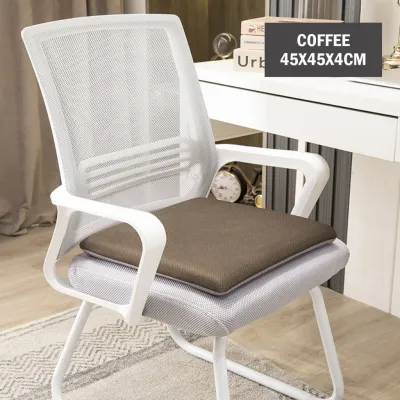
Prices are valid at publication and may change. Please refer to the product page for the latest price.
Gel cushions generally fall into two categories: gel-infused foam and solid gel grids. Gel-infused foam mixes tiny gel beads or a liquid gel layer into standard memory foam to help absorb initial body heat, though this effect eventually diminishes as the cushion reaches thermal equilibrium. In contrast, solid gel grids are made from hyper-elastic polymers molded into an open honeycomb or grid pattern. These grids do not rely on heat to soften; instead, the columns of the grid buckle under direct pressure points while remaining firm elsewhere. This unique physical behavior provides immediate pressure relief, while the open channels of the grid allow continuous air circulation.
Latex is a highly resilient material harvested from natural rubber tree sap or manufactured synthetically from styrene-butadiene rubber. Unlike memory foam, latex is characterized by its rapid shape recovery and springy bounce. When you sit down, the material pushes back against your weight rather than letting you sink deeply into it. Latex features an inherent open-cell structure that naturally promotes ventilation, preventing the heat retention common in dense foams. It offers a highly responsive feel, making it easy to shift positions without feeling restricted by a deep physical impression in the seat.
Comparing Comfort, Support, and Temperature Regulation
When evaluating these materials, pressure relief and active support are critical factors for long-term comfort. Memory foam excels at localized pressure relief because it conforms closely to your body, eliminating hot spots under your sit bones and tailbone. However, this deep contouring can lead to a “sinking” sensation that makes it harder to adjust your posture, potentially causing muscle fatigue over multi-hour sessions. Latex, on the other hand, provides active upward support that keeps your pelvis in a neutral position, preventing posterior pelvic tilt and helping you maintain a healthy lumbar curve. Gel grids offer a balanced middle ground, buckling under your hips to relieve pressure while maintaining a stable, flat surface that supports quick movements.

Durability and resistance to sagging are essential if you want your investment to last. The lifespan of a foam cushion is directly tied to its density, which is measured in kilograms per cubic meter. High-density memory foam (typically 50 kg/m³ or higher) resists sagging and maintains its supportive properties for years, whereas low-density alternatives flatten quickly under daily use. Solid gel grids made of high-quality hyper-elastic polymers are exceptionally durable because the material can stretch and compress repeatedly without suffering permanent deformation. Latex is naturally one of the most resilient cushioning materials available, resisting body impressions and maintaining its structural integrity far longer than standard polyurethane foams.
Heat management is a vital consideration, particularly in warm or poorly ventilated environments. Traditional memory foam acts as an insulator, trapping your body heat and radiating it back to you, which can lead to discomfort and sweating. While gel-infused foams offer temporary relief, they eventually warm up to match your body temperature. For continuous cooling, solid gel grids and open-cell latex are far more effective. The open channels in a gel grid allow air to circulate freely with every movement, while the porous, breathable structure of latex prevents heat from becoming trapped against your skin, keeping you cool during intense matches.
Matching the Cushion to Your Gaming Habits
To choose the right material, you must align its physical properties with your personal playstyle and physical needs.
Choose Memory Foam if:
- You prefer a deeply cushioned, "locked-in" sensation that conforms to your exact shape.
- You tend to sit relatively still while gaming and prioritize maximum pressure relief for your tailbone.
- You primarily game in a climate-controlled, air-conditioned room where heat retention is not a major concern.
Choose Gel if:
- You run hot, experience sweating during long sessions, and need active temperature regulation.
- You engage in marathon gaming sessions and require a highly ventilated seat that maintains its cooling properties.
- You prefer a firmer, highly stable surface that does not sag or create a deep physical impression over time.
Choose Latex if:
- You shift positions, lean forward, or change your posture frequently while playing.
- You prefer a highly responsive, springy feel that allows you to move effortlessly.
- You want an eco-friendly, highly durable material that instantly recovers its shape when you stand up.
Before making a final decision, verify if you have any specific material sensitivities. If you have a known latex allergy, you must avoid natural latex cushions entirely and opt for synthetic latex, memory foam, or gel alternatives. Additionally, if you suffer from chronic lower back pain, sciatica, or pelvic issues, verify with a medical professional whether you require a specialized orthopedic cushion with a coccyx cutout, rather than relying solely on a standard consumer gaming cushion.
Essential Checks Before You Buy
Before purchasing any gaming chair cushion, you must perform a few practical checks to ensure it physically fits your existing setup. First, measure the width and depth of your gaming chair’s seat pan. Many gaming chairs feature raised side bolsters inspired by racing car seats; if your cushion is too wide, it will ride up on these bolsters, creating an uneven and uncomfortable sitting surface. Look for a cushion that fits snugly within the flat portion of your seat, and ensure the bottom features a high-friction, non-slip rubberized texture or adjustable straps to prevent it from sliding forward as you move.
Next, examine the cover materials of the cushion. The cover is your direct point of contact, and its breathability can make or break the performance of the underlying material. A high-performance gel grid or open-cell latex cushion will lose its cooling benefits if wrapped in a thick, non-breathable synthetic polyester cover. Look for removable, machine-washable covers made from breathable mesh, Lycra, or moisture-wicking bamboo-derived fabrics. A durable zipper is also essential, allowing you to easily remove the cover for regular cleaning to maintain hygiene.
Finally, consider how the thickness and density of the cushion will affect your overall ergonomic alignment. Adding a cushion will raise your sitting height by 3 to 8 centimeters, which alters your relationship with your desk and monitor. Verify that your gaming chair’s gas lift can lower sufficiently to keep your feet flat on the floor with your knees bent at a 90-degree angle. You may also need to adjust your desk height, raise your armrests to keep your elbows aligned, or adjust your monitor arm to ensure your eyes remain level with the top third of your screen, preventing neck strain.
Frequently Asked Questions (FAQ)
Can I use a gaming chair cushion on a standard office chair?
Yes, gaming chair cushions are highly compatible with standard office chairs. Because office chairs typically feature flat seat pans without the restrictive side bolsters found on racing-style gaming chairs, you often have more flexibility with cushion dimensions. However, you must still measure the seat pan of your office chair to ensure a proper fit. Choosing a cushion with a reliable non-slip rubberized base is highly recommended to prevent it from sliding on slick leather or mesh office seats.
How do I clean and maintain these cushion materials?
Proper maintenance depends entirely on the core material, so always check the manufacturer’s care label first. As a general rule, you should never submerge memory foam or latex in water, as moisture breaks down their cellular structures and can lead to mold growth. Instead, spot-clean stains with a damp cloth and mild detergent, and wash the removable cover regularly. Solid gel grids, however, can often be hand-washed in cool water with mild soap and left to air dry completely in a shaded area, away from direct sunlight which can degrade the polymer.
Community discussion
Share your experience or ask a question. Comments are reviewed before publication.