
Selecting the ideal seat cushion for your chair is a highly personal decision that depends on how different materials interact with your body weight, sitting duration, and immediate environment. While memory foam, gel, and latex all aim to improve comfort, they achieve this through distinct structural behaviors. This guide compares their support characteristics, durability, and ideal use cases to help you select the material that best aligns with your specific chair and daily routine, rather than declaring a single universal winner.
Adding a cushion can transform an uncomfortable chair, but choosing the wrong material can lead to heat retention, insufficient support, or premature flattening. By understanding how these materials perform under pressure, you can make an informed choice that enhances your daily comfort and posture.
Understanding the Core Materials: Memory Foam, Gel, and Latex
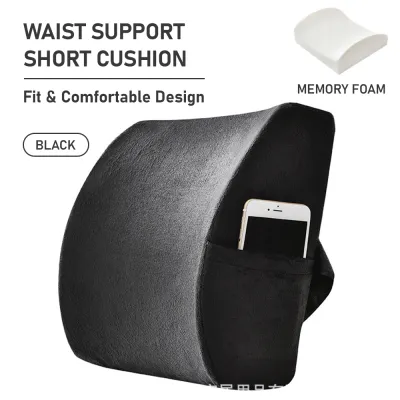
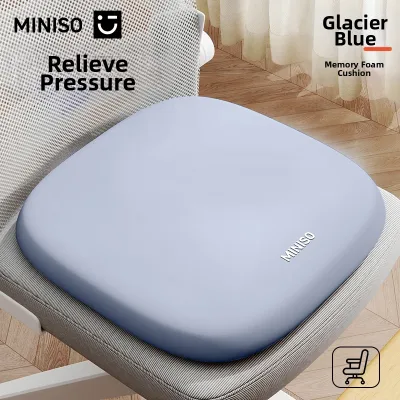
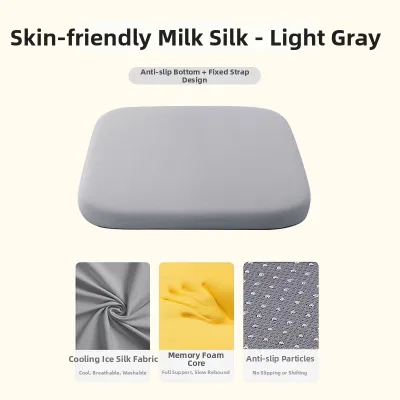
Memory foam, or viscoelastic polyurethane foam, is highly sensitive to both pressure and temperature. When you sit on a memory foam cushion, your body heat softens the material, allowing it to contour precisely to your physical shape. This creates a deep, cradling sensation that distributes your weight across a wider surface area, reducing localized pressure points. However, because it relies on heat to conform, its firmness can change depending on the ambient temperature of your room.
Products mentioned in this guide
![[SG Stock] Honeycomb Gel Seat Cushion With Cover Silicon Ice Gel Seat Cushion Cooling Mat Egg Support Non Slip Summer Ice Cool Pad Gel Chair Car Office Seat](https://img.lazcdn.com/g/p/bd452066c1c33bff5dd160e661df4be8.jpg_400x400q80.jpg_.webp)
Prices are valid at publication and may change. Please refer to the product page for the latest price.
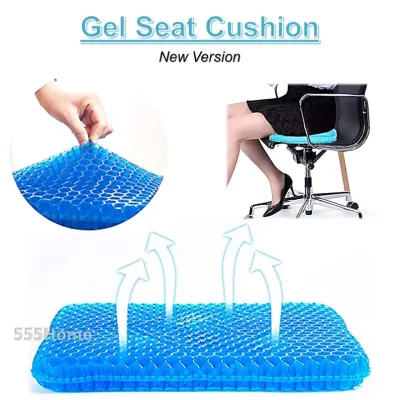
Gel seat cushions are typically constructed from hyper-elastic polymers molded into an open-cell grid structure, though some designs feature gel layers infused into standard foam. Solid gel grids do not rely on body heat to soften; instead, the physical columns of the grid buckle under high-pressure areas to distribute weight evenly. The open channels within a gel grid allow air to flow freely, making this material highly effective at managing temperature during long sitting sessions.
Latex is a highly resilient material sourced either naturally from the sap of rubber trees or manufactured synthetically. It is characterized by its responsive bounce and immediate push-back support, which prevents you from sinking too deeply into the seat. Latex cushions feature an open-cell structure, often enhanced with manufactured pinholes, which naturally promotes continuous airflow and prevents heat retention without relying on chemical cooling agents.
Comparing Comfort, Support, and Durability
When evaluating comfort, memory foam excels at deep pressure relief, making it highly suitable for individuals who experience discomfort in sensitive areas like the tailbone or sit bones. The material conforms closely to your body, but this deep sink can sometimes make it feel restrictive if you prefer to shift positions frequently. Latex offers a contrasting experience by providing active, upward support that keeps your pelvis aligned while allowing you to move effortlessly. Gel grids offer a balanced middle ground, collapsing under prominent pressure points while remaining firm elsewhere to maintain a level seating plane.

Thermal performance is a critical consideration, especially in warm and humid environments. Memory foam’s dense, closed-cell structure naturally traps body heat, which can lead to a warm and humid seating surface over time. While gel-infused foams attempt to mitigate this heat retention, solid gel grids with open columns perform significantly better at dissipating heat because air can circulate freely through the empty spaces. Latex also offers reliable thermal comfort, as its natural elasticity and aerated design provide consistent, passive ventilation that does not degrade over time.
Durability varies greatly depending on material quality and usage patterns. High-density memory foam holds its shape well over time, but lower-density options are prone to flattening and losing their supportive qualities within a few months of daily use. Gel grids are exceptionally durable and resistant to permanent deformation, though the protective fabric covers may wear out before the gel itself. Latex is widely recognized as one of the most durable cushion materials available, maintaining its structural integrity, springiness, and height for years without crumbling or packing down.
Matching the Cushion to Your Chair and Daily Routine
The design of your existing chair plays a major role in determining which cushion material will perform best. A hard wooden dining chair or a metal office chair lacks built-in contouring, making a thick memory foam or a dense gel cushion ideal to absorb the harsh impact of the solid surface. Conversely, if you are adding support to an ergonomic mesh office chair that already has some built-in flex, a thinner latex or gel cushion can enhance comfort without completely overriding the chair’s engineered lumbar support and seat pan design.
Your daily sitting habits should also guide your choice. For those who sit for uninterrupted hours at a desk, a highly responsive material like latex or a supportive gel grid can reduce the physical fatigue associated with micro-movements. If your routine involves frequent standing and sitting, the slow recovery time of memory foam might feel less supportive during transitions, whereas latex adapts instantly to your posture.
Local environmental factors, such as the tropical climate of Singapore, demand careful consideration of material breathability. In non-air-conditioned home offices or study areas, a dense memory foam cushion can quickly become uncomfortably warm and sticky. In these warm spaces, an open-grid gel cushion or an aerated natural latex cushion paired with a moisture-wicking cover is highly recommended to maintain a comfortable, dry seating surface.
Essential Specifications to Verify Before Purchase
Before purchasing any seat cushion, measure your chair’s seat pan width and depth. A cushion that is too wide will overhang the edges and slide, while one that is too small will create uneven pressure edges that can cause discomfort. Ensure the cushion’s thickness does not raise your seating height so much that your feet can no longer rest flat on the floor, or your thighs press uncomfortably against the underside of your desk.
Look closely at density specifications rather than just thickness. High-density foams offer better support and longevity for heavier body weights, whereas low-density foams will bottom out completely under pressure, rendering their supportive properties useless. If you are considering a gel cushion, check the weight of the product, as heavier gel grids generally indicate a more robust and supportive polymer structure.
The cover fabric is your direct contact point and should be evaluated carefully. Opt for breathable, moisture-wicking fabrics like mesh or bamboo-derived knits, and ensure the cover is removable and machine-washable to maintain hygiene. Additionally, verify that the bottom of the cushion features a reliable non-slip textured surface or securing straps, especially if you plan to use it on smooth leather, polished wood, or plastic chairs.
Decision Framework: Which Material Fits Your Needs?
To finalize your choice, align the material properties with your primary comfort priorities and environment:
- Choose Memory Foam if your main goal is deep, contouring pressure relief, you prefer a cradled sensation, and you primarily sit in a temperature-controlled, air-conditioned room. This material is ideal for targeted relief on hard surfaces where deep contouring is necessary.
- Choose a Gel Grid if you struggle with heat buildup, require firm yet adaptive support, and want a highly durable material that does not sag over time. This option works exceptionally well in warm environments and on chairs that require a durable, low-maintenance comfort layer.
- Choose Latex if you prefer a springy, active push-back support, want natural breathability, need to change positions easily, and value long-term material durability. It is an excellent choice for ergonomic office chairs where you want to enhance comfort without losing the chair's original structural support.
Always verify if you have specific material allergies, such as a latex allergy, before making a purchase. If you require medical-grade posture correction or suffer from chronic back pain, consult a healthcare professional or physical therapist rather than relying solely on a retail seat cushion to resolve the issue.
Frequently Asked Questions (FAQ)
Can I combine gel and memory foam in one seat cushion?
Yes, many manufacturers offer hybrid cushions that feature a memory foam base topped with a layer of gel or gel-infused foam. When evaluating these hybrid designs, check the product specifications to identify which material forms the core support layer. A thin layer of gel on top of low-density foam may offer temporary cooling but will still rely on the foam for structural support. Ensure the underlying foam density is sufficient to prevent bottoming out under your weight.
How do I clean and maintain these cushion materials?
Always separate the removable cover from the inner core before cleaning. While most fabric covers can be machine-washed on a gentle cycle, the internal cores require strict care. Never submerge memory foam or latex in water, and do not put them in a washing machine or dryer, as water logging and high heat will destroy their cellular structure. Instead, spot-clean the core with a damp cloth and mild soap, then allow it to air-dry completely in a shaded, well-ventilated area away from direct sunlight.
Will a seat cushion fix a broken or poorly designed chair?
A seat cushion is designed to enhance comfort and distribute pressure, but it cannot fix a structurally compromised or ergonomically deficient chair. If your chair has a sagging seat pan, broken tension controls, or lacks basic lumbar support, adding a cushion is only a temporary fix. For long-term physical health, adjust your chair’s built-in ergonomic settings, ensure your feet rest flat on the floor, or consider replacing the chair entirely if its structural integrity is lost.
Community discussion
Share your experience or ask a question. Comments are reviewed before publication.