
Selecting the right seat cushion is a highly personal decision that depends on your body shape, sitting habits, and environment. In a warm and humid climate like Singapore, where office workers and remote professionals spend long hours seated in air-conditioned rooms or naturally ventilated home offices, factors like heat retention, structural support, and durability are critical. Memory foam offers deep contouring and targeted pressure relief for joint discomfort, while gel-infused options prioritize temperature regulation and a firmer surface. Latex provides a highly responsive, buoyant support that resists sinking over extended periods. To ensure the best outcome, always verify the manufacturer’s material composition, density, and dimensions, as material type alone does not guarantee ergonomic or medical benefits.
Core Characteristics of Memory Foam, Gel, and Latex
Memory foam, or viscoelastic polyurethane foam, is engineered to respond to both body heat and pressure. When you sit on a memory foam cushion, the material softens in response to your body temperature, allowing it to contour precisely to your unique shape. This custom molding effect distributes your body weight evenly across the sitting surface, significantly reducing pressure points on the sitting bones. However, because viscoelastic foam relies on heat to conform, it can feel noticeably firmer in a highly air-conditioned office and softer in a warm room.
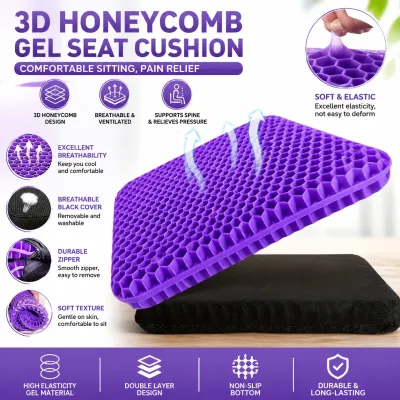
Gel and gel-infused cushions are designed to address the heat-trapping tendencies of traditional foams while offering a distinct tactile feel. Solid gel cushions often feature a honeycomb or grid structure made of hyper-elastic polymer, which buckles under pressure to distribute weight while allowing air to flow freely through the open columns. Alternatively, gel-infused memory foam incorporates liquid gel beads or a top gel layer onto a standard foam base. This design aims to conduct heat away from the body during initial contact, modifying the overall firmness and creating a cooler seating surface.
Products mentioned in this guide
![[SG INSTOCK] Seat Cushion Memory Foam Orthopedic Pressure Relief Car Home Soft Office Chair Pad Wheelchair for Tailbone Sciatica Back Pain Relief](https://img.lazcdn.com/g/p/005adf43d933a7c5edf0e3585d56492d.jpg_400x400q80.jpg_.webp)
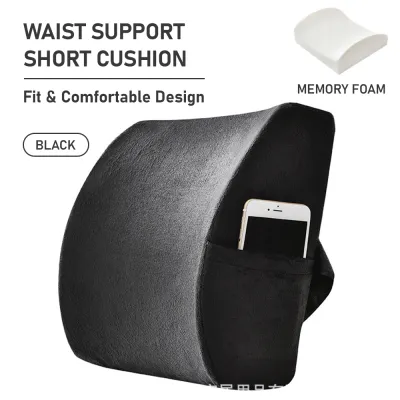
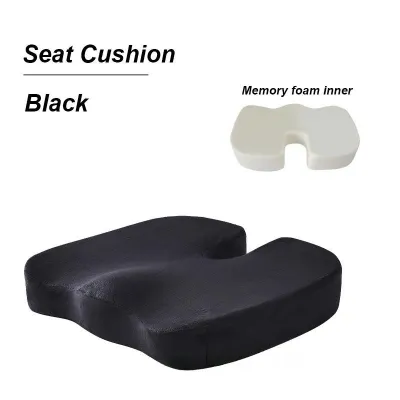
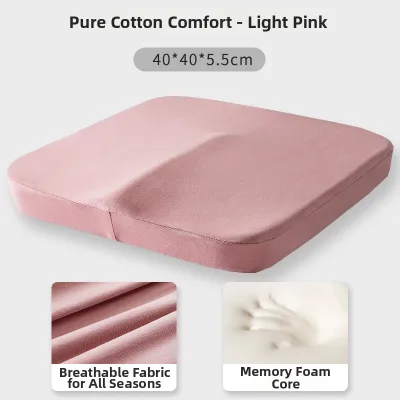
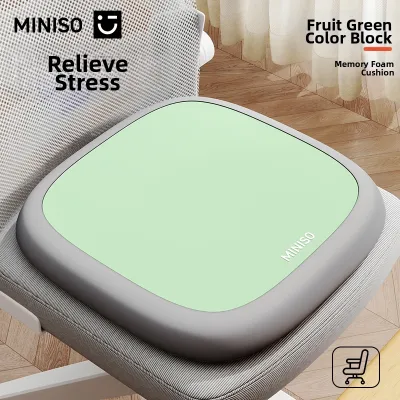
Prices are valid at publication and may change. Please refer to the product page for the latest price.
Latex cushions are manufactured from either natural rubber sap harvested from rubber trees, synthetic polymers, or a blend of both. Unlike memory foam, latex is highly resilient and possesses an instant recovery rate, meaning it immediately springs back to its original shape when weight is shifted. This material features an open-cell structure that naturally promotes ventilation, preventing the accumulation of body heat. Latex provides a buoyant, floating sensation rather than a deep sink, making it an excellent option for those who prefer active support and ease of movement.
Matching Material Properties to Your Sitting Needs
When selecting a seat cushion, temperature sensitivity is a primary consideration, particularly in tropical climates. Traditional memory foam tends to retain body heat because its dense, closed-cell structure restricts airflow, which can lead to discomfort and sweating during long sitting sessions. Gel-infused foams and open-grid gel cushions mitigate this by absorbing and dispersing initial heat, though the long-term cooling effect still depends heavily on the breathability of the outer cover and the ambient room temperature. Natural latex, with its inherently breathable open-cell design, offers consistent temperature regulation without relying on chemical cooling additives.

The balance between support and pressure relief directly affects sitting comfort, especially for individuals experiencing tailbone or sciatic nerve discomfort. Memory foam excels at deep pressure relief by cradling the pelvic region, making it highly suitable for individuals who require localized cushioning for sensitive joints. However, this deep contouring can make it feel like you are sinking into the chair, which may restrict movement. In contrast, the elastic push-back of latex keeps the pelvis in a neutral, supported position, reducing the effort required to stand up or shift posture throughout the day.
Mobility and physical weight are practical factors that influence how you use your cushion daily. If you plan to transport your cushion between a home office, a corporate workplace, and a vehicle, a lightweight and compact memory foam or hybrid cushion is highly convenient. Solid gel grid cushions, while highly durable and breathable, are significantly heavier and less structured, making them less ideal for frequent commuting. Understanding where and how often you will move the cushion helps narrow down the ideal weight and form factor.
Quick Comparison Matrix for Seat Cushion Materials
| Material | Pressure Distribution | Heat Retention | Response Speed | Portability | Key Limitation |
|---|---|---|---|---|---|
| Memory Foam | Excellent (deep contouring) | High (traps body heat) | Slow (viscoelastic delay) | High (lightweight) | Can stiffen in cold air conditioning |
| Gel Grid / Infused | Good (column buckling) | Low to Moderate | Fast (immediate rebound) | Moderate to Low (heavy) | Solid gel can be heavy and cold initially |
| Latex | Very Good (buoyant support) | Low (open-cell airflow) | Instant (high resilience) | Moderate | Potential allergen; higher initial cost |
To make an informed decision, always check the manufacturer’s specifications for exact dimensions, weight, and material certifications, as individual product builds vary widely. Whether you are investing S$30 or S$120, verifying these specifications ensures the cushion fits your specific chair and body type.
Verifying Specifications and Build Quality Before Purchase
Before purchasing a seat cushion, evaluating the density and thickness is essential to ensure it can support your body weight without bottoming out. For memory foam, a higher density rating indicates a more supportive, durable cushion that will retain its shape over years of use. A cushion that is too thin—such as under 5 centimeters—may compress completely under your weight, transferring pressure directly back to your sitting bones and defeating the purpose of the cushion. Aim for a thickness of 5 to 10 centimeters depending on your weight and chair height.
The design of the cover and base features plays a vital role in the daily usability and hygiene of your cushion. Look for covers made from breathable fabrics, such as 3D spacer mesh or natural linen, which facilitate airflow and enhance the cooling properties of the underlying material. A non-slip rubberized base is crucial to prevent the cushion from sliding around on wooden, plastic, or leather office chairs, which can disrupt your posture. Additionally, ensure the cushion features a durable, recessed zipper so you can easily remove the cover for machine washing without scratching your furniture.
Verifying independent certifications and labels on the product packaging or listing provides peace of mind regarding material safety and emissions. For polyurethane and memory foam cushions, look for the CertiPUR-US label, which certifies that the foam is made without ozone depleters, heavy metals, or harmful phthalates. For natural latex cushions, check for the Global Organic Latex Standard (GOLS) or OEKO-TEX Standard 100 certifications, which verify organic origins and the absence of harmful chemical residues. These voluntary standards help ensure that your close-contact office accessories do not compromise your indoor air quality.
Signs It Is Time to Replace or Adjust Your Cushion
Over time, all seat cushions experience material degradation that compromises their supportive qualities. For memory foam, a clear sign of failure is permanent compression, where the foam no longer rebounds to its original height after you stand up, leaving a visible indentation. Latex cushions degrade by losing their elasticity, eventually becoming brittle, yellowed, or crumbling into small particles. Gel cushions may suffer from structural tearing in the grid walls or separation of the gel layer from the foam base, leading to uneven support and localized pressure points.
Changes in your physical environment or body can also signal that it is time to adjust your seating setup. If you transition to a new office chair with a different seat pan depth, or if you adjust your desk height, your existing cushion may no longer align your hips and knees correctly. Increased physical discomfort, such as a dull ache in your lower back or numbness in your thighs, indicates that the cushion’s support profile is no longer matching your ergonomic needs. Regularly assessing how your body feels after a long sitting session will help you determine if a different material or thickness is required.
Hygiene and safety boundaries represent non-negotiable reasons for immediate cushion replacement. Because cushions are in close contact with your body for hours daily, they can accumulate sweat, dead skin cells, and dust mites, particularly in humid climates. If a cushion develops a persistent musty odor that remains after washing the cover, or if the inner foam begins to tear and expose raw material, it should be replaced immediately. Using a degrading or moldy cushion can lead to skin irritation, respiratory discomfort, and a complete loss of ergonomic benefit.
Frequently Asked Questions (FAQ)
Can I combine gel and memory foam in one seat cushion?
Yes, many hybrid seat cushions combine a memory foam base with a top layer of gel or gel-infused foam. This design attempts to offer the deep contouring and pressure relief of memory foam while using the gel layer to absorb initial body heat and provide a slightly firmer initial feel. When evaluating these hybrid options, verify the thickness and quality of the gel layer; thin, painted-on gel coatings offer negligible cooling benefits compared to thick, integrated gel pads or infused beads.
Are latex seat cushions suitable for people with allergies?
Natural latex cushions contain proteins that can trigger allergic reactions in individuals with known latex sensitivities. While many latex cushions undergo washing processes that remove the majority of these proteins, a risk of reaction still exists, especially if the cushion cover tears or degrades. If you have a latex allergy, it is safer to choose synthetic latex, memory foam, or gel cushions, or to consult a medical professional and thoroughly verify the exact material composition with the manufacturer before purchasing.
How do I clean a cushion if the cover is not removable?
If your seat cushion does not have a removable cover, you must spot clean it carefully to avoid damaging the internal materials. Mix a small amount of mild detergent with lukewarm water, dampen a clean cloth, and gently blot the stained area without soaking the cushion. Excess moisture can easily penetrate memory foam or latex, leading to internal mold growth and material breakdown. Always allow the cushion to air dry completely in a well-ventilated, shaded area away from direct sunlight, as UV rays can rapidly degrade both latex and polyurethane foams.
Community discussion
Share your experience or ask a question. Comments are reviewed before publication.