
Quick Answer: Which Material is Better for Desk Work?
Choosing between a memory foam and a latex chair cushion depends on your physical comfort priorities and your working environment. Neither material is a universal winner for long hours at a desk. Instead, each addresses a different set of physical needs and personal preferences.
Memory foam excels at contouring to your body shape, providing deep pressure relief for targeted areas like the tailbone and hips. It is ideal if you prefer a plush, cradled sensation and do not mind a warmer seat.
Latex offers a highly responsive, buoyant lift that supports active sitting and keeps you cooler. It is the preferred choice if you shift positions frequently, require firm posture support, or work in a warm, humid climate where heat buildup is a constant issue.
Products mentioned in this guide
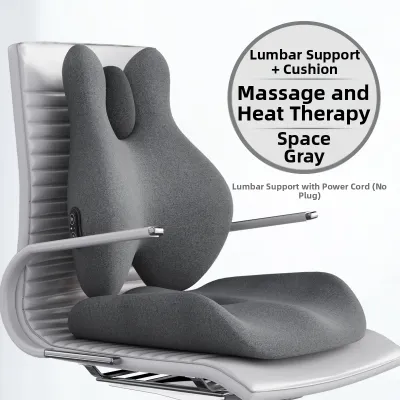
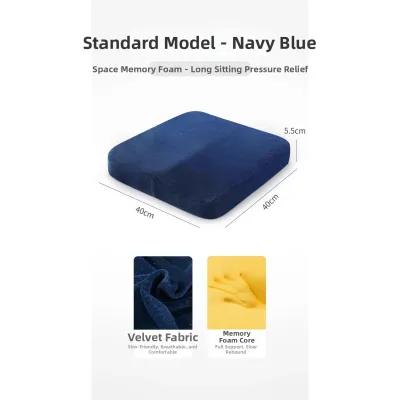
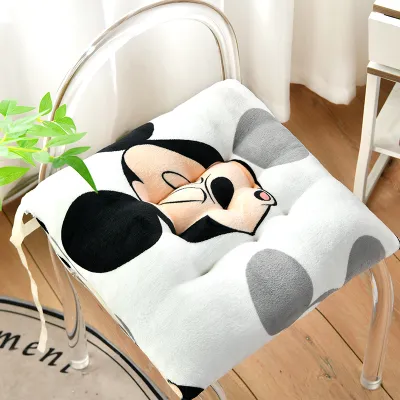
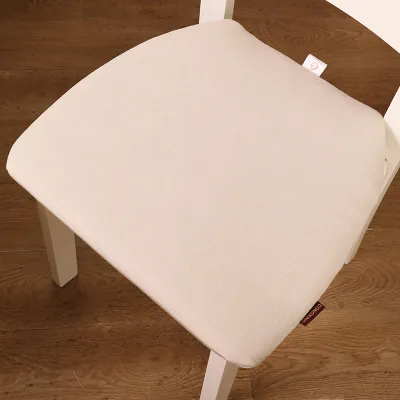
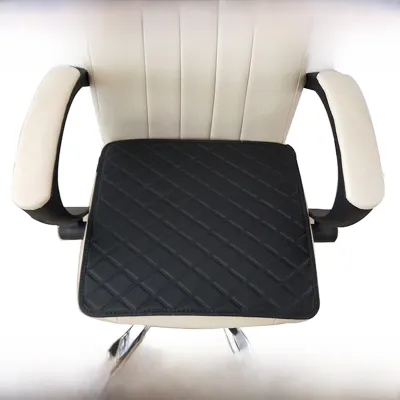
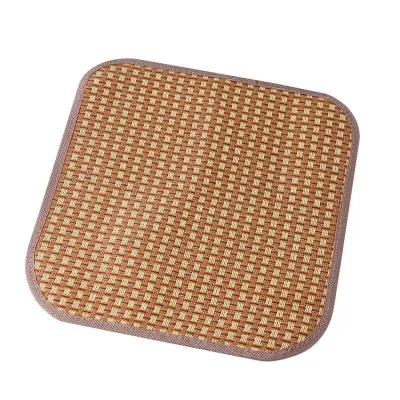
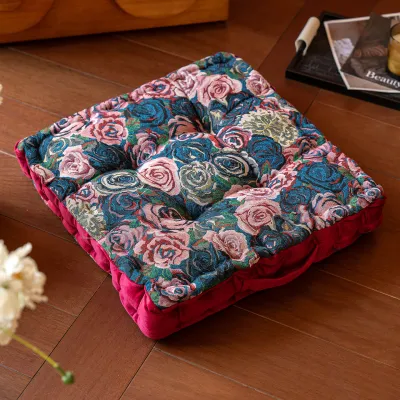
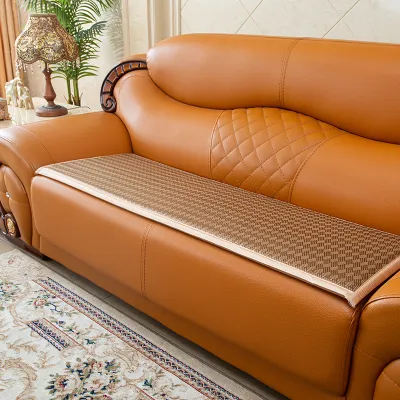
Prices are valid at publication and may change. Please refer to the product page for the latest price.
Memory Foam Chair Cushions: Contouring and Pressure Relief
Memory foam, or viscoelastic polyurethane foam, reacts to both weight and body heat. When you sit on a memory foam chair cushion, the material softens in response to your body temperature, allowing it to mold precisely to your unique anatomy. This contouring effect distributes your body weight evenly across the seat pad, reducing high-pressure points on your sit bones and tailbone.

This deep cradling sensation makes memory foam highly popular for those who experience localized discomfort during long working hours. By filling the gaps between your body and the chair seat, it creates a custom-fit support system that can make hard office chairs feel significantly more forgiving.
However, this temperature-sensitive nature introduces specific trade-offs. Memory foam is inherently dense and tends to trap body heat. In warm or poorly ventilated workspaces, this heat retention can lead to a sweaty, uncomfortable sitting experience over a long workday. While some cushions incorporate cooling gels or ventilated channels, the core material remains prone to warming up.
Additionally, memory foam can lose its supportive structure over hours of continuous compression. If the foam density is too low for your body weight, the cushion may gradually bottom out. When this happens, you lose the pressure-relieving benefits as your body sinks completely through the foam to meet the hard surface of the chair beneath.
Latex Seat Pads: Responsive Support and Breathability
Latex seat pads are manufactured from either natural rubber sap, synthetic rubber, or a blend of both. Unlike memory foam, latex is highly elastic and responsive. Instead of sinking into the material, you sit on top of it. This buoyant quality provides immediate upward resistance, which helps maintain natural spinal alignment and encourages better posture.
For desk workers who move frequently, stretch, or shift their weight throughout the day, latex adapts instantly to every micro-movement. There is no delayed recovery time; the material springs back to its original shape the moment pressure is released. This active support prevents that heavy, “stuck” feeling often associated with deep-contouring foams.
Breathability is another major advantage of latex. The material naturally features an open-cell structure, and most latex cushions are manufactured with pincore ventilation holes. This design allows air to circulate freely through the pad, actively dissipating body heat and moisture. In tropical or humid environments, this superior airflow makes latex a much cooler option for extended sitting.
Despite these benefits, latex has a few limitations. It is generally heavier and less pliable than memory foam, making it slightly more cumbersome to transport between different chairs. Furthermore, individuals with natural latex allergies must exercise caution, ensuring they choose synthetic alternatives or fully encased cushions that prevent direct skin contact.
Head-to-Head Comparison: Memory Foam vs Latex
To choose the right chair cushion seat pad, it is helpful to compare how these materials perform across key daily usability factors.
Pressure Distribution and Feel Memory foam provides a “contouring hug.” It conforms slowly to your shape, absorbing impact and isolating movement. This is highly effective for relieving sharp, localized pressure. Latex, on the other hand, offers a “buoyant lift.” It pushes back against your weight, distributing pressure across a wider surface area without letting you sink deeply.
Temperature Regulation In typical indoor climates, memory foam acts as an insulator, absorbing and retaining your body heat. This can feel cozy in air-conditioned offices but uncomfortably warm in humid rooms. Latex maintains a neutral temperature much more effectively due to its open-cell structure and ventilation channels, making it the superior choice for heat dissipation.
Durability and Compression High-quality latex is exceptionally durable and resists permanent sagging or indentation over years of heavy use. It maintains its springiness even under consistent, long-term compression. Memory foam can also be durable, but its lifespan depends heavily on its density. Low-density memory foam tends to soften permanently and lose its supportive qualities much faster than latex.
| Feature | Memory Foam Cushions | Latex Seat Pads |
|---|---|---|
| Primary Sensation | Deep contouring, sinking hug | Responsive bounce, buoyant lift |
| Pressure Relief | High localized pressure relief | Even weight distribution |
| Heat Retention | High (retains body heat) | Low (highly breathable) |
| Response Time | Slow rebound | Instant rebound |
| Durability | Moderate to high (density dependent) | Exceptionally high |
| Weight | Lightweight and portable | Relatively heavy |
| Maintenance | Spot clean only; do not wet | Spot clean only; protect from UV |
Decision Framework: Choosing Your Ideal Seat Pad
Selecting the right chair cushion seat pad requires matching the material’s characteristics to your physical habits and workspace conditions.
When to Choose Memory Foam Opt for a memory foam cushion if your primary goal is to alleviate sharp pain in specific areas, such as the tailbone (coccyx) or sit bones. It is highly suited for individuals who sit relatively still while working and prefer a soft, enveloping seat that conforms to their body. If your office is consistently air-conditioned, the heat-retaining properties of memory foam are less likely to cause discomfort.
When to Choose Latex Select a latex seat pad if you tend to run hot or work in a warm, humid environment without constant air conditioning. It is also the better option if you frequently stand up, sit down, or shift positions, as the responsive bounce supports active movement. If you prefer a firmer, more supportive surface that assists in maintaining upright posture rather than a plush sink, latex is the ideal match.
Important Pre-Purchase Verifications Before making a decision, verify if you have any material sensitivities, particularly regarding natural latex. Additionally, measure your office chair’s seat depth and width. A thick cushion can reduce the usable depth of your seat, potentially pushing your thighs too far forward or altering how your back rests against the chair’s lumbar support.
Essential Specs to Verify Before Purchase
To ensure your chosen chair cushion seat pad delivers lasting comfort, check these physical specifications on the product label or online listing before buying.
Thickness and Density Look for the cushion’s thickness and density ratings. For memory foam, a higher density (typically measured in kilograms per cubic meter) indicates better support and longevity. Ensure the thickness is sufficient to support your weight without bottoming out, but not so thick that it raises your seating position uncomfortably.
Cover Material and Washability The cover is your direct point of contact. Verify that the cover is made from a breathable fabric, such as mesh or cotton, to help mitigate heat buildup. Ensure the cover features a zipper, allowing it to be easily removed and machine-washed to maintain hygiene over months of daily use.
Base Features and Security A sliding cushion can ruin your posture and cause frustration. Confirm that the seat pad has a non-slip bottom, often featuring small rubberized dots, or adjustable straps to secure it firmly to your specific chair design.
Frequently Asked Questions (FAQ)
Can I wash my memory foam or latex chair cushion?
No, you should generally never machine-wash or submerge the inner core of either a memory foam or a latex cushion. Water can damage the delicate cell structures of these materials, causing memory foam to lose its viscoelastic properties and latex to degrade or tear.
Instead, always use a removable, washable cover to protect the inner core from sweat, spills, and dust. If the inner core does get dirty, spot clean it gently with a damp cloth and a mild detergent. Allow it to air dry completely in a well-ventilated indoor space, keeping it away from direct sunlight and high heat sources, which can cause both materials to crumble.
Will a thick seat pad affect my desk ergonomics?
Yes, adding a thick seat pad will raise your sitting height, which can significantly alter your ergonomic setup. When your hips are raised, your elbows may no longer rest at a comfortable 90-degree angle relative to your desk surface, and your feet may no longer plant flat on the floor.
To maintain proper ergonomics, measure the clearance between your thighs and the underside of your desk before purchasing. After placing the cushion on your chair, adjust your chair’s height downward to compensate for the added thickness. If your chair cannot go any lower and your feet are left dangling, consider using a supportive footrest to keep your posture aligned.
Community discussion
Share your experience or ask a question. Comments are reviewed before publication.