
Choosing between a memory foam cushion and a latex cushion depends on how you prefer your body weight to be supported and the environment where you sit. A memory foam cushion is ideal if you seek deep contouring, targeted pressure relief, and excellent motion isolation. Conversely, a latex cushion is better suited for those who prefer a responsive bounce, natural airflow, and a buoyant, active sitting posture. Before purchasing, always verify your specific allergy profile, weight requirements, and the exact dimensions of your furniture.
Comfort and Support: Evaluating Pressure Relief and Bounce
Memory foam, or viscoelastic polyurethane foam, responds directly to body heat and pressure. It slowly conforms to your unique shape, distributing weight evenly across the surface. This slow-recovery contouring creates a cradling effect that minimizes pressure points on your hips and tailbone, making it highly effective for static sitting.
Latex, on the other hand, is highly resilient and elastic. Instead of sinking deeply into the material, you experience an immediate, buoyant pushback. This responsive support makes it much easier to shift positions and maintain an active sitting posture throughout the day without feeling restricted.
Products mentioned in this guide
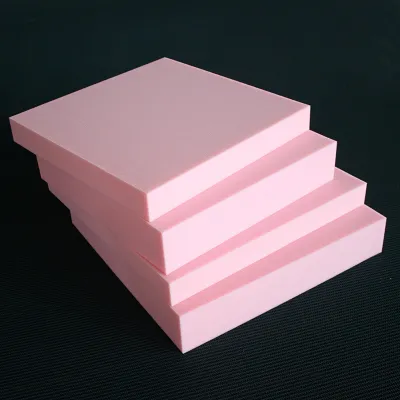
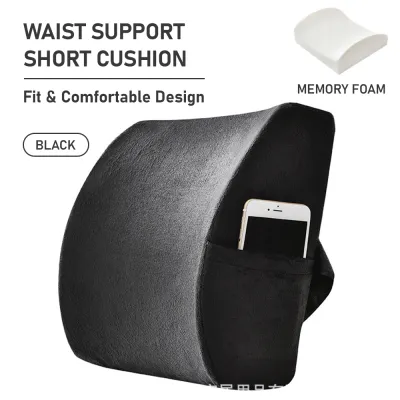
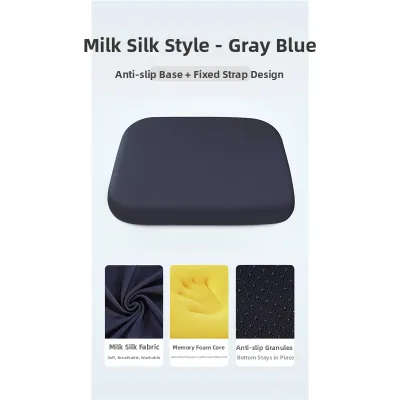
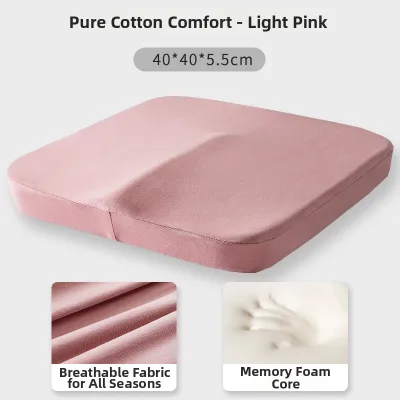
Prices are valid at publication and may change. Please refer to the product page for the latest price.
To find the right balance, look past generic marketing terms like “extra soft” or “ultra firm” on packaging. Instead, check the technical specifications on the product label. Look for density ratings (typically measured in kilograms per cubic meter) and Indentation Load Deflection (ILD) values, which provide an objective measure of firmness.
Your physical build and furniture setup dictate the necessary cushion thickness. A heavier individual or someone using a hard wooden dining chair will require a thicker, higher-density core to prevent bottoming out. Measure your chair’s seat depth and height to ensure the added cushion height does not lift your thighs uncomfortably against the underside of your desk.
Temperature Regulation: Checking Breathability for Your Environment
Heat retention is a common concern, particularly in warm, humid climates like Singapore. Traditional memory foam features a dense, closed-cell structure that tends to trap body heat, which can lead to a warm and sticky seating experience over long hours.

To mitigate this, manufacturers often modify memory foam with open-cell structures or cooling gel infusions. Gel-infused memory foam is designed to conduct heat away from the body temporarily, though its effectiveness depends heavily on the ambient room temperature and the breathability of the outer cover.
Latex naturally excels in temperature regulation due to its open-cell physical structure. Many latex cushions are manufactured with an aerated pinhole design, featuring vertical channels that allow air to circulate freely every time you shift your weight.
When evaluating breathability, do not overlook the cushion cover. A highly breathable core is ineffective if wrapped in a thick, synthetic polyester cover. Look for removable covers made from breathable textiles like cotton, bamboo-derived rayon, or open mesh, which can be easily unzipped and washed to maintain freshness in humid environments.
Durability and Maintenance: What to Verify on the Product Label
A cushion’s lifespan is directly tied to its raw material composition. When shopping, inspect the law label or material composition tag. Memory foam is synthetic, made from polyurethane, while latex can be natural, synthetic, or a blended mix of both. Natural latex generally offers superior longevity and resistance to sagging, but it comes at a higher price point.
Maintenance routines vary significantly between these two materials. Memory foam cores should never be submerged in water or put in a washing machine, as moisture degrades the cellular structure and can lead to mold. Instead, rely on spot-cleaning and ensure the cushion has a fully removable, machine-washable cover.
Latex is similarly sensitive to improper care. While some synthetic blends allow for gentle hand-washing, natural latex must be kept away from direct sunlight, high heat, and harsh chemical detergents. Ultraviolet light rapidly oxidizes latex, causing it to crumble, flake, and lose its elasticity.
Regularly inspect your cushions for signs of wear. Tactile indicators like permanent body indentations that no longer recover, a noticeable loss of support, or physical flaking of the core material signal that it is time for a replacement.
Use Case Scenarios: Matching the Cushion to Your Furniture
- Office Chairs and Desk Work: For those spending long hours at a desk in air-conditioned offices, a memory foam cushion can provide excellent sustained posture support. It molds to your sitting bones, reducing the pressure built up from static sitting. However, if your workspace is not consistently air-conditioned, a latex cushion's superior airflow may prevent discomfort from heat buildup.
- Sofa and Casual Seating: If you are looking to revive a sagging sofa or want comfortable floor seating for casual lounging, latex is often the preferred choice. Its natural bounce and ease of movement allow you to shift positions effortlessly without feeling stuck in a deep impression.
- Travel and Car Seats: Commuters and frequent travelers benefit from lightweight, highly conforming profiles. Memory foam cushions are highly compressible, making them easy to pack into travel bags. They conform well to the contoured seats of cars and airplanes, though they can stiffen significantly in cold environments or soften in hot, parked vehicles.
- Therapeutic and Targeted Support: Individuals managing specific physical discomforts should look for cushions with targeted ergonomic shapes, such as coccyx cutouts or wedge profiles. When evaluating these options, check for recognized ergonomic certifications or medical-grade classifications on the packaging rather than relying on unsupported therapeutic claims.
Frequently Asked Questions (FAQ)
Can I use a memory foam cushion on a soft sofa?
Using a memory foam cushion on an already soft, sagging sofa is generally not recommended. Memory foam requires a firm, stable base to perform correctly; if the underlying sofa suspension is weak, the cushion will simply sink along with the sofa, leading to poor posture and a high risk of bottoming out. To prevent this, check the thickness and density of the cushion, and consider placing a rigid support board under the sofa cushions first.
How do I clean a latex cushion without damaging it?
To clean a latex cushion safely, always separate the removable cover from the inner core. Wash the cover according to the manufacturer’s temperature limits, and only spot-clean the latex core using a damp cloth with mild, diluted soap. Never wring out the latex, expose it to direct sunlight, or use a tumble dryer, as high heat and UV rays will cause the material to degrade and crumble.
Do memory foam and latex cushions require a break-in period?
Yes, both materials can experience a brief adjustment phase, though they behave differently. New memory foam cushions often arrive compressed and may require 24 to 48 hours to fully expand and dissipate any harmless manufacturing odors (off-gassing). Latex cushions, by contrast, expand almost instantly and offer immediate responsiveness, though the user may still take a few days to adapt to the buoyant support style compared to traditional fiber-filled cushions.
Community discussion
Share your experience or ask a question. Comments are reviewed before publication.