
Choosing the right floor cushion pad depends heavily on your physical posture, sitting duration, and how your body responds to heat and pressure. For those who require deep pressure relief and contouring support, memory foam adapts closely to the body’s shape, though it tends to retain warmth. Natural or synthetic latex offers a highly responsive, springy bounce that prevents you from sinking too deep while facilitating excellent airflow, making it highly suitable for warm climates. Traditional cotton provides a firmer, more breathable, and classic seating experience, though it requires regular fluffing to combat natural compression over time. Evaluating these materials involves balancing support needs against heat dissipation, weight, and long-term maintenance.
Observable Traits of Memory Foam, Latex, and Cotton Fillings
Memory foam, or viscoelastic polyurethane foam, is characterized by its slow recovery rate after pressure is applied. When you press your hand into a memory foam floor cushion pad, the material retains the impression for several seconds before gradually returning to its original shape. This contouring behavior allows the cushion to distribute body weight evenly across the surface, reducing pressure points on the tailbone and hips. However, the dense cellular structure of memory foam naturally traps body heat, which can lead to a warmer seating surface during extended sessions. When examining product labels, look for density specifications, typically measured in kilograms per cubic meter; higher density often indicates better structural support and longevity, while lower density may feel softer but compress more rapidly.
Latex foam is highly resilient and instantly springs back to its original shape when pressure is released. This responsiveness prevents the sensation of feeling “stuck” in one position, allowing you to shift your posture easily during long study or meditation sessions. Most latex cushions feature a pincore ventilation pattern—small, molded holes throughout the material—which significantly enhances breathability and heat dissipation. This makes latex an appealing option for humid environments where heat buildup is a concern. In terms of physical handling, latex is noticeably heavier and less pliable than memory foam or cotton, which can make moving or storing larger cushions more physically demanding.
Products mentioned in this guide
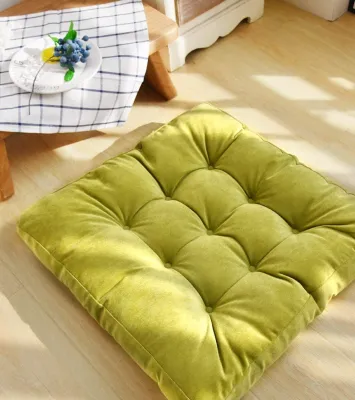
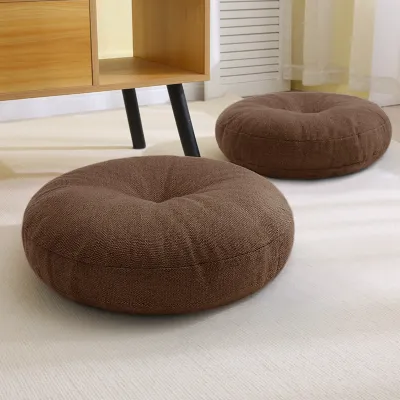
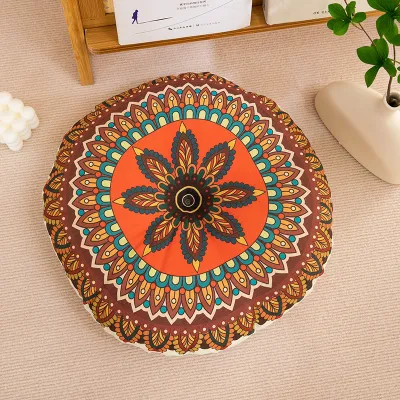
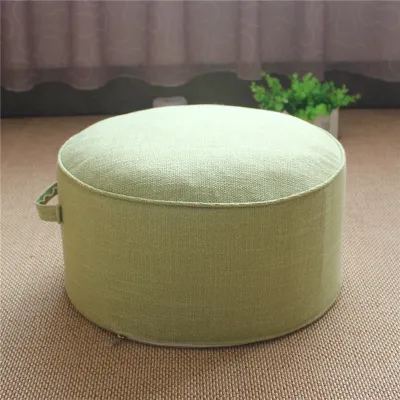
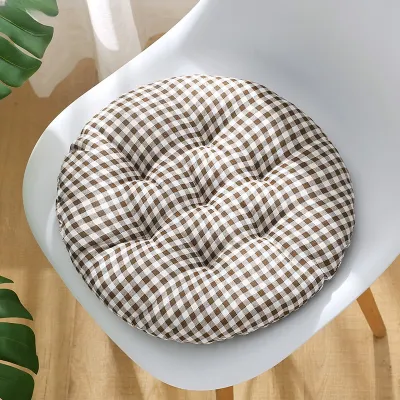
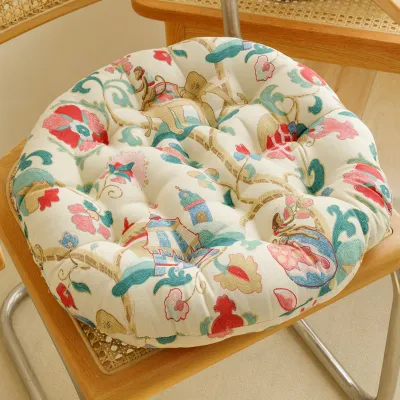

Prices are valid at publication and may change. Please refer to the product page for the latest price.
Cotton fillings represent the traditional approach to floor seating, utilizing layered natural fibers to create a dense, supportive barrier against hard floors. Unlike foam, cotton does not contour to the body or spring back dynamically; instead, it offers a solid, stable surface that gradually compresses under weight. Over days or weeks of continuous use, the cotton fibers pack down, resulting in a firmer feel that requires manual intervention to restore loft. The natural breathability of cotton fibers allows air to circulate freely, preventing the damp, sticky feeling often associated with synthetic materials. When inspecting a cotton cushion, look for tufting or stitching across the surface, as these details help keep the internal fibers from shifting and clumping.
Core Decision Factors for Extended Floor Sitting
Sitting on the floor places unique mechanical stress on the lower back, pelvis, and tailbone, as there is no chair frame to absorb your weight. A floor cushion pad must provide sufficient thickness and density to prevent “bottoming out”—a state where the cushion compresses completely, leaving your bones resting directly against the hard floor. High-density memory foam excels at distributing pressure away from bony prominences, but it requires a minimum thickness to remain effective under full body weight. Latex provides a firm upward push that keeps the pelvis aligned without sinking too deep, making it highly effective for maintaining active sitting postures. Cotton cushions must be exceptionally thick or tightly packed to offer comparable support, as the fibers naturally yield to gravity over time.

In warm or humid indoor environments, such as those found in Singapore, temperature regulation is a critical factor for comfort during long sitting sessions. Memory foam’s temperature-sensitive nature means it softens with body heat but also traps that heat close to your skin, which can cause discomfort during extended use. Latex, particularly natural latex with open-cell structures and ventilation holes, allows warm air to escape and cooler air to circulate. Cotton fibers naturally absorb moisture and allow it to evaporate, keeping the seating surface dry and cool, provided the outer cover is also made of a breathable fabric like linen or cotton canvas.
The lifespan of a floor cushion pad is directly tied to its material’s resistance to permanent deformation. High-quality latex is highly durable, resisting sagging and maintaining its springy support for years under normal use. Memory foam also offers good durability, though lower-density variants can develop permanent indentations where you sit most frequently. Cotton is the most prone to permanent compression; without regular maintenance, a cotton cushion will eventually flatten into a hard mat. Checking manufacturer warranties and care labels can provide valuable clues about expected durability, as brands offering longer guarantees typically use higher-grade raw materials.
If you live in a compact apartment or frequently reconfigure your living space, how easily you can move and store your cushion is a major consideration. Cotton cushions are often highly flexible, allowing them to be rolled up, folded, or tucked into closets with minimal effort. Memory foam cushions can be rolled if they are relatively thin, but thicker, high-density models can be bulky and awkward to handle. Latex is the least portable option due to its substantial weight and floppy, rubbery texture, making it better suited for a dedicated, permanent floor-sitting spot rather than a multi-purpose setup that requires daily packing away.
Material Comparison Matrix
| Material | Support Type | Temperature Feel | Weight | Maintenance Requirements |
|---|---|---|---|---|
| Memory Foam | Deep contouring, pressure-relieving | Warm, retains body heat | Moderate | Spot clean core, wash removable cover |
| Latex | Responsive, springy, active alignment | Cool, highly breathable | Heavy | Protect from direct sunlight, wash cover |
| Cotton | Firm, traditional, stable | Cool, moisture-wicking | Light | Requires regular fluffing and shaking |
When shopping for a floor cushion pad, always verify the specific product labels rather than relying solely on general material assumptions. Manufacturers often blend materials or use different production methods that can alter these baseline characteristics. For example, some memory foam cushions are infused with gel particles to help mitigate heat retention, while some cotton cushions include synthetic polyester cores to improve resilience.
Actionable Checklist for Selecting Your Floor Cushion Pad
- Assess Your Flooring: Identify if your floor is hard tile, polished parquet, vinyl, or carpeted. Harder surfaces like ceramic tiles require a thicker, denser cushion (typically at least 5 to 8 centimeters) to prevent bottoming out, while carpeted floors offer some natural give, allowing for thinner pads.
- Check the Density and Thickness Specs: Look closely at the product specifications. For memory foam, aim for a density of at least 50 kg/m³ for adult use. For latex, verify whether it is natural, synthetic, or a blend, as natural latex generally offers superior breathability.
- Examine the Cover Material: Ensure the outer cover is removable and washable. Look for breathable, durable fabrics such as cotton canvas, linen, or heavy-duty polyester blends that can withstand the friction of being dragged across floor surfaces.
- Review Return Policies and Trial Periods: Because comfort is highly subjective, check if the retailer offers a trial period or a flexible return policy, especially when purchasing online without the opportunity to test the cushion in-store.
Maintaining Support and Comfort Over Time
To preserve the structural integrity of your floor cushion pad, establish a regular maintenance routine tailored to its specific material. For cotton cushions, daily or weekly fluffing and shaking are essential to redistribute the compressed fibers and restore loft. Memory foam and latex cushions cannot be fluffed, but they should be rotated and flipped regularly to ensure even wear across the surface.
Always consult the manufacturer’s care tag before attempting to clean your cushion. While most outer covers can be machine washed on a gentle cycle, the inner foam cores—both memory foam and latex—should never be submerged in water or placed in a dryer, as moisture can trap mold and heat can degrade the physical structure of the foam. If a spill occurs, spot-clean the foam gently with a damp cloth and mild soap, then allow it to air dry completely in a well-ventilated area away from direct sunlight, which can cause latex to crumble and memory foam to discolor.
Frequently Asked Questions (FAQ)
Can I combine different materials for better support?
Yes, combining materials is a practical way to balance comfort and support. Many manufacturers offer hybrid floor cushions that feature a firm latex or high-density foam base to prevent bottoming out, topped with a softer layer of memory foam or cotton for surface comfort. If you are stacking separate pads yourself, place the firmest, most supportive cushion on the bottom and the softer, contouring pad on top. Always ensure the covers or surfaces have enough friction to prevent the layers from sliding apart during use.
How thick should a floor cushion pad be for long sitting sessions?
The ideal thickness depends on your body weight and the hardness of your floor. For extended sitting sessions on hard surfaces like tile or concrete, a floor cushion pad should generally be at least 5 to 10 centimeters thick to ensure adequate support. On softer surfaces like carpet or wood parquet, a thickness of 3 to 5 centimeters may be sufficient. When reading product specifications, look for the compressed height rather than just the lofted height, as highly compressible materials like low-density cotton will flatten significantly under weight.
Community discussion
Share your experience or ask a question. Comments are reviewed before publication.