
Finding the right chair pad cushion is essential for maintaining comfort and posture, whether you are working from a home office or enjoying a long meal at the dining table. The right cushion acts as a vital buffer between your body and the hard surface of your chair, distributing weight and reducing physical strain. However, with memory foam, latex, and cotton dominating the market, choosing the right material can be challenging. Each material possesses distinct physical properties that dictate how it reacts to pressure, temperature, and daily wear.
By understanding how these materials compare in terms of support, durability, and breathability, you can make an informed decision that aligns with your daily sitting habits and your home environment.
Quick Answer: Choosing Your Ideal Chair Pad Cushion Material
To help you identify the most suitable material based on your primary sitting needs and physical preferences, consider this quick summary:
Products mentioned in this guide
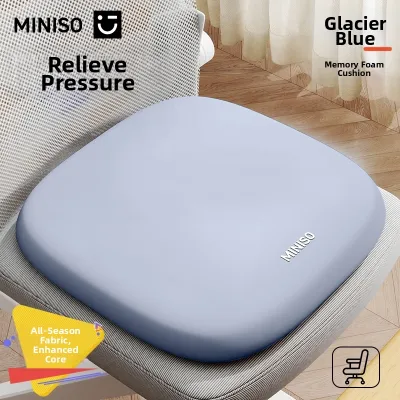
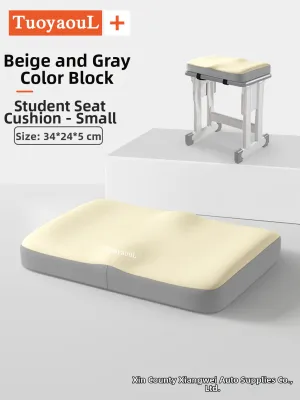
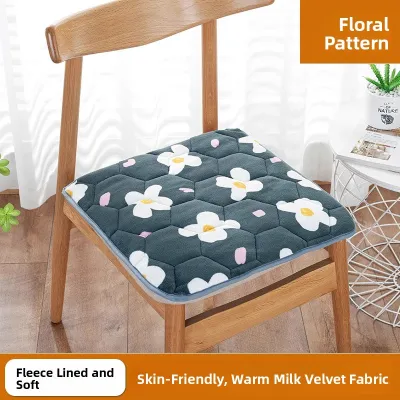
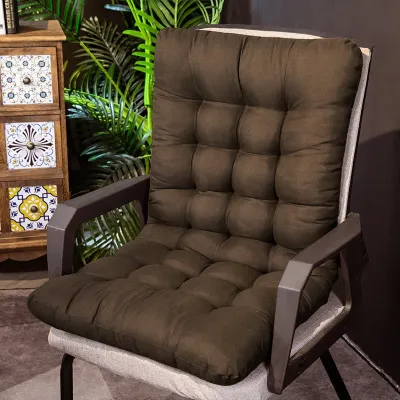
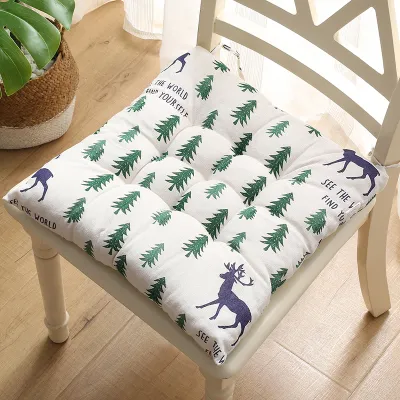
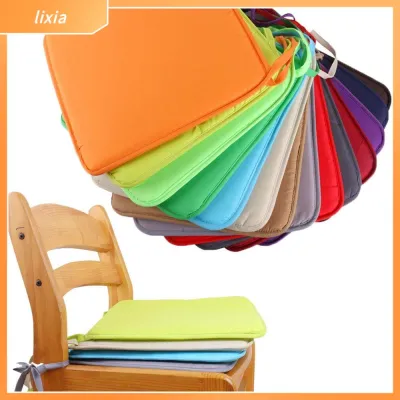
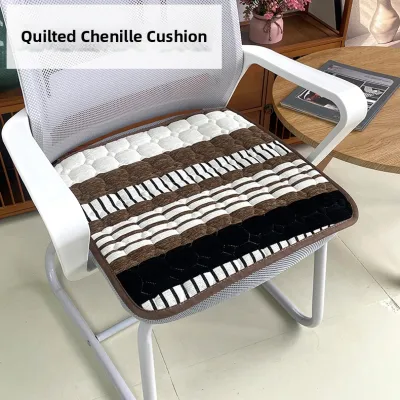
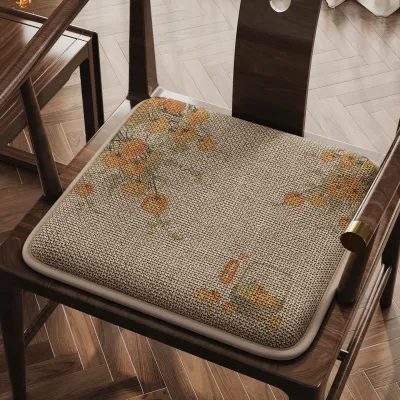
Prices are valid at publication and may change. Please refer to the product page for the latest price.
- Memory Foam: Choose this material if you require deep, contouring pressure relief. It is highly suited for individuals who sit for long, uninterrupted hours and need customized support that molds to their unique body shape.
- Latex: Select this option if you prefer a responsive, springy feel. Latex provides excellent buoyant support that keeps you lifted, resists sagging, and offers superior natural ventilation.
- Cotton: Opt for cotton if you favor natural fibers, traditional firmness, and maximum breathability. It is ideal for casual, short-term sitting and environments where synthetic materials are not preferred.
Keep in mind that the ultimate comfort of any chair pad cushion is also determined by its overall thickness, the density of the filling, and the quality of the outer cover fabric.
Understanding Memory Foam, Latex, and Cotton Fillings
Memory foam, or viscoelastic polyurethane foam, is engineered to respond to both weight and temperature. When you sit on a memory foam cushion, your body heat softens the material, allowing it to sink and conform precisely to your contours. This creates a highly personalized seating surface. However, because of its dense, closed-cell structure, memory foam naturally tends to retain heat, which can sometimes lead to a warm seating experience during extended use.

Latex is a highly resilient elastomer that can be sourced naturally from the sap of rubber trees or manufactured synthetically. Many commercial cushions utilize a blend of both to balance durability and cost. Latex is characterized by its open-cell structure, which allows air to circulate freely through the material. Unlike memory foam, latex does not rely on body heat to soften; it responds instantly to pressure with an active upward rebound, providing a buoyant sensation that prevents you from feeling stuck.
Cotton is a classic, plant-based fiber filling that has been used in upholstery for centuries. In chair pad cushions, cotton is typically layered as compressed batting. It does not possess the chemical elasticity or “memory” of synthetic foams, meaning it does not bounce back or contour to your body shape in the same manner. Instead, cotton offers a straightforward, dense, and breathable support system that gradually packs down and conforms to the general shape of the seat over time.
Comparing Comfort, Support, and Shape Retention
Comfort is highly subjective, but pressure distribution is a key physical factor. Memory foam excels at pressure redistribution by spreading your body weight across a larger surface area, which significantly reduces pressure hot spots on your tailbone and hips. Latex offers a different kind of comfort, characterized by immediate pressure relief without the deep, enveloping sink. It supports the body by distributing weight evenly across its elastic surface, making it easier to shift positions. Cotton provides a soft, plush feel initially, but because it lacks elastic recovery, it can feel quite firm once your body weight fully compresses the fibers.
Support refers to a cushion’s ability to keep you from “bottoming out”—the uncomfortable point where the cushion compresses completely, and you feel the hard chair beneath you. Thin or low-density cushions of any material are prone to bottoming out. High-density memory foam provides excellent deep support, but it requires sufficient thickness to prevent complete compression. Latex is naturally highly resistant to bottoming out due to its inherent elasticity; it pushes back against weight, maintaining a supportive barrier even during long sitting sessions. Cotton cushions, while initially supportive, will inevitably compress under sustained weight, offering less structural support over time.
Longevity and shape retention are critical for determining the long-term value of your chair pad cushion. Latex is widely regarded as the most durable of the three materials, maintaining its springiness and structural integrity for years without sagging. High-density memory foam also boasts impressive longevity, though lower-density versions may develop permanent indentations over time. Cotton cushions have the shortest lifespan in terms of shape retention; the natural fibers pack down tightly with daily use, leading to permanent flattening and lumping that cannot be easily undone.
Matching Materials to Your Sitting Habits and Climate
Your daily routine and local environment should heavily influence your choice of chair pad cushion. If you spend eight or more hours a day at a desk, ergonomic support is paramount. In this scenario, a high-density memory foam or latex cushion is highly recommended to support your posture and prevent fatigue. For dining chairs or kitchen stools, where sitting periods are shorter and social, cotton cushions are often preferred for their casual aesthetic, ease of handling, and traditional comfort.
Climate plays a massive role in how these materials perform, particularly in warm and humid regions like Singapore. High humidity and elevated temperatures can make heat-retaining materials highly uncomfortable. Memory foam’s tendency to trap heat can lead to a sweaty seating experience unless it is paired with a breathable mesh cover or features cooling gel formulations. Latex, with its open-cell design, allows for much better airflow, keeping the seating surface cooler. Cotton is exceptionally breathable and does not trap heat, but it is highly absorbent; it can absorb sweat and ambient moisture from the air, meaning it requires regular airing out to prevent musty odors and mold growth.
Before purchasing, you must also consider chair compatibility. A cushion that is too thick can alter your ergonomic setup, raising your seating height to the point where your feet no longer rest flat on the floor or your knees hit the underside of your desk. Measure your chair seat carefully and compare it to the cushion’s dimensions. Additionally, look for practical attachment features; wooden or plastic chairs benefit greatly from cushions with non-slip rubber backings or sturdy fabric ties to prevent the pad from sliding around as you move.
Pre-Purchase Checklist: Specs, Covers, and Care Instructions
To ensure you are getting a high-quality product, always verify the manufacturer’s specifications rather than relying on vague marketing claims. Look for details regarding the core density and exact thickness of the cushion. For foam cushions, a higher density generally translates to better support and longer life. Ensure the material composition is clearly stated, especially if you are seeking 100% natural latex or organic cotton.
The outer cover is just as important as the inner filling, as it dictates the cushion’s breathability and ease of maintenance. Prioritize covers made from breathable, durable fabrics such as cotton canvas, linen, or engineered 3D spacer mesh. A removable cover with a sturdy, concealed zipper is highly desirable, as it allows you to wash the cover regularly without exposing the delicate inner filling to the washing machine.
Finally, carefully review the care labels to understand the maintenance boundaries of your chosen material. Improper cleaning can cause irreversible damage. For example, exposing natural latex to direct sunlight can cause it to degrade and crumble, while washing solid memory foam can trap moisture inside, leading to internal mold growth and structural breakdown. Knowing these care requirements beforehand will help you maintain your cushion’s comfort and hygiene for years to come.
Frequently Asked Questions (FAQ)
Can I wash memory foam or latex chair pad cushions in a washing machine?
No, solid memory foam and latex fillings should never be submerged in water or put through a washing machine cycle. The mechanical agitation can tear the foam, and water gets trapped inside the dense or open-cell structures, leading to mold, mildew, and rapid material breakdown. Instead, remove the outer cover for machine washing, and spot-clean the inner foam gently with a damp cloth and mild soap if necessary, allowing it to air dry completely away from direct sunlight.
How do I know if my cotton cushion needs to be replaced?
Cotton cushions need replacement when they show signs of permanent flattening, uneven lumping, or a complete loss of foundational support. If you can feel the hard surface of the chair directly beneath you despite fluffing the cushion, the fibers have compressed beyond their useful life. Sitting on a completely flattened cushion can lead to poor posture and discomfort during extended use.
Community discussion
Share your experience or ask a question. Comments are reviewed before publication.