
Selecting the ideal chair cushion (椅垫) is a highly personal decision that directly impacts your daily comfort, posture, and long-term spinal health. There is no single material that reigns supreme for every individual; instead, the correct choice depends on your physical needs, how long you sit, and your local environment.
To find the right balance of support and comfort, you must evaluate how different materials react to pressure and temperature. Memory foam excels at deep contouring and targeted pressure relief, making it excellent for localized pain. Latex provides responsive, buoyant support with natural breathability, keeping your pelvis properly aligned without a sinking sensation. Gel and gel-grid structures prioritize heat dissipation and dynamic airflow, which are crucial for maintaining comfort during long sitting sessions.
Understanding how these materials function under real-world conditions will help you select a cushion that matches your specific chair, body type, and daily routine. By examining the structural science behind each option, you can make an informed decision that prevents fatigue and discomfort.
Products mentioned in this guide
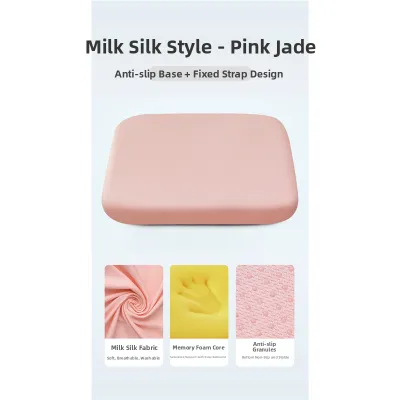
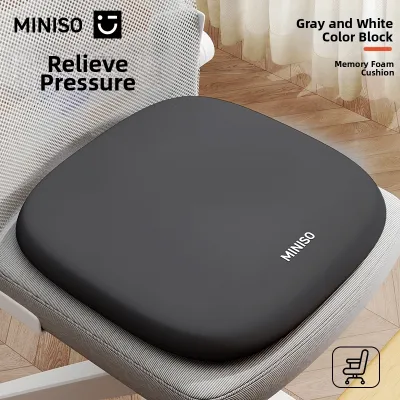
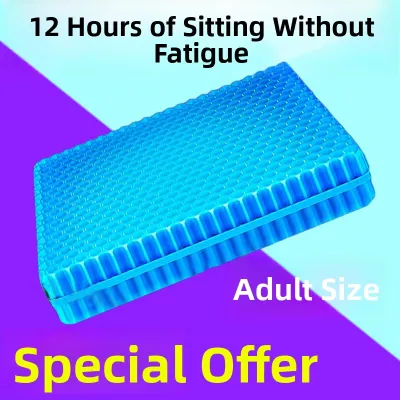
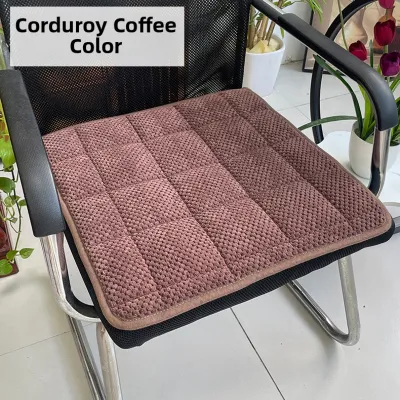
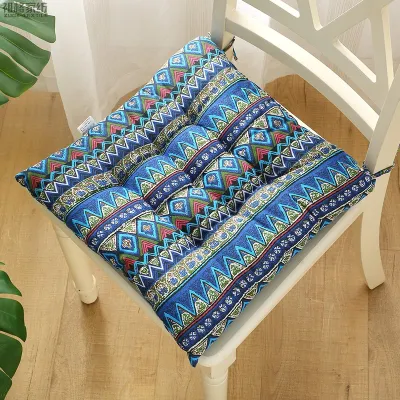
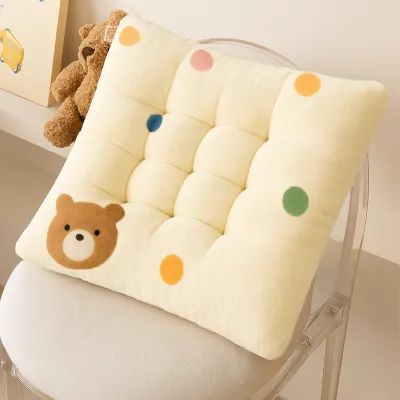
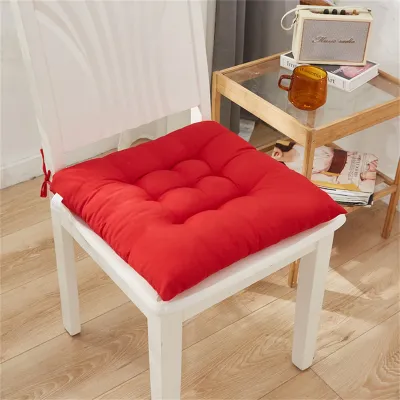
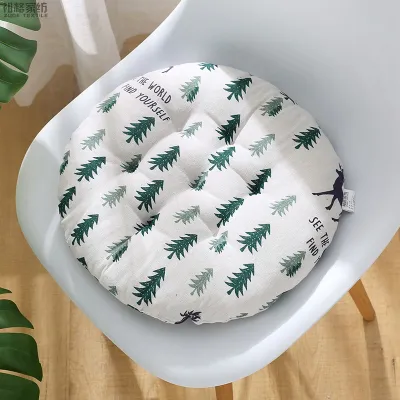
Prices are valid at publication and may change. Please refer to the product page for the latest price.
Understanding the Core Materials
Before comparing how these materials perform under daily use, it is essential to understand their physical composition and structural mechanics. Each material behaves differently under body weight, and these differences dictate how they support your skeletal structure.
Memory Foam (Viscoelastic Polyurethane)
Memory foam is made of polyurethane treated with chemicals to increase its density and viscosity, resulting in a material known as viscoelastic foam. This material is uniquely characterized by its sensitivity to both weight and temperature. When you sit on a memory foam cushion, your body heat softens the foam, allowing it to compress and mold precisely to the shape of your sit bones and thighs.
This close contouring distributes your body weight across a wider surface area, minimizing localized pressure points. However, the material has a slow response time, meaning it retains your physical impression for a few seconds after you shift positions. While this provides a highly customized and stable cradle, the dense cellular structure of traditional memory foam naturally traps air, making it prone to retaining body heat over long periods.
Natural and Synthetic Latex
Latex foam is produced from the sap of rubber trees (natural latex) or created through synthetic chemical processes (synthetic latex). During manufacturing, the liquid latex is whipped into a foam and baked using either the Dunlop or Talalay process. The Dunlop process results in a denser, slightly firmer foam that is heavier at the bottom, while the Talalay process creates a highly uniform, lighter, and more aerated structure.
Unlike memory foam, latex is highly resilient and elastic, offering an immediate “push-back” sensation when compressed. This buoyant quality prevents you from sinking too deeply into the cushion, keeping your body elevated and making it much easier to stand up or shift positions. Additionally, latex features an open-cell structure that naturally allows air to circulate, preventing heat from becoming trapped within the core of the cushion.
Gel and Gel-Infused Cushions
In the chair cushion market, “gel” rarely refers to a solid, heavy block of pure gel. Instead, it typically describes one of two designs: gel-infused memory foam or molded thermoplastic elastomer (TPE) grid structures. Gel-infused foam incorporates tiny gel beads or liquid gel layers into standard memory foam to improve its thermal conductivity and delay heat buildup.
Conversely, gel-grid cushions are molded from solid TPE into a hollow, repeating geometric pattern, such as a honeycomb or square matrix. This engineering leverages column-buckling technology, where the walls of the grid stand firm to support light loads but buckle under heavy pressure points, such as your tailbone. This design provides targeted, flexible support that adapts instantly to movement while leaving the vast majority of the cushion’s volume open for continuous, unobstructed airflow.
Comparing Support, Comfort, and Durability
To determine which material is best suited for your daily routine, you must evaluate how they perform across key physical dimensions. Support, thermal comfort, and physical longevity are the primary factors that dictate whether a cushion will remain effective over time.

Support and Pressure Relief
Support and pressure relief are closely related but achieved through different physical mechanisms. Memory foam provides exceptional pressure relief by conforming completely to your anatomy. By cradling the ischial tuberosities (sit bones) and the coccyx (tailbone), it eliminates the sharp pressure spikes that often cause numbness or soreness during prolonged sitting. However, because it conforms so deeply, it offers less structural pelvic support, which can sometimes lead to a slumped posture if the foam is too soft.
Latex provides superior structural support by keeping your pelvis in a neutral, active alignment. The natural elasticity of the material resists deep compression, distributing your weight while preventing your hips from sinking below your knees. This buoyant elevation helps maintain the natural inward curve of your lower spine, reducing strain on your lumbar discs. For individuals who struggle with lower back stiffness or find it difficult to maintain an upright posture, the active support of latex is highly beneficial.
Gel-grid structures offer a unique middle ground by combining localized pressure relief with overall structural stability. When you sit on a TPE grid, the columns directly beneath your sharpest pressure points buckle to relieve stress on your tailbone, while the surrounding columns remain upright to support your thighs and hips. This prevents the “hammocking” effect where a soft cushion sags completely under your weight.
Your body weight is a critical factor when choosing between these materials. Lighter individuals may not exert enough force to compress firm latex or activate the column-buckling mechanism of a gel grid, making memory foam feel more comfortable. Conversely, heavier individuals (typically over 80 kg) may quickly bottom out on standard memory foam, compressing it completely until they are sitting against the hard surface of the chair beneath. For these users, high-density latex or robust gel-grid cushions provide the necessary resistance to keep them properly suspended.
Comfort and Temperature Regulation
Temperature regulation is a critical comfort factor, particularly for those sitting for extended periods in warm or humid climates like Singapore. Traditional memory foam is a highly efficient insulator. Because it requires body heat to soften and conform, it naturally absorbs and retains that heat, which can quickly lead to a warm, humid microclimate between your body and the seat.
Latex performs significantly better in terms of temperature regulation. Its open-cell molecular structure, combined with the ventilation holes molded into the cushion during the manufacturing process, allows body heat to escape passively. This natural breathability keeps the sitting surface closer to room temperature, preventing the clammy sensation associated with synthetic foams.
Gel-grid cushions offer the highest level of thermal comfort. Because the TPE grid is mostly empty space, air can flow freely beneath you with every movement. The material itself has a high thermal conductivity, meaning it absorbs heat from your body and dissipates it rapidly into the surrounding air. While it does not actively refrigerate, it prevents heat buildup more effectively than any foam material.
It is important to remember that the cushion’s outer cover plays a major role in overall thermal comfort. Even the most breathable latex or gel-grid core will trap heat if it is encased in a thick, non-breathable polyester or velvet cover. To maximize the cooling properties of your cushion, look for covers made of high-performance athletic mesh, breathable cotton, or moisture-wicking synthetic blends.
Durability, Maintenance, and Lifespan
Investing in a quality chair cushion requires understanding how the material will age under daily compression. Memory foam is highly susceptible to material fatigue. Over months of continuous use, the polymer chains can break down, causing the foam to soften permanently and lose its ability to rebound. This degradation is often accelerated by humidity and body moisture, which can cause cheaper memory foam to sag and lose its supportive qualities within a year or two.
High-quality natural latex is exceptionally durable and highly resistant to permanent indentations. Its natural elasticity allows it to bounce back to its original shape consistently, even after years of heavy daily use. While natural latex is typically more expensive initially, its long lifespan often makes it a more cost-effective choice over time.
Gel-grid cushions made of high-quality TPE are also incredibly resilient. The material is highly durable, does not dry out or crack easily, and completely resists permanent compression set. Unlike foam, which can lose its structural integrity when exposed to moisture, TPE is completely waterproof and impervious to sweat.
Proper maintenance is essential to preserve the life of your cushion. Foam and latex cores should never be machine washed, submerged in water, or wrung out, as moisture will destroy their delicate cellular structures and promote mold growth. Instead, you should protect the core with a removable, machine-washable outer cover. If the core itself becomes soiled, refer to the manufacturer’s care instructions; typically, you should gently spot clean the area with a damp cloth and mild detergent, then allow it to air dry completely in a well-ventilated, shaded area away from direct sunlight and high heat.
Material Comparison at a Glance
To help you quickly evaluate your options, the table below summarizes the key performance characteristics of each primary cushion material using relative, descriptive terms.
| Material Type | Support Feel | Heat Retention | Responsiveness | Ideal User Profile |
|---|---|---|---|---|
| Memory Foam | Deeply contouring, cradling | High | Slow | Users seeking maximum pressure relief for tailbone pain who prefer a soft, sinking sensation. |
| Latex | Buoyant, elevated, springy | Low | Fast | Users wanting active postural support, natural breathability, and long-lasting durability. |
| Gel / TPE Grid | Structured, adaptive, firm | Very Low | Instant | Users who struggle with overheating, sit for long hours, or prefer a highly responsive feel. |
How to Choose the Right 椅垫 (Chair Cushion) for Your Needs
To make a final decision, you must match the physical properties of these materials to your specific body type, sitting habits, and workspace configuration. Use this conditional framework to guide your choice:
- Choose Memory Foam if: You require deep, localized pressure relief to alleviate sharp tailbone pain, prefer a soft and highly contoured sitting surface, and are working with a moderate budget (typically S$30 to S$60).
- Choose Latex if: You want a natural, highly durable material that keeps your pelvis elevated and aligned, prefer a responsive and springy feel over a sinking sensation, and are willing to invest more (typically S$70 to S$120+) for long-term durability.
- Choose Gel/Grid if: You work in warm or non-air-conditioned environments and suffer from overheating, sit for long hours without breaks, and prefer a modern, highly responsive material that does not restrict your movement.
Verify First: Dimensions and Ergonomic Compatibility
Before purchasing any chair cushion (椅垫), you must verify that it is physically compatible with your existing chair and workspace. Adding a cushion will alter the ergonomics of your seating setup, and failing to account for these changes can lead to unintended physical strain.
Measure the Seat Pan: Measure the width and depth of your chair’s seat before buying. A cushion that is too large will overhang the edges, causing it to slide or tilt, which destabilizes your posture. A cushion that is too small will leave your thighs unsupported and can create uncomfortable pressure ridges along the edges.
Assess Seating Height: Adding a thick cushion (typically 5 to 10 cm) will raise your hips relative to the floor and your desk. If your chair’s height is not adjustable, this can cause your feet to dangle, placing pressure on the undersides of your thighs and restricting circulation. Ensure you can lower your chair’s pneumatic cylinder sufficiently so that your feet remain flat on the floor with your knees bent at a 90-degree angle.
Check Lumbar and Armrest Alignment: Raising your seating position will change where your body contacts the chair’s built-in support systems. Your lower back may no longer align with the chair’s lumbar support curve, and your elbows may sit too high or too low relative to the armrests and desk. If you use a highly engineered ergonomic office chair, a thick aftermarket cushion can sometimes interfere with the chair’s intended design. In such cases, a thinner, high-density cushion is often a safer choice to preserve the chair’s original ergonomic geometry.
Frequently Asked Questions (FAQ)
Can I use a thick memory foam cushion on a mesh office chair?
Yes, but you must proceed with caution. Mesh office chairs are engineered to suspend your weight across a flexible, tensioned fabric. Adding a thick, heavy memory foam cushion can alter the tension of the mesh and raise your seating height significantly. This change in height can mismatch your body with the chair’s built-in lumbar support and armrests. If you choose to use a cushion, select a thinner, high-density model and ensure you can adjust your chair’s height and armrests to maintain proper ergonomic alignment.
Are gel cushions actually cold to the touch?
No, gel cushions do not actively refrigerate your body. Instead, they feel cool initially because thermoplastic elastomer (TPE) has a high thermal conductivity, allowing it to draw heat away from your body faster than foam. Over time, the gel material will gradually warm up to match your body temperature. However, because the open grid design allows air to circulate freely, it prevents the intense heat and moisture buildup associated with traditional solid foam cushions, maintaining a comfortable, neutral temperature.
How do I clean a latex or memory foam cushion core if it gets stained?
You must never submerge a memory foam or latex core in water, put it in a washing machine, or dry it in a clothes dryer. High heat and mechanical agitation will permanently destroy the cellular structure of these materials. If a stain occurs, remove the outer cover and gently spot clean the core using a damp cloth and a very small amount of mild, diluted detergent. Afterward, press a dry towel against the area to absorb excess moisture, and let the core air dry completely in a well-ventilated, shaded indoor area. Always defer to the manufacturer’s specific care label instructions.
Community discussion
Share your experience or ask a question. Comments are reviewed before publication.