
Quick Answer: Which Chair Cushion Material is Best for You?
Selecting the ideal chair cushion is not about finding a universally superior product; instead, it is about aligning a material’s physical properties with your unique sitting habits, body weight, and working environment. The right choice can dramatically improve your daily comfort, posture, and productivity, while the wrong one can lead to increased fatigue and discomfort.
For individuals who sit relatively still for long stretches and require deep, body-conforming support to relieve targeted pressure on the tailbone and hips, memory foam is the premier choice. If you prefer a highly responsive, bouncy surface that supports active sitting, allows you to shift positions effortlessly, and offers natural ventilation, a latex cushion is highly recommended. For those working in warm, humid climates like Singapore, where heat retention is a major concern, a gel-infused memory foam cushion provides an excellent hybrid solution, combining the pressure-relieving benefits of foam with active heat dissipation.
Understanding the Core Materials: Memory Foam, Latex, and Gel
To make an informed decision, it is essential to understand the material science behind these three common cushion components. Each material possesses distinct structural characteristics that dictate how it responds to pressure, body heat, and physical movement over time.
Products mentioned in this guide
![[SG INSTOCK] Seat Cushion Memory Foam Orthopedic Pressure Relief Car Home Soft Office Chair Pad Wheelchair for Tailbone Sciatica Back Pain Relief](https://img.lazcdn.com/g/p/005adf43d933a7c5edf0e3585d56492d.jpg_400x400q80.jpg_.webp)
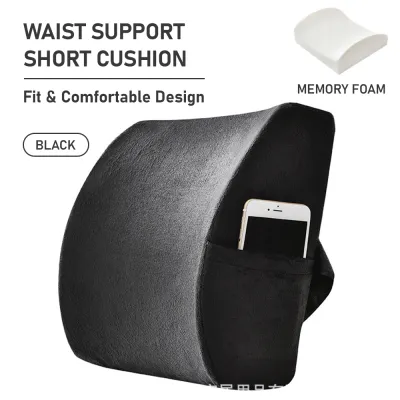
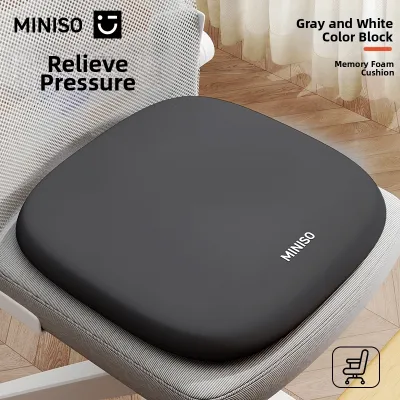
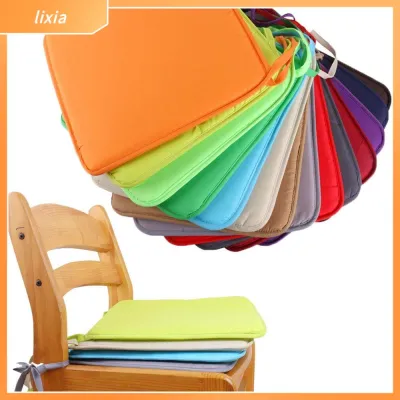
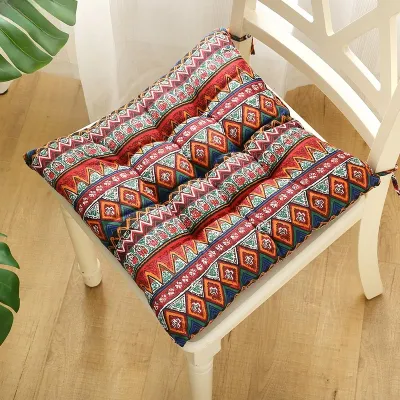
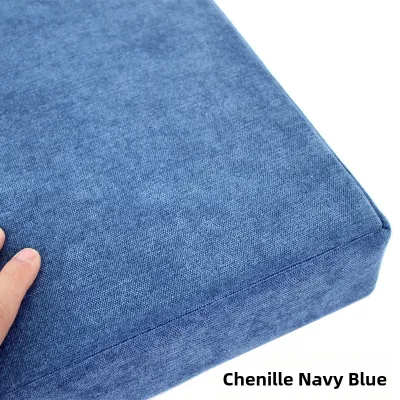
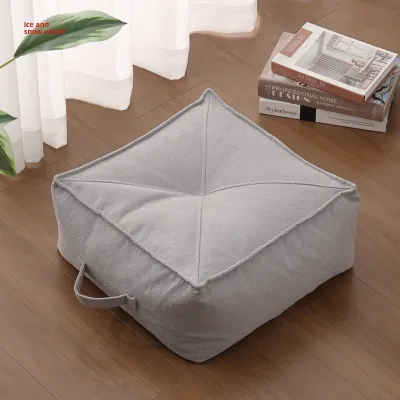
Prices are valid at publication and may change. Please refer to the product page for the latest price.

Memory foam, scientifically known as viscoelastic polyurethane foam, is engineered to combine the properties of viscous liquids and elastic solids. When you apply weight and body heat to memory foam, it softens and molds precisely to the contours of your body, distributing your weight evenly across its surface. Its defining characteristic is its slow recovery rate; when pressure is removed, the foam retains the impression of your body for a few seconds before gradually returning to its flat state. This slow response minimizes the upward pressure exerted against your body, providing a deep, cradling sensation that is highly effective at reducing localized discomfort.
Latex is a highly resilient, rubber-based material that can be sourced naturally from the sap of rubber trees or manufactured synthetically. Regardless of the manufacturing method, latex is characterized by its high elasticity and instant rebound. Instead of sinking, you experience an immediate pushback that keeps your body supported on top of the cushion. Its open-cell structure is further enhanced by molded ventilation holes, allowing air to flow freely through the core.
Gel is a semi-solid, highly conductive polymer that is rarely used as a standalone structural material for thick chair cushions due to its lack of loft and height. Instead, gel is integrated into other materials to enhance their thermal performance. This integration typically takes the form of gel infusion, where microscopic gel beads are mixed directly into the liquid foam before it cures, or gel layers bonded to the top surface of a foam cushion. The primary role of gel is to act as a heat sink, absorbing initial body heat and conducting it away from the sitting surface.
Key Comparison Dimensions for Daily Comfort and Support
To determine which cushion material best supports your daily routine, it is helpful to evaluate how they perform across the most critical ergonomic and comfort dimensions.
Pressure Relief and Contouring
Pressure relief is arguably the most important function of any chair cushion, especially for individuals who spend eight or more hours a day sitting at a desk. When you sit on a hard or unsupportive surface, your body weight concentrates on the ischial tuberosities (the bony points of your pelvis) and the coccyx (tailbone). This concentration of weight can compress local blood vessels and nerves, leading to numbness, soreness, and the frequent need to shift your weight.
Memory foam excels at contouring because it reacts to both weight and temperature. As your body heat warms the foam, it becomes more pliable in high-pressure areas, allowing your hips and tailbone to sink gently into the material. This creates a customized mold that maximizes the contact area between your body and the seat. By spreading your weight across a much larger surface, memory foam significantly lowers peak pressure points, promoting better blood circulation and reducing the deep, aching discomfort often felt in the lower gluteal region after hours of sitting.
Latex takes a fundamentally different approach to pressure relief. Rather than sinking and conforming to every curve, latex compresses only under direct pressure while maintaining its overall structural integrity. This creates a buoyant, supportive lift that keeps your pelvis in a neutral, aligned position. While it does not offer the deep “hugging” sensation of memory foam, it prevents your body from bottoming out against the hard chair seat below. This makes latex highly comfortable for individuals who prefer a firmer, more stable foundation that supports natural spinal alignment without restricting movement.
Gel-infused layers serve to enhance the initial comfort of the underlying foam base. On its own, a thin gel layer cannot provide deep contouring, but when paired with memory foam, it helps mitigate the initial stiffness of the foam. The gel grid design can also flex dynamically under pressure, offering localized relief beneath the sit bones while the main foam core handles the overall weight distribution.
Responsiveness and Movement
Responsiveness measures how quickly a cushion adapts to your body’s movements. This dimension is crucial for maintaining dynamic posture and preventing muscle stiffness, as static sitting in a single position for hours can strain the lower back and neck.
Latex is the undisputed leader in responsiveness. Because of its high elasticity, it reacts instantaneously to any shift in your weight. When you lean forward to type, turn to reach for a document, or stand up, the latex core immediately springs back to its original shape and continues to support you without delay. This high rebound rate makes it incredibly easy to move on a latex cushion, reducing the physical effort required to adjust your posture and promoting subtle, healthy micro-movements throughout the day.
Memory foam, by design, has a very low responsiveness rate. Its viscoelastic nature means it takes several seconds to recover from compression. When you shift your weight on a memory foam cushion, you will temporarily feel the outline of your previous position—a phenomenon often referred to as “motion memory” or leaving an imprint. This slow recovery can create a sensation of being cradled in a deep pocket, which some users find incredibly cozy, while others feel it restricts their movement and makes shifting positions feel sluggish or awkward.
Gel-infused memory foams generally share the same low responsiveness as standard memory foam, as the gel beads do not significantly alter the physical behavior of the polyurethane base. However, cushions that utilize a solid, hyper-elastic gel grid exhibit a much faster response time. The rubber-like polymer of a gel grid snaps back into place instantly when pressure is released, offering a highly responsive and springy feel that is comparable to latex.
Temperature Regulation and Breathability
In a tropical environment like Singapore, where high humidity and elevated temperatures are constant, heat retention is a major comfort consideration. Sitting on a cushion that traps heat can lead to sweating, skin irritation, and general discomfort, making temperature regulation a top priority for local consumers.
Traditional memory foam is highly prone to trapping heat. Because it features a dense, closed-cell structure, air cannot easily circulate through the material. Furthermore, because memory foam requires body heat to soften and contour, it naturally absorbs and retains that warmth, creating a thermal barrier beneath you. Over several hours of continuous sitting, this trapped heat can make the cushion feel warm and humid, especially if your workspace is not continuously air-conditioned.
Gel-infused memory foam was developed specifically to address this thermal buildup. The integrated gel particles or layers have high thermal conductivity, meaning they can absorb heat quickly and draw it away from your body. When you first sit down, a gel-infused cushion will feel noticeably cooler than standard foam. However, it is important to understand the physical limits of this technology: gel does not actively generate cold. Over time, as you continue to sit, the gel will eventually absorb enough heat to match your body temperature, and the cooling sensation will fade. Despite this limit, gel-infused foam still maintains a lower average temperature throughout the day compared to traditional untreated memory foam.
Latex naturally excels at temperature regulation due to its physical structure. Both natural and synthetic latex feature an open-cell matrix that allows air to pass through easily. Additionally, almost all latex chair cushions are manufactured with pincore ventilation holes—a series of small channels running vertically through the core. This design promotes continuous airflow, allowing warm, humid air to escape with every movement you make. Because latex does not rely on body heat to conform to your shape, it does not trap thermal energy, making it an exceptionally cool and breathable option for hot, humid climates.
The outer cover of the cushion is the final, critical component in temperature regulation. Even the most breathable latex or gel core will trap heat if it is encased in a thick, non-breathable polyester cover. To ensure maximum comfort, look for cushions with covers made from 3D spacer mesh, which features a double-layered knit structure that allows air to flow freely, or moisture-wicking synthetic blends that draw sweat away from your skin.
Durability, Maintenance, and Long-Term Value
A high-quality chair cushion is an investment in your daily comfort, and understanding the lifespan and maintenance requirements of each material will help you maximize its long-term value.
Memory foam cushions offer moderate to high durability, but their lifespan is highly dependent on the density of the foam. High-density memory foam (typically 50 kg/m³ or higher) is highly durable and can retain its supportive properties for several years of daily use. Low-density foams, which are common in budget-friendly cushions, tend to break down rapidly under daily weight, leading to permanent sagging, flattening, and a loss of support within a few months. Additionally, memory foam is highly sensitive to moisture; sweat and high humidity can accelerate the breakdown of the foam’s chemical structure, causing it to soften permanently.
Latex is widely recognized as one of the most durable cushioning materials available. Its natural elasticity allows it to withstand continuous compression without losing its shape or developing permanent body indentations. A high-quality latex cushion can easily maintain its resilience and supportive loft for many years, making it an excellent long-term investment. However, latex has a specific vulnerability: ultraviolet (UV) light and extreme heat. Exposure to direct sunlight or high heat will cause natural latex to oxidize, a process that makes the material brittle, leading to crumbling and cracking.
The durability of gel cushions depends on the design. In hybrid gel-foam cushions, the overall lifespan is usually determined by the quality of the underlying foam base. If the foam begins to sag, the gel layer will no longer perform effectively. For solid, hyper-elastic gel grid cushions, the polymer material is extremely durable and virtually immune to sagging or permanent deformation. However, the gel grid can be susceptible to tearing if it is punctured by sharp objects.
To protect your investment and maintain a hygienic seating setup, proper care is essential. You must always refer to the manufacturer’s care label before attempting to clean any cushion, as improper washing can permanently ruin the core materials. Spot clean memory foam and latex gently with a damp cloth and mild soap, then air dry completely in a shaded, well-ventilated indoor space away from direct heat and sunlight. Never machine-wash or dry-clean the core of a memory foam or latex cushion.
Quick Comparison Matrix
The following matrix provides a clear, side-by-side comparison of how these three primary cushion materials perform across key categories, allowing you to make a quick and informed decision.
| Cushion Material | Contouring Level | Responsiveness | Heat Retention | Durability Profile | Best Suited For |
|---|---|---|---|---|---|
| Memory Foam | High (Deep, customized sink) | Slow (Delayed rebound) | High (Traps body heat) | Moderate to High (Highly density-dependent) | Prolonged still sitting, targeted coccyx pressure relief, air-conditioned rooms |
| Latex | Moderate (Buoyant, upright lift) | Fast (Instant rebound) | Low (Highly breathable open-cell) | High (Excellent resistance to sagging) | Active sitters, warm/humid climates, natural material preference, longevity |
| Gel-Infused Foam | High (Deep, customized sink) | Slow to Moderate | Moderate (Disperses initial heat) | Moderate to High | Users wanting memory foam contouring with improved initial temperature control |
How to Match Your Sitting Habits to the Right Cushion
To select the perfect cushion, you must translate these material characteristics into your personal sitting habits, physical needs, and environmental conditions.
Choose Memory Foam if:
- You sit relatively still for long periods without frequently shifting your position.
- You experience localized pain or pressure in your tailbone, sit bones, or hips and need a material that molds to your shape to redistribute weight.
- You prefer a deep, cradling sensation that feels like the cushion is customized to your body.
- You work in a consistently air-conditioned office where heat retention is not a primary concern.
Choose Latex if:
- You are an active sitter who frequently shifts, turns, or transitions between sitting and standing.
- You prefer a bouncy, supportive feel that keeps you sitting "on top" of the cushion rather than sinking "into" it.
- You want a naturally cool, highly breathable material that performs exceptionally well in warm, humid conditions.
- You are looking for a highly durable, long-term investment that resists sagging and maintains its shape over years of daily use.
Choose Gel-Infused Foam if:
- You want the deep contouring and pressure-relieving benefits of memory foam but tend to overheat while working.
- You work in a naturally ventilated home office in Singapore and need a material that helps disperse initial body heat.
- You prefer a hybrid design that balances the soft cradling of foam with the temperature-regulating properties of conductive gel.
Verify First if:
- You have a diagnosed medical condition, such as severe sciatica, herniated discs, or chronic coccydynia. In these cases, a standard consumer chair cushion may not provide the precise therapeutic alignment you need. You should consult a healthcare professional, physical therapist, or ergonomic specialist to determine the best seating support for your specific condition.
- You are using a highly specialized ergonomic office chair. Adding a thick cushion can alter the chair's built-in lumbar support alignment, seat depth, and armrest height, potentially compromising the chair's original ergonomic design.
What to Verify Before You Buy
Once you have selected the right material, there are several practical specifications you must verify to ensure the cushion fits your physical space and daily routine.
First, measure the dimensions of your chair’s seat pan and compare them to the cushion’s width and depth. A cushion that is too large will overhang the edges, causing instability and potential posture misalignment, while a cushion that is too small will leave your thighs unsupported. Additionally, consider the cushion’s thickness. A thick cushion (e.g., 5 to 8 centimeters) will raise your sitting height. This change can disrupt your desk ergonomics, forcing your shoulders to shrug or your wrists to bend incorrectly while typing. Ensure your chair’s height is adjustable so you can lower the seat to compensate for the cushion’s thickness, keeping your feet flat on the floor and your elbows at a comfortable 90-degree angle.
Second, check the bottom of the cushion for a high-quality non-slip base. A cushion that slides forward every time you stand up or shift your weight is highly inconvenient and can lead to poor posture as you constantly adjust your position. Look for a textured rubber or silicone-dotted backing that provides a secure grip on various chair surfaces, including wood, plastic, leather, and fabric.
Third, examine the quality of the outer cover. A removable, machine-washable cover is essential for long-term hygiene, especially in warm climates where sweat can accumulate. Look for covers made from breathable fabrics, such as 3D spacer mesh or moisture-wicking synthetic blends, which allow air to circulate freely and prevent moisture from reaching the cushion’s core.
Finally, check the retailer’s return policy or trial period. Because comfort is highly subjective and depends on your unique body shape and chair, a quick test in a store may not reveal how the cushion performs over a full workday. A trial period allows you to test the cushion in your actual workspace, ensuring it provides the support and temperature regulation you need before making a final commitment.
Frequently Asked Questions (FAQ)
Can I combine gel and memory foam in one cushion?
Yes, many modern chair cushions feature a hybrid construction that combines these two materials to offer the benefits of both. Typically, these designs feature a solid gel layer or a cooling gel grid bonded to the top surface of a high-density memory foam base. This configuration allows you to enjoy the deep, pressure-relieving contouring of memory foam while the top gel layer works to absorb and disperse initial body heat, keeping the sitting surface cooler. When shopping, check the product specifications to understand the exact thickness and layout of the gel and foam layers.
How do I clean a latex chair cushion without damaging it?
To clean a solid latex chair cushion safely, you must avoid machine washing, dry cleaning, and harsh chemical cleaners, as these will destroy the material’s structure. Instead, gently spot clean any soiled areas using a clean cloth dampened with warm water and a small amount of mild, diluted soap. Do not saturate or wring out the latex core. After spot cleaning, allow the cushion to air dry completely in a well-ventilated, shaded indoor area. Keep the latex entirely out of direct sunlight, as ultraviolet (UV) exposure will cause the natural rubber to oxidize, crack, and crumble. Always defer to the manufacturer’s specific care instructions.
Community discussion
Share your experience or ask a question. Comments are reviewed before publication.