
Upgrading your seating comfort starts with understanding what lies beneath you. If you spend hours working at a desk or sitting at a dining table, choosing the right chair pad is one of the most effective ways to prevent discomfort, improve posture, and alleviate physical fatigue. However, with memory foam, latex, and gel options dominating the market, finding the material that matches your body shape and daily routine requires looking closely at how these materials perform under pressure.
There is no single “best” material for every individual. The ideal choice depends on whether you prioritize deep contouring, responsive support, or temperature regulation.
To help you make an immediate decision, you can match your primary seating concern to these three common options:
Products mentioned in this guide
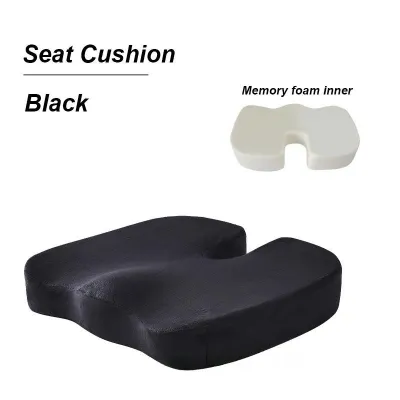
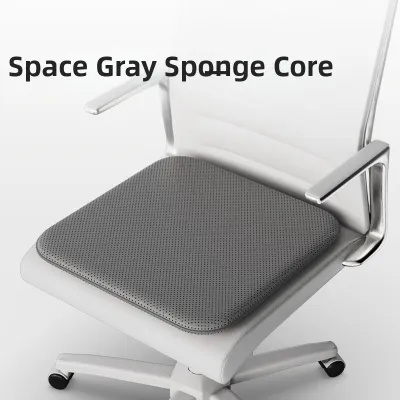
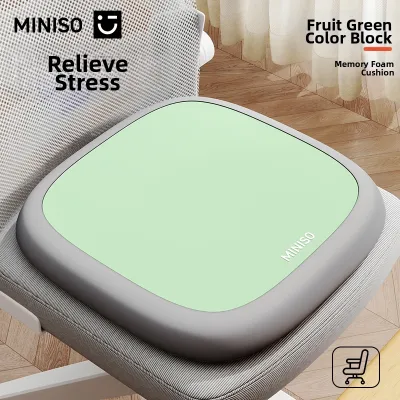
Prices are valid at publication and may change. Please refer to the product page for the latest price.
- Memory Foam: Choose this material if you require deep contouring and targeted pressure relief. It is highly effective for cushioning the tailbone and distributing body weight evenly across static sitting positions.
- Latex: Choose this material if you prefer a responsive, bouncy feel. It supports active posture changes, prevents you from sinking too deeply, and highly resists permanent sagging over years of use.
- Gel or Gel-Infused Foam: Choose this option if heat retention is your primary frustration. It provides a firmer, cooler seating surface that is highly suited for warm environments.
While material is the foundation of your choice, your final decision should also factor in the cushion’s physical thickness, the breathability of its cover, and the specific style of chair you intend to place it on.
Core Material Profiles: Memory Foam, Latex, and Gel
Memory Foam: Contouring and Pressure Relief
Memory foam, chemically known as viscoelastic polyurethane foam, is engineered to react to both body heat and weight. When you sit on a memory foam cushion, your body heat softens the material, allowing it to mold precisely around your anatomical shape. This creates a custom cradle that distributes your weight across a wider surface area, reducing localized pressure on your sit bones.
However, the performance and support of memory foam are heavily dictated by its density and thickness, which vary widely between products. Low-density memory foams tend to compress completely under weight, leading to a phenomenon known as “bottoming out,” where the cushion loses its supportive qualities entirely.
Before purchasing, always check the manufacturer’s technical specifications for density ratings. A higher density rating generally indicates a more supportive, longer-lasting foam that will maintain its structural integrity under daily use.
Latex: Responsive Support and Durability
Latex cushions offer a distinctly different physical sensation than memory foam, characterized by an instant, spring-like responsiveness. Whether sourced from natural rubber tree sap, synthetic polymers, or a hybrid blend, latex does not rely on body heat to compress. Instead, it immediately pushes back against your weight, preventing you from sinking too deeply into the chair.
This resilient structure makes latex highly effective for individuals who frequently shift positions or prefer a firmer, more active sitting posture. Additionally, latex features an inherent open-cell structure, often enhanced by molded ventilation holes, which allows air to circulate freely through the core.
When shopping for a latex cushion, verify the product label to determine if it is natural, synthetic, or blended latex. Natural latex is highly durable and resilient, while synthetic and blended options are often more budget-friendly but may have different care requirements and lifespans.
Gel and Gel-Infused Options: Cooling and Firmness
When evaluating gel options, it is important to distinguish between two primary product types: solid gel grids and gel-infused memory foam. Solid gel grids are constructed from hyper-elastic polymers arranged in a column-buckling matrix. This design is highly firm and supportive, allowing air to flow completely through the open channels of the grid.
Gel-infused foam, on the other hand, consists of standard memory foam that has been mixed with liquid gel or gel beads during manufacturing. The primary purpose of this infusion is to address the heat-trapping tendencies of polyurethane foam by absorbing and dispersing initial body heat.
Solid gel grids offer a highly distinct, rubbery feel that remains cool to the touch and provides firm structural support to prevent bottoming out. Gel-infused options behave much like traditional memory foam but offer a slightly modified temperature profile during the first few hours of use.
Comparing Support, Cooling, and Durability of Your Chair Pad
Support and Pressure Distribution
Evaluating support requires looking at how a cushion manages your skeletal alignment and distributes your weight. Memory foam excel at static pressure distribution. By contouring deeply to your pelvic structure, it eliminates high-pressure hot spots on the ischial tuberosities. This makes it highly beneficial for individuals who sit still for long stretches and need to relieve localized discomfort.

In contrast, latex provides active support. Because it resists deep sinking, it keeps your pelvis in a neutral position, making it easier to maintain the natural curve of your spine. If you naturally shift, lean, or stand up frequently throughout the day, the elastic push-back of latex requires less muscular effort during transitions than sinking into memory foam.
Solid gel grids distribute weight through mechanical column buckling. When you sit, the vertical walls of the gel grid support your weight until a pressure threshold is reached, at which point they buckle to cradle your shape while the surrounding columns remain upright. This creates a firm, highly even distribution of weight that prevents uneven pelvic tilting.
Temperature Regulation and Breathability
Temperature regulation is a critical factor for long-term comfort, particularly in tropical climates like Singapore. Traditional memory foam is a dense, closed-cell material that naturally traps and retains body heat. As the foam absorbs your warmth to contour to your body, it can create a hot, humid microclimate beneath your thighs and pelvis.
Latex inherently performs better in warm environments. Its open-cell molecular structure does not trap heat to the same degree as polyurethane, and most manufacturers mold latex cushions with vertical ventilation channels to encourage passive airflow. This design allows heat and moisture to escape more efficiently.
Gel options represent the most engineered approach to temperature management. Solid gel grids do not trap heat because they are mostly empty space, allowing air to circulate directly under your body. While gel-infused foams offer a slight cooling benefit compared to standard memory foam, they still rely on a dense foam base that will eventually warm up over extended sitting sessions.
To maximize cooling, always pair these materials with a breathable, moisture-wicking cover.
Durability and Long-Term Shape Retention
All cushioning materials degrade, soften, and lose their supportive properties over time, but they do so at different rates depending on their chemical composition and density. Latex is widely recognized as the most durable of the three materials. High-quality latex cushions resist permanent sagging and indentations, maintaining their original height and springiness even after years of daily compression.
Memory foam’s lifespan is directly tied to its density. High-density memory foams (typically 4 lbs/cu ft or higher) offer excellent longevity, whereas low-density budget foams can develop permanent body impressions or flatten out within a few months of use.
Solid gel grids are highly resilient against permanent deformation due to the durable nature of hyper-elastic polymers. However, they can occasionally tear if subjected to sharp objects or improper handling.
When comparing durability, look for comprehensive warranty details and check the manufacturer’s density specifications rather than relying on the material name alone.
Quick Comparison Table
| Material Type | Primary Feel & Support | Heat Retention | Shape Retention | Best Suited For |
|---|---|---|---|---|
| Memory Foam | Deep contouring, slow-rebounding pressure relief | High | Medium to High (density dependent) | Static sitting, localized tailbone relief, maximum cushioning |
| Latex | Responsive bounce, active spinal alignment | Low | High | Active sitting, easy movement, long-term durability |
| Solid Gel Grid | Firm, rubbery matrix with targeted column buckling | Very Low | High | Hot environments, maximum airflow, firm pelvic support |
| Gel-Infused Foam | Contouring with a slightly delayed heat buildup | Medium | Medium to High (density dependent) | Users wanting memory foam feel with moderate temperature control |
Choosing by Seating Scenario and Environment
For Long Hours at a Desk
Sitting for an eight-hour workday introduces the risk of progressive slouching as your muscles fatigue. When a cushion is too soft or lacks sufficient density, it bottoms out, causing your pelvis to tilt backward into a posterior pelvic tilt. This slouching posture places immense strain on your lumbar discs and lower back muscles.
For extended office use, select either a high-density memory foam or a highly responsive latex cushion. These materials provide the structural lift required to keep your pelvis neutral and your spine aligned.
Additionally, pay close attention to the thickness of your chosen cushion. A pad that is too thick can raise your seating height significantly, causing your feet to dangle or misaligning your elbows with your desk surface. If your office chair lacks height adjustability, opt for a lower-profile, high-density cushion to maintain proper ergonomic alignment.
For Hot Climates and Warm Environments
In warm, humid climates like Singapore, managing heat and moisture is essential to prevent skin irritation and general discomfort. Sitting on a traditional, non-breathable memory foam cushion for hours can lead to rapid sweating and a sticky, uncomfortable seat.
If you work in a non-air-conditioned space or tend to run hot, prioritize latex or solid gel grid cushions. These materials allow air to flow freely, helping to dissipate body heat and prevent moisture buildup.
Furthermore, the cover of your cushion is just as important as the core material. Look for removable, machine-washable covers made from breathable, natural fibers like cotton or bamboo, or specialized high-tech cooling meshes. Avoid synthetic polyester covers that lack ventilation, as they will negate the cooling benefits of the underlying cushion core.
For Existing Back or Tailbone Pain
If you are dealing with lower back pain, sciatica, or coccydynia (tailbone pain), standard flat cushions may not provide sufficient relief. Instead, look for specialized ergonomic designs, such as U-shaped or donut-shaped cushions, which feature strategic cut-outs.
These cut-outs are designed to suspend your tailbone in the air, completely removing direct contact pressure from the hard seat of your chair. Memory foam and specialized gel-grid cushions are highly effective in these shapes because they conform to the surrounding anatomy while keeping the sensitive areas free from load.
Disclaimer: While ergonomic chair pads can significantly improve sitting comfort and relieve pressure, they are not medical devices. If you suffer from chronic, severe, or worsening back or tailbone pain, always consult a qualified healthcare professional or physical therapist for a personalized diagnosis and treatment plan.
Pre-Purchase Checklist: Covers, Specs, and Care
Before purchasing a new cushion, use this practical checklist to ensure it fits your chair, stays secure, and is easy to maintain:
- Dimensions and Fit: Measure the width and depth of your chair's seat pan before buying. A cushion that is too large will overhang the edges, causing it to slide and lose structural support. A cushion that is too small will fail to support your sit bones properly, creating uncomfortable pressure ridges at the edges.
- Cover and Base: Verify that the cushion features a reliable non-slip bottom, such as rubberized backing or silicone grip dots. This is particularly important for slick wooden or plastic chairs. If your chair has a polished finish, check the manufacturer's instructions to ensure the non-slip backing will not react with or damage the wood's protective varnish.
- Removable Cover: Ensure the cover has a high-quality zipper and is fully removable for machine washing. This is vital for maintaining hygiene over months of daily use.
- Core Care and Maintenance: Never submerge solid memory foam or latex cores in water, and do not place them in a washing machine or tumble dryer unless the manufacturer's care label explicitly permits it. Doing so can permanently tear, warp, or degrade the material.
- Cleaning Steps: To clean the core, remove the cover, vacuum away loose dust and debris, and spot-clean any stains using a damp cloth with a highly diluted, mild detergent. Always allow the core to air dry completely in a well-ventilated indoor space, away from direct sunlight and high heat sources, before zipped back into its cover.
Frequently Asked Questions (FAQ)
Can I use a thick chair pad on a mesh office chair?
Adding a thick cushion to a mesh office chair can significantly alter its engineered ergonomics. Because mesh chairs are designed to suspend your body and provide targeted lumbar support, raising your seating height with a thick pad may position your lower back above the built-in lumbar curve. It can also cause your feet to dangle, placing pressure on the undersides of your thighs. If you need extra cushioning on a mesh chair, opt for a thin, high-density pad and adjust your chair’s seat height and armrests accordingly to maintain proper posture.
How do I clean memory foam and latex cushions?
To clean these cushions safely, always start by removing the fabric cover and washing it according to the care label. For the inner foam or latex core, avoid soaking or machine washing, as water retention can lead to structural breakdown and mold growth. Instead, vacuum the surface to remove dust, and spot-clean stains with a damp cloth and mild soap. Allow the core to air dry completely in a shaded, well-ventilated room. Ensure the material is entirely dry before putting the cover back on to prevent mildew.
Community discussion
Share your experience or ask a question. Comments are reviewed before publication.