
Finding the right chair pad is one of the most effective ways to transform an uncomfortable seat into a supportive, ergonomic workstation. Whether you are working from a home office, sitting at a corporate desk, or relaxing in a dining chair, the material inside your cushion dictates how your body feels after hours of continuous sitting. There is no single universal material that works perfectly for everyone; instead, the ideal choice depends on your physical needs, posture goals, and environmental conditions.
To make a quick decision, you can match your primary sitting discomfort to the specific mechanical properties of each material. Choose memory foam if you require deep contouring, cradling comfort, and targeted pressure relief for localized tailbone pain. Choose latex if you prefer a highly responsive, bouncy lift that keeps you sitting on top of the cushion rather than sinking into it. Choose gel or gel-infused structures if your primary concerns are heat dissipation in warm climates and maintaining a firm, stable base that does not bottom out over long sitting sessions.
Understanding the Core Materials: Memory Foam, Latex, and Gel
To select the most suitable chair pad, it is essential to understand the physical composition and structural behavior of the three primary cushioning materials. Each material reacts differently to body weight, ambient temperature, and pressure, which directly influences your comfort and posture throughout the day.
Products mentioned in this guide
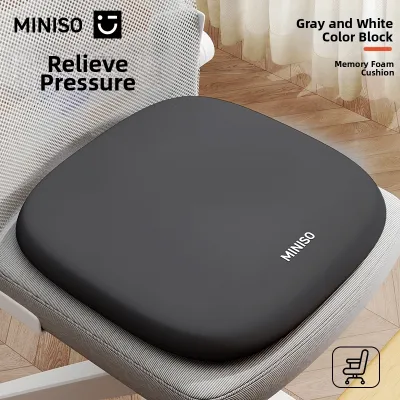
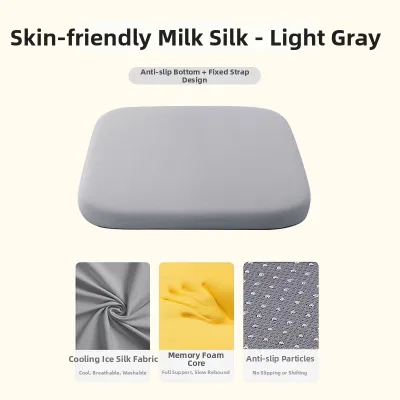
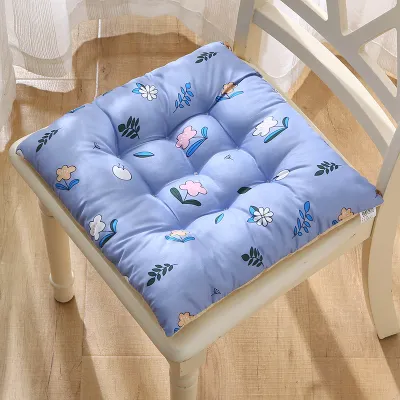
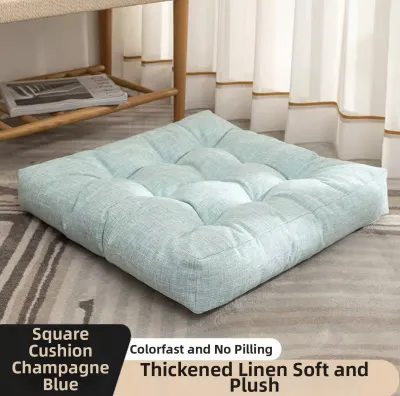
![[Sweet Home] 2pcs Seat Cushion Soft Chair Pad for Home Office Sofa Bar Floor Pillow](https://img.lazcdn.com/g/p/5806d6ec418101a3108f1aef3495d6d2.jpg_400x400q80.jpg_.webp)
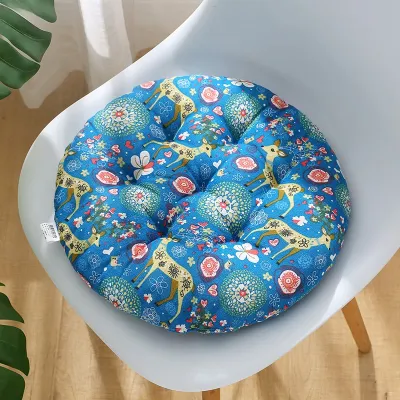
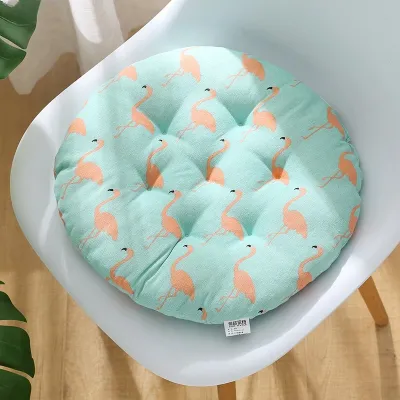
Prices are valid at publication and may change. Please refer to the product page for the latest price.
Memory Foam: Contouring and Pressure Relief
Memory foam, scientifically known as viscoelastic polyurethane foam, was originally developed to improve seat safety and cushioning. This material is highly sensitive to both weight and temperature. When you sit on a memory foam chair pad, your body heat softens the foam, allowing it to mold precisely to the unique contours of your pelvic structure and thighs.
This slow-rebound characteristic means that when pressure is applied, the foam takes several seconds to conform, and it slowly returns to its original shape once you stand up. By cradling your lower body, memory foam distributes weight across a larger surface area, which significantly reduces peak pressure points on your sit bones. However, because traditional solid memory foam is highly dense and lacks internal airflow channels, it naturally tends to trap and retain body heat over time.
Latex: Responsive Support and Durability
Latex is an elastomeric material harvested from the sap of rubber trees (natural latex) or manufactured synthetically. Unlike memory foam, latex is characterized by its high elasticity and immediate, springy rebound. Instead of molding to your shape using body heat, latex instantly pushes back against your weight, creating a buoyant, uplifting sensation.
This responsive support prevents you from feeling “stuck” in your chair, making it much easier to shift positions or stand up. Latex chair pads are typically manufactured with a pincore ventilation pattern—small, molded holes throughout the material—which enhances its natural breathability. Additionally, latex is highly resilient and resists permanent structural indentation, maintaining its original thickness and supportive qualities even after years of heavy daily use.
Gel: Cooling and Firm Stability
In the consumer market, a “gel” chair pad is rarely a solid, heavy block of pure liquid gel. Instead, gel is utilized in one of two ways: either infused as micro-beads into a polyurethane foam base to help disperse heat, or molded into a thick, flexible elastomer grid.
Elastomer gel grids utilize column-buckling technology. Under light pressure, the walls of the grid stand firm, but when localized weight exceeds a certain threshold, the columns buckle to distribute the load evenly to surrounding cells. This unique mechanical behavior provides a firm, highly stable seating surface that does not collapse entirely under heavy loads. Because the grid structure is mostly open air, it allows for maximum ventilation, making gel-based pads highly effective at regulating temperature.
Key Comparison Dimensions for Daily Sitting
When evaluating a chair pad for daily use, you must look beyond initial comfort and analyze how the material performs over several hours of continuous sitting. Comparing these materials across key physical dimensions reveals how they handle pressure, protect your posture, manage heat, and resist wear.

Comfort and Pressure Distribution
Comfort is highly subjective, but pressure distribution is a measurable physical process. Memory foam excels in this category by providing deep, customized cradling. By conforming to the exact shape of your pelvic bones, it eliminates the high-pressure hot spots that cause you to fidget or shift your weight constantly. This makes memory foam an exceptional choice for individuals who experience sharp, localized discomfort in the tailbone or sit bones.
Latex offers a different style of comfort, often described as a “floating” sensation. Because it does not contour deeply, it distributes weight by gently supporting the entire seating surface. While it does not offer the same deep, customized mold as memory foam, it prevents you from sinking down to the hard chair pan underneath. Gel grids distribute weight through structured buckling, which provides excellent uniform pressure relief across the thighs and buttocks, though the material itself can feel distinctly firmer and more rubbery to the touch initially.
Support and Posture Alignment
Proper sitting posture requires maintaining a neutral pelvic tilt and preserving the natural curve of your spine. To achieve this, a chair pad must provide sufficient upward resistance to prevent your pelvis from tilting backward into a slouching position. Latex and structured gel grids excel at maintaining this alignment because their high elasticity resists complete compression, keeping your hips elevated and stable.
Memory foam, while highly comfortable initially, can present challenges for long-term postural support. Because it softens as it absorbs your body heat, a memory foam pad will gradually compress further during a long working session. For heavier individuals or during extended sitting periods, this softening can cause the foam to bottom out completely. Once the foam is fully compressed, you lose the ergonomic benefits, and your pelvis may tilt backward, leading to lower back strain.
Temperature Regulation and Breathability
Temperature regulation is a critical factor for seating comfort, particularly in warm or humid environments like Singapore. Traditional solid memory foam acts as an insulator; its dense, closed-cell structure traps body heat and prevents moisture from escaping, which can quickly lead to a hot, sweaty sitting experience.
Latex is naturally more breathable due to its open-cell molecular structure and the ventilation holes introduced during the manufacturing process. This allows air to circulate more freely, keeping the seating surface closer to room temperature. Gel grids offer the highest level of temperature regulation. Because the grid pattern consists of open air channels, heat is not trapped beneath your body, and the elastomer material itself has a naturally cool tactile feel, making it the premier choice for non-air-conditioned spaces.
Durability and Long-Term Shape Retention
Investing in a chair pad requires understanding how long the material will retain its supportive properties. Latex is highly durable and retains its original thickness and elasticity far longer than standard polyurethane foams. It is highly resistant to sagging and does not easily develop permanent body indentations, even with daily, long-term use.
Memory foam is more susceptible to structural fatigue. Over years of daily compression and exposure to body heat and ambient humidity, the polyurethane chains can break down, causing the foam to lose its slow-rebound properties and remain permanently compressed in high-pressure areas. Solid elastomer gel grids are exceptionally durable and virtually immune to permanent deformation or tearing, whereas gel-infused foams degrade at a rate similar to standard memory foam.
Material Comparison at a Glance
To help you quickly weigh the trade-offs of each option, the table below summarizes the core physical characteristics and performance profiles of memory foam, latex, and gel chair pads.
| Material Type | Tactile Feel & Texture | Pressure Relief | Support Level | Heat Retention | Best Suited For |
|---|---|---|---|---|---|
| Memory Foam | Soft, deep contouring, slow-rebound | High (customized cradling) | Moderate (softens with heat) | High (traps body heat) | Targeted tailbone relief, air-conditioned spaces |
| Latex | Springy, buoyant, responsive lift | Moderate to High (even distribution) | High (resists bottoming out) | Low (breathable open-cell) | Long-term durability, active sitting, natural materials |
| Gel (Elastomer Grid) | Firm, rubbery, flexible structure | High (column-buckling distribution) | High (excellent stability) | Very Low (maximum airflow) | Warm climates, long hours, heavy daily use |
How to Match the Material to Your Sitting Habits
To finalize your choice, you should analyze your daily sitting routine, your local environment, and your physical preferences. Matching these factors to the right material ensures long-term comfort and prevents common postural issues.
- Choose Memory Foam if: Your primary goal is to alleviate sharp, localized pressure on your tailbone or hips, and you prefer a soft, enveloping sensation. This material is ideal if you work primarily in climate-controlled, air-conditioned offices where heat retention is less of a concern, and if you do not mind a cushion that molds closely to your body shape.
- Choose Latex if: You want a highly durable, resilient pad that will maintain its supportive loft for several years without sagging. Latex is perfect if you prefer a medium-firm, springy feel, value natural and hypoallergenic materials, and want a breathable cushion that naturally resists heat buildup without feeling cold.
- Choose Gel (or Gel-Infused) if: You sit for long, uninterrupted hours at a desk, tend to run hot, or work in warm, humid environments without constant air conditioning. It is also the best choice if you require a firm, stable seating surface that prevents you from sinking deeply, which helps maintain your established desk, monitor, and keyboard ergonomics.
- Neither may fit if: You require a highly specialized medical orthotic for a diagnosed spinal condition, severe sciatica, or post-surgical recovery. Standard consumer chair pads are designed for general comfort and mild pressure relief; if you have a clinical condition, you should consult a healthcare professional, orthopedic specialist, or physical therapist to obtain a customized seating solution.
What to Verify Before Buying a Chair Pad
Before purchasing a chair pad, verifying a few practical specifications will ensure that the cushion integrates safely and ergonomically with your existing furniture setup.
Dimensions and Chair Fit Always measure the actual seat pan of your chair before buying a pad. A cushion that is too large will overhang the edges, causing instability and potentially damaging the pad’s core. Conversely, a cushion that is too small will leave parts of your thighs unsupported and can create uncomfortable pressure ridges at the edges of the pad.
Thickness and Desk Clearance Adding a chair pad increases your sitting height, typically by 3 to 7 centimeters. You must verify that your desk clearance and chair height adjustment can accommodate this change. Ensure that you can still sit with your feet flat on the floor, your knees bent at a 90-degree angle, and your elbows comfortably aligned with your desk surface without your thighs pressing against the underside of the desk.
Cover and Maintenance Because chair pads are subjected to daily contact, sweat, and dust, hygiene is a key consideration. Verify that the pad comes with a removable, machine-washable outer cover. This is especially important in humid climates to prevent the buildup of allergens, dust mites, and odors over time.
Non-Slip Base For safety, a chair pad must remain securely in place. Look for pads that feature a rubberized, textured non-slip backing or integrated adjustable straps that secure the pad to the chair frame. A sliding cushion is not only an annoyance but also a safety hazard when sitting down or standing up, and it can actively disrupt your posture as you constantly adjust your position.
Frequently Asked Questions (FAQ)
Can I use a memory foam chair pad on a mesh office chair?
Yes, you can use a memory foam pad on a mesh chair, but you must ensure the pad features an effective non-slip rubberized base, as mesh surfaces are naturally quite slippery. Additionally, verify that the added thickness of the pad does not raise your body so high that your lower back loses contact with the chair’s built-in lumbar support curve.
How do I clean a gel or latex chair pad?
Never submerge or machine-wash a solid gel grid or latex foam core, as the mechanical agitation of a washing machine and harsh laundry detergents can permanently tear or degrade their physical structures. Instead, spot clean the core gently using a damp cloth and mild soap, allow it to air dry completely away from direct sunlight, and only machine-wash the removable outer cover according to its care label instructions.
Community discussion
Share your experience or ask a question. Comments are reviewed before publication.