
Quick Answer: Which Seat Cushion Material Should You Choose?
Selecting the right seat cushion depends heavily on your physical comfort requirements, daily sitting duration, and the surrounding environment. To make an efficient and informed decision, consider your primary sitting discomfort and match it to the material that addresses that specific issue.
Choose a memory foam seat cushion if you require deep contouring, targeted pressure relief, and a cradling sensation for your sit bones. This material is highly effective at absorbing impact and redistributing body weight, making it a reliable choice for individuals who experience localized discomfort from hard seating surfaces, provided they sit in temperature-controlled spaces.
Choose a latex seat cushion if you prefer responsive, buoyant support with a natural spring-back feel. Latex prevents the heavy sinking sensation associated with memory foam, allowing you to shift positions easily while maintaining proper pelvic alignment. Its open-cell structure also offers superior breathability and exceptional long-term durability.
Products mentioned in this guide
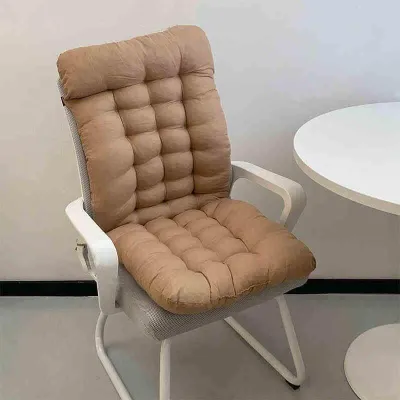
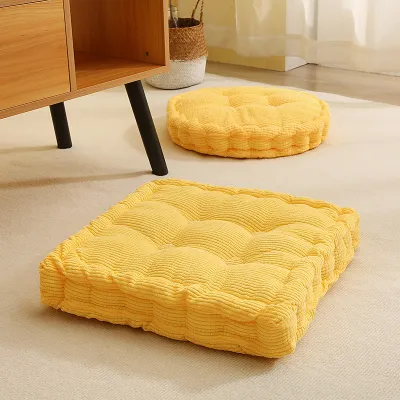
![[Sweet Home] 2pcs Seat Cushion Soft Chair Pad for Home Office Sofa Bar Floor Pillow](https://img.lazcdn.com/g/p/5806d6ec418101a3108f1aef3495d6d2.jpg_400x400q80.jpg_.webp)
Prices are valid at publication and may change. Please refer to the product page for the latest price.
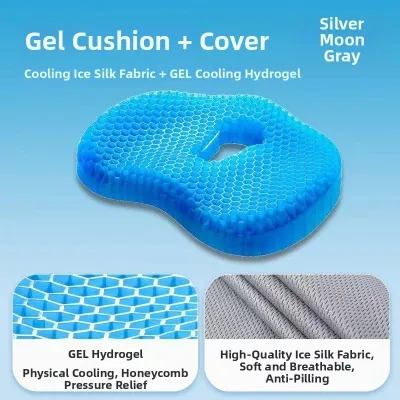
Choose a gel seat cushion—specifically a hyper-elastic polymer gel grid—if you sit for extended periods in warm, humid climates like Singapore and prioritize temperature regulation. These cushions feature open-channel designs that facilitate continuous airflow while collapsing under pressure points to distribute weight evenly. Note that most commercial “gel” cushions are not pure liquid gel; they are either structured elastomeric grids or polyurethane foams infused with microscopic gel beads.
Material Profiles: How Memory Foam, Latex, and Gel Actually Feel
Understanding the physical properties of each material is essential for predicting how a seat cushion will perform over months of daily use. Each option interacts differently with body heat, pressure, and movement.

Memory Foam: Deep Contouring and Pressure Relief
Memory foam, chemically known as viscoelastic polyurethane foam, is engineered to soften when exposed to body heat and pressure. This unique characteristics allows the cushion to conform precisely to the anatomical curves of your pelvic region, cradling the ischial tuberosities (the sit bones) and reducing localized pressure. When you sit on memory foam, you experience a slow, sinking sensation as the material compresses and wraps around your body, creating a highly customized support profile.
This deep contouring ability makes memory foam highly effective at minimizing pressure points, which can help reduce discomfort during long periods of immobility. However, this dense, closed-cell structure inherently restricts airflow, leading to significant heat retention. Over several hours, the foam can trap body heat, causing the cushion to feel warm and occasionally leading to perspiration in unconditioned environments.
When evaluating a memory foam cushion, it is crucial to check the product specifications for foam density, typically measured in kilograms per cubic meter (kg/m³). High-density memory foam (generally 50 kg/m³ or higher) provides robust, long-lasting support that resists bottoming out under body weight. Conversely, low-density foam may feel soft initially but can flatten completely within an hour of continuous sitting, eliminating its ergonomic benefits.
Latex: Responsive Support and Natural Bounce
Latex is a highly resilient, elastic material that offers an entirely different sitting experience than memory foam. Instead of contouring slowly to your shape, latex responds instantly to pressure by pushing back, creating a buoyant, “floating” sensation. This active resistance prevents you from sinking too deeply into the chair, making it much easier to stand up, shift your weight, or adjust your posture throughout the day.
Because latex does not rely on body heat to compress, its supportive qualities remain consistent regardless of the ambient temperature. The material is naturally breathable, particularly when manufactured with pincore ventilation holes or an open-cell structure, allowing heat to escape more efficiently than traditional polyurethane foams. Furthermore, high-quality latex is exceptionally durable, retaining its original shape and elasticity for years without developing permanent body impressions.
When purchasing a latex seat cushion, review the manufacturer’s material specifications to determine if the product is made from natural latex, synthetic latex, or a blended formulation. Natural latex, harvested from rubber tree sap, is highly prized for its elasticity and eco-friendly profile, though it may carry a premium price. Synthetic latex (styrene-butadiene rubber) offers a more uniform feel and is often more budget-friendly, but it may lack the extreme durability of its natural counterpart. Buyers with known latex allergies should verify that the product is fully encased in a protective barrier or opt for alternative materials.
Gel and Gel-Infused Cushions: Cooling and Grid Structures
In the consumer market, “gel” seat cushions generally fall into two distinct categories: gel-infused foam and hyper-elastic polymer gel grids. Gel-infused foam consists of standard memory foam or polyurethane foam blended with cooling gel beads or liquid gel layers. While this infusion helps dissipate initial body heat upon sitting, the underlying foam structure still retains heat over extended periods, making it only slightly cooler than traditional foam.
In contrast, solid gel-grid cushions are constructed from a rubber-like, hyper-elastic polymer arranged in a physical grid pattern, such as a honeycomb or square matrix. This design utilizes column-buckling technology. The vertical walls of the grid support your weight up to a specific threshold; when that threshold is exceeded at high-pressure zones like the tailbone, the walls buckle and fold, transferring the load to neighboring columns. This mechanism ensures that pressure is distributed evenly across the entire seating surface.
Because gel-grid cushions are mostly empty space, they offer unparalleled ventilation. Air flows freely through the open channels, preventing heat and moisture from building up, which is a significant advantage in tropical climates. Additionally, the polymer material is highly durable, waterproof, and inherently resistant to permanent deformation, though it tends to be heavier than foam and provides a firmer, more structured feel.
Head-to-Head Comparison: Comfort, Support, and Temperature
To choose the right cushion, it is helpful to compare these three materials directly across the key performance dimensions that dictate daily comfort.
| Material Type | Comfort & Feel Profile | Support Type | Heat Retention | Durability | Primary Use Case |
|---|---|---|---|---|---|
| Memory Foam | Slow-sinking, deep contouring, highly cradled feel | Viscoelastic pressure redistribution | High (retains body heat) | Moderate to High (density dependent) | Localized pain relief in air-conditioned spaces |
| Latex | Buoyant, springy, active push-back | Responsive, posture-supporting | Low (highly breathable) | High (resists sagging) | Active sitting, frequent movement, long-term durability |
| Gel Grid | Structured, firm initial feel with localized buckling | Active column-buckling weight distribution | Very Low (maximum airflow) | Very High (elastic polymer) | Warm climates, heavy usage, high-sweat environments |
While these material baselines are highly reliable, you must look beyond the material name and evaluate the specific product specifications. A cushion’s overall thickness, density, and physical shape play a massive role in how it actually performs. For example, a very thin memory foam cushion will bottom out quickly regardless of its density, while a flat latex cushion will provide a different pelvic tilt than a contoured wedge-shaped latex model. Always assess the physical dimensions and contouring style of the specific product alongside its core material.
Matching Cushion Materials to Your Specific Sitting Needs
Your daily routine, local climate, and physical health should dictate which seat cushion material will serve you best over the long term.
For Long Hours and Office Work
If you sit at a desk for eight or more hours a day, your primary goal is to prevent muscle fatigue and maintain proper spinal alignment. Sitting for long periods can cause the pelvis to rotate backward, leading to a slouched posture that strains the lumbar spine. To counteract this, you need a cushion that offers a balance of firm support and pressure relief.
For standard office environments, a medium-firm natural latex cushion or a high-density memory foam cushion with an ergonomic coccyx cutout is highly recommended. The coccyx cutout is a U-shaped or V-shaped opening at the rear of the cushion that suspends your tailbone in the air, preventing direct contact with the chair seat. This design reduces pressure on the lower spine and encourages a slight anterior pelvic tilt, which helps maintain the natural inward curve of your lower back. If your office chair already has thick, soft padding, a firmer, thinner latex cushion will prevent you from sinking too deep and losing ergonomic support.
For Hot Climates and Poor Ventilation
Sitting in warm, humid regions like Singapore poses a unique comfort challenge. High ambient temperatures and humidity can quickly turn a dense seat cushion into a heat trap, leading to discomfort, sweating, and skin irritation. In these environments, prioritizing thermal regulation is just as important as physical support.
To maintain a cool seating surface, prioritize hyper-elastic gel-grid cushions or open-cell, pincore latex over traditional solid memory foam. The physical air channels in a gel grid allow heat to escape continuously, preventing the humid microclimate that often develops between your body and the seat. If you prefer the deep pressure relief of memory foam, look specifically for cushions that feature a highly breathable 3D spacer mesh cover or those that incorporate phase-change materials (PCM) designed to absorb and dissipate heat. Avoid solid polyester or velour covers, which trap moisture and heat against your skin.
For Joint Pain, Sciatica, or Post-Surgery Recovery
For individuals dealing with physical discomfort such as sciatic nerve pain, hip joint stiffness, or recovery from pelvic surgery, selecting the right cushion material is critical for pain management. Sciatica, for instance, occurs when the sciatic nerve is compressed, often exacerbated by sitting on hard surfaces that put direct pressure on the piriformis muscle or lower spine.
High-density memory foam and specialized gel-grid cushions are highly effective for these therapeutic needs because they excel at pressure redistribution. By spreading your body weight across a wider surface area, they reduce the peak pressure points that can compress nerves and joints.
However, it is important to recognize that a commercial seat cushion is not a medical device. While a high-quality cushion can provide significant temporary comfort and postural support, anyone experiencing severe sciatica, chronic tailbone pain, or recovering from surgery must consult a qualified healthcare professional or physical therapist. A specialist can provide a comprehensive diagnosis and ensure that the cushion’s shape and firmness align with your specific medical treatment plan.
What to Verify Before You Buy
Before purchasing a seat cushion from an online marketplace or a physical retailer, review this practical checklist to ensure the product is compatible with your body and your existing furniture.
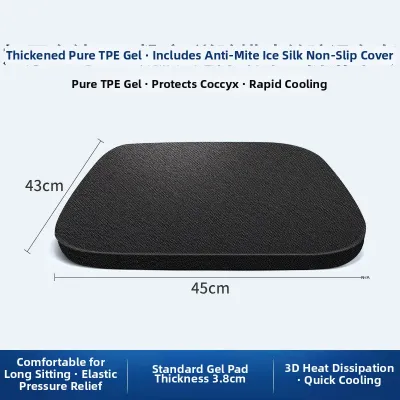
- Dimensions and Thickness: Measure your chair's seat pan before buying. A cushion that is too wide or too deep will bunch up or hang over the edges, compromising its support. Additionally, note the cushion's thickness; a very thick cushion (e.g., 8 cm or more) will raise your seating height significantly. Ensure your chair's cylinder can adjust downward so your feet can still rest flat on the floor, and verify that your desk's clearance and armrest heights remain comfortable.
- Cover Material and Washability: The cushion cover is your direct point of contact. Look for covers made from breathable, moisture-wicking fabrics such as 3D mesh, bamboo-derived rayon, or cotton blends. Ensure the cover features a durable zipper and is fully removable and machine-washable. This is essential for maintaining hygiene, especially if you use the cushion daily.
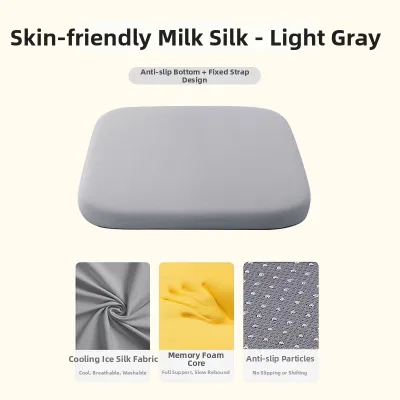
- Non-Slip Base: A seat cushion that constantly slides forward or sideways will ruin your posture and require frequent readjustment. Verify that the bottom surface of the cushion cover is equipped with a high-friction, non-slip material, such as silicone micro-dots or a textured rubberized coating, to keep it securely positioned on your chair.
- Weight Capacity and Density: Check the manufacturer's product specifications for weight recommendations. A cushion designed for lighter individuals will flatten completely under a heavier load, while a cushion engineered for high weight capacities may feel excessively hard to a lighter user. Ensure the density of the foam (ideally above 50 kg/m³ for memory foam) or the firmness of the gel grid matches your body weight to guarantee long-term support.
Frequently Asked Questions (FAQ)
Can I use a thick seat cushion on a mesh office chair?
Yes, you can use a seat cushion on a mesh office chair, but you must account for the changes in ergonomic alignment. Adding a thick cushion raises your hips, which can shift your lower back away from the chair’s built-in lumbar support and alter the relative height of your armrests. If you add a cushion, adjust your chair’s height downward so your feet remain flat on the floor, and ensure the chair’s mesh suspension is rated to handle the concentrated pressure of the cushion base without stretching out.
How do I clean and maintain a gel grid or latex seat cushion?
To clean a gel grid or latex seat cushion, always start by removing the outer fabric cover and washing it according to the manufacturer’s care label. The inner core of these cushions requires gentle, manual care. Spot-clean the latex or gel grid using a damp cloth, lukewarm water, and a small amount of mild, diluted soap. Never submerge latex in water, place it in a washing machine, or expose it to a tumble dryer, as this will destroy its physical structure. Allow the core to air-dry completely in a well-ventilated indoor space, keeping it entirely away from direct sunlight and high heat sources, which can cause both latex and polymer gels to degrade and crack.
Community discussion
Share your experience or ask a question. Comments are reviewed before publication.