
Choosing the right cushion seat is one of the most direct ways to improve your daily comfort, posture, and productivity. Whether you are working from a home office, commuting, or sitting at a corporate desk, the material inside your cushion determines how well your body is supported throughout the day.
While memory foam, latex, and hyper-elastic polymer gel are all popular choices, they perform differently under pressure and in different environments. Finding the perfect match requires balancing your personal physical discomforts, your sitting habits, and your local climate.
Diagnosing Your Seating Discomfort and Posture Needs
Before comparing cushion materials, it is essential to identify the specific discomforts you experience during long sitting sessions. Tailbone pain, or coccydynia, typically occurs when a seat is too hard, placing direct, unyielding pressure on the base of your spine. Lower back strain often points to a lack of pelvic support, which causes your pelvis to tilt backward and your lumbar spine to slouch.
Products mentioned in this guide
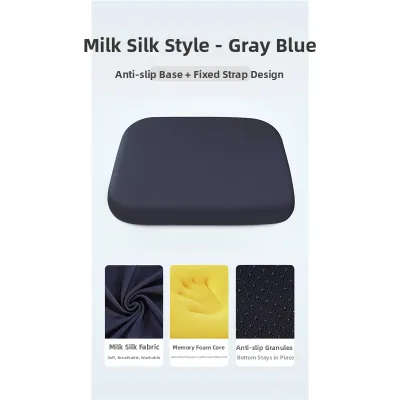
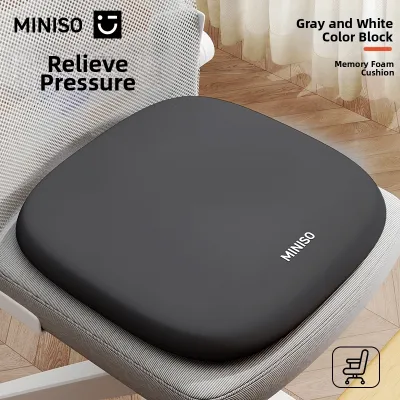
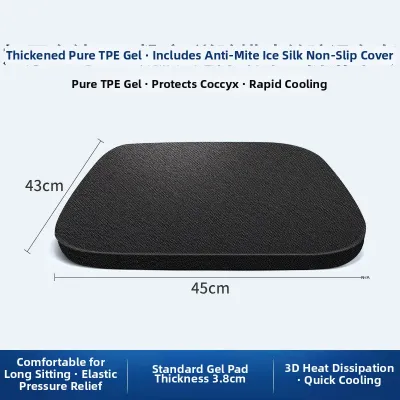
![[SG Stock] Honeycomb Gel Seat Cushion With Cover Silicon Ice Gel Seat Cushion Cooling Mat Egg Support Non Slip Summer Ice Cool Pad Gel Chair Car Office Seat](https://img.lazcdn.com/g/p/bd452066c1c33bff5dd160e661df4be8.jpg_400x400q80.jpg_.webp)
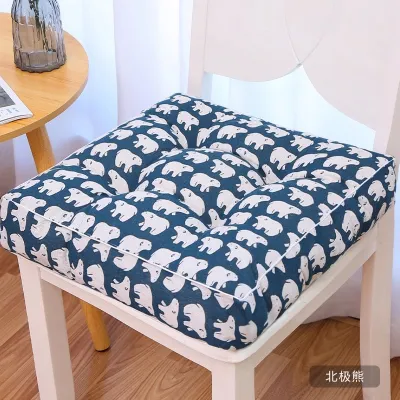
![[Sweet Home] 2pcs Seat Cushion Soft Chair Pad for Home Office Sofa Bar Floor Pillow](https://img.lazcdn.com/g/p/5806d6ec418101a3108f1aef3495d6d2.jpg_400x400q80.jpg_.webp)
Prices are valid at publication and may change. Please refer to the product page for the latest price.
If you find yourself constantly shifting or standing up to cool down, your primary issue is likely heat buildup and poor ventilation. Sliding forward in your chair is another common problem, often caused by a cushion that lacks positional stability or a secure, non-slip base.
Your daily habits and existing furniture also dictate your cushion needs. Sitting for eight hours a day requires a much more resilient material than sitting for short, intermittent periods.
Similarly, your chair type plays a major role; a rigid wooden dining chair turned workspace seat requires a thick, high-density cushion to prevent your sit bones from bottoming out. Conversely, a plush but sagging office chair needs a firm, structured cushion to restore proper ergonomic alignment. Finally, your body weight influences how much a cushion compresses, meaning heavier individuals require materials with higher density or structural resistance to maintain support.
Memory Foam: Contouring Comfort and Pressure Relief
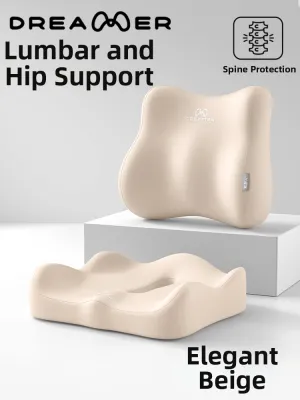
Memory foam, or viscoelastic polyurethane foam, is a highly popular material known for its deep, contouring feel. It is temperature-sensitive, meaning it reacts to your body heat and weight to soften and mold precisely to your unique shape. This customized contouring distributes your body weight evenly across the seat, significantly reducing high-pressure points on your sit bones and thighs.

The Pros:
- Excellent pressure redistribution that cradles sensitive joints and the tailbone.
- Outstanding motion isolation, ensuring the cushion absorbs impact when you sit down or shift.
- Wide availability in various ergonomic shapes, such as contoured U-shape cutouts for coccyx relief.
The Cons:
- Significant heat retention, as the dense polyurethane structure traps airflow.
- Slow response time, which can make you feel "stuck" when trying to shift positions.
- A tendency to bottom out or flatten under heavy loads or in very warm environments where the foam softens excessively.
For users in Singapore’s warm and humid tropical climate, traditional memory foam can quickly become uncomfortably hot unless used in a consistently air-conditioned room. It is best suited for static sitters who remain in one position for long periods, individuals seeking targeted relief from localized joint pain, and those who prefer a soft, cradling sensation.
Latex: Responsive Support and Natural Breathability
Latex cushions offer a highly responsive, buoyant alternative to traditional foams. Natural latex is harvested from the sap of rubber trees, while synthetic latex is manufactured from petroleum-based polymers. High-quality natural latex is favored for its eco-friendly origin, exceptional durability, and natural resistance to dust mites and mold.
The Pros:
- High resilience and immediate "push-back" support that keeps your pelvis properly aligned.
- An open-cell structure that allows continuous airflow, preventing heat and moisture buildup.
- Exceptional durability, maintaining its shape and elasticity for years without sagging or flattening.
The Cons:
- Significantly heavier than polyurethane foams, making it less convenient to carry around.
- A higher initial price point, with premium natural latex cushions representing a larger upfront investment.
- Unsuitable for individuals with known latex allergies.
Because latex pushes back rather than letting you sink deep into the material, it actively supports your body’s natural alignment. This makes it the ideal choice for active sitters who shift positions frequently, individuals who require firm postural support to prevent slouching, and eco-conscious users prioritizing breathable, natural materials.
Gel and Polymer Grids: Cooling Properties and Firm Stability
Modern gel cushions generally fall into two categories: gel-infused memory foam and solid hyper-elastic polymer grids. While gel-infused foam offers a slight improvement in temperature regulation over standard foam, solid polymer grids represent a complete departure from foam technology. These cushions feature a molded honeycomb or grid structure made of highly elastic rubber-like materials.
The Pros:
- Superior heat dissipation, as the open grid columns allow air to circulate freely beneath you.
- Dynamic pressure relief, where the grid walls buckle under high-pressure areas while remaining upright under lower-pressure zones.
- High structural stability that prevents the cushion from bottoming out, even under heavy loads.
The Cons:
- A firm, rubbery feel that lacks the plush, cozy texture of traditional foam cushions.
- Heavy and floppy construction, which reduces portability between different chairs.
- Intricate grid patterns that can trap dust or liquids, making them tedious to clean if a major spill occurs.
Solid gel grid cushions are highly effective at preventing sweat and discomfort in humid conditions, making them excellent for non-air-conditioned spaces. They are ideal for individuals prone to overheating, users who need firm pelvic alignment, and those who sit for long, uninterrupted hours.
Comparing Comfort, Support, and Durability Across Materials
To make an informed decision, it helps to compare these three materials side-by-side across the key performance dimensions that impact daily use.
| Material | Pressure Relief | Responsiveness | Breathability | Durability | Ideal User Profile |
|---|---|---|---|---|---|
| Memory Foam | Excellent (Cradling) | Slow | Low | Moderate | Static sitters, joint pain sufferers, air-conditioned spaces |
| Natural Latex | Good (Buoyant) | Fast | High | Very High | Active sitters, posture-focused users, eco-conscious buyers |
| Gel Polymer Grid | Excellent (Buckling) | Instant | Maximum | High | Hot-natured sitters, heavy users, long-hour office workers |
Understanding the distinction between “support” and “comfort” is crucial when evaluating these options. Comfort is the immediate, plush sensation of sinking into a material that contours to your body, which is memory foam’s primary strength. Support, however, is the long-term maintenance of healthy spinal alignment. Latex and gel grids excel at support by pushing back against your weight, preventing your pelvis from tilting into a slouching position over hours of sitting.
Durability also varies significantly over time. Memory foam eventually loses its viscoelastic properties, leading to permanent sagging and a loss of support after a few years of daily use. Natural latex is incredibly resilient but can slowly oxidize, turning brittle or crumbling if exposed to excessive heat and light over many years. Hyper-elastic gel grids are highly durable but can occasionally tear if subjected to sharp objects or rough handling.
Weight and portability are practical factors if you plan to move your cushion between your home office, dining chair, and corporate workplace. Memory foam cushions are lightweight and easy to carry, often coming with built-in handles. Gel grid cushions, by contrast, are heavy and flexible, making them cumbersome to transport frequently.
Matching the Cushion Seat to Your Daily Habits and Climate
In a tropical climate like Singapore, managing heat and humidity is often the deciding factor for seating comfort. If you work in a room with natural ventilation or a ceiling fan, a solid memory foam cushion can quickly become a heat trap, leading to sweating and discomfort. In these setups, a gel polymer grid or an open-cell natural latex cushion is highly recommended to keep your skin cool and dry.
When choosing a cushion, you must also ensure its thickness does not compromise your overall desk ergonomics. Adding a thick cushion (often 5 to 8 cm) raises your seating height. If your chair is not adjustable, this extra height can alter your leg angle, forcing your knees into an uncomfortable position or preventing your thighs from clearing the underside of your desk. Ideally, your feet should remain flat on the floor with your knees bent at a 90-degree angle.
To maximize the benefits of your cushion’s core material, pay close attention to the cover design:
- Mesh Covers: Highly recommended for gel and latex cores, as they allow air to flow freely and complement the material's breathability.
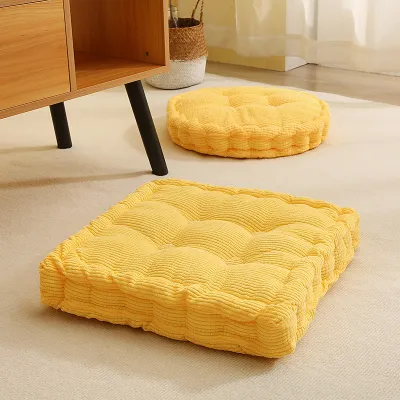
- Velour or Plush Covers: Soft and comfortable against the skin, but they tend to retain heat, making them better suited for air-conditioned offices.
- Non-Slip Bottoms: Look for a cover with a rubberized, textured underside to prevent the cushion from sliding on smooth wooden, plastic, or leather chairs.
If you find yourself torn between materials, consider a hybrid design. Many modern cushions feature a highly supportive, contoured memory foam base topped with a layer of cooling gel or a thin polymer grid. This combination offers the deep pressure relief of foam alongside the initial cooling benefits of gel.
Maintenance, Cleaning, and Replacement Signals
Proper maintenance extends the lifespan of your cushion seat and ensures it continues to provide hygienic, reliable support. Always prioritize the manufacturer’s care label on your specific product before performing any cleaning.
Routine Care Steps:
- Vacuuming: Regularly vacuum the cushion cover to remove dust, skin cells, and allergens.
- Spot Cleaning: Wash the removable cover frequently. If the inner core needs spot cleaning, use a damp cloth with a tiny amount of mild detergent, then allow it to air-dry completely in a shaded area.
- Sunlight Avoidance: Keep both memory foam and latex cores out of direct sunlight, as ultraviolet rays accelerate the chemical breakdown of these materials.
What to Avoid:
- Never place a memory foam or latex core in a washing machine or tumble dryer. The mechanical spinning will tear the delicate cell structures, and high heat will melt or warp the materials.
- Avoid using harsh chemical solvents, bleach, or highly concentrated alcohol sprays, which degrade the polymer bonds.
- Do not fold, roll, or compress your cushion tightly for long-term storage, as this can cause permanent creasing or tearing.
Even the highest-quality cushions will eventually need replacement. Keep an eye out for clear warning signs that your cushion has reached the end of its functional life. These include visible permanent indentations that do not bounce back overnight, a noticeable loss of firmness, lingering musty odors that persist after washing the cover, or a return of the lower back, hip, or tailbone pain that the cushion previously helped relieve.
Frequently Asked Questions (FAQ)
Can I use a memory foam seat cushion on a mesh office chair?
Yes, you can use a memory foam cushion on a mesh chair, but you may experience stability issues. Mesh office chairs feature a flexible, suspended seating surface that sags slightly under weight. Placing a semi-rigid memory foam cushion on top can cause the cushion to slide or shift. To prevent this, choose a cushion equipped with a highly effective non-slip rubberized bottom or adjustable straps that secure it directly to the chair’s frame.
Are gel grid cushions better than memory foam for sciatica?
Both materials offer different benefits for sciatica, and the best choice depends on your specific physical needs. Sciatica relief requires reducing pressure on the sciatic nerve while maintaining pelvic alignment to prevent slouching. A U-shaped or coccyx-cutout memory foam cushion directly unloads pressure from the tailbone and lower spine. A gel grid cushion provides firmer pelvic support and distributes weight dynamically, which helps maintain proper spinal curvature. For chronic nerve pain, always consult a healthcare professional or physical therapist for a personalized recommendation.
How do I clean a spill on a hyper-elastic polymer gel cushion?
To clean a spill on a solid gel grid cushion, first remove the fabric cover and wash it separately according to its care instructions. Take the bare gel core to a sink or shower and rinse it thoroughly under lukewarm running water. If the spill is sticky, use a mild, diluted dish soap and gently wash the grid channels with your hands, avoiding abrasive sponges or scrub brushes. Shake off the excess water, then lay the gel grid flat on a clean towel in a well-ventilated, shaded indoor area to air-dry completely before reassembling.
Community discussion
Share your experience or ask a question. Comments are reviewed before publication.