
Selecting the ideal cushion seat depends entirely on your personal physical requirements, daily sitting habits, and the environment in which you work or rest. Each of the three primary materials—memory foam, latex, and gel—approaches ergonomic support and pressure distribution from a different structural standpoint. There is no single, universally superior material; the optimal choice is a conditional one based on your personal comfort priorities.
Memory foam is highly regarded for its deep contouring and targeted pressure relief, making it a common choice for individuals seeking to alleviate localized discomfort on the tailbone or hips. Latex offers a responsive, buoyant lift that supports the body without letting it sink, appealing to those who prefer active spinal alignment and long-term material durability. Gel, particularly when engineered in a grid or honeycomb structure, excels at temperature regulation and firm, even weight distribution, serving as an excellent option for users who tend to overheat during long sitting sessions.
To make an informed decision, you must evaluate how these materials behave under prolonged weight, how they respond to ambient temperature, and how well they maintain their structural integrity over time. This comparison establishes a comprehensive framework to help you select a cushion seat that aligns with your daily routine, seating setup, and comfort preferences.
Products mentioned in this guide
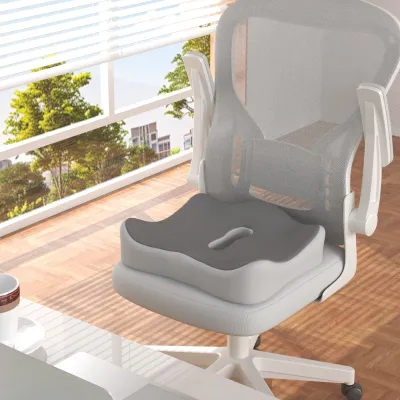
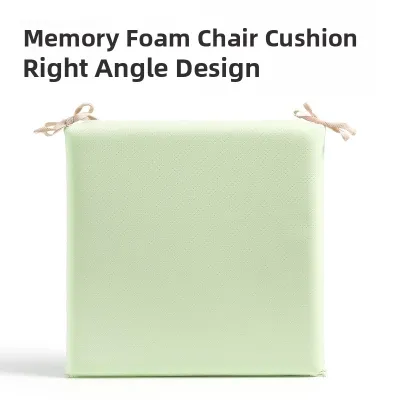
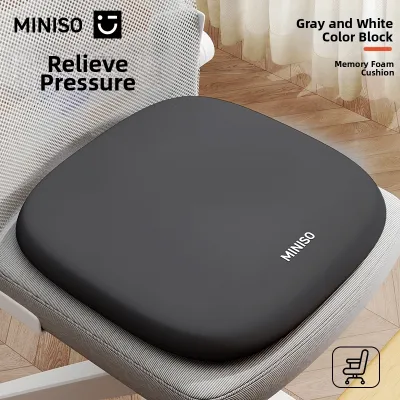
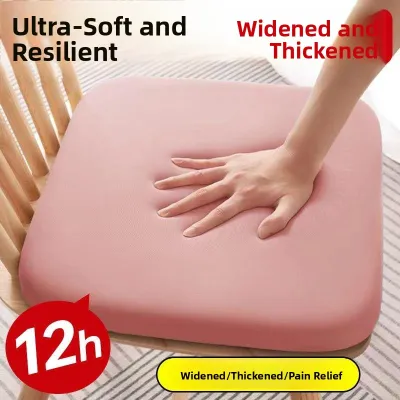
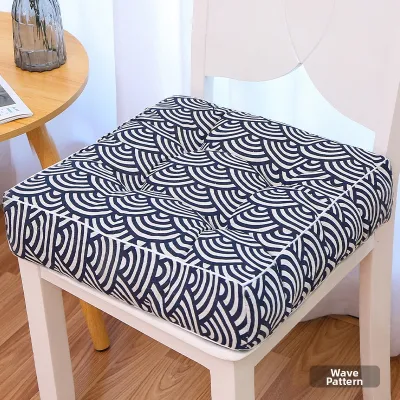
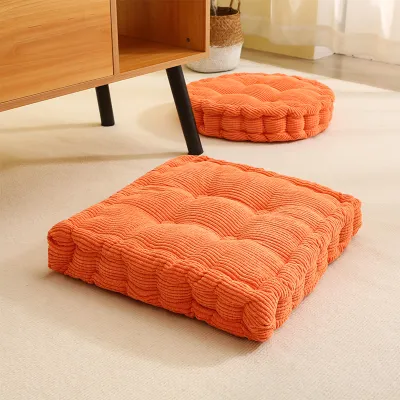
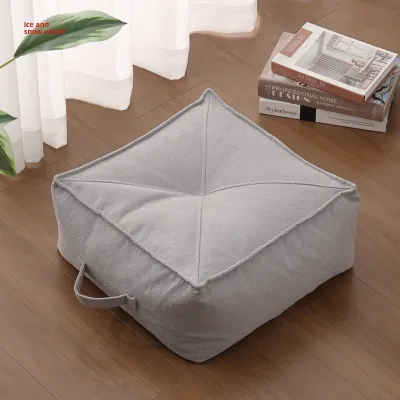
Prices are valid at publication and may change. Please refer to the product page for the latest price.
Material Breakdown: How Memory Foam, Latex, and Gel Compare
To understand which cushion seat material will serve you best, it is essential to examine the physical characteristics and structural mechanics of each option. The way a material reacts to your body weight, movement, and temperature dictates its long-term comfort and supportive performance.
Memory Foam Seat Cushions
Memory foam, or viscoelastic polyurethane foam, is engineered to respond directly to both weight and temperature. When you sit on a memory foam cushion seat, your body heat softens the material, allowing it to compress and mold precisely to your unique physical contours. This customized molding process is exceptionally effective at distributing body weight across a wider surface area, which significantly reduces pressure on sensitive areas like the ischial tuberosities (sit bones), tailbone, and lower back.
For individuals managing localized pain or recovering from mild coccyx discomfort, the deep cradling effect of memory foam provides immediate, targeted relief. However, this temperature-sensitive behavior introduces a notable trade-off: heat retention. Because memory foam requires heat to contour and possesses a dense, closed-cell structure, it tends to trap body heat. In warm or humid climates, such as a typical non-air-conditioned home office in Singapore, this can lead to a warm, sweaty seating experience over extended hours. Additionally, memory foam has a slower response rate, meaning it takes a few moments to adjust when you shift positions or stand up.
When shopping for a memory foam cushion seat, it is highly recommended to check the manufacturer’s product specifications for foam density. Higher density foams (generally around 50 to 80 kg/m³) offer superior, longer-lasting support and resist flattening under weight, whereas lower density alternatives may bottom out quickly. Furthermore, look for cushions featuring breathable covers, such as 3D mesh, or those infused with cooling agents to help mitigate heat retention.
Latex Seat Cushions
Latex seat cushions operate on a fundamentally different mechanical principle than memory foam, prioritizing responsiveness and buoyant lift. Derived from the sap of rubber trees (in the case of natural latex) or synthesized chemically, this material features an elastic molecular structure that immediately pushes back against applied pressure. Instead of sinking deeply into the cushion, you experience an active sensation of being supported on top of the seat, which helps maintain natural spinal alignment and facilitates easy movement.
This buoyant push-back is highly beneficial for individuals who feel restricted by the deep contouring of memory foam or who frequently shift positions while working. Natural latex is inherently breathable due to its open-cell structure, which is often enhanced during manufacturing with ventilation pinholes that allow air to circulate freely. For allergy sufferers, high-quality natural latex is also naturally resistant to dust mites and mold, making it a hygienic addition to home or office chairs.
On the downside, latex cushions tend to be heavier than their foam counterparts and can feel noticeably firmer during initial use. Because high-quality natural latex is a premium material, these cushions often fall into a higher price bracket, typically ranging from S$60 to over S$120 in the local market. When evaluating latex, it is crucial to verify whether the product is made of 100% natural latex, synthetic latex, or a blended composition by checking the product specifications and care labels, as synthetic blends may not offer the same longevity or breathability.
Gel Seat Cushions
Gel seat cushions are typically constructed from hyper-elastic polymers molded into a structural grid, column, or honeycomb pattern. This unique design does not rely on material compression alone; instead, it utilizes column buckling technology. Under weight, the walls of the gel grid support the body up to a threshold, then buckle outward to distribute pressure evenly across adjacent columns. This provides a highly stable, non-sinking base that prevents the user from bottoming out, even during long, continuous hours of sitting.
The primary advantage of a gel grid cushion seat is its exceptional temperature regulation. Unlike solid foam, the open channels of a honeycomb or grid structure allow air to flow completely unobstructed, preventing heat from building up against your body. This active cooling effect is highly valued by users who run hot or work in environments without continuous air conditioning. The material itself is also highly resilient, waterproof, and easy to sanitize.
However, gel cushions are generally the heaviest option among the three, making them less convenient to transport frequently. They also provide a very distinct, firm feel that lacks the plush, cozy contouring of memory foam. For users who prefer a soft, cushioned sink-in sensation, a pure gel grid may feel too rigid or rubbery. It is always wise to check the thickness and grid density of a gel cushion, as thinner models may not provide sufficient depth for heavier individuals.
Head-to-Head Comparison: Support, Comfort, and Durability
To help you weigh these options, we must compare memory foam, latex, and gel directly across the key performance dimensions that impact your daily seating experience.

Ergonomic Support & Pressure Relief
The three materials offer distinct support profiles. Memory foam excels at localized pressure relief by conforming closely to your body, making it the premier choice for soothing specific sore spots. However, it can compromise overall spinal alignment if the foam is too soft, as it allows the pelvis to tilt backward. Latex provides excellent ergonomic support by keeping the pelvis neutral and actively lifting the spine, though it offers less localized cradling. Gel distributes body weight evenly across its entire surface, preventing high-pressure hot spots without sacrificing stability, making it ideal for general ergonomic maintenance during long workdays.
Temperature Regulation
Temperature management is a critical consideration, particularly in tropical climates. Traditional memory foam performs poorly in this category, acting as an insulator that traps body heat and can cause discomfort during prolonged use. Latex offers moderate to high thermal comfort; its open-cell structure and ventilation holes allow heat to dissipate far more effectively than solid foam. Gel grid structures represent the peak of temperature regulation, as the physical voids in the grid allow continuous airflow, making them the coolest option available.
Durability & Lifespan
The longevity of your cushion seat directly impacts its overall value. High-quality natural latex is exceptionally durable, resisting sagging and retaining its buoyant properties for many years without structural degradation. Gel cushions are also highly durable and maintain their shape consistently, though the polymer can tear if exposed to sharp objects or if compressed without a protective cover. Memory foam is the most susceptible to wear; over time, especially under heavy daily use, it can lose its resilience, fail to rebound, and permanently flatten, necessitating more frequent replacement.
| Material | Support Type | Heat Retention | Durability | Best For |
|---|---|---|---|---|
| Memory Foam | Deep contouring & localized pressure relief | High (traps body heat) | Moderate (may sag over time) | Tailbone pain, plush comfort, air-conditioned rooms |
| Latex | Buoyant, responsive lift & active alignment | Low to Moderate (breathable open-cell) | High (resists sagging) | Natural material preference, easy movement, long-term use |
| Gel | Firm, even weight distribution (column buckling) | Very Low (maximum airflow grid) | High (durable polymer core) | Hot climates, firm support, preventing bottoming out |
How to Choose the Right Cushion Seat for Your Needs
Selecting the perfect cushion seat requires matching these material properties to your personal physical needs, daily habits, and seating environment.
Choose Memory Foam if:
- You experience acute, localized discomfort, such as tailbone (coccyx) pain or hip soreness, and require deep, contouring pressure relief.
- You prefer a soft, plush, sink-in feel that cradles your lower body.
- You primarily sit in air-conditioned environments, such as modern office buildings, where ambient cooling offsets the material's natural heat retention.
Choose Latex if:
- You want a responsive, springy support system that makes it easy to stand up or shift positions without feeling stuck in a contour.
- You prioritize eco-friendly, natural materials and want a cushion that is naturally resistant to dust mites and common allergens.
- You are looking for a long-term investment that will maintain its shape and supportive qualities for years to come.
Choose Gel if:
- You frequently overheat or perspire while sitting and require maximum ventilation and active cooling.
- You prefer a firm, highly stable base that maintains its structural integrity and prevents you from bottoming out on hard chairs.
- You need a low-maintenance, highly durable cushion for heavy, everyday use in warm settings.
Verify First:
If you are managing a severe or chronic medical condition, such as advanced sciatica, herniated discs, or significant coccyx injuries, it is essential to consult a qualified healthcare professional or physical therapist before purchasing. A specialized orthopedic cushion with specific cutouts may be required. Additionally, always check the cushion’s cover specifications. A high-quality cover should be removable, machine washable, and feature a reliable non-slip bottom surface to prevent the cushion from sliding out of alignment on smooth office or car seats.
Care and Maintenance Tips for Long-Lasting Support
Proper maintenance ensures your cushion seat continues to provide optimal ergonomic support while remaining hygienic over its lifespan.
Cleaning the Cover
Always check the manufacturer’s care label on the cover before washing. Most modern cushion seats feature a zippered, removable cover that can be machine washed on a gentle cycle with mild detergent. To preserve the non-slip backing or elastic straps, it is often best to air dry the cover rather than using a high-heat clothes dryer.
Material-Specific Care
- Memory Foam: Never submerge or machine wash the memory foam core. Water can saturate the dense cell structure, breaking down the viscoelastic bonds and promoting mold growth—a particular risk in humid environments. If cleaning is necessary, spot clean the surface gently with a damp cloth and mild soap, then allow it to air dry completely in a well-ventilated indoor space away from direct heat sources.
- Latex: Natural latex must be kept away from direct sunlight and high heat. Ultraviolet rays and excessive heat cause natural rubber to oxidize, dry out, and crumble. To clean, spot clean with a damp cloth and mild soap, and dry it thoroughly in the shade.
- Gel: The polymer core of a gel cushion can be wiped down with a damp cloth or rinsed under cool water. Avoid using harsh chemical solvents or exposing the gel to sharp objects, such as keys or pens, which can puncture or tear the grid walls.
Storage and Rotation
Store your cushion in a cool, dry, well-ventilated space when not in use. To ensure even wear and prevent localized compression spots, periodically rotate the cushion front-to-back (if the design is symmetrical) or flip it over if the cover and core permit.
Frequently Asked Questions (FAQ)
Can I use a memory foam seat cushion in a car?
Yes, you can use a memory foam cushion seat in a car, but you must take several safety and practical factors into account. Memory foam reacts to temperature, meaning it may feel very firm when you first enter a cold car and compress significantly as it warms up under your body weight. This compression can alter your seating height, potentially shifting your line of sight and pedal reach. Always verify that the cushion’s thickness does not interfere with your ability to operate the pedals safely, maintain a proper driving posture, or adjust your seatbelt correctly.
Are gel seat cushions good for sciatica?
Gel seat cushions, particularly those featuring a honeycomb or grid design, are highly effective at distributing body weight evenly, which can help reduce the localized pressure on the sciatic nerve that occurs during prolonged sitting. However, for targeted sciatica relief, a cushion with an ergonomic cutout—such as a U-shaped or wedge design—is often more effective at completely unloading pressure from the tailbone and lower spine. If you experience severe sciatica, look for a hybrid cushion that combines a supportive memory foam base with a contoured shape and a cooling gel top layer.
How often should I replace my seat cushion?
The replacement frequency of a cushion seat depends largely on the material quality and how many hours it is used daily. Rather than relying on a rigid timeline, you should perform a visual and physical inspection of the cushion’s core. Clear signs that it is time for a replacement include visible flattening that does not rebound, a noticeable loss of support, permanent body indentations, or physical tearing of the core material. If you find yourself bottoming out and feeling the hard chair beneath you, the cushion has reached the end of its supportive lifespan.
Community discussion
Share your experience or ask a question. Comments are reviewed before publication.