
Choosing the right bench seat cushion requires balancing how a material reacts to your body weight with how quickly it recovers its shape. Hard wooden or metal benches offer zero give, meaning the cushion must perform all the heavy lifting to prevent discomfort during extended sitting. The ideal fill material is not a one-size-fits-all decision; instead, it depends on whether you prioritize deep contouring pressure relief, a springy and buoyant lift, or a lightweight, budget-friendly layer of softness.
Memory foam is renowned for its slow-recovery behavior, reacting to both body heat and pressure to mold precisely to your physical shape. When you sit on a memory foam bench cushion, you will feel a gradual sinking sensation as the material cradles your pressure points. This contouring effect distributes your weight evenly across the bench surface, making it highly effective for relieving pressure on the tailbone. However, because memory foam retains heat and conforms closely to the body, it can sometimes feel warm in humid climates, and moving around on it requires slightly more effort due to the slow response time.
Latex offers a contrasting physical experience, characterized by its immediate recovery and buoyant, springy support. Unlike memory foam, which allows you to sink deep into the cushion, latex pushes back against your weight, keeping you positioned on top of the bench rather than in it. This makes it exceptionally easy to stand up and shift positions. When shopping, you will find natural latex, synthetic latex, and blended options. Natural latex is harvested from rubber tree sap and is highly durable, while synthetic alternatives are often more budget-friendly but may have a slightly shorter lifespan. Checking the product label is essential to verify the exact composition of the latex blend.
Products mentioned in this guide
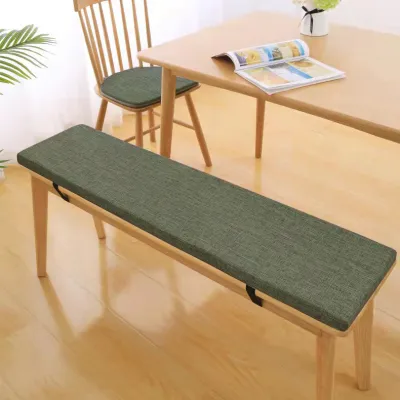
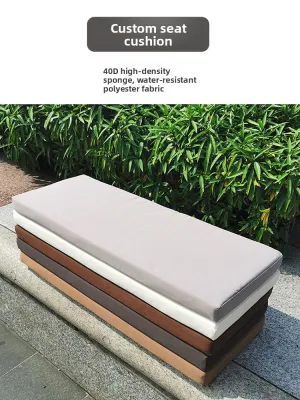
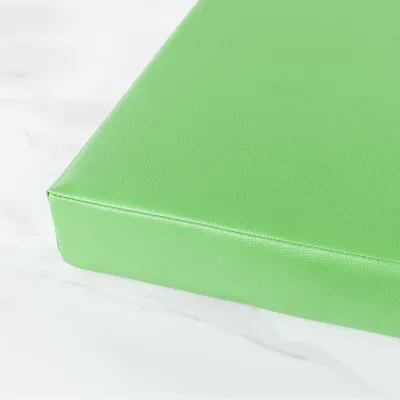
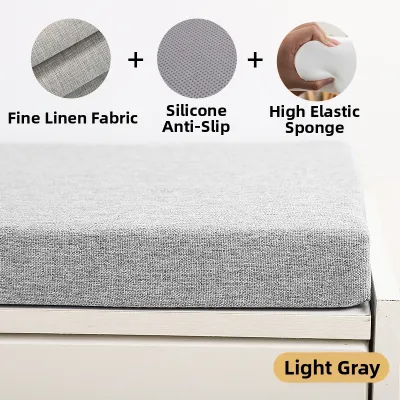
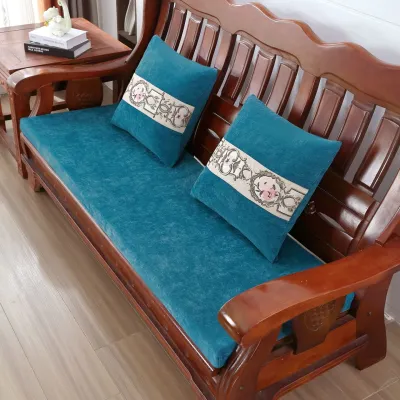
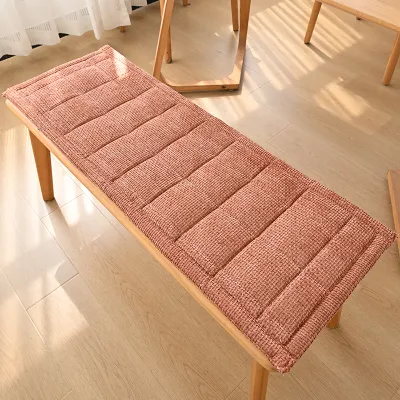
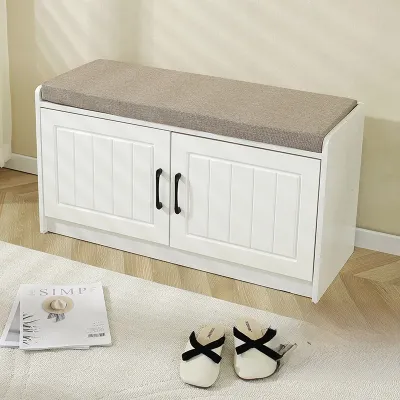
Prices are valid at publication and may change. Please refer to the product page for the latest price.
Polyester fiberfill is a lightweight, highly compressible material commonly found in budget-friendly or decorative cushions. It consists of loose or blown synthetic fibers that create a soft, fluffy feel when first used. While polyester provides an inviting, plush surface, it lacks the structural density of foam or latex, meaning it compresses easily under direct weight. For a hard bench surface, standard polyester fiberfill requires a very high loft, tufted construction, or an inner foam core to prevent you from feeling the hard wood or metal underneath.
Evaluating Support, Comfort, and Lifespan for Hard Benches
When assessing cushions for hard benches, support is the primary defense against bottoming out—the uncomfortable point where a cushion compresses completely, leaving you sitting directly on the hard bench surface. Structured materials like memory foam and latex excel at load-bearing support because their dense cell structures distribute weight horizontally. Memory foam achieves this by flowing around your shape, while latex relies on its natural elasticity to push back. In contrast, standard polyester fiberfill lacks a cohesive structure, meaning the individual fibers slide past one another under pressure, often resulting in rapid bottoming out unless the cushion is exceptionally thick or tightly tufted.
Comfort remains highly subjective, depending on whether you prefer a cradling, bouncy, or plush seating experience. Memory foam provides a deeply cushioned, stable feel that minimizes movement, which is ideal if you enjoy a stationary, molded seat. Latex offers a cooler, more active comfort level, as its open-cell structure allows air to circulate more freely than dense memory foam, reducing heat buildup. Polyester fiberfill delivers an initial cloud-like softness that feels cozy for short periods, but it lacks the sustained pressure relief needed for long dinners or extended work sessions. To maximize comfort in warm environments, always check the breathability of the outer cover material, as a heavy synthetic cover can trap heat regardless of the fill inside.
The lifespan of a bench cushion is directly tied to its resistance to permanent compression, often referred to as sagging. Latex is widely recognized for its exceptional durability, maintaining its shape and springiness for years without developing permanent body indentations. High-density memory foam also offers excellent longevity, though lower-density variants can soften and lose their supportive qualities relatively quickly. Polyester fiberfill has the shortest lifespan of the three, as the loose fibers naturally mat down and clump together over time with regular use.
To accurately verify the expected lifespan of a cushion, look past vague marketing terms like “heavy-duty” or “premium quality.” Instead, examine the manufacturer’s technical specifications for density ratings, which are typically measured in kilograms per cubic meter or pounds per cubic foot for foam products. A higher density rating generally indicates a longer-lasting cushion that resists flattening. Additionally, review the manufacturer’s warranty terms and the care label instructions, as proper maintenance is crucial to preserving the structural integrity of any cushion material over time.
Choosing the Right Fill for Your Bench Location and Usage
The ideal cushion material changes significantly depending on where the bench is located and how frequently it is used. For indoor dining benches, where family and guests may sit for hours during meals, comfort and aesthetics must coexist. A sleek, low-profile bench looks best with a dense, supportive material like high-density memory foam or latex, which provides excellent comfort without requiring a bulky, thick cushion. Entryway benches, which are typically used for just a few minutes while putting on shoes, do not require heavy-duty support; here, a thinner, budget-friendly polyester fiberfill cushion can provide sufficient comfort while maintaining a neat, structured appearance.

Outdoor and patio benches present a completely different set of environmental challenges, primarily involving moisture, humidity, and sun exposure. Standard memory foam is highly susceptible to water damage, as its dense, sponge-like structure traps moisture, leading to mold, mildew, and rapid degradation of the foam. If you prefer a foam feel outdoors, you must select specialized open-cell reticulated foam designed for outdoor use, paired with a water-resistant cover. Latex has some natural resistance to mildew, but synthetic blends or treated outdoor polyester fiberfill are often preferred for damp environments because they dry much faster. Regardless of the material chosen, bringing your outdoor cushions inside during heavy rain or prolonged wet weather is a necessary safety boundary to prevent internal mold growth and extend their usable life.
Usage frequency is another critical factor when deciding on a cushion fill. High-traffic seating areas, such as a kitchen banquette or a busy waiting area bench, demand highly resilient materials that can withstand constant compression. Investing in natural latex or high-density memory foam ensures the cushion remains supportive and visually appealing even after thousands of uses. For occasional-use benches, such as a decorative bedroom bench or a guest room window seat, a softer, less dense polyester fill or a medium-density foam is a practical and cost-effective choice that meets your occasional seating needs without unnecessary expense.
Essential Specifications to Verify Before Purchasing
Before finalizing your purchase on any online marketplace, taking precise measurements of your bench is critical. Measure the exact length and depth of the seating surface, as a cushion that is even slightly too large will overhang and slide, while one that is too small will look unfinished and leave uncomfortable gaps. Additionally, consider the thickness of the cushion in relation to the height of the bench. A very thick cushion might raise your seating position too high, reducing the leg clearance under a dining table or making it awkward for shorter users to rest their feet flat on the floor. Aim for a thickness that balances support with comfortable ergonomic clearance.
When evaluating support online, ignore subjective marketing descriptions such as “ultra-supportive” or “extra firm.” Instead, look for concrete density and firmness indicators in the product specifications. For foam and latex cushions, look for the Indentation Load Deflection (ILD) or Indentation Force Deflection (IFD) rating if available, which measures the force required to compress the material. If these technical specs are not listed, check the product’s recommended weight limits. A cushion designed for lightweight decorative use will quickly flatten under adult weight, so verifying these limits ensures the cushion matches your household’s needs.
The outer cover of the cushion plays a vital role in both maintenance and safety. Look for cushions featuring removable covers with durable, recessed zippers, allowing you to wash the cover easily without damaging the inner fill. For smooth wooden, acrylic, or metal benches, security is a major safety consideration to prevent slips and falls. Verify that the cushion includes non-slip backing materials, such as silicone grip dots, or sturdy fabric ties that can be secured to the bench frame or legs. While a basic polyester cushion might cost under S$30 on an online marketplace, high-density latex or memory foam options often range from S$60 to S$120; verifying these specifications against your budget ensures you get the best value for your investment.
Frequently Asked Questions (FAQ)
Can I use a standard polyester pillow insert as a bench cushion?
Standard polyester pillow inserts are designed for decorative loft and head support, not for bearing full body weight on a hard surface. Because they lack structural density, they will compress completely under your weight, causing you to bottom out against the hard bench. For comfortable bench seating, you should use materials specifically engineered for seating support, such as high-density foam, latex, or specialized high-loft tufted polyester cushions designed for chairs and benches.
How do I clean and maintain these different cushion fills?
Always check the manufacturer’s care label before attempting to clean any cushion fill, as improper washing can ruin the material’s structure. Generally, solid memory foam and latex cores should never be machine-washed or submerged in water, as they trap moisture internally and can tear; instead, spot-clean them with a damp cloth and mild detergent. Polyester fiberfill cushions can sometimes be hand-washed or machine-washed on a gentle cycle if specified by the manufacturer, but they must be dried completely in a well-ventilated area to prevent mold and mildew growth.
Community discussion
Share your experience or ask a question. Comments are reviewed before publication.