
Selecting the right cushion seat can transform your daily sitting experience, especially if you spend long hours at a desk or dining table. The ideal material depends on how your body interacts with support, pressure, and heat throughout the day. While memory foam, latex, and polyester are the most common fills, each behaves differently under sustained weight.
To make an informed choice, you must evaluate how these materials distribute pressure, regulate temperature, and hold up over months of continuous use. A cushion that feels comfortable for ten minutes might cause discomfort or posture issues after several hours. Understanding the physical properties of each material is the first step toward finding a lasting seating solution.
Understanding the Core Traits of Each Cushion Seat Material
Memory foam, or viscoelastic polyurethane foam, is engineered to respond to both weight and temperature. When you sit on it, your body heat softens the foam, allowing it to contour precisely to your physical shape. This slow-recovery material distributes weight evenly across the surface, but it naturally retains heat due to its dense, closed-cell structure.
Products mentioned in this guide
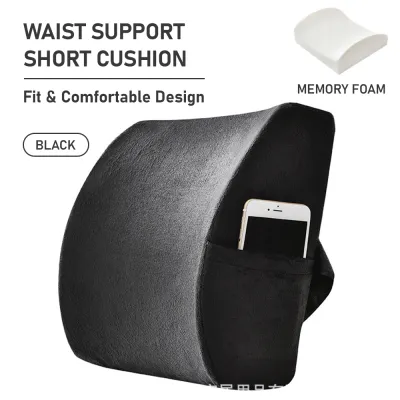
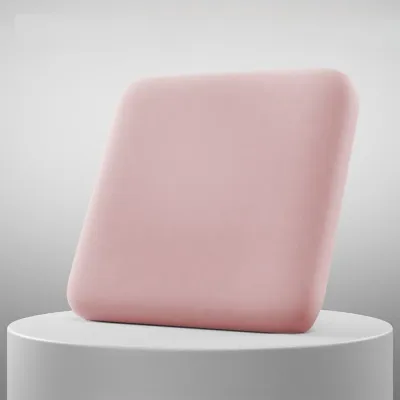
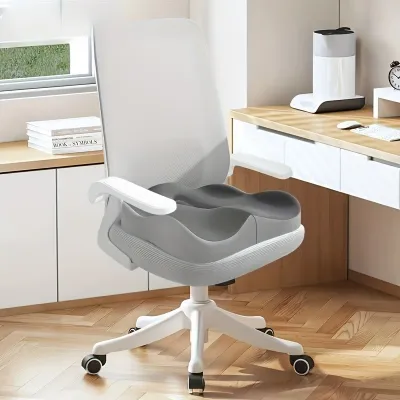
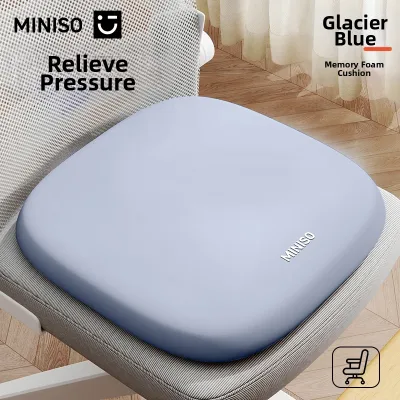
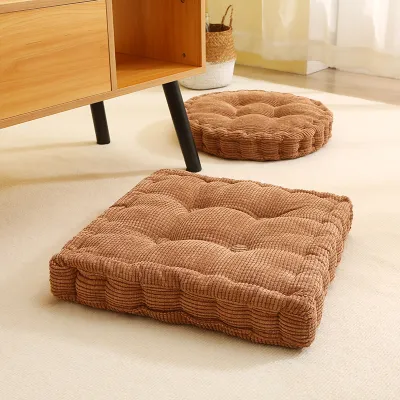
![[Sweet Home] 2pcs Seat Cushion Soft Chair Pad for Home Office Sofa Bar Floor Pillow](https://img.lazcdn.com/g/p/5806d6ec418101a3108f1aef3495d6d2.jpg_400x400q80.jpg_.webp)
Prices are valid at publication and may change. Please refer to the product page for the latest price.
Latex is a highly resilient material that can be sourced naturally from the sap of rubber trees or manufactured synthetically. It is characterized by an open-cell structure that promotes airflow and an inherent elasticity that provides immediate bounce. Unlike memory foam, latex does not rely on body heat to conform to your shape, allowing it to remain supportive and responsive regardless of the room temperature.
Polyester fiberfill consists of fine, synthetic polyester strands clustered together to create a soft, lightweight cushion. It is highly compressible and offers a plush, cloud-like feel upon initial contact. Because it lacks a solid, unified core, polyester relies on the density of its fiber packing to provide support, making it highly portable but prone to shifting and flattening under continuous load.
Comparing Comfort and Support for Extended Sitting
Extended sitting places significant stress on the tailbone, hips, and lower back, making pressure relief a primary requirement for any cushion seat. Memory foam excels at pressure distribution by cradling the contours of your lower body. By sinking slightly into the foam, your weight is spread over a larger surface area, which helps minimize localized pressure points on the sit bones and tailbone.

Latex offers a different style of comfort characterized by active, responsive support. Instead of allowing you to sink deeply into the cushion, latex pushes back against your weight to keep your pelvis in a neutral, aligned position. This buoyant quality makes it easier to shift positions and stand up, preventing the heavy, immobile sensation that some users experience with deep-contouring memory foam.
Polyester fiberfill presents a higher risk of bottoming out during long sitting sessions. Under the continuous weight of an adult, the loose synthetic fibers compress completely, eventually leaving very little cushioning between your body and the hard chair beneath. While a polyester cushion may feel comfortable for short intervals, it rarely provides the structural integrity needed to support your posture over an eight-hour workday.
When evaluating these materials, body weight and density specifications play a crucial role in long-term support. High-density memory foam and firm latex are essential for heavier individuals, as low-density alternatives will compress too quickly and fail to provide adequate elevation. Always check the manufacturer’s density ratings to ensure the cushion is rated for your specific usage needs.
Evaluating Breathability, Maintenance, and Daily Usability
In warm and humid environments, such as Singapore, heat retention can quickly turn a comfortable cushion into an unusable one. Memory foam’s dense structure naturally traps body heat, which can lead to a warm, sweaty seating surface during long afternoons. While some memory foam cushions feature ventilation holes or gel infusions to mitigate this effect, the material inherently runs warmer than its competitors.
Latex is highly breathable due to its open-cell matrix and the pincore ventilation holes created during the manufacturing process. This design allows air to circulate freely beneath the body, helping to dissipate heat and moisture throughout the day. Polyester fiberfill also allows decent airflow through its loose fiber network, though the overall breathability will depend heavily on the fabric cover chosen by the manufacturer.
Maintenance requirements vary significantly between solid foams and fiber fills, requiring careful attention to manufacturer care labels. Solid memory foam and latex cores must never be submerged in water or placed in a washing machine, as moisture can degrade the material and lead to mold growth. These cores should only be spot-cleaned and air-dried in a shaded area, as direct sunlight can cause latex to crumble and memory foam to lose its elasticity.
In contrast, many polyester cushions are fully machine-washable, making them highly practical for high-use areas like dining rooms or kitchens where spills are common. However, polyester is also the most prone to structural degradation, often clumping or flattening permanently after repeated washing or heavy use. High-density latex and quality memory foam offer much greater structural longevity, resisting permanent deformation for years when cared for properly.
Decision Framework: Which Cushion Seat Material Fits Your Routine?
To select the ideal cushion seat, align the material’s strengths with your daily habits, seating environment, and maintenance preferences.
Choose memory foam if you prioritize customized contouring and targeted pressure relief for your tailbone or hips. This material is highly suitable if you work primarily in air-conditioned rooms where heat retention is easily managed, and you prefer a stable, cradled seating sensation that discourages excessive shifting.
Choose latex if you prefer a cooler, highly breathable seating surface that adapts instantly to your movements. Latex is excellent for warm climates, active sitters who dislike the feeling of sinking, and anyone looking for a durable, resilient material that maintains its shape over years of daily use.
Choose polyester if you need a lightweight, budget-friendly cushion for short-term, intermittent sitting, such as dining or occasional crafting. It is also the practical choice if you require a fully machine-washable cushion that can be easily cleaned after spills or outdoor use.
Before making a final purchase, verify the physical dimensions of the cushion against your chair to ensure a proper fit. Check the manufacturer’s specifications for cover materials, prioritizing breathable fabrics like cotton, linen, or 3D mesh. If you have specific medical conditions, chronic back pain, or severe allergies, consult a healthcare professional or allergist to ensure the material matches your physical requirements.
Frequently Asked Questions (FAQ)
Do I need a separate cover for my cushion seat?
Yes, using a removable, washable cover is highly recommended to protect the inner cushion core from sweat, skin oils, and accidental spills. Because solid foam cores like memory foam and latex cannot be washed, a durable cover acts as the primary barrier against hygiene issues. Look for covers with secure zippered designs and non-slip backings to keep the cushion stable on your chair. Selecting a breathable cover fabric, such as a polyester mesh or natural cotton blend, also helps maximize the airflow of the underlying cushion material.
Can I use a cushion seat on an ergonomic office chair?
You can use a cushion seat on an ergonomic office chair, but you must first check how the added height affects your overall seating posture. Adding a thick cushion will raise your seating position, which may require you to adjust your chair’s height, armrests, and lumbar support to maintain proper alignment with your desk. Additionally, ensure the cushion does not conflict with any built-in contouring on your chair’s seat pan. If the cushion is too wide or thick, it may reduce seat depth, causing your thighs to lack proper support and potentially straining your lower back.
Community discussion
Share your experience or ask a question. Comments are reviewed before publication.