
The ideal sofa cushion filling depends entirely on how you sit, how much time you want to spend on maintenance, and the climate of your living space. If you prefer a deep, body-hugging sink that relieves pressure, memory foam is highly suitable, provided your room is kept cool. For those who prefer a buoyant, springy feel that makes it easy to stand up, latex offers exceptional durability and natural breathability. Meanwhile, polyester fiberfill provides an affordable, cloud-like softness that works beautifully for decorative accents or light-use seating, though it requires regular fluffing to prevent flattening.
Before choosing a material, it is essential to evaluate your household’s daily habits and seating preferences. A sofa in a busy living room with children and pets faces different demands than a quiet reading nook. High-traffic seating requires resilient materials that can withstand constant compression without losing their shape. If your household prefers low-maintenance furniture, you will want to avoid fillings that require frequent manual reshaping or specialized care.
Your local indoor climate also plays a significant role in long-term comfort. In warm, humid environments, heat retention can turn a cozy sofa into an uncomfortably warm seat. Some materials naturally trap body heat, while others allow air to circulate freely. Assessing whether your living room is primarily air-conditioned or naturally ventilated will help you select a filling that remains comfortable throughout the day.
Products mentioned in this guide
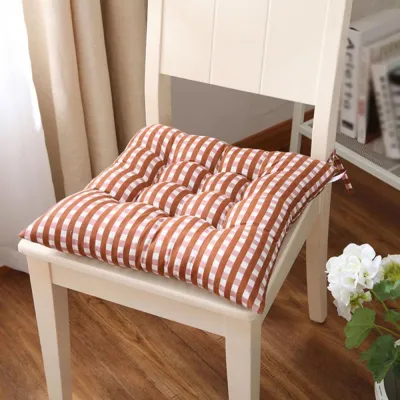
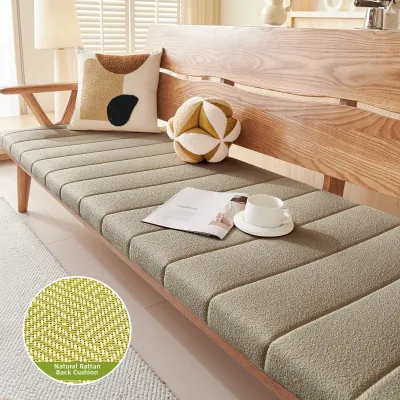
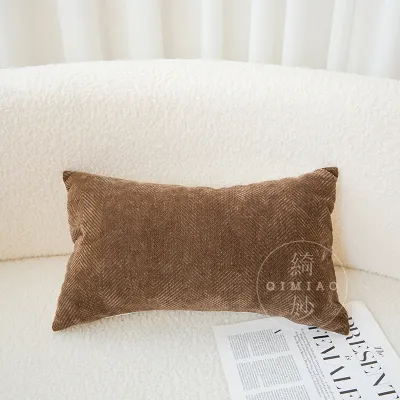
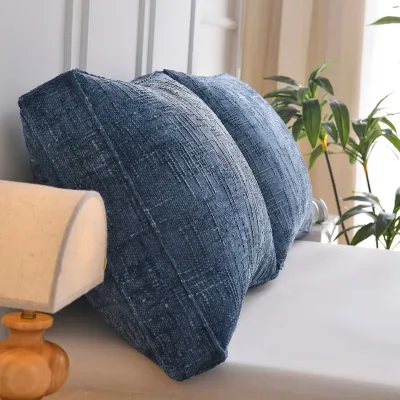
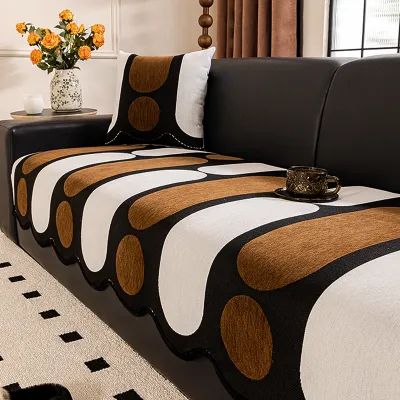
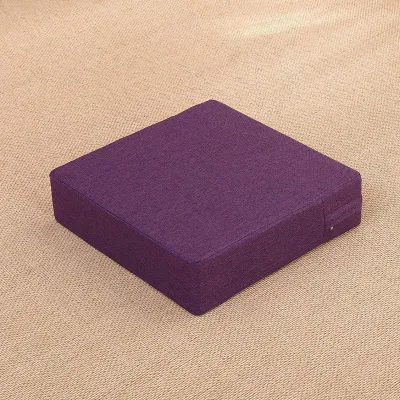
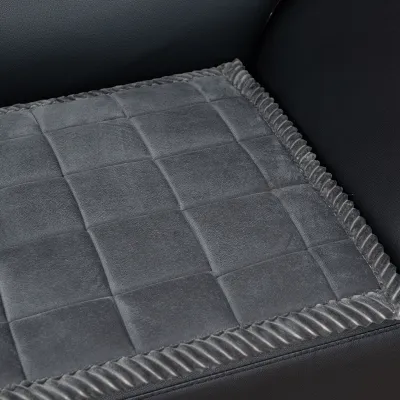
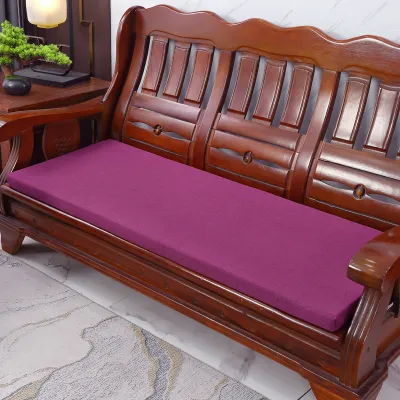
Prices are valid at publication and may change. Please refer to the product page for the latest price.
Memory Foam: Contouring Support and Temperature Sensitivity
Memory foam is celebrated for its slow-rebound characteristics, which create a distinct contouring sensation. When you sit on a memory foam cushion, the material responds to your body heat and weight, gradually molding to your shape. This distribution of weight provides targeted pressure relief, making it an excellent choice for individuals who experience discomfort during long periods of sitting. Instead of pushing back against your body, the foam cradles your pressure points, offering a deeply relaxing, enveloped feel.
However, this contouring effect comes with specific physical characteristics that may not suit every household. Because memory foam conforms closely to your body, it can create a “sinking” feeling that some users find restrictive. If you prefer to move around easily or find yourself frequently standing up from the sofa, the slow recovery time of memory foam might feel like you are working against the cushion. Additionally, the dense structure of standard memory foam naturally tends to retain heat, which can become noticeable in warm, non-air-conditioned spaces.
To ensure you select a high-quality option, it is important to check the manufacturer’s specifications regarding foam density. Higher-density memory foam generally offers better support and a longer lifespan, but it also retains heat more readily and feels firmer initially. Lower-density foams may feel softer and recover their shape faster, but they can degrade more quickly under heavy daily use. When shopping for cushions for sofa upgrades, look for detailed product labels that specify whether the foam is solid, shredded, or infused with cooling agents designed to mitigate heat retention.
Latex: Resilient Bounce and Structural Durability
Latex offers a striking contrast to the slow-sinking sensation of memory foam by providing an instant, buoyant response. When you sit on a latex cushion, the material immediately pushes back to support your weight, keeping you positioned on top of the cushion rather than letting you sink deep into it. This quick-recovery characteristic makes it incredibly easy to shift positions, turn, or stand up. For living room sofas that host lively conversations, family gatherings, or multi-purpose activities, this active support is highly practical.

When exploring latex options, you will encounter both natural and synthetic varieties, which should be verified through manufacturer labels. Natural latex, harvested from rubber tree sap, is highly regarded for its exceptional durability and inherent resistance to dust mites and mold. Synthetic latex, often made from styrene-butadiene rubber, offers a similar feel at a different price point, though it may not match the extreme longevity of its natural counterpart. Many high-quality cushions utilize a blend of both to balance performance and cost, so reading the product specifications carefully is key.
Beyond its responsive feel, latex is highly breathable due to its open-cell structure, which often features ventilation holes created during the manufacturing process. This design allows air to flow freely, preventing the buildup of body heat even during warm afternoons. However, latex is a heavy material, making cushions filled with it more difficult to lift and flip during routine cleaning. Additionally, because latex allergies can occur, it is crucial to verify that any household members or frequent guests do not have sensitivities to natural rubber proteins before committing to this material.
Polyester Fiberfill: Accessible Softness and Upkeep Requirements
Polyester fiberfill, often referred to simply as fiberfill or poly-fill, is the most common and accessible cushion filling available. It consists of synthetic polyester fibers blown or stuffed into an insert cover, creating a lightweight, fluffy, and cloud-like initial feel. This material is exceptionally versatile and is widely used in throw cushions, accent pillows, and the back cushions of standard sofas. Because it does not have a rigid structure, it offers an immediate, plush softness that invites you to lean back and relax.
Despite its initial comfort, polyester fiberfill is highly prone to compression over time. Under the weight of daily use, the individual synthetic fibers slide past one another and pack down, leading to a noticeable loss of volume and support. To maintain the plump appearance and comfort of fiberfill cushions, you must commit to regular maintenance. This involves frequently fluffing, shaking, and rotating the cushions to redistribute the fibers and restore their loft. Without this upkeep, the cushions can quickly become flat, lumpy, and unsupportive.
The primary advantages of polyester fiberfill lie in its cost-effectiveness and ease of maintenance. Compared to foam or latex, polyester inserts are highly affordable, making them easy to replace when they eventually lose their shape. Many polyester cushions are also machine washable or can be easily spot-cleaned, which is a significant benefit for households with young children or pets. If you are looking for a budget-friendly solution for decorative areas or low-traffic seating, polyester fiberfill provides an excellent balance of comfort and practicality.
Decision Framework: Matching Filling to Your Sofa and Lifestyle
Choosing the right sofa cushion filling requires matching the physical properties of each material to your specific daily routine and comfort preferences. If your primary goal is deep pressure relief, and you enjoy a cozy, body-conforming seat in a room that is consistently air-conditioned, memory foam is an excellent match. It excels in quiet, low-traffic spaces where you can sit undisturbed for long periods, allowing the foam to contour fully to your body shape.
If you prefer a lively, supportive seat that keeps you cool and stands up to decades of heavy family use, latex is the ideal investment. Its resilient bounce is perfect for main living area sofas where people frequently sit, stand, and move around. While it carries a higher initial cost and a heavier physical weight, its durability and natural breathability make it highly suitable for warm climates and busy households.
For decorative accents, guest rooms, or budget-conscious setups, polyester fiberfill is the most practical choice. It offers immediate, plush comfort for light-use areas and can be easily replaced or washed when needed. To help you make the final decision, consider the following checklist before purchasing your next set of cushions for sofa frames:
- Measure Carefully: Verify the exact inner dimensions of your sofa cushion covers, including the depth or loft, to ensure a snug fit without straining the zippers.
- Check Cover Compatibility: Ensure your cushion covers have adequate breathability, especially if you choose memory foam, to help manage heat buildup.
- Review Care Instructions: Confirm whether the filling material can be washed, spot-cleaned, or if it requires a protective, water-resistant inner liner.
- Assess Weight Limits: Verify if the manufacturer specifies weight recommendations or density ratings to ensure the filling will support your household over time.
Frequently Asked Questions (FAQ)
Can I mix different cushion fillings in one sofa?
Yes, combining different filling materials is an excellent way to customize your seating comfort and maintain a neat appearance. A very common and effective method is using a hybrid construction, where a supportive core of high-density polyurethane foam or latex is wrapped in a soft outer layer of polyester fiberfill or down. This configuration provides the structural integrity and bounce of the foam core while delivering the plush, cloud-like initial feel of fiberfill. When mixing inserts across different seats on the same sofa, ensure that the overall height and compression rates are similar to maintain visual symmetry and a level seating surface.
How do I know when it is time to replace my sofa cushions?
You can identify the need for replacement through several clear physical indicators. If your cushions exhibit permanent sagging, visible hollows where you sit, or a lumpy texture that does not disappear after fluffing, the inner filling has degraded. Another sign is a noticeable loss of support, where you feel the hard wooden or metal frame of the sofa beneath you when sitting. To determine the exact cause of discomfort, unzip the outer cover and inspect the inner insert separately; if the foam is crumbling, yellowing excessively, or the fiberfill has clumped into hard balls, it is time to replace the inserts.
Community discussion
Share your experience or ask a question. Comments are reviewed before publication.