
Selecting the right sofa seat cushion material depends on your personal comfort preferences, physical support requirements, and budget. Memory foam offers deep contouring and pressure relief, making it suitable for those who prefer a slow-rebounding, body-hugging seat. Latex provides a highly responsive, buoyant support with natural breathability, which is excellent for individuals who prefer an active push-back feel and a cooler seating surface. Polyester fiberfill delivers a soft, plush, sink-in sensation at a more accessible price point, though it requires regular maintenance to prevent flattening. Ultimately, the performance and lifespan of any cushion depend heavily on its specific density, thickness, and the manufacturer’s construction standards rather than the material category alone.
How Memory Foam, Latex, and Polyester Fill Actually Feel
Memory foam is characterized by its viscoelastic properties, which allow it to soften in response to body heat and pressure. When you sit on a memory foam cushion, it gradually molds to your exact shape, distributing your weight evenly across the surface. This creates a distinct cradled sensation that minimizes pressure points on the hips and thighs. However, because the material conforms so closely, it can restrict airflow and trap body heat, which is an important consideration in warmer environments. Additionally, memory foam has a slow recovery rate, meaning it retains your imprint for a few seconds after you stand up before slowly returning to its original shape.
Latex cushions offer a contrasting experience defined by immediate responsiveness and buoyancy. Instead of sinking deeply into the material, you sit on top of latex, experiencing an active upward push-back that makes it easy to shift positions or stand up. This material is highly breathable due to its open-cell structure and the aeration holes created during manufacturing. The feel of latex can also vary depending on the production method used. Dunlop latex tends to be denser and firmer, often feeling more supportive at the base, while Talalay latex undergoes an additional vacuum and freezing process that results in a softer, more uniform, and highly springy texture.
Products mentioned in this guide
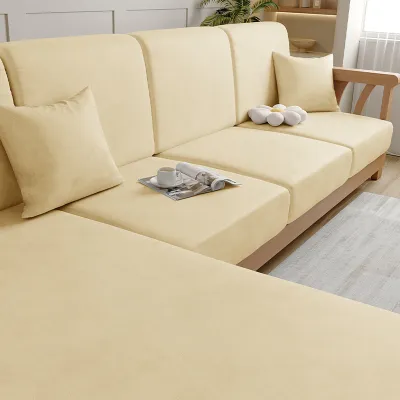
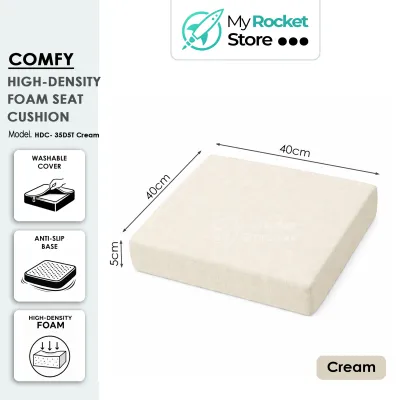
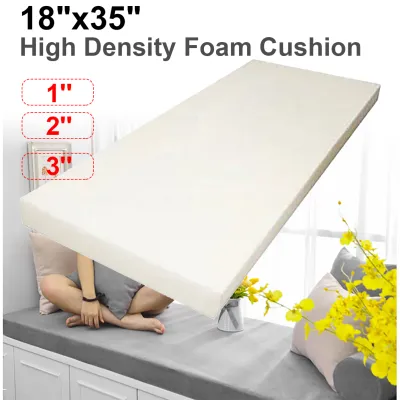
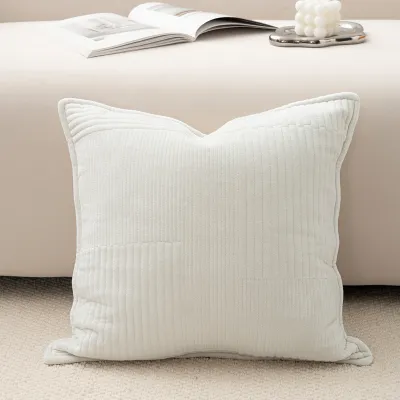
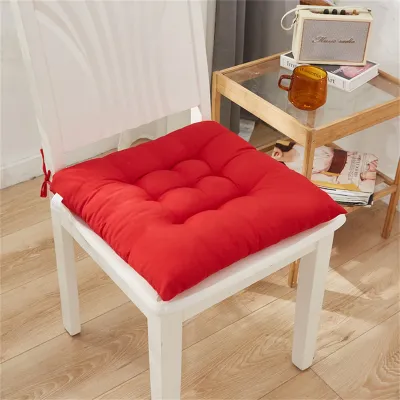
Prices are valid at publication and may change. Please refer to the product page for the latest price.
Polyester fiberfill provides a classic cloud-like softness that many associate with traditional, cozy sofas. This material consists of loose or blown synthetic fibers that create a high-loft, plush cushion that you sink into immediately. While this initial softness is highly inviting, polyester lacks the structural core of foam or latex, meaning it compresses significantly under sustained weight. Over time, the fibers can shift and clump, leading to uneven support if the cushions are not regularly maintained.
When shopping for a sofa seat cushion, it is essential to look beyond the basic material name and inspect the product labels for specific density ratings or blend ratios. Pure, high-density foams and natural latex behave very differently from low-density alternatives or mixed fiber fills. For instance, a cushion that combines a polyurethane foam core with a polyester wrap offers a different balance of support and surface softness than a solid block of memory foam.
Comparing Durability, Support, and Long-Term Shape Retention
Durability and shape retention are critical factors in determining how long your sofa seat cushion will remain comfortable and functional. High-density memory foam and quality latex are generally highly resilient, resisting permanent sagging and flattening even under heavy daily use. Latex, in particular, is known for its exceptional elasticity, allowing it to bounce back to its original shape for years without developing permanent indentations. In contrast, polyester fiberfill is more prone to flattening and bottoming out over time, as the synthetic fibers gradually lose their loft and compress permanently under repeated pressure.

The type of support provided by each material also influences long-term comfort. Memory foam excels at localized pressure relief, making it highly beneficial for individuals who experience joint stiffness or discomfort when sitting for extended periods. However, it may lack the firm, structural support required by those who prefer a more upright seating posture. Latex delivers robust, full-body support that maintains spinal alignment while preventing you from sinking too deeply into the sofa frame. Polyester fiberfill offers minimal structural support, making it better suited for casual lounging or as a soft wrapping layer over a supportive foam core rather than as a standalone cushion fill.
Environmental conditions play a significant role in material performance and longevity, particularly in Singapore’s hot and humid climate. High humidity levels can accelerate the degradation of certain low-quality foams and trap moisture within dense materials. Memory foam, with its dense structure, can sometimes retain moisture and develop musty odors or mold if the indoor environment is not well-ventilated. Latex is naturally more resistant to mold and dust mites due to its breathable structure, making it a highly practical choice for humid regions. Polyester fiberfill does not absorb moisture easily, but if the outer fabric cover becomes damp, the inner fibers can still trap humidity and require thorough drying.
To verify the quality and expected lifespan of a sofa seat cushion, avoid relying solely on general material assumptions. Instead, check the manufacturer’s specifications for density ratings and look for independent testing certifications. Higher density ratings in both polyurethane and memory foams generally correlate with better shape retention and resistance to sagging. Additionally, reviewing the manufacturer’s warranty terms can provide valuable insight into the expected durability of the cushion under normal residential use.
Care, Maintenance, and Cleaning Requirements
Proper upkeep is essential to preserve the structural integrity and hygiene of your sofa seat cushions. Cleaning methods vary significantly depending on the material’s porosity and construction. Solid foam cores, including memory foam and latex, should never be submerged in water or placed in a washing machine, as saturated foam can break down structurally and become nearly impossible to dry completely. Instead, these materials should only be spot-cleaned using a damp cloth and a mild, upholstery-safe detergent, taking care not to saturate the inner core.
Moisture management is a critical aspect of cushion care, especially in humid climates where trapped water can quickly lead to mold and mildew growth. If a spill occurs or if you perform a spot-cleaning treatment, ensure the cushion is allowed to dry completely in a well-ventilated area away from direct sunlight, as intense UV rays can degrade both latex and memory foam. Using a dehumidifier or a fan can help accelerate the drying process and prevent moisture from settling deep within the cushion’s core.
Polyester fiberfill cushions require a different maintenance routine to prevent clumping and maintain their loft. Unlike solid foam or latex, which retain their shape automatically, polyester cushions must be regularly fluffed, shaken, and rotated. This manual agitation helps redistribute the loose fibers and prevents them from packing down into hard, flat spots. Rotating the cushions weekly ensures even wear across the entire sofa, extending the usable life of the fiberfill.
Before attempting any deep cleaning or maintenance, always locate and read the care labels attached to your sofa or cushion covers. If the care instructions are missing, unclear, or conflict with general cleaning advice, halt all DIY cleaning efforts immediately. In such cases, consult the sofa manufacturer or contact a qualified professional upholstery cleaning service to avoid causing irreversible damage to the cushion materials or fabric covers.
Final Decision Framework: Which Material Should You Choose?
To finalize your decision, consider how your household uses the sofa, your physical comfort needs, and your willingness to perform regular maintenance. Use the following checklist to guide your choice:
- Choose Memory Foam if: You prioritize deep pressure relief, enjoy a body-conforming sensation, and do not mind a slower rebound or potential heat retention.
- Choose Latex if: You prefer a highly responsive, buoyant seat that makes moving easy, value natural breathability, and want a highly durable material that resists sagging.
- Choose Polyester if: You prefer a very soft, plush, sink-in feel for casual lounging, are working with a more modest budget, and are willing to regularly fluff and rotate the cushions.
Before purchasing replacement cushions or ordering a custom sofa, verify the exact dimensions of your existing sofa frame. You must match the cushion’s length, width, and thickness precisely to ensure a proper fit within the frame and to maintain the original, intended seat height. A cushion that is too thick or too thin can alter the ergonomics of the sofa, leading to discomfort or strain on your knees and back.
Keep in mind that standard commercial cushion fills may not meet every specialized need. If you require targeted orthopedic support, have specific medical conditions affecting your posture, or need medical-grade materials, standard memory foam, latex, or polyester cushions may not be suitable. In these situations, it is best to consult a healthcare professional or a specialized medical seating provider for tailored recommendations.
Frequently Asked Questions (FAQ)
Can I mix different cushion materials in the same sofa?
Mixing different cushion materials within a single sofa can lead to noticeable inconsistencies in comfort, seat height, and wear rates. For example, placing a highly resilient latex cushion next to a soft polyester cushion will create an uneven seating surface, as one side will sink significantly lower than the other. This mismatch can affect the overall aesthetic of the sofa and cause discomfort for multiple people sitting together. However, mixing materials can be highly effective when done in layers within a single cushion—such as a supportive polyurethane foam core wrapped in a soft polyester fiberfill layer—to achieve both structural support and surface plushness.
How do I know if my current sofa seat cushion needs replacing?
You can determine if your sofa seat cushions need replacing by looking for clear, observable signs of physical degradation. Visual sagging, deep indentations that do not bounce back, or permanent creasing in the fabric cover are strong indicators that the inner fill has lost its structural integrity. If you experience a noticeable loss of support, feel the hard sofa frame underneath when sitting, or wake up with stiffness after lounging, the cushions are likely bottoming out. In many cases, if the outer fabric cover remains in good condition, you can simply replace the inner foam or fiber insert rather than purchasing an entirely new sofa.
Are latex sofa cushions hypoallergenic?
The term hypoallergenic is a conditional claim that depends heavily on the specific material composition and manufacturing process. Natural latex is inherently resistant to dust mites, mold, and mildew, which can benefit individuals with common respiratory allergies. However, individuals with diagnosed latex allergies must exercise caution, as direct contact with natural latex proteins can trigger allergic reactions. Many latex cushions are encased in thick protective covers, and synthetic latex alternatives are also available to minimize risks. If you have a severe latex allergy, always check the manufacturer’s material safety data sheets and consult a medical professional before introducing latex cushions into your home.
Community discussion
Share your experience or ask a question. Comments are reviewed before publication.