
The ideal sofa cushion pillow for Singapore’s tropical environment depends on your room’s ventilation, cooling setup, and comfort preference. While latex offers structural breathability and polyester fiber provides easy maintenance, memory foam delivers superior contouring but requires specific design features to manage heat and humidity. Rather than a single universal winner, the best choice aligns with how you control indoor moisture and what support feel you prefer.
Living in a tropical climate means dealing with high relative humidity and warm temperatures year-round. These environmental factors do not just affect your personal comfort; they actively interact with the materials inside your home furnishings. Sofa cushions, which experience frequent pressure and body contact, are particularly susceptible to absorbing ambient moisture and trapping body heat. Selecting the right filling material ensures your living room remains a comfortable, hygienic space rather than a trap for dampness.
How Tropical Humidity Affects Sofa Cushion Materials
High ambient moisture acts as a silent catalyst for material degradation in home textiles. When relative humidity consistently hovers at high levels, cushion fills absorb water vapor from the surrounding air. For polyurethane-based foams, this constant moisture exposure can accelerate hydrolysis, a chemical breakdown that causes the foam to soften prematurely and lose its supportive properties. In fiber-based cushions, humidity causes individual strands to stick together, leading to rapid clumping and a noticeable loss of loft.
Products mentioned in this guide
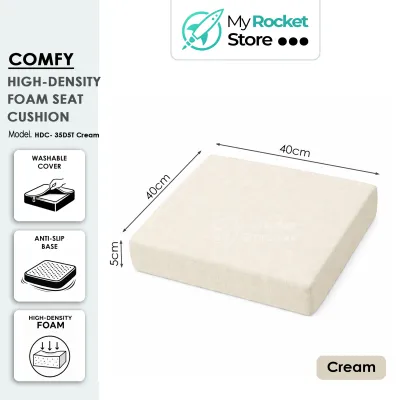
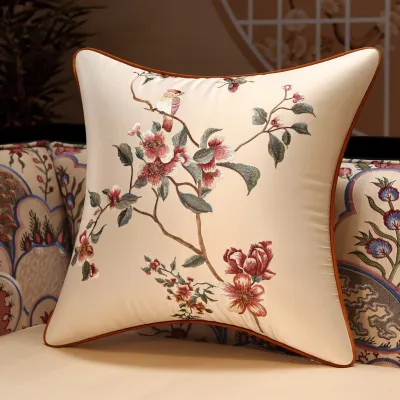
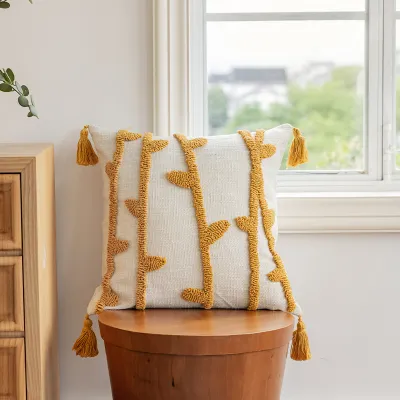
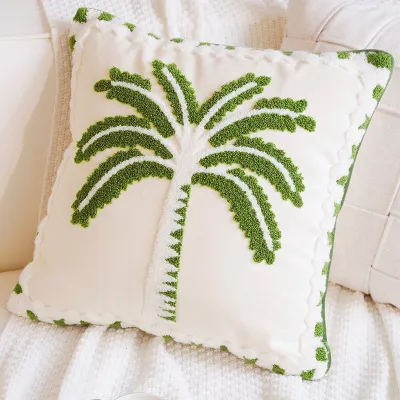
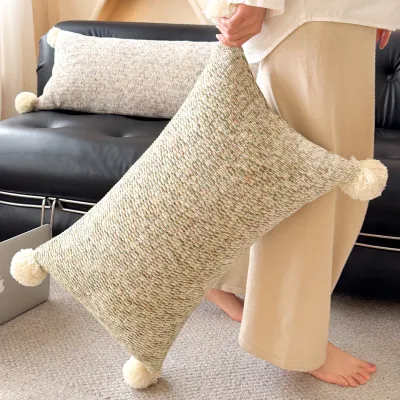
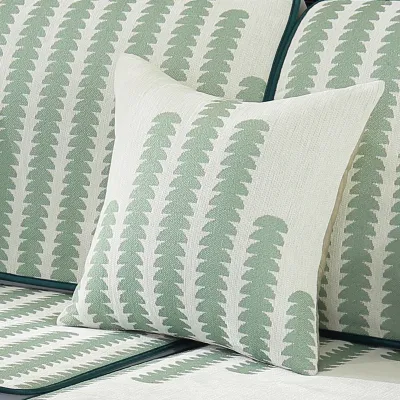
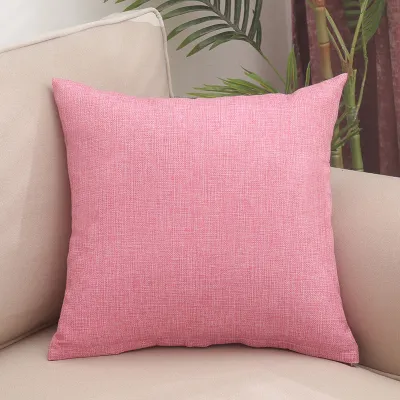
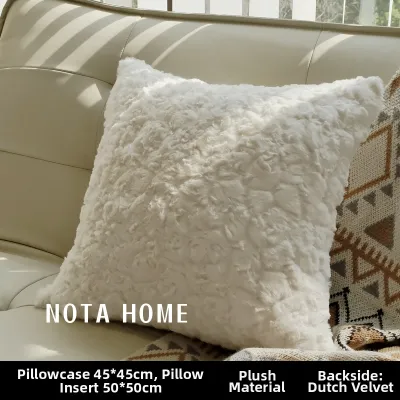
Prices are valid at publication and may change. Please refer to the product page for the latest price.
The rate of this degradation changes dramatically depending on how you manage your indoor climate. In a heavily air-conditioned living room, the air is actively dehumidified, which helps keep cushion materials dry and structurally stable. However, in naturally ventilated spaces that rely on ceiling fans and open windows, cushions are constantly exposed to the outdoor elements. This warm, damp environment creates an ideal breeding ground for mold, mildew, and dust mites within the cushion core.
To protect the inner fill from these environmental stressors, the outer cover serves as your first line of defense. A high-quality, breathable cover allows moisture to evaporate quickly rather than settling into the cushion core. When shopping, prioritize removable and washable covers made from natural fibers like linen or cotton, or specialized performance fabrics designed to wick moisture away. Regularly washing these covers prevents sweat, oils, and ambient dampness from migrating deep into the filling material.
Memory Foam Cushions: Contouring and Heat Management
Memory foam is highly regarded for its pressure-relieving properties and deep contouring support. When you sit against a memory foam cushion, the material reacts to your body heat and weight, softening to match your exact shape. This creates a cradling effect that distributes weight evenly and minimizes pressure points, making it an excellent choice for long lounging sessions. Additionally, high-density memory foam boasts excellent shape retention, returning to its original form once the pressure is removed.

However, the very characteristics that make memory foam comfortable can present challenges in a tropical climate. Traditional memory foam features a dense, closed-cell structure that inherently restricts air circulation. As you lean against the cushion, your body heat becomes trapped within the material, creating a warm microclimate that can feel uncomfortably hot and sticky. Without proper airflow, any moisture absorbed from your body or the air remains trapped inside, increasing the risk of musty odors.
To enjoy the supportive benefits of memory foam without the heat buildup, you must carefully inspect product specifications. Look for labels indicating an open-cell structure, which allows air to pass through the material more freely. Gel-infused memory foam is another option designed to dissipate initial body heat. Most importantly, check for physical ventilation channels or perforated designs in the foam core, as these physical pathways are highly effective at promoting continuous airflow in humid conditions.
Latex Cushions: Resilience, Airflow, and Durability
Latex cushions offer a distinct alternative to memory foam, characterized by their high resilience and immediate bounce. Instead of sinking deeply into the material, you experience an active, uplifting support that keeps your body positioned on top of the cushion. This responsive feel makes it easy to shift positions and prevents the “stuck” sensation sometimes associated with dense foams. Latex is also exceptionally durable, maintaining its structural integrity and elasticity for years without sagging.
From a climate perspective, latex is naturally suited to warm and humid environments. During the manufacturing process, latex is molded with a grid of pinholes that run through the entire core. This open, aerated structure acts as a natural ventilation system, allowing air to circulate freely with every movement. As you sit and move, air is pumped through the cushion, carrying away body heat and allowing any absorbed moisture to evaporate rapidly.
When evaluating latex cushions, it is important to understand the difference between natural, synthetic, and blended options. Natural latex, derived from rubber tree sap, offers excellent breathability and natural resistance to dust mites and mold. Synthetic latex is more uniform but may lack the same level of elasticity and breathability. Always check the product tag for natural latex content and look for reputable emissions certifications, such as OEKO-TEX or eco-INSTITUT, to verify that the material is free from harmful volatile organic compounds.
Polyester Fiber Cushions: Cost, Care, and Loft Retention
Polyester fiberfill is the most common and accessible material used in sofa cushions. As a synthetic material, polyester is inherently hydrophobic, meaning its fibers do not absorb water. This property is highly advantageous in humid climates, as the material resists holding onto atmospheric moisture and dries much faster than natural fibers like down or cotton. Additionally, polyester fiber cushions are lightweight, highly flexible, and generally the most budget-friendly option on the market.
The primary drawback of standard polyester fiber is its tendency to flatten and clump over time. Under the continuous weight of daily use, the loose fibers slide past one another, causing the cushion to lose its loft and develop flat spots. In a humid environment, dust and microscopic moisture can cause these fibers to stick together even faster, resulting in a lumpy texture that is difficult to restore through simple fluffing.
To ensure long-term comfort, look for advanced fiber constructions on the product label. Hollow-conjugate fibers feature a hollow center that traps air for better loft and insulation, while their crimped shape acts like tiny springs to resist flattening. Cluster fibers, which are blown into tiny individual spheres rather than left as loose strands, offer superior durability and can be easily redistributed within the cushion casing. Checking for these specific fiber types ensures your budget-friendly cushion maintains its shape for longer.
Material Comparison Matrix for Humid Climates
To help you compare these materials at a glance, the following matrix evaluates how memory foam, latex, and polyester fiber perform across key environmental and comfort metrics.
| Material | Airflow & Breathability | Moisture & Mold Resistance | Support Feel | Maintenance Requirements |
|---|---|---|---|---|
| Memory Foam | Low to Moderate (Requires open-cell or gel design) | Moderate (Prone to trapping moisture if unventilated) | Deep contouring, slow-response pressure relief | Spot clean core; regular washing of outer cover |
| Latex | High (Excellent natural pinhole ventilation) | High (Naturally resistant to mold and dust mites) | Responsive bounce, active uplifting support | Hand wash or spot clean core; air dry away from direct sun |
| Polyester Fiber | Moderate to High (Depends on fiber density) | High (Hydrophobic fibers dry very quickly) | Soft, plush, traditional fluffy feel | Machine washable (for many fiber inserts); regular fluffing required |
It is important to note that real-world performance is heavily influenced by the specific manufacturing quality and density of the material. A high-density, open-cell memory foam may offer better breathability than a poorly constructed, low-density latex cushion. Always pair your chosen fill with a high-quality, breathable cover fabric to maximize the material’s inherent strengths.
How to Choose the Right Sofa Cushion Pillow for Your Home
Selecting the perfect sofa cushion requires balancing your personal comfort preferences with the specific environmental conditions of your living space. There is no single material that excels in every scenario, so your choice should align with how you use and maintain your home.
You should choose Latex if you prefer a supportive, springy feel and live in a naturally ventilated home. If your living room relies primarily on ceiling fans and open windows, the superior airflow of latex’s pinhole structure will prevent heat and moisture from building up. This material is also the ideal choice for those looking for a long-term investment, as natural latex resists sagging and maintains its shape far longer than other fills.
You should choose Memory Foam if you seek deep, pressure-relieving comfort and keep your air conditioning running frequently. The dehumidified, cool air of an air-conditioned room counteracts memory foam’s tendency to trap heat, allowing you to enjoy its body-cradling support without feeling overly warm. Ensure you select a model with open-cell technology or cooling gel infusions to assist with temperature regulation.
You should choose Polyester Fiber if you need a highly practical, budget-friendly option for a busy household. If your cushions are frequently used by children or pets, or if they are placed in areas prone to occasional dampness, the quick-drying nature of polyester is incredibly convenient. Many polyester inserts can be tossed directly into the washing machine, making them the easiest material to sanitize and keep fresh in a humid climate.
Regardless of the fill material you select, always pay close attention to the cushion cover. A heavy, tightly woven synthetic cover can completely block the airflow of a breathable latex core, while a light, moisture-wicking linen or cotton cover can significantly improve the performance of a memory foam cushion. Treat the cover and the fill as a single system designed to manage comfort and humidity together.
Frequently Asked Questions (FAQ)
Can I leave my sofa cushions near open windows during the monsoon season?
Leaving sofa cushions near open windows during the monsoon season carries significant risks. Even if direct rain does not blow into the room, the dramatic spike in ambient humidity can saturate the cushion fills. This trapped moisture, combined with warm indoor temperatures, creates an ideal environment for mold and mildew to develop within 24 to 48 hours. If a cushion does get damp, immediately remove the outer cover and wash it. Stand the inner core upright in a well-ventilated, shaded indoor area with a fan blowing directly on it to accelerate drying. Avoid placing foam or latex cushions in direct, harsh sunlight, as ultraviolet rays will cause the materials to degrade, crumble, and lose their elasticity. If a persistent musty odor develops that does not go away after thorough drying, the fill has likely developed deep-seated mold and should be replaced for health and hygiene reasons.
How do I know when it is time to replace my cushion fills?
You can determine if your cushion fills need replacing through a few simple physical checks. For memory foam and latex, look for permanent sagging, visible indentations that do not recover after use, or a crumbly texture when you press on the core. For polyester fiber, check for severe clumping, flat spots that cannot be fluffed back to life, or an uneven, lumpy distribution of the fill. Beyond physical support, hygiene is a critical indicator. If a cushion retains a persistent musty smell even after the cover has been washed and the core has been thoroughly aired out, mold spores have likely colonized the interior. Visible dark spots on the inner protective casing or the fill itself are clear signs of mold growth. Because these dense materials cannot be safely deep-cleaned of mold, replacing the compromised fill is the only way to ensure a clean and healthy living environment.
Community discussion
Share your experience or ask a question. Comments are reviewed before publication.