
Selecting the right cushion fill depends on your immediate physical needs and how you plan to use the cushion. If you require deep, pressure-relieving contouring that molds to your body, memory foam is the primary choice. For those who prefer a responsive, springy feel that actively pushes back and resists sagging, latex offers excellent resilience. If your goal is a plush, lightweight, and budget-friendly option mainly for decorative purposes, polyester fiber is the most practical selection. Because density, firmness, and overall quality vary significantly between manufacturers, always check the product specifications and labels before making a purchase.
Understanding the Core Characteristics of Each Fill
Every cushion fill behaves differently under pressure due to its unique physical structure. Memory foam consists of polyurethane treated with chemicals to increase its viscosity and elasticity, allowing it to stretch and slowly return to its original shape. Latex is made from natural rubber sap, synthetic polymers, or a blend of both, resulting in a highly elastic, open-cell structure that bounces back instantly. Polyester fiberfill consists of fine, synthetic polyester threads blown into a casing, creating a fluffy, air-filled cushion.
When you sit against these materials, they react differently to your body weight and ambient temperature. Memory foam softens in response to body heat, allowing it to conform closely to your shape, whereas latex and polyester fiber remain relatively unaffected by temperature. Because the exact feel, firmness, and support level depend heavily on the manufacturer’s specific formulation and density, you should always verify these details on the product tag or specification sheet.
Products mentioned in this guide
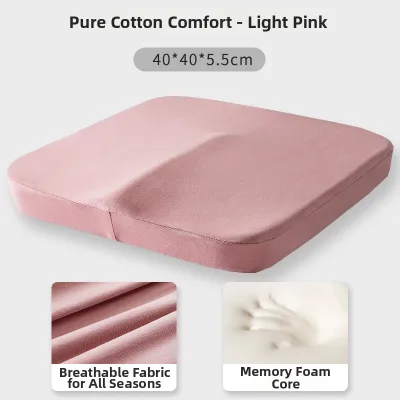
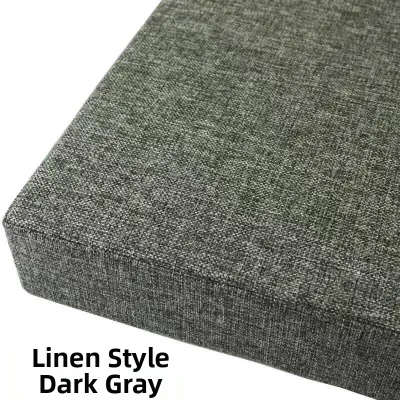
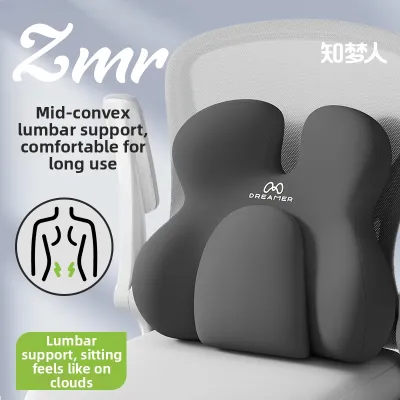
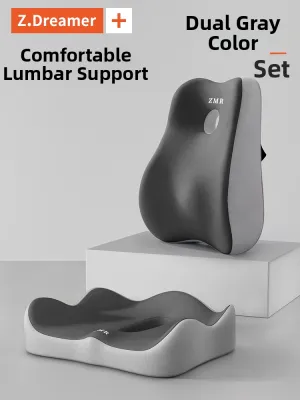
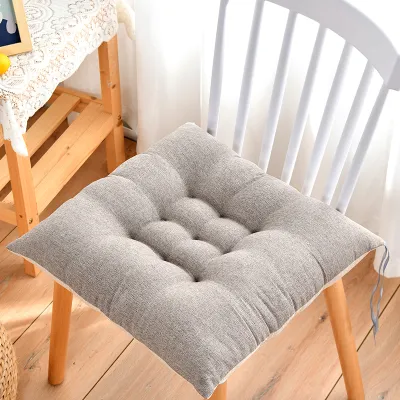
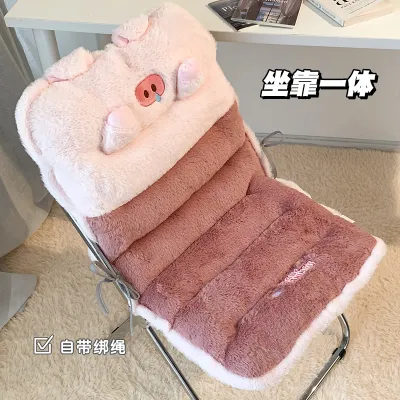
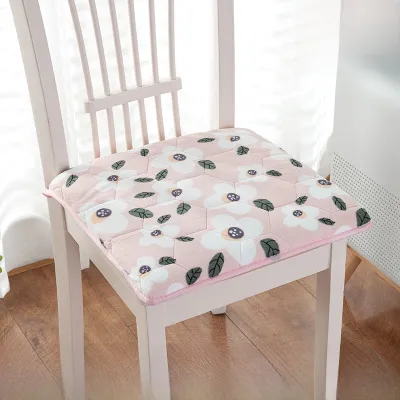
Prices are valid at publication and may change. Please refer to the product page for the latest price.
Memory Foam: Contouring Support and Density
Memory foam is widely recognized for its slow-rebound characteristics, which provide customized pressure relief. When you lean against a memory foam lumbar cushion, the material yields to your body heat and weight, distributing your weight evenly across the surface. This contouring effect helps reduce pressure points on your lower back or tailbone, making it a popular choice for office chairs and long sitting sessions.
One characteristic to consider is heat retention, as traditional memory foam tends to trap body heat. To address this, many manufacturers incorporate cooling gel infusions, ventilation holes, or highly breathable outer covers. If you live in a warm or humid climate, verifying these cooling features on the product label is essential for maintaining comfort.
Additionally, you should check the foam’s density rating, which is typically measured in kilograms per cubic meter. Higher-density foam generally offers firmer support and greater durability, resisting flattening over time, while lower-density foam feels softer but may degrade more quickly.
Latex: Resilience, Breathability, and Bounce
Latex cushions provide an entirely different sensation, characterized by immediate rebound and buoyant support. Instead of sinking deeply into the material, you will feel an active pushback that keeps your body aligned without restricting your movement. This makes latex highly suitable for individuals who dislike the sinking feeling of memory foam and prefer to sit on top of the cushion rather than in it.
The open-cell structure of latex naturally allows air to circulate, which helps prevent heat buildup and keeps the cushion cool. However, you must verify whether the latex is natural, synthetic, or a blended formulation, as this affects both the price and the physical properties. Natural latex is harvested from rubber trees, while synthetic latex is chemically manufactured; blends combine both to balance cost and performance.
It is also worth noting that latex is a relatively heavy material. This added weight can be beneficial, as it helps the cushion stay firmly in place on your sofa or chair, but it may make the cushion less convenient to carry around.
Polyester Fiber: Softness, Affordability, and Maintenance
Polyester fiberfill is the most common material used in decorative throw pillows and casual cushions. This fill consists of loose, fluffy synthetic fibers that trap air, creating a soft, cloud-like feel when you first lean against it. Because it is highly compressible, it is excellent for adding a layer of cozy comfort to deep sofas or reading nooks.
However, polyester fiber lacks the structural integrity of solid foam or latex, meaning it will flatten and lose its shape over time under consistent weight. To maintain its loft and appearance, you will need to fluff the cushion regularly, and you should expect to replace the insert more frequently than foam alternatives.
On the positive side, polyester fiber is highly affordable and lightweight, making it easy to swap out for seasonal decor updates. Many polyester-filled cushions are also machine washable, though you must always verify the manufacturer’s care instructions to prevent the fibers from clumping or melting in high heat.
How to Evaluate Comfort, Support, and Durability
To choose the right cushion, you must evaluate how each material aligns with your physical needs, furniture setup, and maintenance preferences. The following comparison table outlines the general characteristics of each fill type to help guide your decision:

| Material | Support Level | Resilience | Maintenance | Best Use Case |
|---|---|---|---|---|
| Memory Foam | High (Contouring) | Slow Rebound | Spot Clean Only | Lumbar support, office chairs, pressure relief |
| Latex | High (Active) | Quick Rebound | Spot Clean Only | Daily seating, heavy-use chairs, cooling comfort |
| Polyester Fiber | Low to Medium | Low (Compressible) | Often Machine Washable | Decorative accents, casual lounging, guest seating |
When assessing support versus softness, consider the primary function of the cushion. A lumbar support cushion for an office chair requires structural integrity to maintain spinal alignment, making high-density memory foam or resilient latex the preferred choice. Conversely, a decorative accent pillow on a living room sofa is meant for casual comfort and aesthetic appeal, where the plush softness of polyester fiber is highly suitable.
Durability should be evaluated by looking for independent certifications on the product packaging rather than relying solely on marketing claims. For polyurethane foams, look for certifications like CertiPUR-US, which verify that the foam is manufactured without harmful chemicals. For latex, certifications such as OEKO-TEX or GOLS (Global Organic Latex Standard) can help you verify the material’s environmental and safety standards.
Finally, consider the weight and thickness of the cushion in relation to your furniture. A very thick, dense memory foam cushion might push you too far forward on a shallow chair, while a thin polyester cushion might bottom out completely on a hard wooden bench. Measure your seating depth and choose a thickness that maintains comfortable proportions.
Matching the Cushion Material to Your Specific Needs
To simplify your decision, you can map your daily habits and comfort preferences directly to the physical properties of each material.
Choose memory foam if:
- You sit for extended periods at a desk or in a car and require targeted pressure relief for your lower back.
- You prefer a cushion that molds precisely to your body shape and minimizes movement.
- You want a material that absorbs impact and provides a stable, locked-in seating position.
Choose latex if:
- You want a highly responsive cushion that bounces back instantly when you stand up.
- You tend to run warm and need a naturally breathable material that does not trap body heat.
- You are looking for a durable, long-term investment that resists sagging and flattening over years of daily use.
Choose polyester fiber if:
- You are styling a living space and need lightweight, budget-friendly cushions for decorative throw pillows.
- You want a cushion that is easy to wash and maintain at home without specialized dry cleaning.
- You prefer a soft, fluffy feel for casual lounging rather than firm, structured ergonomic support.
Verify first if:
- When purchasing from online marketplaces or home decor stores, check the return policies and trial periods, as comfort is highly subjective and difficult to judge without sitting on the cushion.
- Measure the exact dimensions of your chair or sofa seat to ensure the cushion fits securely without hanging over the edges.
- Read the fine print regarding cover materials, as a high-quality removable cover can significantly improve the breathability and lifespan of any inner fill.
Please note that if you have severe medical conditions, chronic back pain, or specific orthopedic needs, standard retail cushions may not provide sufficient support. In these cases, you should consult a qualified healthcare professional or look for specialized, certified medical ergonomic devices designed for your specific condition.
Cleaning and Longevity Considerations
Proper maintenance is essential for preserving the hygiene, shape, and supportive qualities of your cushions over time. Solid fills like memory foam and latex require careful handling, as they cannot be submerged in water or placed in a washing machine. Exposing these foams to excess moisture can break down their cellular structure, leading to crumbling, mold growth, or permanent loss of support. Instead, these materials should only be spot-cleaned with a damp cloth and mild detergent, then allowed to air dry completely away from direct sunlight.
In contrast, polyester fiber cushions are often much easier to clean, with many inserts being safe for machine washing on a gentle cycle. However, you must always read the specific care label before washing, as improper water temperatures or high dryer heat can cause the synthetic fibers to clump together, permanently ruining the cushion’s loft.
To protect any cushion fill from sweat, spills, and dust, always use a high-quality, removable, and washable cover. Washing the outer cover regularly is the most effective way to maintain a hygienic seating environment without subjecting the inner fill to damaging wash cycles.
Over time, all cushions will eventually show signs of wear. If you notice permanent lumps, a persistent musty odor, or if the cushion fails to rebound after you stand up, it is time to replace the insert to ensure you continue receiving adequate support and comfort.
Frequently Asked Questions (FAQ)
Can I mix different cushion fills in the same room?
Yes, mixing different cushion fills in the same room is highly practical and can help you balance comfort, functionality, and cost. For your primary seating, such as an armchair or office chair, you can use firmer, supportive fills like memory foam or latex to ensure physical comfort during long sitting sessions. For decorative accents on sofas or daybeds, you can use softer, lightweight polyester fiber cushions. To maintain a cohesive look, ensure that the outer covers coordinate in style and color, even if the internal fills differ.
Do cushion fills trigger allergies?
Cushion fills can affect indoor allergies depending on their material composition and how they are maintained. Synthetic materials like polyester fiber and memory foam are naturally resistant to dust mites, but their surfaces can still accumulate dust, pet dander, and pollen over time. Natural latex is inherently resistant to mold and dust mites due to its dry, breathable structure, but individuals with diagnosed latex allergies must avoid it. To minimize allergy risks, look for third-party certifications like OEKO-TEX, and always use allergen-proof, washable protective covers that can be cleaned frequently in hot water.
Community discussion
Share your experience or ask a question. Comments are reviewed before publication.