
Selecting the right chair cushion is a practical way to improve your daily seating comfort, whether you are working from a home office or upgrading your dining area. The ideal material depends on your specific physical needs, how many hours you spend sitting, and your local environment. By understanding how memory foam, latex, and polyester fibre perform across key areas like support and breathability, you can make an informed decision that keeps you comfortable throughout the day.
Quick Answer: Which Chair Cushion Material is Right for You?
Your choice of chair cushion should align with your primary seating goals and daily habits. Memory foam is the best option if you require targeted pressure relief and enjoy a slow-rebounding, contouring sensation that cradles your body. Latex is ideal for those who prefer responsive, springy support and need a highly breathable material that stays cool in warm climates. Polyester fibre is best suited for occasional seating, decorative dining chairs, or casual floor cushions where soft plushness and budget-friendly practicality are your top priorities. Ultimately, the right material depends on your chair type, seating duration, and personal comfort preferences.
Understanding the Three Core Cushion Materials
Memory Foam Chair Cushions
Memory foam is a viscoelastic material that reacts to both pressure and body heat. When you sit down, the foam softens and contours precisely to your physical shape, distributing your body weight evenly across the seat. This custom-molded fit makes it exceptionally effective at reducing pressure on sensitive areas like the tailbone and hips.
Products mentioned in this guide
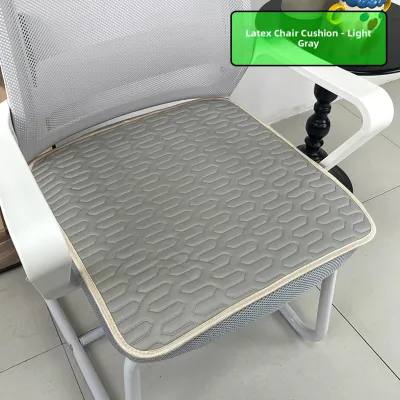
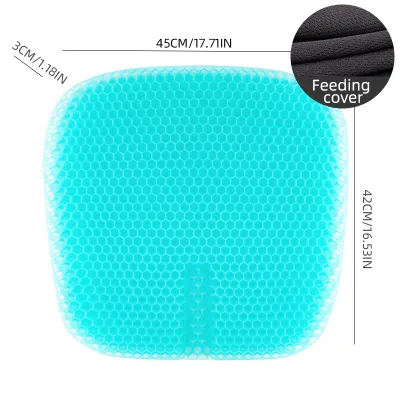
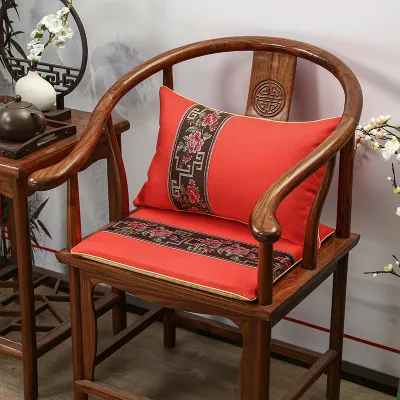
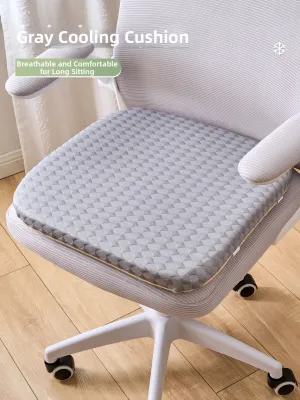
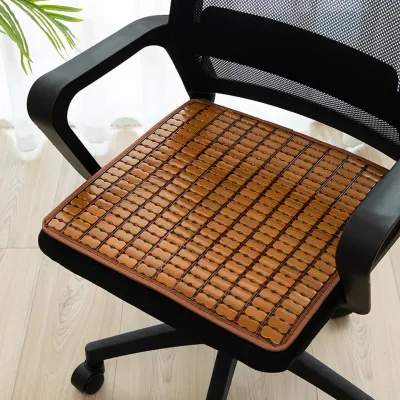
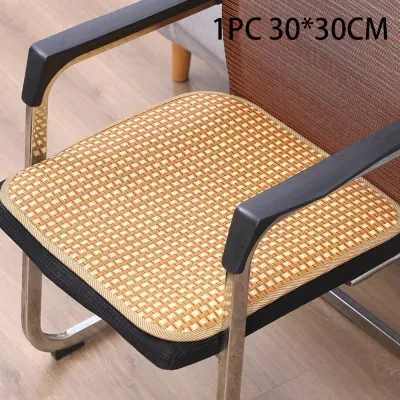
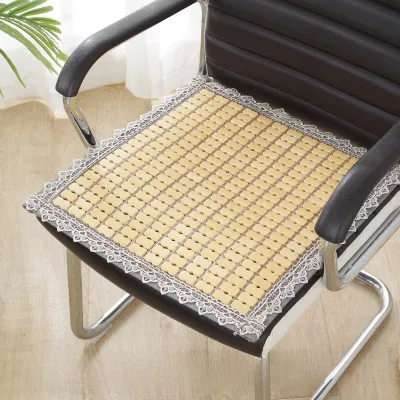
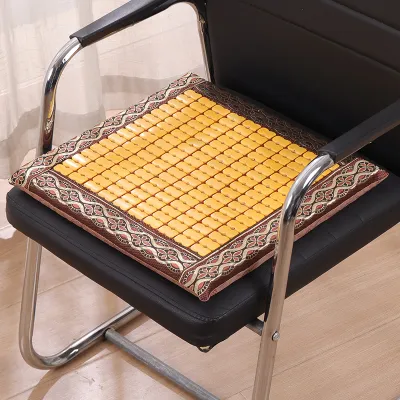
Prices are valid at publication and may change. Please refer to the product page for the latest price.

When shopping for memory foam, it is important to check the density and thickness specifications on the product label. High-density foam offers more structured, long-lasting support, whereas low-density options tend to compress quickly and may fail to provide adequate cushioning over time.
Because standard memory foam has a dense structure, it naturally tends to retain body heat. To address this, many modern cushions feature cooling gel infusions, ventilation channels, or highly breathable outer covers designed to help dissipate heat during long sitting sessions.
Latex Chair Cushions
Latex is highly valued for its natural elasticity and immediate responsiveness. Unlike memory foam, which slowly sinks and holds your shape, latex provides an instant pushback that keeps you positioned on top of the cushion. This buoyant quality prevents a “sinking” feeling and makes it much easier to stand up or shift your posture.
Before purchasing, check the product description to verify the latex composition. Cushions are typically available in natural latex, synthetic latex, or a blended combination of both. Natural latex is highly durable and resilient, though blended options are also common and offer a practical balance of performance and availability.
Most latex cushions are manufactured using a pin-core process, which creates a pattern of small vertical holes throughout the material. This open-cell structure allows air to circulate freely, making latex one of the coolest and most breathable seating options available.
Polyester Fibre Chair Cushions
Polyester fibre cushions utilize synthetic, fluffy strands packed inside a fabric casing to deliver a traditional, cloud-like softness. This material mimics the plush feel of down feathers without triggering common feather allergies, making it a highly accessible choice for various household seating setups.
Because the individual fibres are loose, they will naturally compress, shift, and clump together under the weight of daily use. To maintain their loft and comfort, these cushions require regular manual fluffing and shaking to redistribute the internal filling.
Polyester cushions are lightweight, easy to handle, and generally the most affordable option on the market. They serve as an excellent, low-commitment solution for casual seating areas that are not subjected to continuous, heavy use.
Comparing Comfort, Support, and Durability
Comfort & Feel
The physical sensation of these three materials varies significantly. Memory foam offers a slow-melting, cradling feel that conforms closely to your body, making you feel deeply cushioned. Latex provides an active, springy bounce that supports you without conforming too closely, offering a firmer and more buoyant surface. Polyester fibre delivers an immediate, pillowy softness that feels cozy but lacks the structured depth and substance of foam or latex.
Support & Posture
Proper weight distribution is essential for maintaining healthy posture during long hours of sitting. Memory foam excels at isolating pressure points, making it highly beneficial for individuals who experience localized discomfort in the lower back or tailbone. Latex provides excellent structural alignment by keeping your pelvis stable and preventing the slouching that often occurs on overly soft surfaces. Polyester fibre offers minimal structural support, making it less suitable for long office hours but perfectly adequate for short meals or casual lounging.
Durability & Lifespan
Under continuous daily compression, materials degrade at different rates. Latex is exceptionally durable, resisting permanent flattening and maintaining its springy texture for years. Memory foam also boasts a long lifespan, though lower-quality foams may eventually develop permanent body indentations. Polyester fibre has the shortest functional lifespan; once the internal fibres collapse and lose their loft, the cushion will feel flat and lumpy, requiring replacement to restore comfort.
Temperature Regulation
In warm and humid climates, such as Singapore, heat retention is a major consideration for seating comfort. Memory foam naturally retains heat because its dense structure limits airflow, which can lead to a warm, sweaty seating experience unless paired with a cooling cover. Latex naturally resists heat buildup due to its open-cell structure and ventilation holes. Polyester fibre is moderately breathable, but its temperature regulation depends heavily on the weave and material of the outer fabric cover.
Maintenance and Care Requirements
Cleaning Protocols
Keeping your cushions clean requires adhering strictly to the manufacturer’s care instructions. Solid memory foam and latex cores should never be submerged in water or placed in a washing machine, as moisture can break down the physical structure and lead to mold growth. Instead, these cores must be spot-cleaned with a damp cloth and mild detergent, then allowed to air dry completely away from direct sunlight. Polyester fibre cushions, depending on the manufacturer’s label, can sometimes be machine-washed on a gentle cycle, making them easier to sanitize fully.
Fluffing and Reshaping
The effort required to maintain a cushion’s shape depends entirely on its material composition. Memory foam and latex are self-recovering materials that automatically return to their original shape once you stand up. Polyester fibre cushions, however, lack this structural memory and must be manually fluffed, kneaded, and rotated regularly to prevent the filling from migrating and forming uncomfortable lumps.
Cover Management
Because the inner cores of foam and latex cushions are difficult to clean, utilizing a removable, machine-washable outer cover is essential. A high-quality cover acts as a protective barrier against sweat, spills, and dust mites. When shopping, prioritize covers with durable zippers that allow for easy removal and reassembly during your regular cleaning routine.
Decision Framework: Matching Material to Your Seating Situation
Choose Memory Foam if:
- You spend consecutive hours sitting at a desk and require targeted pressure relief for your hips and tailbone.
- You prefer a slow-sinking, contoured feel that conforms precisely to your body shape.
- You use a chair with a solid, flat seat pan that needs substantial cushioning to become comfortable.
Choose Latex if:
- You prefer a responsive, bouncy seat that supports your posture without making you feel stuck.
- You live in a warm, humid climate and want a naturally breathable cushion that stays cool.
- You want a highly durable, long-term investment that resists flattening over years of use.
Choose Polyester Fibre if:
- You are outfitting dining chairs, patio seating, or occasional chairs that are only used for short periods.
- You prefer a soft, lightweight, and pillowy cushion that is easy to wash and move around.
- You are working with a limited budget and need an affordable, straightforward seating solution.
Verify First if:
- You have specific material allergies, particularly to natural latex proteins, in which case synthetic latex or memory foam is safer.
- You require specialized orthopaedic support; consult a healthcare professional to determine the correct cushion density and shape.
- You plan to use the cushions in outdoor or high-humidity areas in Singapore, where moisture-resistant fabrics and quick-drying polyester fills are highly recommended to prevent mold.
What to Verify Before Buying
Before finalizing your purchase on any online marketplace or at a local retailer, take precise measurements of your chair’s seat pan. A cushion that is too large will overhang and slip, while one that is too small will fail to support your thighs properly.
Next, examine the cover specifications. Look for breathable fabrics like cotton or mesh, and check for practical features such as a non-slip rubberized backing or sturdy tie straps to keep the cushion securely in place.
Always review the manufacturer’s care label to confirm whether the cover is removable and washable. Finally, check for recognized material certifications on the packaging to ensure the foam or latex has been tested for harmful emissions and chemical safety.
Frequently Asked Questions (FAQ)
Can I use a memory foam cushion on a mesh office chair?
Yes, but you must consider how the added height affects your overall ergonomic setup. Adding a thick memory foam cushion will raise your seating position, which can alter your elbow angle relative to the desk and misalign your armrests. Before purchasing, check your chair’s adjustable height range and seat depth to ensure you can compensate for the extra thickness. For mesh chairs, a low-profile or wedge-shaped memory foam cushion is often preferred to maintain proper ergonomic alignment without sacrificing comfort.
How do I know when it is time to replace my polyester fibre cushion?
You should replace your polyester fibre cushion when it exhibits permanent flattening, severe clumping, or a complete lack of rebound even after thorough manual fluffing. Unlike memory foam or latex, which have structural resilience, polyester fibres eventually break down and lose their ability to trap air and support weight. Sitting on a completely flattened or lumpy cushion can lead to poor posture and physical discomfort, indicating that the material has reached the end of its functional lifespan.
Community discussion
Share your experience or ask a question. Comments are reviewed before publication.