
Quick Answer: Which Sofa Cushion Material Wins in High Humidity?
Selecting the right sofa cushion filling in Singapore requires balancing physical comfort with the realities of a tropical climate. In naturally ventilated spaces, natural latex is the clear winner. Its open-cell structure allows air to circulate freely, while its natural proteins actively resist mold, mildew, and dust mites—the primary hazards of high-humidity environments.
For households on a budget or those seeking low-maintenance flexibility, polyester fibre serves as a practical, quick-drying alternative. It does not absorb moisture directly, making it highly resistant to rot, though it will require regular fluffing and more frequent replacement due to its tendency to flatten over time.
Memory foam offers unparalleled contouring support but presents significant challenges in humid climates. Its dense, heat-retaining structure easily traps moisture and body heat, making it prone to a damp, clammy feel. It is only recommended if your living space is consistently air-conditioned and dehumidified to keep ambient moisture levels low. Your final choice should align with how you manage your home’s indoor climate.
Products mentioned in this guide
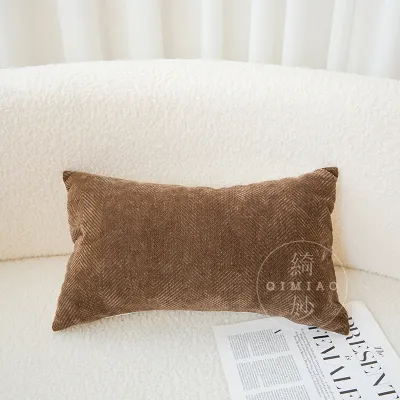
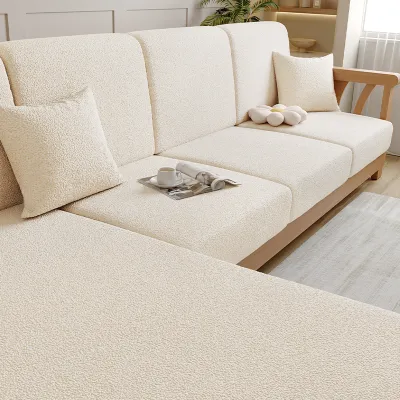
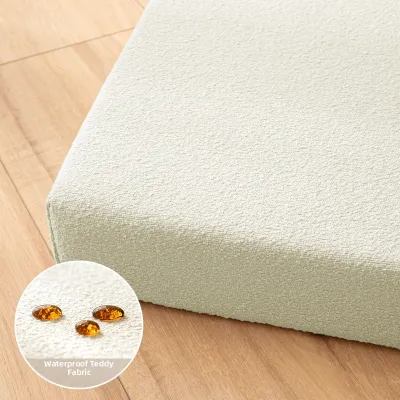
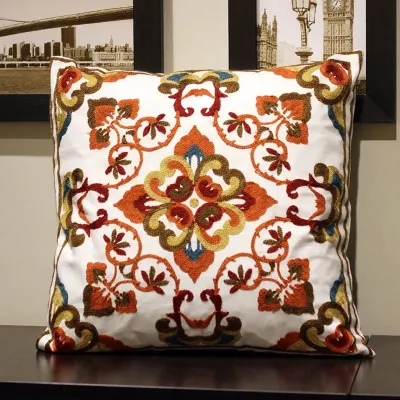

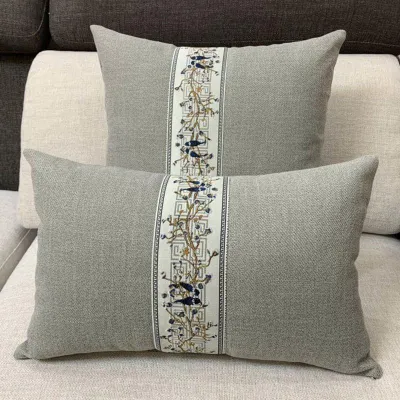
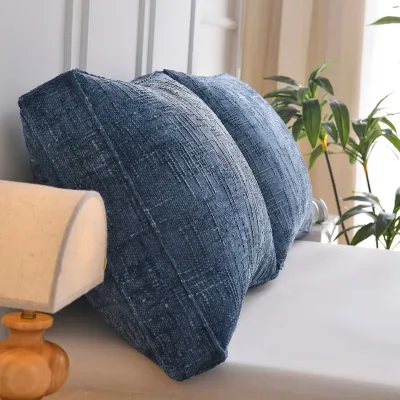
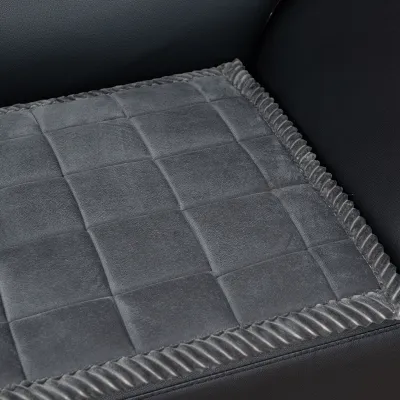
Prices are valid at publication and may change. Please refer to the product page for the latest price.
Why Tropical Humidity Dictates Your Cushion Choice
Singapore’s tropical climate presents a unique set of challenges for indoor furniture. With relative humidity levels frequently exceeding 80% and temperatures hovering around 30°C year-round, indoor textiles are constantly exposed to warm, moisture-laden air. When humid air penetrates deep into a sofa cushion, it can become trapped within the core. If the room cools down—such as when you turn on the air conditioning in the evening—this trapped moisture condenses into tiny water droplets inside the filling.

This cycle of condensation and warmth creates an ideal breeding ground for mold spores, mildew, and dust mites. Over time, moisture retention leads to musty odors that are incredibly difficult to extract, along with structural degradation of the cushion material itself. Polyurethane foams can undergo hydrolytic degradation, a chemical breakdown caused by prolonged contact with water, which causes the foam to lose its elasticity and crumble prematurely.
To withstand this environment, cushion fillings must meet three critical performance indicators: breathability, moisture wicking, and antimicrobial resistance. Breathability refers to how easily air flows through the material to dry out any internal condensation. Moisture wicking ensures that sweat and humidity are drawn away from the surface rather than pooling. Antimicrobial properties prevent fungal spores from taking root in the core.
While the internal filling is vital, the cushion cover material acts as the first line of defense. A highly breathable filling will still fail if paired with a heavy, tightly woven synthetic cover that blocks airflow. Natural, porous fabrics like linen and cotton, or specialized high-performance synthetic blends, are essential for allowing the cushion core to breathe and shed accumulated moisture.
Material Breakdown: How Each Filling Handles Moisture
Memory Foam: Contouring Comfort with Moisture Risks
Traditional memory foam is made from viscoelastic polyurethane, a material engineered to soften in response to body heat and pressure. This allows the cushion to contour precisely to your body shape, distributing weight evenly and relieving pressure points. However, this dense, solid molecular structure is highly restrictive to airflow. The tiny cells within the foam are mostly closed, meaning air cannot easily pass through the material to dissipate heat or dry out moisture.
In Singapore’s humid climate, this structural density often leads to a phenomenon known as heat sleeping. As you sit, the foam absorbs your body heat and retains it, causing you to perspire. This perspiration is then drawn into the dense foam core. Without adequate ventilation, the moisture remains trapped deep inside, creating a damp, clammy seating surface and a high-risk environment for mold and mildew growth.
To address these issues, manufacturers have developed variations such as open-cell memory foam, gel-infused foam, and reticulated polyurethane foam. Gel infusions are designed to absorb and dissipate initial heat, while open-cell structures physically allow more air to pass through the material. When shopping, you must check the product specifications and labels to verify these breathability claims, as standard memory foam will not provide these benefits.
Ultimately, memory foam cushions are best suited for heavily air-conditioned spaces. If your living room is kept at a constant cool temperature with active dehumidification, memory foam can perform beautifully, offering luxurious comfort without the risk of moisture accumulation. In naturally ventilated rooms relying solely on ceiling fans, it is generally best avoided.
Latex: Breathable Structure and Natural Resistance
Natural latex is harvested from the sap of the Hevea brasiliensis (rubber) tree and processed into foam using either the Dunlop or Talalay method. Both manufacturing processes create an inherently open-cell structure filled with millions of microscopic, interconnected air passages. Additionally, latex cushions are typically molded with physical ‘pincore’ ventilation holes that run vertically through the core, allowing air to pump in and out every time you sit down or stand up.
This exceptional breathability makes natural latex highly effective at handling tropical humidity. Moisture from the air or body sweat does not linger inside the cushion; instead, it evaporates rapidly through the continuous airflow. Furthermore, natural latex contains organic proteins that are inherently hostile to dust mites, bacteria, mold, and mildew, providing a hygienic seating surface without the need for harsh chemical treatments.
Despite these benefits, latex has notable trade-offs. It is a premium material, making latex cushions significantly more expensive than polyester or standard polyurethane options. Latex is also heavy and highly flexible, which can make handling and flipping large sofa cushions physically demanding. Most importantly, latex is vulnerable to ultraviolet (UV) light. Direct exposure to sunlight triggers photo-oxidation, which breaks down the polymer chains, causing the material to turn yellow, dry out, and crumble.
When purchasing, always verify the percentage of natural latex on the product’s law tag or spec sheet. Many products marketed as ‘latex’ are actually synthetic latex (made from styrene-butadiene rubber) or a synthetic-natural blend. Synthetic latex lacks the same level of open-cell breathability and does not possess the natural antimicrobial properties of 100% natural latex, making it less effective in humid climates.
Polyester Fibre: Quick-Drying but Prone to Flattening
Polyester fibre, often referred to as poly-fill, consists of synthetic polyethylene terephthalate (PET) fibers blown or layered into a cushion insert. Because polyester is a plastic-based synthetic material, the fibers themselves are hydrophobic. They do not absorb water or hold onto atmospheric moisture. If a polyester cushion becomes damp, the water sits on the surface of the fibers and evaporates quickly, allowing the cushion to dry out much faster than dense foam materials.
While the polyester fibers do not support mold growth on their own, moisture can still become trapped in the empty air pockets between the fibers if the cushion cover is non-breathable. Dust, skin cells, and spills can accumulate within the fiber matrix, providing a food source for mold and dust mites if the cushion is neglected. However, because polyester inserts are highly water-resistant, many are completely machine-washable, making them easy to sanitize.
The primary drawback of polyester fibre in any climate, particularly under daily use, is mechanical fatigue. Under the weight of sitting, the slippery synthetic fibers slide past one another and compress. Over time, these fibers clump together and lose their loft, causing the cushion to flatten, sag, and lose its supportive qualities. This process can happen rapidly with cheaper, low-density polyester fills, requiring frequent fluffing or complete replacement within a few years.
Polyester fibre is highly practical for casual seating, decorative throw cushions, semi-outdoor covered patios, or households with pets and young children where frequent washing is necessary. It offers an accessible, low-risk option that is easy to dry out, provided you accept that it will need to be replaced much sooner than latex or high-density foam.
Side-by-Side Comparison for Humid Climates
To help you visualize how these materials compare, the table below outlines their performance across key dimensions critical to managing Singapore’s indoor climate:
| Material | Breathability | Moisture & Mold Risk | Support & Durability | Maintenance Effort |
|---|---|---|---|---|
| Memory Foam | Low (unless open-cell) | High | High (excellent contouring) | Moderate (requires dry environment) |
| Natural Latex | Excellent | Low | High (excellent bounce/lifespan) | Low (must keep out of direct sun) |
| Polyester Fibre | Moderate to High | Low to Moderate | Low (prone to flattening) | High (requires frequent fluffing/washing) |
While this table highlights the inherent properties of each core material, the final performance of your sofa cushion is heavily dependent on external factors. A highly breathable natural latex core will perform poorly if encased in a heavy, non-porous vinyl or synthetic leather cover that blocks air exchange. For the best results in humid conditions, pair your chosen filling with breathable cover fabrics such as linen, cotton canvas, or specialized high-performance outdoor fabrics designed to shed moisture.
Additionally, always consult the manufacturer’s care labels before purchasing or cleaning. Each brand may use unique proprietary blends or structural designs that alter how the cushion must be handled, washed, or dried.
Daily Maintenance to Prevent Mold and Odours
Maintaining healthy indoor air circulation is the most effective way to protect your sofa cushions from humidity-related damage. Avoid pushing your sofa flush against exterior walls, especially in HDB flats or landed homes where concrete walls can hold moisture from tropical rainstorms. Leaving a 5 to 10 centimeter gap behind your sofa allows air to circulate freely, preventing damp pockets from forming where mold can quietly thrive on both the wall and the back of your cushions.
Integrating active environmental controls into your household routine can dramatically extend the lifespan of your furniture. Running a dehumidifier in your living space during the wet monsoon seasons (typically from November to January) helps pull excess moisture out of the air before it can settle into your upholstery. Alternatively, utilizing the ‘dry’ mode on your air conditioning unit for a few hours a day can keep indoor relative humidity within a safe 50% to 60% range.
Establishing a safe, regular cleaning routine is essential for keeping dust mites and mold spores at bay. Vacuum your sofa cushions weekly using an upholstery attachment equipped with a HEPA filter to remove skin flakes, dust, and outdoor allergens. If a spill occurs, spot clean the cover immediately using a clean, damp cloth and a mild, pH-neutral detergent. Always ensure that the cushion filling and the cover are completely, thoroughly dry before putting them back together; trapping even a small amount of dampness inside a cover will rapidly trigger mold growth.
Never use harsh chemical cleaners, bleach, or excessive amounts of water on your cushion fillings. Soaking foam or latex can trap water deep inside the core where it cannot evaporate, permanently ruining the material. Never place memory foam or natural latex in a washing machine or tumble dryer, as the heat and mechanical agitation will destroy their physical structure. For deep cleaning or stubborn stains, always refer to the manufacturer’s care guide or consult a qualified professional upholstery cleaner.
Final Decision Framework: Match Material to Your Living Space
To make your final decision, consider how you use your living space and which material properties align with your daily habits:
- Choose Latex if: You want a long-term investment with superior durability, prefer a springy and supportive seating feel, prioritize natural and hypoallergenic materials, and are comfortable paying a premium upfront for excellent mold resistance in naturally ventilated rooms.
- Choose Polyester Fibre if: You are shopping on a budget, need lightweight cushions that are easy to move and clean, want a material that dries quickly after accidental spills, or are selecting cushions for casual, semi-outdoor, or high-traffic family spaces.
- Choose Memory Foam if: You love the deep, body-contouring sensation of sinking into your sofa, prioritize pressure relief, and live in a home where the air conditioning or dehumidifier runs consistently to maintain a dry, cool indoor environment.
Before finalizing your purchase, always verify the product specifications. Look at the physical law tags and product labels to confirm the exact composition of the filling and the cover. Check for reputable material certifications, such as OEKO-TEX Standard 100 (which certifies that the textile is free from harmful levels of toxic chemicals) or CertiPUR-US (which ensures polyurethane foams meet strict standards for emissions and durability).
Finally, because comfort is highly subjective, it is highly recommended to test the cushions in person at a showroom whenever possible. Sit on the cushions for at least ten to fifteen minutes to evaluate not just their initial softness, but how they support your posture and whether they begin to trap heat against your body. Taking the time to match the material to both your personal comfort preferences and your home’s microclimate will ensure your sofa remains a comfortable, fresh, and inviting centerpiece for years to come.
Community discussion
Share your experience or ask a question. Comments are reviewed before publication.