
Finding the right sofa cushion seat is the key to transforming a standard living room into a personal sanctuary. The ideal choice depends entirely on whether you prioritize sinking comfort, resilient bounce, or plush, budget-friendly softness. While memory foam, latex, and polyester fill each offer distinct seating experiences, their actual performance varies significantly based on density, construction, and manufacturing quality. By comparing their support, durability, and maintenance requirements, you can easily match the right material to your personal comfort needs and lifestyle.
Comparing Comfort, Support, and Sink-In Feel
Memory foam is renowned for its contouring properties and pressure relief. When you sit on a memory foam cushion, it responds to your body heat and weight, slowly compressing to distribute your weight evenly across the surface. This creates a distinct “sink-in” sensation and a slower response time, meaning the cushion takes a few seconds to regain its shape when you stand up. However, the actual feel and firmness of memory foam depend heavily on the foam’s density and thickness. Low-density options may bottom out quickly, while high-density foams provide deep, structured support that prevents you from feeling the hard frame of the sofa underneath.
Latex offers a completely different seating dynamic characterized by its responsive bounce, firm ergonomic support, and natural elasticity. Unlike memory foam, which hugs the body, latex pushes back against your weight, keeping you positioned on top of the cushion rather than letting you sink deep into it. This makes it much easier to shift positions or stand up. When shopping, it is crucial to distinguish between natural latex and synthetic blends. Natural latex is harvested from rubber trees and offers exceptional elasticity, whereas synthetic or blended latex may feel slightly stiffer. Always check the product labels and manufacturer specifications to verify the exact composition of the latex used.
Products mentioned in this guide
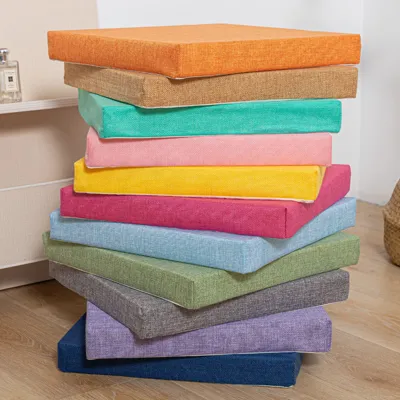
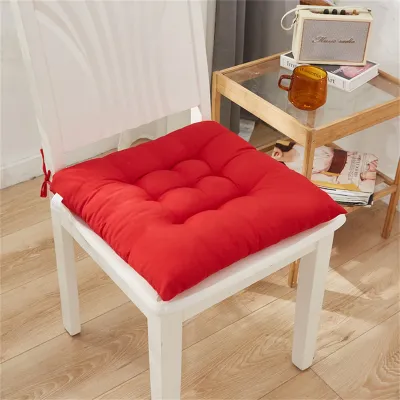
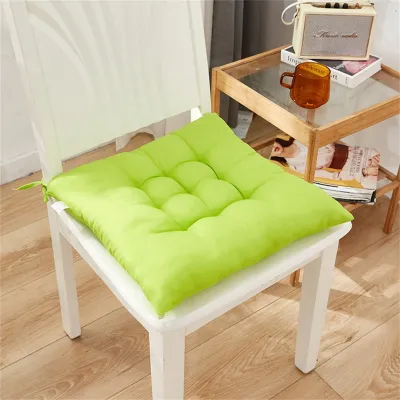
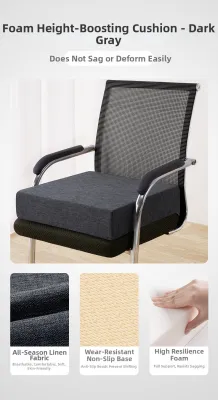
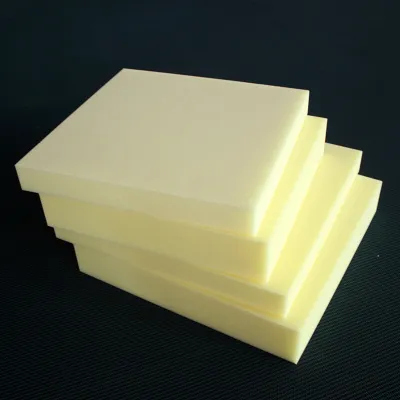
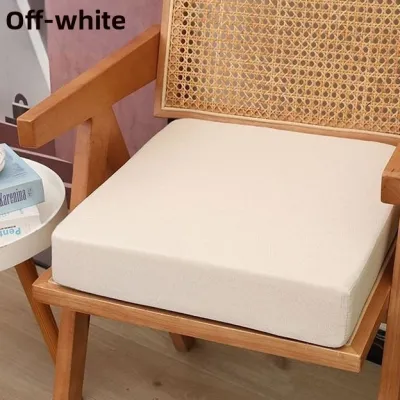
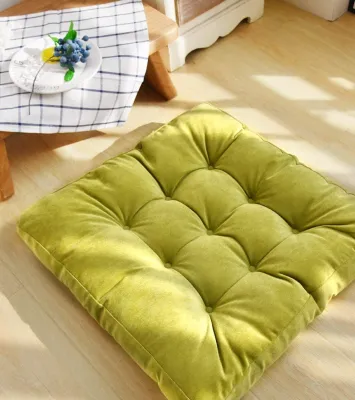
Prices are valid at publication and may change. Please refer to the product page for the latest price.
Polyester fill, often referred to as fiberfill, provides a plush, cloud-like softness and an impressive initial loft. This material consists of synthetic fibers blown or layered into the cushion casing, creating a very relaxed, casual feel. It is the classic choice for those who love a soft, pillowy sofa that feels instantly welcoming. However, because these loose fibers lack a solid structural core, polyester fill provides minimal ergonomic support. Over time, the fibers compress under weight, meaning these cushions require regular fluffing and shaking to maintain their loft and prevent a flat, unsupportive seating surface.
To make an informed decision, do not rely solely on generic material names. Instead, instruct yourself to check manufacturer specifications for firmness ratings or Indentation Load Deflection (ILD) numbers. ILD measures the weight required to compress a foam sample by a specific percentage; a higher ILD indicates a firmer cushion. Checking these technical specifications ensures you select a cushion density that matches your physical comfort preferences.
Assessing Durability and Shape Retention Over Time
A sofa is a long-term investment, making the durability of its cushion core a primary consideration. Memory foam generally retains its shape exceptionally well over years of daily use, though it will naturally soften slightly over time. To ensure long-term resilience, look closely at the foam’s density rating, typically measured in kilograms per cubic meter. Higher-density memory foams resist sagging and maintain their structural integrity far better than lower-density alternatives, making them highly suitable for high-traffic living rooms.

Latex is widely regarded as one of the most durable cushioning materials available, boasting high resistance to permanent indentation and excellent rebound properties. Even after years of heavy use, a high-quality latex cushion will quickly snap back to its original shape without developing the localized sagging common in other materials. However, because manufacturing quality varies, you should always verify the material purity and manufacturing standards on the product label. Look for certifications from reputable testing bodies to confirm the latex’s structural integrity and long-term durability claims.
Polyester fill is the least durable of the three options, with a strong tendency to flatten, shift, or clump under regular weight. As the synthetic fibers are compressed daily, they lose their elasticity and pack tightly together, leading to noticeable hollow spots and a loss of overall height. While polyester fill is highly economical upfront, it often requires more frequent replacement, re-stuffing, or vigorous manual shaking to restore its shape. If you choose polyester, look for high-quality conjugated or channeled fiber fills, which are designed to resist clumping better than standard loose fibers.
When evaluating any cushion material, keep in mind that real-world performance varies significantly by brand, internal construction, and usage patterns. Always check the manufacturer’s warranty terms and care instructions for specific lifespan expectations. A comprehensive warranty that covers physical sagging beyond a certain depth is a strong indicator of a manufacturer’s confidence in their product’s durability.
Maintenance, Breathability, and Climate Factors
Living in a tropical climate like Singapore’s introduces unique challenges for sofa cushions, particularly regarding heat retention and humidity. Latex naturally excels in warm environments due to its open-cell structure, which allows continuous airflow and prevents heat from trapping around your body. This natural ventilation helps keep the seating surface cool and comfortable, even during humid afternoons.
In contrast, traditional memory foam is highly temperature-sensitive and tends to retain body heat, which can lead to a warm, sweaty seating experience in humid weather. If you prefer the feel of memory foam but live in a warm climate, look for advanced formulations engineered with cooling structures, such as open-cell construction, gel infusions, or ventilated channels. These design features help dissipate heat and improve overall breathability, making the foam much more comfortable for tropical living.
Polyester fill allows decent initial air circulation through its loose fiber network, but it can easily trap moisture and humidity over time. In humid climates, keeping your cushions dry and well-ventilated is essential to prevent musty odors. Never assume any cushion material is inherently mold-proof or moisture-resistant; instead, look for specific treatment certifications or moisture-wicking fabric covers on the product tag to ensure adequate protection against humidity.
Cleaning routines also vary significantly by material. Most inner cushion fills cannot be machine washed and require careful spot cleaning or professional care. Wetting the inner cores of memory foam or latex can permanently damage their cell structure and ruin their supportive properties. Always verify the manufacturer’s washing instructions on the care label before attempting to clean or wet any cushion insert, and ensure you use a removable, washable protective cover to shield the inner fill from spills and dust.
Decision Framework: Which Sofa Cushion Seat Fill is Right for You?
To finalize your choice, evaluate your primary seating priorities, lifestyle, and willingness to perform regular maintenance.
Choose Memory Foam if: You prefer deep contouring, excellent pressure relief, and a cozy, “hugged” feel. This material is ideal if you enjoy sinking into your sofa for long movie nights and do not mind a slower rebound when standing up. Ensure you opt for high-density foam with cooling features if you live in a warm climate.
Choose Latex if: You want responsive bounce, firm ergonomic support, and long-lasting resilience. Latex is perfect for those who prefer to sit “on” the sofa rather than “in” it, value easy movement, and are willing to invest in premium, durable materials that maintain their shape for years.
Choose Polyester Fill if: You prioritize initial plush softness, budget-friendly options, and a casual, relaxed aesthetic. This is a suitable choice for guest rooms, low-use areas, or if you are comfortable with regular fluffing, shaking, and more frequent cushion replacement over time.
Verify first if: You require highly specialized orthopedic support, specific allergy accommodations, or fire-retardant certifications. Always review the detailed product specifications and labels rather than relying on generic material descriptions to ensure the cushion meets your exact health and safety needs.
Frequently Asked Questions (FAQ)
Can I mix different cushion fills in the same sofa?
Yes, mixing different cushion fills is a highly effective way to achieve a balanced seating experience. A very common industry practice is to construct a hybrid cushion featuring a supportive core made of high-density memory foam or latex, which is then wrapped in a soft outer layer of polyester fill or down. This design provides the immediate, plush comfort of fiberfill alongside the deep, structural support and durability of foam. Before attempting to mix, modify, or layer your own cushion inserts, always check the manufacturer’s compatibility guidelines and construction methods to ensure the layers remain secure and do not shift during use.
How do I know when it is time to replace my sofa cushion seat?
Rather than relying on a strict, arbitrary timeline, you should evaluate the physical condition and structural integrity of your cushions. Clear indicators that it is time for a replacement include permanent sagging where the cushion no longer returns to its original height, a noticeable loss of rebound or support, visible lumps that cannot be smoothed out, or physical discomfort and back strain during regular use. If you find yourself sinking straight through to the sofa’s hard frame or if the cushion fails to recover its shape after manual fluffing, the internal filling has degraded and needs to be replaced to restore proper comfort and posture support.

Community discussion
Share your experience or ask a question. Comments are reviewed before publication.