
Choosing the right cushion pillow for your sofa is essential for creating a comfortable, inviting living space. The ideal filling material depends entirely on your personal preferences for firmness, how you use your seating, and the amount of maintenance you are willing to perform. There is no single universal option that outperforms the others in every category.
For those who prioritize structured, firm support that holds its shape over long periods, memory foam is highly effective. If you prefer a plush, cloud-like seating experience where you can sink deeply into the couch, down alternative offers an excellent balance of softness and hypoallergenic properties. For decorative accents, low-traffic areas, or budget-conscious setups, polyester fiber provides a lightweight and highly accessible solution. Understanding how these materials behave under daily use will help you make an informed decision for your home.
Material Breakdown: Memory Foam, Polyester Fiber, and Down Alternative
To select the right cushion pillow for your sofa, it helps to understand the physical structure and characteristics of each filling material. These three common options behave differently under pressure and react uniquely to the ambient environment.
Products mentioned in this guide
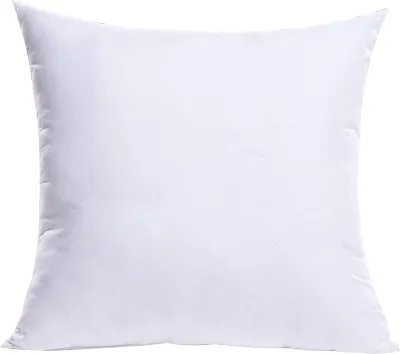
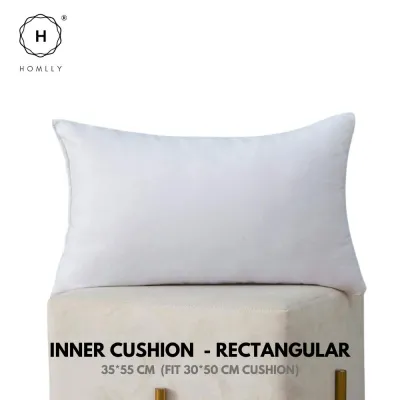
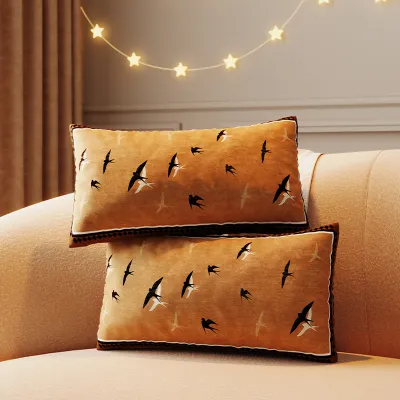
Prices are valid at publication and may change. Please refer to the product page for the latest price.
Memory foam is a dense, viscoelastic polyurethane material known for its slow-rebound properties. When you sit on a memory foam cushion, the material softens in response to body heat and weight, contouring closely to your shape. It is available either as solid blocks, which provide a highly structured and uniform feel, or as shredded memory foam, which offers a more pliable, adjustable texture. Because of its high density, solid memory foam restricts airflow more than fibrous fills, meaning it can retain body heat, a factor to keep in mind in warm, humid climates like Singapore.
Polyester fiber, often referred to as poly-fill, consists of synthetic polyester strands blown or stuffed into a cushion casing. This material is incredibly lightweight and naturally fluffy, creating a high initial loft that makes cushions look full and plump on display. The fibers are slick and slide past one another easily, which gives the cushion a bouncy, springy feel. However, because the strands are loose, they tend to compress and clump together over time with repeated use.
Down alternative is designed to mimic the luxurious feel of natural goose or duck down using ultra-fine synthetic fibers, typically polyester microfibers. These microfibers are much thinner than standard poly-fill, allowing them to trap tiny pockets of air and create a soft, compressible loft. Down alternative cushions provide a luxurious, sink-in sensation without the allergy risks or specialized cleaning requirements associated with real feathers. They are highly pliable, allowing you to easily shape and fluff the cushion to your liking.
Comparing Support, Comfort, and Longevity
Evaluating these materials across key performance areas reveals distinct trade-offs in how they support your body, how comfortable they feel during long lounging sessions, and how well they resist wear and tear.

Structural Support and Pressure Relief
Memory foam provides the highest level of structural resistance among the three materials. It distributes body weight evenly across the cushion surface, reducing pressure points on the hips and lower back. This makes it highly suitable for individuals who require stable, upright seating support.
In contrast, down alternative offers very little structural resistance. When you lean against a down alternative cushion, the fine fibers compress completely, allowing you to sink deep into the pillow until you meet the firmer structure of the sofa frame behind it. Polyester fiber sits in the middle, offering a springy, resilient bounce-back that supports light weight but can feel somewhat hollow or stiff under heavier pressure.
Tactile Comfort and Temperature
Comfort is highly subjective and depends on whether you prefer a cradled or a cushioned sensation. Memory foam cradles the body, creating a customized mold that some find incredibly cozy, while others feel restricted by the slow response time when shifting positions. In warm indoor environments, solid memory foam can trap heat, though choosing open-cell or gel-infused variations can help mitigate this effect.
Down alternative delivers a classic, luxurious softness that feels airy and cool, making it highly comfortable for casual relaxation. Polyester fiber provides a standard, familiar cushion feel that is functional and lightweight, though it lacks the sophisticated contouring of foam and the delicate softness of down alternative.
Longevity, Flattening, and Maintenance
All cushion fillings change shape with use, but their maintenance needs and lifespans vary significantly. Solid memory foam is highly durable and retains its original shape for years without requiring any manual fluffing. However, once high-density foam eventually sags or softens after years of heavy use, it cannot be restored and must be replaced.
Polyester fiber cushions tend to have the shortest functional lifespan. Under daily weight, the synthetic fibers inevitably mat, clump, and flatten. While regular shaking can delay this process, poly-fill cushions in high-traffic seating areas generally require refilling or replacing much sooner than other materials.
Down alternative cushions require the most active maintenance but offer excellent longevity if cared for properly. Because the microfibers compress easily, these cushions must be plumped and rotated regularly—often daily—to restore their loft and prevent permanent flattening. If you enjoy the ritual of styling your living room, this maintenance is a minor trade-off for a cushion that can maintain its plushness for a long time.
How to Choose the Right Cushion Pillow for Your Sofa
Selecting the ideal filling requires matching the material’s characteristics to your household’s daily habits, seating preferences, and sofa design.
When to Choose Memory Foam
Memory foam is the ideal choice if you use your sofa for working, reading, or watching television in an upright position. It is highly suited for deep-seated sofas where deep back support is needed to prevent slouching. If you prefer a neat, minimalist living room where cushions always look perfectly flat and structured without any manual intervention, solid memory foam inserts will maintain their clean lines effortlessly.
When to Choose Down Alternative
Down alternative is perfect for family rooms and cozy lounging spaces where comfort and relaxation are the main priorities. If you love the look of relaxed, slightly lived-in sofas with soft, inviting pillows that you can sink into, down alternative delivers that aesthetic beautifully. It is also an excellent option for households with allergy sufferers who want the plush feel of real down without triggering respiratory sensitivities.
When to Choose Polyester Fiber
Polyester fiber is best utilized for decorative throw pillows, accent cushions, or guest seating areas that do not experience heavy daily use. Because it is lightweight and cost-effective, poly-fill is an excellent choice for seasonal decor updates or styling formal living spaces where cushions are primarily visual. It is also highly practical for households with young children or pets, as these cushions are easily replaced or washed if spills occur.
When to Look for Alternatives
Standard synthetic cushion fillings may not suit every situation. If you require specialized orthopedic support for a medical condition, standard retail cushions are not a substitute for professional ergonomic seating solutions. Additionally, if you are styling outdoor patio furniture, standard indoor memory foam or down alternative inserts should be avoided, as they can trap moisture and encourage mold growth in humid outdoor settings; instead, look for specialized quick-dry outdoor foam.
What to Verify Before You Buy
Before purchasing a cushion pillow for your sofa, checking a few technical specifications and material details will ensure the product performs well in your home.
- Verify Cover Fabric Compatibility: For heavy, structured inserts like solid memory foam, ensure the outer cushion cover has a non-slip backing or a snug fit to prevent the insert from sliding around. For down alternative and fine polyester fills, look for tightly woven inner casings, often labeled as "down-proof ticking," to prevent fine synthetic fibers from poking through the fabric over time.
- Check the Care and Cleaning Labels: Solid memory foam cannot be submerged in water or machine washed, as moisture degrades the foam structure; it must be spot cleaned only. Some polyester fiber and down alternative inserts are machine washable on gentle cycles, which is highly beneficial for maintaining hygiene in busy households.
- Review Density and Fill Weight: When shopping online, look for manufacturer specifications regarding foam density (typically measured in kilograms per cubic meter) or fiber fill weight (measured in grams). A higher fill weight in polyester or down alternative indicates a firmer, more supportive cushion, while a higher density in memory foam points to better durability and structural support.
- Confirm Dimensions and Loft: Measure your existing sofa cushion covers carefully before buying inserts. To achieve a plump, well-filled look with fiber or down alternative, it is often helpful to select an insert that is slightly larger than the cover dimensions. For solid memory foam, however, the insert must match the cover dimensions exactly to prevent warping or strain on the zippers.
Frequently Asked Questions (FAQ)
Can I mix different fillings in the same sofa?
Yes, mixing different fillings is a highly effective way to balance comfort and support on a single sofa. However, it is best to avoid mixing different fillings across the main seat cushions, as this can create uneven seating heights and uncomfortable posture. A practical approach is to use firm, supportive memory foam or high-density polyurethane foam for the base seat cushions, and use softer down alternative or polyester fiber inserts for the backrest cushions and decorative throw pillows.
How do I know if a memory foam cushion is too firm?
A memory foam cushion is too firm if it does not compress slightly under your weight or if it causes discomfort in your lower back and hips after a short period of sitting. When checking product details, look for the Indentation Load Deflection (ILD) rating if available; a lower ILD indicates a softer, more yielding foam. If you want the contouring benefits of foam without the rigid feel of a solid block, consider choosing a shredded memory foam insert, which allows the filling to shift and conform more easily to your body.
Community discussion
Share your experience or ask a question. Comments are reviewed before publication.