
Choosing a peacock wall sculpture involves balancing visual drama with practical home conditions. The ideal material is not a universal choice; instead, it depends on your room’s humidity levels, your wall structure, and the specific design style you want to achieve. Metal, resin, and wood each offer distinct advantages and limitations when capturing the intricate beauty of a peacock’s plumage.
Metal sculptures excel in creating sleek, contemporary silhouettes and dramatic, open-frame designs that play with light and shadow. Resin allows for detailed, three-dimensional carvings and vibrant, hand-painted finishes that mimic the true iridescent colors of peacock feathers. Wood brings a grounding, organic warmth and rustic texture, making each piece unique through its natural grain patterns. By understanding how these materials behave in your living space, you can select a piece that remains beautiful and secure for years to come.
Core Material Traits for Peacock Wall Decor
Each material brings a unique physical presence to your wall, dictating how the peacock motif is rendered. Metal wall decor often utilizes structural cutouts, wrought iron silhouettes, or cast aluminum forms. These techniques allow artists to create expansive, sweeping designs—such as a peacock trailing its long tail feathers across a wide wall—without adding excessive bulk. The strength of metal supports delicate, thin lines and open spaces that let your wall color show through, creating an integrated architectural look.
Products mentioned in this guide

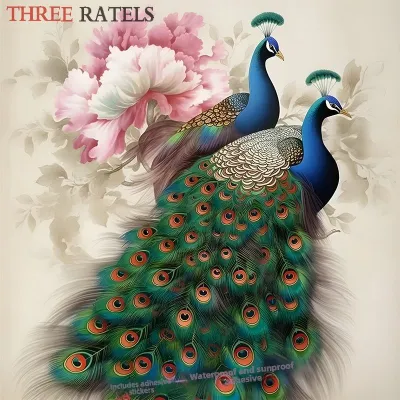
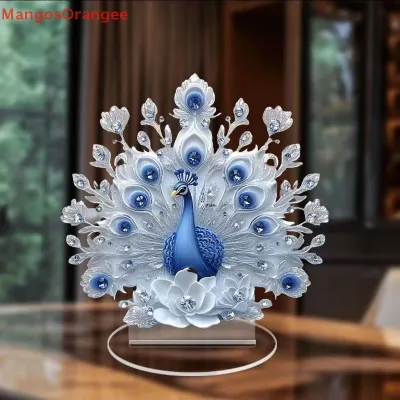
Prices are valid at publication and may change. Please refer to the product page for the latest price.
Resin, a synthetic compound, is highly favored for its exceptional molding capabilities. Liquid resin is poured into detailed molds, capturing every microscopic texture of a feather’s barb and eye. Once cured, resin sculptures are relatively lightweight compared to their solid appearance, making them easier to handle during installation. This material serves as an excellent canvas for complex painted finishes, allowing for layered metallic paints, glazes, and jewel-toned colors that replicate the bird’s natural brilliance.
Wood offers a completely different tactile experience, focusing on carved, layered, or rustic interpretations of the peacock. Artisans may use single blocks of wood for deep relief carvings, or assemble layered panels of varying wood types to create a multi-dimensional effect. The natural variations in wood grain, knots, and color tones mean that no two wooden sculptures are identical. This material is ideal for those who appreciate hand-crafted character and a softer, more organic representation of wildlife.
Durability and Room Environment Checks
Before hanging a large sculpture, you must evaluate how your indoor climate will affect the material over time. In tropical environments with high ambient humidity, moisture resistance is a primary concern. Untreated metals are highly susceptible to oxidation and rust, which can stain both the sculpture and your wall. If you choose a metal piece for a humid area, verify that it features a protective powder coating or a rust-resistant sealant. Resin is highly stable in humid conditions, as it does not absorb moisture, swell, or rust, making it an excellent choice for areas with fluctuating humidity. Wood, however, is highly sensitive to moisture; prolonged exposure to damp air can cause the wood fibers to warp, split, or develop mold if the surface is not properly sealed.

Sunlight exposure is another critical factor that influences the longevity of your wall decor. Direct ultraviolet (UV) rays can cause painted finishes on resin and stained finishes on wood to fade or discolor over time. If your sculpture will be placed near a large window, look for UV-resistant topcoats or consider a powder-coated metal piece, which typically offers superior resistance to sun-induced fading.
Regular maintenance keeps your sculpture looking pristine, but the effort required varies by material. Intricate resin pieces with deep crevices tend to collect dust quickly and require careful, gentle cleaning. Wood sculptures may need occasional conditioning with specialized oils or waxes to prevent the wood from drying out and cracking. Metal pieces generally require the least maintenance, often needing only a quick wipe with a dry microfiber cloth, though you should always check the manufacturer’s care label to avoid stripping any delicate patina or protective clear coats.
Aesthetic Styles and Design Details
The material you select directly influences the design style and visual impact of the peacock motif in your home. If your goal is to capture the highly realistic, vibrant, and intricate details of a peacock’s feathers, resin is often the most suitable medium. The molding process allows for precise replication of three-dimensional textures, which can then be highlighted with rich, iridescent blues, greens, and golds. This level of detail makes resin sculptures excellent focal points in traditional, eclectic, or maximalist interiors where bold color and texture are celebrated.
For modern, minimalist, or industrial spaces, metal sculptures offer a more stylized and abstract aesthetic. Instead of trying to replicate every feather fiber, metal designs often use clean lines, geometric shapes, and negative space to suggest the form of the peacock. Finishes can range from polished chrome and brushed brass to rustic verdigris patinas, allowing you to match other metallic accents in your room. The reflective properties of metal also interact beautifully with nearby lighting, casting elegant shadows that change throughout the day.
Wood sculptures are best suited for natural, earthy, bohemian, or Scandinavian interior themes. The warmth of wood tones softens the dramatic form of the peacock, making it feel more integrated into a relaxed, cozy environment. Whether it is a raw, light-toned birch carving or a dark, rich mahogany relief, wood brings a sense of craftsmanship and quiet elegance. The choice of finish—whether a clear matte varnish that highlights the natural grain or a distressed paint finish for a shabby-chic look—will determine how prominently the sculpture stands out against your wall.
Weight, Hanging Hardware, and Wall Safety
Safely mounting a wall sculpture requires careful consideration of its weight and the structural integrity of your wall. Solid wood and heavy cast iron or thick steel metal sculptures can be surprisingly heavy, placing significant stress on mounting points. In contrast, resin sculptures are typically hollow or made from lightweight compounds, offering a substantial three-dimensional look without the associated weight. Always check the manufacturer’s specifications for the exact weight of the piece before purchasing hanging hardware.
The type of hanging hardware you need depends entirely on your wall construction. For lightweight resin or thin metal pieces, standard picture hooks or light-duty drywall anchors may suffice. However, heavy wood or metal sculptures require robust mounting systems. In homes with concrete or masonry walls, you will need to use a hammer drill to install masonry plugs and heavy-duty screws. For drywall or plasterboard walls, ensure that mounting screws are anchored directly into wooden wall studs, or use high-quality toggle bolts designed to support the specific weight of the sculpture.
Never rely on adhesive strips or temporary hooks for heavy or valuable sculptures, as temperature and humidity changes can cause the adhesive to fail. Always inspect the integrated hanging brackets on the back of the sculpture to ensure they are securely attached to the frame. If the sculpture is exceptionally heavy, awkwardly shaped, or requires complex multi-point mounting, it is highly recommended to hire a qualified professional installer to ensure the piece is safely secured and poses no risk of falling. If your chosen sculpture features integrated LED lighting, remember to isolate the power source during installation and verify the voltage, wiring requirements, and electrical safety certifications before connecting it to your home’s electrical system.
Quick Material Comparison Matrix
To help you compare your options at a glance, the table below outlines the key characteristics and trade-offs of each material.
| Material | Best Aesthetic Use | Relative Weight | Detail Level | Key Maintenance Check |
|---|---|---|---|---|
| Metal | Modern, minimalist, or industrial stylized silhouettes | Moderate to heavy | Low to moderate (stylized) | Check for rust-resistant coatings |
| Resin | Traditional, eclectic, or highly detailed 3D designs | Generally lightweight | High (intricate textures) | Dust with soft brush; avoid harsh chemicals |
| Wood | Rustic, bohemian, or warm organic interiors | Moderate to heavy | Moderate (carved or layered) | Check for moisture sealing and warping |
Decision Framework: Which Material Fits Your Space?
To finalize your decision, evaluate your specific room conditions, aesthetic preferences, and installation capabilities against this practical framework.
Choose Metal if you want a sleek, contemporary statement piece that utilizes negative space and clean lines. Metal is highly durable and less prone to fading, making it ideal for well-lit living rooms, hallways, or modern entryways. Ensure you verify that the piece has a protective finish if your home experiences high humidity, and confirm your wall can support a moderate to heavy load if choosing cast iron or thick steel.
Choose Resin if you desire a highly detailed, colorful, and lifelike representation of a peacock. Because resin is lightweight, it is the easiest material to hang, making it perfect for standard drywall partitions where finding a stud is difficult. It is also highly stable in humid environments, though you should keep it out of direct, intense sunlight to prevent the vibrant painted details from fading over time.
Choose Wood if your home features natural materials, warm color palettes, or a bohemian design style. Wood brings unmatched organic texture and a sense of hand-crafted artistry to a space. However, because wood is sensitive to moisture and temperature shifts, avoid hanging wooden sculptures in bathrooms, kitchens, or near air conditioning vents where rapid environmental changes could cause warping or cracking.
Before making any purchase, always verify the wall type in your intended installation spot. Ensure you have the correct drill bits, anchors, and screws, and never hesitate to consult a professional installer for heavy, oversized, or complex installations to guarantee your beautiful new peacock sculpture remains safely secured to the wall.
Frequently Asked Questions (FAQ)
Can I hang a metal peacock sculpture in a bathroom?
You can hang a metal peacock sculpture in a bathroom only if the product specifications explicitly state it has a rust-resistant, powder-coated, or sealed finish. Bathrooms experience high levels of humidity and moisture, which will quickly cause untreated or raw metals to oxidize and rust. If the manufacturer’s label does not specify a moisture-resistant coating, it is best to avoid placing the metal sculpture in the bathroom or to apply a suitable clear rust-preventative sealer yourself before installation.
How do I clean a highly detailed resin peacock sculpture?
To clean a highly detailed resin peacock sculpture without damaging its intricate painted details, use a soft-bristled makeup brush, a clean paint brush, or a static duster to gently remove dust from the deep crevices of the feathers. Avoid using harsh chemical cleaners, abrasive scrubbing pads, or excessive water, as these can strip or dull the delicate hand-painted finishes. Always check the manufacturer’s care instructions before applying any liquid cleaners or damp cloths to the surface.
Community discussion
Share your experience or ask a question. Comments are reviewed before publication.