
Finding the perfect home for a mini turtle figurine involves matching its design language and physical scale to the specific micro-environment of your living space. Whether you want to add a touch of serene nature to a busy study desk or introduce a subtle conversation starter to your entryway console, these small accents work best when their material finishes and dimensions harmonize with their surroundings. By evaluating the lighting, humidity, and existing decor of each room, you can select a figurine that feels like an intentional design choice rather than an afterthought.
Understanding Mini Turtle Figurine Styles and Materials
Small decorative objects, often referred to as micro-accents, possess a unique ability to anchor a room’s design narrative without cluttering the physical space. In compact urban homes, such as modern apartments where surface area is highly prized, these miniature sculptures offer an easy way to express personal style without sacrificing functionality. The turtle motif, symbolizing longevity, patience, and stability across many cultures, serves as an excellent focal point that brings a sense of calm to interior spaces.
To choose the right piece, it helps to categorize the primary aesthetic styles available. Realistic figurines capture the intricate textures of a turtle’s shell and skin, making them ideal for traditional, rustic, or nature-inspired interiors. Abstract designs simplify the form into geometric shapes or fluid, sweeping lines, which pair beautifully with contemporary or mid-century modern aesthetics. Whimsical styles often feature playful proportions, exaggerated expressions, or vibrant colors, adding a lighthearted touch to casual spaces. Minimalist designs strip away all excess detail, focusing entirely on a clean silhouette that complements sleek, modern environments.
Products mentioned in this guide
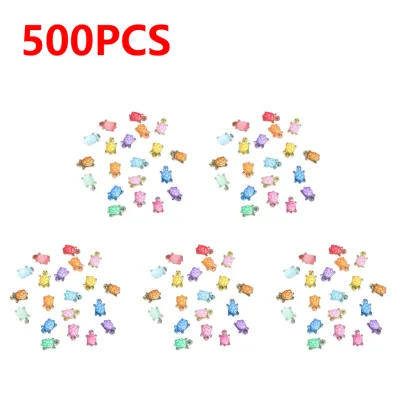
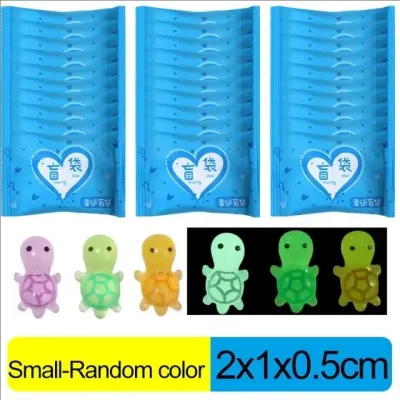
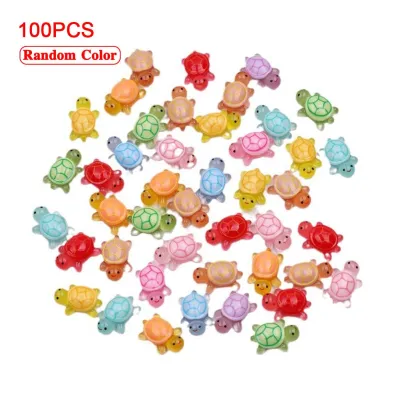
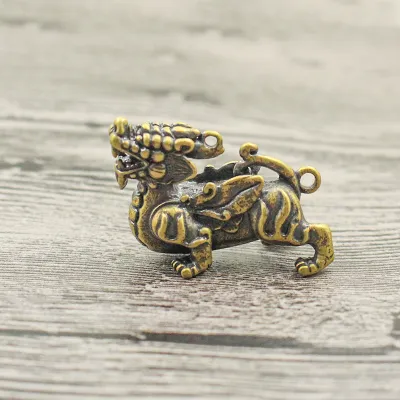
Prices are valid at publication and may change. Please refer to the product page for the latest price.
The material of the figurine dictates both its visual weight and its tactile presence. Resin is a highly popular choice because it can be cast into incredibly detailed shapes and finished to mimic stone, wood, or metal, while remaining lightweight and durable. Ceramic figurines offer a classic appeal, with options ranging from high-gloss glazed finishes that reflect light to earthy, matte terracotta that grounds a space. Metal options, such as solid brass, bronze, or copper, carry significant physical and visual weight, bringing a touch of antique sophistication or industrial edge. Carved wood figurines introduce organic warmth and unique grain patterns, making each piece feel highly personalized.
Before finalizing a purchase, always verify the manufacturer’s specifications regarding material composition and care. Some composite materials may require specific environmental conditions to prevent cracking or discoloration over time. Understanding these material properties ensures your chosen accent remains a beautiful part of your home for years to come.
Matching Figurine Sizes to Specific Display Locations
Selecting the right physical dimensions for a mini turtle figurine is crucial to maintaining visual balance. If a figurine is too small, it risks being overlooked or mistaken for misplaced clutter; if it is too large, it can overwhelm the delicate proportions of a shelf or small table. Understanding standard size tiers helps narrow down the options for specific display areas.

Miniature figurines generally fall into three distinct size categories. Micro-accents measure under 3 centimeters in length and are best suited for highly intimate viewing distances, such as nestled inside a small terrarium or placed directly on a computer monitor stand. Standard mini figurines range from 3 to 8 centimeters, offering enough detail to be noticed from across a small room while easily fitting onto crowded surfaces. Desk-scale pieces measure between 8 and 15 centimeters, making them substantial enough to stand alone as independent decorative objects on side tables or mantelpieces.
When assessing potential display zones, consider the physical constraints and primary functions of each surface. A busy study desk requires a compact figurine that does not interfere with keyboard movement or document storage. Entryway consoles need to accommodate daily essentials like key bowls and mail organizers, meaning any decorative accent must have a stable base and a footprint small enough to leave ample functional space. Floating shelves present vertical limitations, so measuring the clearance between shelves is an essential step before choosing a taller or more upright figurine design.
Achieving visual harmony also requires adhering to basic proportion rules within your broader room layout. A single micro-figurine placed on a large, empty dining table will look lost and out of scale. Instead, pair smaller figurines with larger objects, such as books, potted plants, or candle holders, to create a layered composition where the mini turtle acts as a charming discovery rather than a solitary dot in a vast space.
Style and Size Matching Framework for Home Spaces
To create a cohesive interior, it is helpful to apply a structured framework that pairs specific figurine styles and sizes with the unique functional demands of different home zones. Every room has its own energy, lighting, and usage patterns, which should directly influence your decorative choices.
For workspaces and home offices, focus on minimalist or abstract designs in the standard mini size tier (3 to 8 centimeters). These clean, uncomplicated shapes help maintain a professional atmosphere and minimize visual distractions during long working hours. Materials like polished stone, matte ceramic, or brushed metal work exceptionally well here, as they offer a tactile grounding effect when you need a brief mental break from your screen. Place the figurine near your desk lamp to catch subtle highlights without creating harsh glare.
Living room shelves and bookcases call for highly detailed, realistic, or vintage-style figurines. These spaces are designed for leisure and contemplation, allowing guests and residents to appreciate the fine craftsmanship of a textured shell or a hand-painted finish. A desk-scale piece (8 to 15 centimeters) crafted from heavy brass or glazed ceramic sits beautifully atop a stack of art books or alongside a trailing indoor ivy plant. The intricate details of these materials add depth and narrative layers to your shelving display.
Entryway consoles benefit from whimsical or bold statement styles that immediately set a welcoming tone for the home. Since the entryway is a high-traffic transition zone, choose a sturdy, medium-sized figurine that won’t easily tip over if brushed against. A stylized bronze or brightly colored ceramic turtle placed next to a catch-all tray serves as a cheerful greeting. Ensure the figurine’s placement does not obstruct the natural flow of movement or block access to light switches and door handles.
Humid environments, such as bathrooms or kitchen window sills, require special consideration, particularly in tropical climates like Singapore where moisture levels remain consistently high. Before placing any decorative object in these zones, check the manufacturer’s labels for explicit water-resistance and moisture safety. Avoid unsealed wood, porous unglazed clay, or metals prone to rapid oxidation, as these materials can warp, mold, or rust. Instead, opt for high-fired glazed ceramics or non-porous, moisture-stable resins that can withstand daily exposure to steam and splashes without degrading.
Arrangement and Maintenance Best Practices
Once you have selected the ideal mini turtle figurines for your home, arranging them thoughtfully elevates their impact from simple knick-knacks to a curated design collection. Utilizing established styling techniques can transform any flat surface into an engaging visual story.
One of the most effective styling methods is the rule of threes, which suggests that objects arranged in odd numbers are naturally more appealing and memorable to the human eye. When grouping mini figurines, vary their heights and depths to create a dynamic vignette. You can achieve height variation by placing one figurine on a small wooden pedestal or a stack of coasters, while keeping another directly on the table surface. Mix textures—such as pairing a smooth ceramic turtle with a rough stone coaster—to add sensory interest to the arrangement.
Lighting plays a pivotal role in how your figurines are perceived. Position your display to take advantage of soft, ambient light that accentuates the contours and textures of the sculpture. However, be cautious with high-intensity light sources. Avoid placing delicate materials, such as painted resins or sensitive woods, directly under high-heat halogen spotlights or in areas that receive intense, unfiltered afternoon sunlight. Over time, excessive heat and UV exposure can cause paint to peel, resins to yellow, and wood to warp or crack.
Maintaining the pristine appearance of your figurines requires gentle, regular care. Always refer to the manufacturer’s cleaning instructions, as delicate finishes can be easily ruined by improper handling. For intricate carvings and deep crevices, avoid damp cloths which can trap moisture in hard-to-reach spots. Instead, use a soft-bristled makeup brush, a clean paint brush, or a gentle puff of compressed air to safely remove dust without putting pressure on fragile limbs or shells.
Frequently Asked Questions (FAQ)
Can I display resin mini turtle figurines outdoors or on a balcony?
While resin is a highly durable and versatile material for indoor decor, standard indoor-rated resin figurines are generally not equipped to handle outdoor environments. Direct exposure to ultraviolet (UV) rays from the sun can rapidly degrade the chemical bonds in the resin, leading to severe fading, yellowing, or structural warping. Additionally, rainwater and extreme temperature fluctuations can cause painted finishes to crack and peel. If you wish to decorate a balcony, patio, or garden space, always check the product packaging or consult the manufacturer to verify if the figurine has an explicit outdoor-safety certification or a UV-resistant protective coating.
How do I clean intricate details on a ceramic turtle figurine without damaging it?
Cleaning textured or delicate ceramic figurines requires a cautious, non-abrasive approach to preserve the glaze and prevent chipping. For routine maintenance, a dry, soft-bristled brush is the safest tool to sweep away dust from intricate shell patterns and crevices. If the figurine has a glossy, fully glazed finish and requires a deeper clean to remove sticky residue, you may use a slightly damp microfiber cloth with plain water, ensuring you dry the piece immediately afterward. However, never submerge unglazed, porous ceramics in water, and strictly avoid harsh chemical cleaners, bleach, or abrasive scrubbing pads. Always consult the item’s specific care label before applying any moisture or cleaning agents.
Community discussion
Share your experience or ask a question. Comments are reviewed before publication.