
Mini turtle figurines are available in three primary styles—realistic, cartoon/whimsical, and symbolic/feng shui—and choosing the right one depends on matching the figurine’s material, finish, and design language with your room’s existing aesthetic, scale, and functional purpose. In compact living environments, such as modern apartments in Singapore where space on console tables, study desks, and floating shelves is highly valued, these small decorative accents offer an excellent way to introduce personality without causing visual clutter. By understanding the distinct characteristics of each style, you can select a piece that not only complements your interior design but also stands up to the environmental conditions of your home.
Selecting the perfect mini turtle involves more than just picking an attractive shape. It requires a thoughtful look at how the figurine’s material interacts with your room’s lighting, how its texture affects your cleaning routine, and how its symbolic or playful nature aligns with the mood you want to create. Whether you are looking for a serene, nature-inspired accent, a cheerful pop of color, or a traditional symbol of longevity and stability, this guide will help you navigate the options available and make an informed choice.
Understanding the Main Styles of Mini Turtle Figurines
Mini turtle figurines are crafted in a wide array of designs, each bringing a unique visual language and atmosphere to an indoor space. Because these items are small, their impact relies heavily on their shape, color, and the way they catch the light. Designers and manufacturers use various materials—ranging from molded resin and glazed ceramic to hand-blown glass, carved stone, and cast metal—to achieve different artistic effects.
Products mentioned in this guide
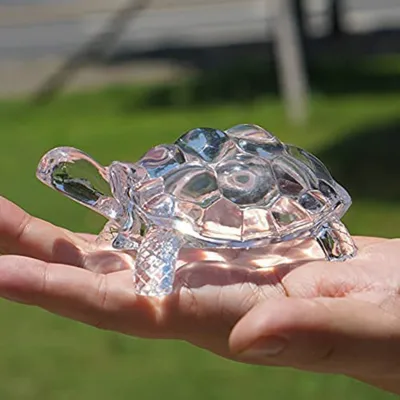
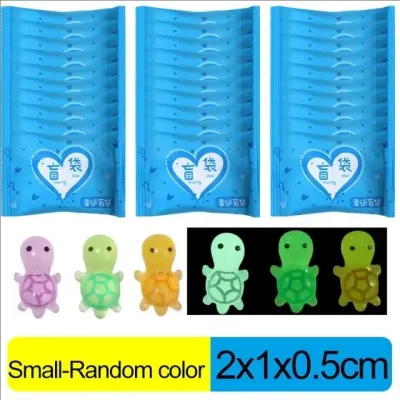
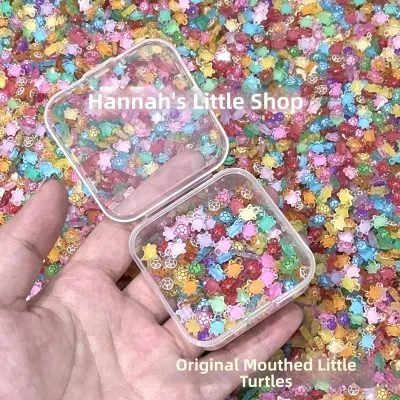
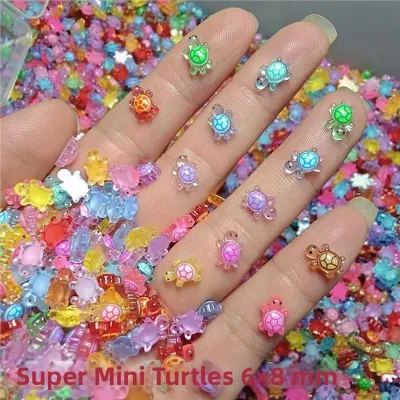
![[SG SELLER]Luminous Small Turtle Toy Glowing in Dark Sanrio Cartoon Kuromi Cinnamoroll Melody Turtle Resin Handicraft Friends Gift](https://img.lazcdn.com/g/p/9faef51ae63a2c942d3a6057ae4dc8ea.jpg_400x400q80.jpg_.webp)
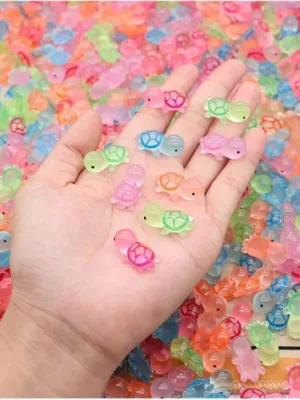
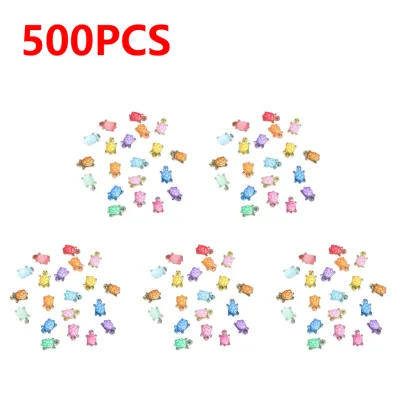
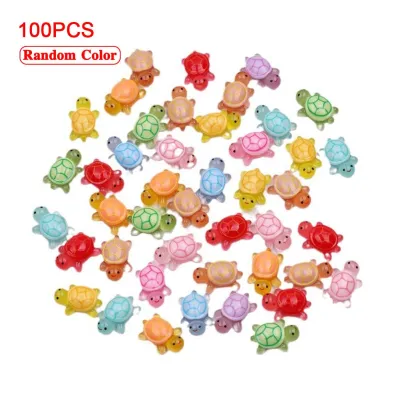
Prices are valid at publication and may change. Please refer to the product page for the latest price.
The style you choose sets the tone for the specific area where the figurine is displayed. A polished brass turtle conveys classic refinement, while a brightly painted ceramic turtle introduces lighthearted energy. By categorizing these figurines into three main design families, you can easily narrow down your options based on the existing decor of your home and the specific vibe you wish to cultivate.
Realistic and Nature-Inspired Designs
Realistic mini turtle figurines focus on anatomical accuracy, capturing the intricate beauty of real-world testudines. These pieces feature highly detailed, textured shells that mimic the natural scutes of sea turtles or tortoises, complete with lifelike limbs and organic color palettes of earthy greens, deep browns, and sandy beiges.
These lifelike designs are exceptionally well-suited for botanical, coastal, or rustic interiors where organic elements are prominent. Placing a realistic resin sea turtle on a bathroom vanity or a weathered wooden shelf instantly evokes a connection to the ocean. Similarly, a detailed stone-look tortoise nestled among potted indoor plants adds a touch of quiet, forest-like serenity to a living room corner.
However, highly detailed surfaces require careful maintenance. Figurines with deep crevices and fine anatomical details accumulate dust more quickly than smooth pieces. If you prefer a low-maintenance setup, look for realistic designs with semi-glossy finishes that can be easily wiped clean, or use a soft-bristled brush to keep the fine details looking sharp.
Cartoon and Whimsical Designs
Cartoon and whimsical mini turtle figurines prioritize playfulness, charm, and vibrant expression over anatomical accuracy. These designs often feature exaggerated proportions, such as oversized eyes, rounded shells, and cheerful, smiling faces. They are frequently finished in bright, saturated colors—ranging from pastel pinks to vivid greens—and may include fun patterns like polka dots or hand-painted illustrations on their shells.
These lighthearted pieces serve as excellent cheerful accent pieces in casual, modern, or child-friendly spaces. They work beautifully on study desks, nursery shelves, or kitchen counters where they can bring a smile to anyone who notices them. Because of their bold colors and friendly shapes, they can break up the seriousness of a room and serve as delightful conversation starters.
If you plan to place a whimsical painted figurine in a high-traffic area, check the quality of the finish. Painted ceramic or plaster figurines can be prone to chipping if handled frequently or knocked over. Opting for high-quality, solid-colored resin or acrylic whimsical designs can provide better chip resistance, ensuring that the playful expressions and bright colors remain intact over years of display.
Symbolic and Feng Shui Designs
Symbolic and Feng Shui mini turtle figurines are designed with cultural, traditional, or auspicious purposes in mind. In many Asian cultures, the turtle is a revered symbol of longevity, protection, stability, and wealth. These figurines often incorporate specific visual motifs, such as a turtle carrying gold coins or ingots on its back, a dragon-headed turtle, or a family of turtles stacked on top of one another. They are commonly crafted from materials with traditional significance, such as jade, obsidian, rose quartz, or cast brass.
When integrating these pieces into your home, placement is often guided by traditional Feng Shui principles to harmonize the energy of the space. For instance, placing a brass turtle in the northern sector of a room is traditionally associated with supporting career stability, while positioning a stone turtle facing the main entrance is thought to offer protective energy. While these placement concepts are valued cultural traditions, they are best viewed as ways to create a mindful, structured environment rather than absolute guarantees of specific life outcomes.
If you are purchasing a symbolic figurine for traditional reasons, verify the authenticity of the materials. Many mass-produced items are made of plastic or resin painted to look like jade or bronze. While these synthetic alternatives can look beautiful and serve as excellent budget-friendly decor, verifying the product specifications will ensure you get the material quality you expect, especially if you are looking for the weight and tactile feel of genuine stone or solid metal.
How to Match Turtle Figurines to Your Interior Design
Integrating a mini turtle figurine into your home requires looking at the broader design theme of your room. Because these items are small, they should complement, rather than compete with, your existing furniture, wall colors, and larger decorative pieces. A well-placed figurine acts as a subtle anchor that ties a design theme together.

For coastal and beach-themed spaces, the goal is to evoke the breezy, relaxing atmosphere of the shoreline. Realistic sea turtle figurines made of weathered wood, frosted glass, or matte ceramic pair beautifully with natural light, driftwood accents, and a color palette of soft blues, sandy beiges, and clean whites. Placing a small, frosted glass sea turtle on a windowsill where it can catch the afternoon sun creates a beautiful, watery light effect that enhances the coastal vibe.
In modern and minimalist interiors, decor should be sparse, intentional, and clean. To match this aesthetic, look for sleek, monochromatic, or highly abstract turtle shapes. A solid matte black ceramic turtle, a polished chrome figurine, or a simple geometric stone carving works best. These designs act as subtle, uncluttered accents on a floating shelf or a minimalist desk, providing a touch of organic form without disrupting the clean lines and open space of the room.
Traditional and Asian-inspired rooms benefit from the rich textures and deep colors of symbolic figurines. Integrating a polished brass or genuine green jade turtle harmoniously with dark wood furniture, rich textiles like silk or brocade, and warm, soft lighting creates a sophisticated, grounded atmosphere. Placing a small brass dragon turtle on a dark mahogany study desk or a side table adds a sense of history, culture, and quiet dignity to the workspace.
For eclectic and bohemian setups, there are fewer rules, allowing you to experiment with vibrant colors and mixed textures. Whimsical, hand-painted ceramic turtles or brightly colored glass figurines fit perfectly into these creative spaces. You can nestle a colorful, patterned mini turtle among a collection of indoor plants, stack it on top of a pile of vintage art books, or place it alongside textured woven baskets to add an unexpected, playful element to your bohemian decor.
Key Factors to Consider Before Buying
Before purchasing a mini turtle figurine, evaluating its physical specifications will ensure it fits your space perfectly and lasts for years. Because “mini” can refer to anything from a tiny two-centimeter pocket charm to a ten-centimeter tabletop sculpture, checking the exact dimensions is crucial. Measure the specific shelf, desk corner, or terrarium section where you plan to display the piece to ensure it will not look lost or, conversely, overcrowd the area.
Material durability is another essential factor, especially depending on where the figurine will be displayed. Resin is highly durable, lightweight, and capable of holding extremely fine details and vibrant paint, though low-grade resins may fade or yellow if exposed to direct, harsh sunlight over long periods. Ceramic and porcelain offer a classic, elegant look with beautiful glazed finishes, but they are fragile and can chip or shatter if dropped, making them less suitable for low shelves in homes with active pets or young children. Glass figurines catch and refract light beautifully, making them ideal for windowsills or well-lit display cabinets, but like ceramic, they require careful handling. Metal figurines, such as those made of brass, bronze, or pewter, are extremely durable, heavy, and virtually unbreakable, though polished pieces may require occasional buffing to maintain their shine.
The weight and stability of the figurine are particularly important if you plan to display it on a narrow ledge, a mantelpiece, or an uneven surface like a rustic wooden shelf. A figurine with a flat, wide base and a low center of gravity is much less likely to tip over if the furniture is bumped. If you are choosing a very lightweight resin or glass piece, ensure it is placed in a secure, low-traffic spot where it cannot be easily knocked down by a passing breeze or a stray hand.
Finally, consider the finish and how it impacts your long-term maintenance routine. High-gloss glazed ceramics and polished metals are easy to wipe down with a damp cloth, but they easily show fingerprints and dust. Matte or heavily textured surfaces do not show fingerprints, but their crevices can trap dust and dirt, requiring a more detailed cleaning approach. Matching the finish to your willingness to perform regular maintenance will keep your decor looking pristine with minimal effort.
Quick Comparison of Turtle Figurine Styles
To help you quickly identify which style of mini turtle figurine aligns with your home decor goals and lifestyle, the table below summarizes the key characteristics, ideal settings, common materials, and maintenance needs of each design category.
| Style | Best Suited Decor | Common Materials | Maintenance Level |
|---|---|---|---|
| Realistic | Coastal, Botanical, Rustic, Traditional | Resin, Textured Ceramic, Carved Stone | Moderate (requires dusting of detailed crevices) |
| Cartoon / Whimsical | Eclectic, Modern, Kids' Rooms, Casual | Painted Resin, Glazed Ceramic, Acrylic | Low to Moderate (depends on paint durability) |
| Symbolic / Feng Shui | Traditional, Asian-Inspired, Minimalist | Brass, Jade, Obsidian, Polished Stone | Low (easy to wipe down, occasional metal polishing) |
While these classifications represent the most common configurations found in decor shops, many contemporary artists blend these styles to create unique hybrid pieces. Use this table as a general guide to help narrow down your search parameters when browsing online or visiting local boutiques.
Where to Shop and What to Verify
When shopping for mini turtle figurines, navigating online marketplaces and local decor boutiques requires a bit of caution to ensure you receive a high-quality product that matches your expectations. E-commerce platforms offer an incredibly wide selection, but listings can sometimes be misleading regarding size and material. Always read the product description carefully and look for the exact dimensions in centimeters or inches rather than relying solely on product photos, which are often close-ups that make items appear much larger than they are.
Verifying material claims is another critical step in making a smart purchase. It is common for listings to use terms like “bronze turtle” or “jade figurine” when the item is actually made of molded resin painted to look like metal or stone. To verify these claims, check the product weight listed in the specifications; a genuine solid brass or stone figurine will feel significantly heavier than a plastic or resin counterpart of the same size, whether you are investing S$10 in a simple resin piece or S$100 in a hand-carved stone sculpture. Reading customer reviews and looking at uploaded buyer photos can also provide valuable real-world insights into the actual color, texture, and quality of the item.
If you are purchasing fragile pieces made of glass, porcelain, or delicate ceramic, pay close attention to the seller’s packaging quality notes and return policies. Fragile items require robust protective packaging, such as custom-cut foam or thick bubble wrap, to survive transit. Before finalizing your order, ensure the seller offers a clear return or replacement policy in case the item arrives damaged, giving you peace of mind as you add these charming accents to your home decor collection.
Frequently Asked Questions (FAQ)
Can mini turtle figurines be placed outdoors or in terrariums?
Most standard indoor decorative turtle figurines are not designed to withstand outdoor weather conditions or the specialized environments of terrariums. Standard paints, glazes, and resins are often not UV-stabilized, meaning they can fade, crack, or peel when exposed to direct sunlight and rain. Furthermore, unless a figurine is explicitly certified as non-toxic and safe for aquatic or reptile use by the manufacturer, it should never be placed in a live animal enclosure or fish tank, as chemicals from the paint or material could leach into the water or soil and harm living creatures.
How do I clean detailed or textured turtle figurines?
To clean detailed or heavily textured turtle figurines without damaging their finish, avoid using harsh chemical cleaners, abrasive scrubbing pads, or soaking them in water. Instead, use a dry, soft-bristled brush—such as a clean makeup brush or a soft toothbrush—to gently sweep away dust from the deep crevices of the shell and limbs. For stubborn dust, a can of compressed air held at a safe distance can easily blow away particles from hard-to-reach spots. If the figurine has a smooth, glazed, or sealed surface, a lightly damp microfiber cloth can be used to wipe it clean, followed immediately by drying with a soft towel.
Community discussion
Share your experience or ask a question. Comments are reviewed before publication.