
Finding a crystal pendant light that complements a Japandi interior requires shifting your perspective away from traditional, heavy luxury toward understated, organic elegance. Japandi design—the harmonious fusion of Japanese minimalism and Scandinavian functionality—prioritises clean lines, natural textures, and a sense of calm. While classic crystal chandeliers are often associated with opulent, multi-tiered European styles, modern minimalist crystal pendants can serve as stunning focal points that enhance, rather than disrupt, a Japandi-inspired home. By focusing on restrained silhouettes, natural material pairings, and soft illumination, you can select a fixture that brings warmth and sophisticated texture to your living space.
This guide provides a practical framework for evaluating lighting brands, identifying key design features, and verifying technical compatibility for your home. Whether you are renovating a flat or updating a specific room, understanding how to assess crystal quality, hardware finishes, and installation requirements will ensure your chosen pendant light aligns perfectly with both your aesthetic goals and safety standards.
Understanding Japandi Aesthetics in Crystal Lighting
Traditional crystal chandeliers rely on complex, multi-faceted prisms designed to refract light into brilliant, rainbow-like patterns. These fixtures often feature elaborate brass scrolls, hanging teardrops, and multiple tiers that command attention and create high visual drama. In a Japandi interior, however, such designs can feel overwhelming and discordant. Japandi spaces thrive on simplicity, negative space, and a connection to the natural world. Therefore, the role of a crystal pendant in this context is not to dominate the room, but to gently diffuse light and introduce a subtle, tactile element that complements organic materials like wood, linen, and stone.
Products mentioned in this guide
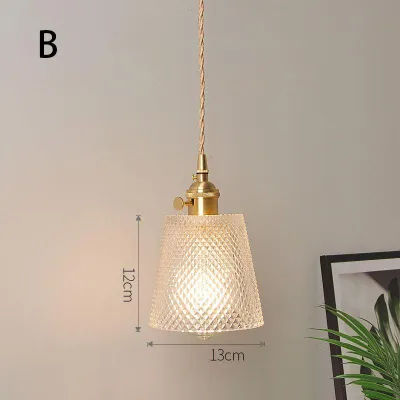
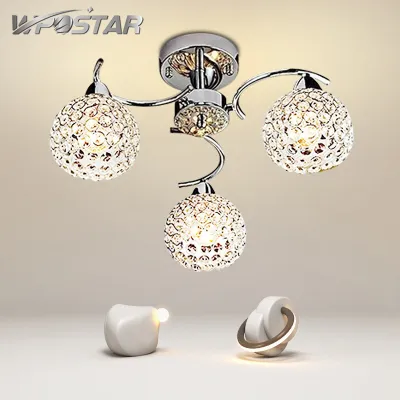
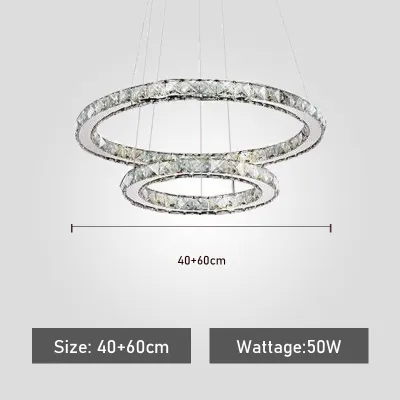
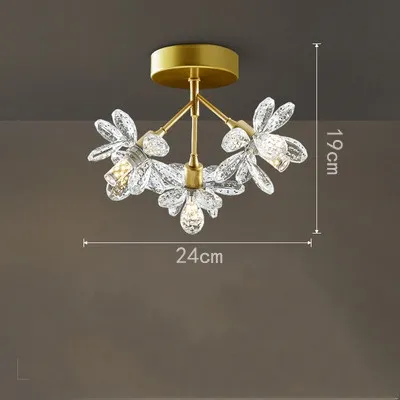
Prices are valid at publication and may change. Please refer to the product page for the latest price.
To bridge the gap between crystal’s inherent luxury and Japandi’s rustic simplicity, look for brands that pair crystal with raw, matte, or brushed metal finishes. Matte black hardware provides a striking, graphic contrast that echoes the dark accents often found in Japanese interiors. Brushed brass, satin nickel, or aged bronze finishes offer a softer, warmer alternative that harmonises beautifully with light oak, ash, or walnut furniture. These muted metal finishes ground the reflective quality of the crystal, preventing the fixture from looking overly cold or clinical.
The shape of the fixture is equally critical when selecting a piece for a Japandi home. Prioritise geometric simplicity and organic forms over intricate, symmetrical patterns. A single, solid crystal cylinder, a delicate spherical globe, or a gently curved teardrop shape maintains a low visual weight while still offering the unique depth that only crystal can provide. By choosing designs that embrace negative space—such as a single pendant suspended by a slender, fabric-wrapped cable—you allow the surrounding architecture and natural materials to breathe, creating a balanced and serene atmosphere.
Furthermore, consider how the crystal itself is textured. Instead of highly polished, sharp-edged cuts, look for brands that offer lightly textured, frosted, or ribbed crystal. These surfaces soften the light, creating a gentle, ambient glow rather than sharp, piercing reflections. This soft diffusion mimics the natural light filtering through traditional shoji screens or the misty atmosphere of a Scandinavian forest, aligning perfectly with the core principles of both design philosophies.
How to Evaluate Brand Designs for Minimalist Appeal
When browsing different lighting brands, it is easy to get lost in beautiful photography and marketing terms. To determine if a brand’s crystal pendants are truly suitable for a Japandi interior, you need to look closely at the structural details and material specifications. Start by assessing the crystal cutting style. Traditional designs use deep, intricate cuts to maximise sparkle. For a minimalist look, seek out brands that feature smooth, uncut surfaces, simple cylindrical shapes, or very light, broad facets. These clean cuts allow the natural clarity of the material to shine through without creating a busy, distracting pattern of light on your walls.

Next, evaluate the overall silhouette and scale of the fixture. A massive, multi-tiered crystal pendant will quickly overpower a minimalist room. Instead, look for brands that offer linear configurations, single-pendant options, or small, understated clusters. A linear crystal pendant works exceptionally well over a dining table or kitchen island, providing functional downward light while maintaining a sleek, horizontal profile. If you prefer a clustered design, ensure the individual pendants are suspended at varying heights with ample space between them, creating a sense of movement and lightness rather than a dense, heavy mass.
Material transparency is another crucial factor when evaluating brands. Reputable lighting manufacturers will clearly specify the type of crystal or glass used in their fixtures. High-quality K9 crystal is a popular choice for minimalist designs because of its excellent clarity and durability, but lead-free crystal and high-grade borosilicate glass are also excellent options that offer a clean, modern look. Avoid brands that use vague terms like “crystal-like” or “acrylic crystal,” as these materials often lack the weight, clarity, and light-refracting properties of genuine crystal, and they can yellow or degrade over time when exposed to heat and sunlight.
You should also pay close attention to the hardware and mounting components. Minimalist design requires clean execution, which means the canopy (the plate that attaches to the ceiling), the suspension cables, and the glass holders should be as unobtrusive as possible. Look for brands that use slim, colour-matched ceiling canopies and high-quality, adjustable cables. Avoid fixtures that feature shiny chrome accents, visible screws, or decorative chains, as these elements introduce unnecessary visual clutter. The goal is to find a brand that treats the hardware as an integrated, functional part of the design rather than an afterthought.
Finally, steer clear of brands that integrate multi-colour LED systems or overly complex smart lighting features directly into the fixture’s core structure. While smart bulbs are highly useful, built-in RGB LED strips that cycle through bright, saturated colours are entirely contrary to the warm, natural, and calming palette of Japandi design. Stick to brands that focus on high-quality, static light sources or those that allow you to choose your own compatible bulbs, ensuring you can maintain control over the warmth and quality of the light in your home.
Electrical and Installation Checks Before You Buy
Before finalising your purchase of a crystal pendant light, it is essential to perform several practical checks to ensure the fixture is safe, compatible, and suitable for your home’s electrical and structural setup. In Singapore, the standard residential voltage is 230V at a frequency of 50Hz. When sourcing lighting brands—especially those from international manufacturers—always verify that the fixture is rated for 230V operation. Additionally, look for products that carry recognised safety certifications, such as the Enterprise Singapore Safety Mark, or international equivalents like CE or CB certification, which indicate that the product has undergone rigorous testing for electrical safety.
The weight of the fixture is another critical consideration, particularly for solid crystal pendants. Crystal is significantly heavier than standard glass or plastic, and a large pendant can place substantial stress on your ceiling structure. Before buying, check the product specifications for the exact weight of the fixture. Standard plasterboard ceilings may require additional reinforcement, such as a timber support bridge installed behind the ceiling board, to safely bear the weight of a heavy pendant. If you are installing the light on a concrete ceiling, ensure you use appropriate masonry wall plugs and heavy-duty screws that are rated for the fixture’s weight.
To achieve the warm, inviting ambiance that defines Japandi interiors, you must pay close attention to the bulb type and dimmer compatibility. Look for fixtures that use standard bulb bases, such as E27 or GU10, which give you the flexibility to choose your own light sources. For a cosy, relaxing atmosphere, select LED bulbs with a warm colour temperature between 2700K and 3000K. If you plan to install the pendant in a multi-functional space, such as a dining room that also serves as a workspace, ensure the fixture and the bulbs are compatible with dimming systems. This allows you to easily transition from bright, functional task lighting to soft, low-level ambient light in the evening.
While some basic lighting installations can be completed as DIY projects, certain scenarios require professional expertise. If your installation involves fixed wiring modifications, running new electrical lines, or working with complex dimming systems, you should always hire a licensed electrical worker (LEW) in Singapore. Professional installation is also highly recommended if you are mounting a heavy fixture on a high ceiling, as working at height carries significant safety risks. A qualified professional will ensure that the electrical connections are secure, the fixture is properly grounded, and the mounting hardware is structurally sound, giving you peace of mind and protecting your investment.
Where to Source and Verify Authentic Brands
Finding the perfect minimalist crystal pendant involves knowing where to shop and how to verify the quality of the products before making a commitment. Purchasing directly from official brand websites or authorised local lighting showrooms is generally the safest option. Local showrooms in Singapore allow you to examine the fixtures in person, giving you a clear sense of the crystal’s clarity, the quality of the metal finishes, and the overall scale of the piece. Seeing the light turned on in a showroom environment also helps you assess how the crystal diffuses light and whether it creates any unwanted glare or harsh patterns.
If you choose to shop on reputable online home decor platforms or international design marketplaces, take the time to research the seller’s background and customer feedback. Look for platforms that offer robust buyer protection, clear return policies, and comprehensive warranties. A reliable brand or retailer should offer at least a one-year warranty on electrical components and structural parts. It is also wise to check if the brand sells replacement parts, such as individual crystal drops or matching glass cylinders, so you can easily repair the fixture if a component is accidentally damaged during cleaning or installation.
Before making a final decision, utilise all available resources to verify the product’s appearance and quality. Many online retailers provide high-resolution customer photos in their review sections; these images are incredibly valuable because they show the fixture in real-world lighting conditions and residential settings, rather than highly styled studio environments. If you are unsure about a particular metal finish or crystal texture, contact the brand’s customer service team to ask if they can provide physical material samples or additional close-up photographs. Taking these extra steps will help you avoid surprises and ensure that your new crystal pendant light integrates seamlessly into your Japandi home.
Frequently Asked Questions (FAQ)
Is Smoked or Tinted Crystal Suitable for Japandi Interiors?
Yes, smoked, amber, or grey-tinted crystal can be an excellent choice for Japandi interiors. While clear crystal offers a bright, classic look, tinted crystal softens the light output and reduces glare, creating a warmer and more intimate atmosphere. These muted tones blend beautifully with the natural wood finishes, earthy clay accents, and neutral textiles that define the Japandi colour palette.
When selecting a tinted crystal pendant, it is important to consider how the glass interacts with both natural daylight and your artificial light source. Hold a sample or view the fixture in different lighting conditions to ensure the tint does not make your space feel too dark or gloomy during the day. Pairing a smoked or amber crystal shade with a warm-white LED bulb (around 2700K) will enhance the rich, cosy undertones of the glass, adding a layer of sophisticated warmth to your room.
How to Clean Minimalist Crystal Pendants Safely
Maintaining the pristine appearance of a minimalist crystal pendant requires regular, gentle cleaning to prevent dust buildup from dulling the crystal’s natural clarity. For routine maintenance, dry dusting with a clean, high-quality microfibre cloth or a static duster is the safest and most effective method. This removes surface dust without the need for moisture, which can leave streaks on the glass or react with metal hardware.
Before using any liquid cleaners, always consult the manufacturer’s specific care instructions. If a deeper clean is necessary to remove fingerprints or grease, use a slightly damp microfibre cloth with a mild, diluted dish soap solution, taking care to avoid getting moisture near the electrical sockets or unsealed metal parts. Never use harsh chemical cleaners, ammonia-based sprays, or abrasive pads, as these can strip away protective coatings on the metal hardware and permanently scratch or cloud the crystal surface. Always isolate the power at the main circuit breaker before cleaning any light fixture.

Community discussion
Share your experience or ask a question. Comments are reviewed before publication.