
The best sofa cushion cover styles for a minimalist living room are those that introduce subtle texture, organic warmth, and restrained tonal variation without adding visual clutter. Focus on solid neutrals, textured natural weaves like linen and cotton, and low-contrast, fine-line geometric patterns. These styles allow you to refresh your sofa while preserving the clean lines, open space, and calming atmosphere essential to minimalist design.
In modern apartment living, the living room sofa is often the visual centerpiece of the home. Because it occupies so much physical and visual space, changing the entire sofa or even its main upholstery is rarely practical or sustainable. Swapping your sofa cushion covers offers a highly effective, low-waste alternative to update the room’s mood, adapt to changing seasons, or simply refresh a tired space without disrupting your carefully curated interior.
Defining the Minimalist Aesthetic for Cushion Covers
Minimalism in interior design is often misunderstood as a complete absence of detail, but a successful minimalist space relies on deliberate, high-quality choices. When selecting cushion covers, every detail—from the weave of the fabric to the style of the zipper—becomes more prominent because there are fewer items competing for attention. The goal is to choose covers that integrate seamlessly into the room rather than standing out as loud, distracting accents.
Products mentioned in this guide
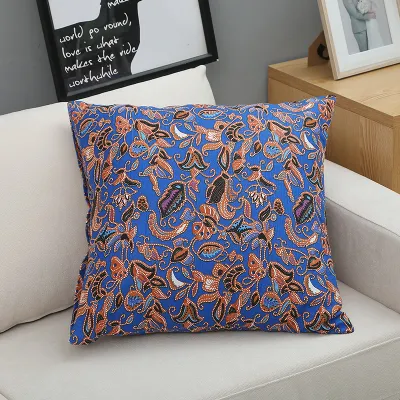
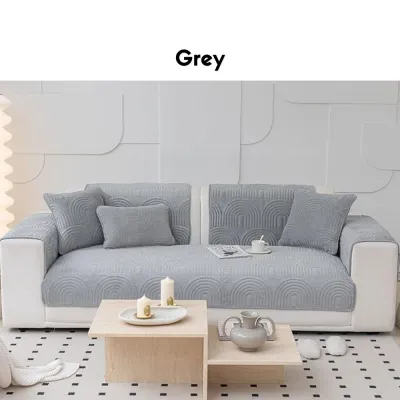
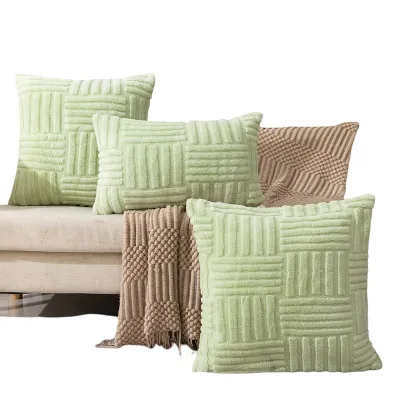
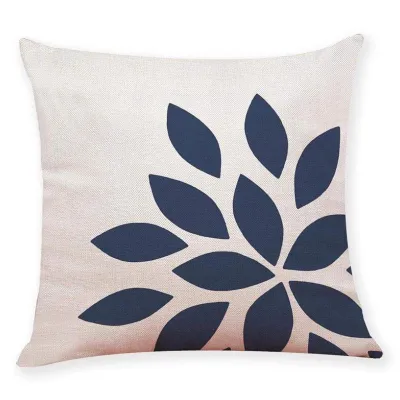
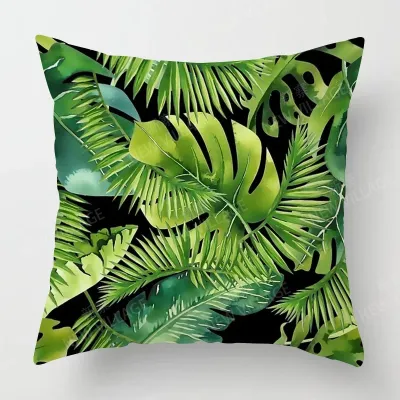
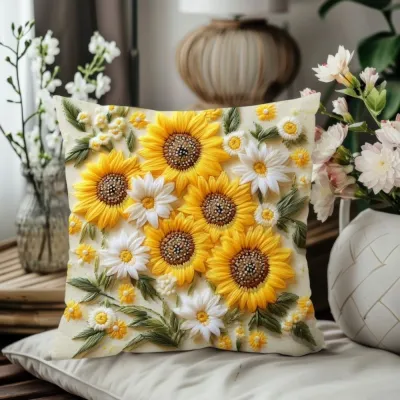
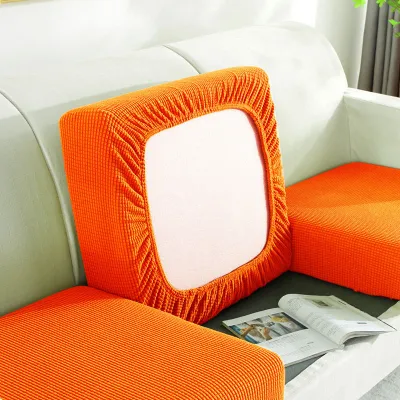
Prices are valid at publication and may change. Please refer to the product page for the latest price.
Color selection is the foundation of this aesthetic. A minimalist palette typically revolves around neutral bases, monochromatic schemes, and muted earth tones. Think of soft creams, warm sands, gentle greys, and deep charcoals, occasionally accented by organic tones like olive green, terracotta, or dusty ochre. These colors harmonize with natural light and architectural elements, creating a cohesive backdrop that promotes relaxation.
Visual weight is another critical factor. Heavy prints, high-contrast patterns, and excessive embellishments like thick tassels, shiny sequins, or dangling fringes add unnecessary visual noise. In a minimalist room, these elements can make the seating area feel cluttered and chaotic. Instead, look for clean edges, tailored seams, and simple shapes that respect the structural lines of your sofa.
Finally, pay close attention to the material finish. Matte, natural, and unreflective surfaces are highly preferred over high-gloss or heavily synthetic textures. Under bright daylight or warm recessed ceiling lights, shiny synthetic fabrics can look harsh and cold. Matte finishes absorb light softly, which helps to create a warm, inviting, and sophisticated atmosphere in your living space.
Key Styles to Refresh a Minimalist Sofa
Refreshing a minimalist sofa does not mean you are limited to flat, sterile designs. By exploring different styles within a restrained framework, you can introduce depth, warmth, and personality to your living room. The following three style directions offer distinct ways to update your space while maintaining a clean, sophisticated look.

Solid Neutrals and Earth Tones
Using solid colors is the most direct way to maintain a clean, uncluttered look, but this style is far from boring when executed with intention. The key lies in tonal layering and color blocking. Instead of matching your cushion covers exactly to the color of your sofa, select shades that complement both the upholstery and the wider room, such as your wall paint or flooring.
If your living room features light oak flooring and off-white walls, you can create a beautiful, grounding effect by layering cushion covers in warm taupe, soft sand, and rich beige. This tonal layering adds visual depth and prevents the sofa from looking flat or washed out. The transition between shades should feel natural and gradual, rather than abrupt.
Avoid stark, high-contrast color pairings, such as placing pure black cushions on a stark white sofa. While high contrast is a design technique, it can feel clinical and aggressive in a home environment. Muted, low-contrast pairings are much more successful at creating a peaceful, cohesive space where the eye can rest comfortably.
Textured Weaves and Natural Fabrics
When working with a limited color palette, texture becomes your primary tool for creating visual interest. Introducing tactile variety allows you to add warmth and character to your sofa without relying on busy patterns or bright colors. Natural fibers are particularly well-suited for this approach.
Linen, cotton, and bouclé are excellent choices for minimalist cushion covers. Linen offers a relaxed, slightly organic drape that softens the sharp angles of modern furniture. Cotton is highly versatile, durable, and easy to clean. Bouclé, with its looped yarns, provides a cozy, cloud-like texture that invites touch and adds a layer of comfort to the room.
In warm and humid climates, such as in Singapore, fabric breathability is a major practical consideration. Heavy synthetic polyester covers can trap heat and moisture, leading to an uncomfortable, sticky seating experience, especially during warm afternoons. Natural linen and cotton weaves allow air to circulate freely, keeping the seating area cool and comfortable.
When selecting textured covers, always check the fabric weight and weave density. A heavier weight ensures the cover drapes beautifully, holds its shape over the cushion insert, and resists wear over time. To style them, balance the texture of your sofa upholstery; if your sofa is made of smooth leather or a flat-weave fabric, pair it with highly textured bouclé or heavy linen covers to create a sophisticated contrast.
Subtle Geometric and Line Art
If you want to introduce patterns into your minimalist living room, you can do so safely by choosing low-contrast, abstract, or geometric designs. The secret is to look for patterns that whisper rather than shout. Tone-on-tone jacquard weaves, where the pattern is created by the texture of the thread rather than a change in color, are an excellent option.
Fine-line embroidery and minimalist line art are also highly effective. These designs use thin, delicate lines to create abstract shapes or simple geometric forms on a solid neutral background. Because the lines are thin and the colors are restrained, these patterns add a touch of artistic sophistication without overwhelming the surrounding decor.
To keep the look balanced, limit patterned covers to just one or two accent pieces on your sofa. For example, if you have a three-seater sofa, you might place one subtle line-art cushion on one end, balanced by two solid, textured cushions on the other. This distribution keeps the arrangement feeling intentional and prevents the patterns from competing for attention.
Scale is also incredibly important. Ensure the scale of the pattern matches the size of your sofa and the proportions of your room. Large, sprawling patterns can easily overpower a compact apartment sofa, while tiny, highly repetitive patterns can look busy and cluttered. Medium-sized, spacious designs generally work best.
How to Mix and Match Without Cluttering
Styling multiple cushions on a single sofa requires a balance between comfort and restraint. To achieve a look that feels both curated and relaxed, you can follow a few simple design guidelines that prevent your seating area from looking overcrowded.
First, embrace the rule of odd numbers. Grouping cushions in threes or fives creates a natural, asymmetrical arrangement that feels balanced yet informal. For a standard three-seater sofa, a group of two cushions on one side and a single cushion on the other side works beautifully. This asymmetry is visually engaging and avoids the stiff, formal look of perfectly symmetrical pairs.
Second, limit your total color palette to two or three closely related shades. You might choose a base of warm cream, a secondary shade of soft grey, and a single accent of muted sage green. Keeping the colors tightly coordinated ensures that even if you mix different textures or subtle patterns, the overall arrangement remains cohesive and peaceful.
Finally, vary the sizes and shapes of your cushion covers to create natural layers. Instead of using identical square cushions, mix a larger square (such as 50cm x 50cm) with a slightly smaller square (45cm x 45cm) or a rectangular lumbar cushion (such as 30cm x 50cm). Place the larger, more neutral cushions at the back to act as an anchor, and layer the smaller, more textured or patterned cushions in front. This variation adds structural interest and depth without requiring loud colors.
Practical Selection Checklist Before You Buy
Before purchasing new sofa cushion covers, taking the time to verify a few practical details will ensure your new covers fit perfectly, look high-end, and suit your daily lifestyle.
- Measure Your Cushion Inserts Accurately: Do not rely on the size label of your old covers, as they may have stretched over time. Remove the insert and measure it flat across the middle from seam to seam. To achieve a plump, professional look, choose a cover that matches the insert size exactly, or select a cover that is slightly smaller (for example, using a 50cm insert inside a 45cm cover) to prevent saggy corners.
- Check the Closure Mechanism: Look for high-quality hidden zippers or clean envelope closures. Exposed, shiny metal zippers can disrupt the clean lines of a minimalist sofa and may scratch the leather or fabric of your couch. A hidden zipper sewn into the bottom seam of the cover ensures a seamless, tidy appearance from all angles.
- Review the Care Labels: In humid environments, cushion covers require regular washing to prevent mustiness and maintain freshness. Check whether the fabric is machine washable, hand wash only, or dry-clean only. Natural fibers like cotton and linen are prone to shrinkage; verify if the fabric has been pre-shrunk during manufacturing. Consider whether you are willing to iron the covers, as natural linen will develop organic creases that some enjoy, while others prefer a perfectly smooth, ironed finish.
- Assess Fabric Durability: If you have pets or young children, look for tightly woven fabrics that resist snagging and are easy to spot-clean. Avoid delicate, loosely woven fabrics that can easily be damaged by claws or zippers.
Frequently Asked Questions (FAQ)
How many cushions should I put on a minimalist sofa?
To maintain a clean, uncluttered aesthetic, it is best to use fewer, larger cushions rather than a large collection of small ones. A mountain of cushions not only creates visual noise but also makes sitting down inconvenient, as guests have to move them out of the way. For a compact two-seater sofa or loveseat, one or two cushions are usually sufficient. For a standard three-seater sofa, three cushions are ideal, allowing you to create a balanced, asymmetrical grouping while leaving plenty of open space on the seating area so the sofa remains functional and visually light.
Can I use velvet cushion covers in a minimalist room?
Yes, you can use velvet cushion covers in a minimalist room, provided you style them with restraint. Choose matte or low-sheen velvet in muted, neutral tones like charcoal, olive, or warm taupe, rather than high-gloss, bright jewel tones. Keep in mind that velvet has a directional nap that reflects light differently depending on the angle and the room’s lighting, which can alter how the color looks throughout the day. To keep the arrangement grounded and modern, pair a single velvet cushion with highly textured, matte covers like linen or flat-weave cotton to balance the rich texture.

Community discussion
Share your experience or ask a question. Comments are reviewed before publication.