
Singapore’s tropical climate is characterized by two major monsoon seasons—the Northeast Monsoon and the Southwest Monsoon—which bring intense, relentless downpours, high humidity, and sudden wind gusts. For homeowners looking to illuminate their outdoor spaces, choosing the right solar lamp requires careful attention to its ingress protection capabilities. To survive these severe weather patterns, an outdoor light generally needs a minimum rating of IP65 for standard exposed areas, while ground-level installations require at least IP67 to prevent catastrophic failure from localized flash ponding. Selecting the correct rating ensures your outdoor lighting remains functional, safe, and durable throughout the wettest months of the year.
Decoding IP Ratings for Outdoor Solar Lighting
When shopping for outdoor solar lighting, you will frequently encounter the term “IP rating” followed by two numbers. This classification, established by the International Electrotechnical Commission (IEC), stands for Ingress Protection. The rating defines how effectively an electrical enclosure seals out foreign bodies such as dust, dirt, and moisture. Understanding this code is the first step toward securing outdoor lighting that can withstand Singapore’s demanding tropical environment.
The first digit in the IP rating ranges from 0 to 6 and measures protection against solid objects, including dust and accidental contact. A rating of 5 indicates dust-protected operation, while a 6 represents a completely dust-tight seal. For outdoor garden lights, a high solid-protection rating is crucial because fine soil particles, wind-driven sand, and insects can easily penetrate loose seals, clogging the internal circuitry and causing premature electrical failure.
Products mentioned in this guide
![Teabelle [ready to stock] Waterproof Solar Led Lamp Garden Landscape Decorative Clip Lamp Wall Hanging Solar Light Home Outdoor Garden Solar Lighting Three modes of automatic sensing and constant light up](https://img.lazcdn.com/g/p/d1367944b56b8d8c91f6e0d427731cbb.jpg_400x400q80.jpg_.webp)
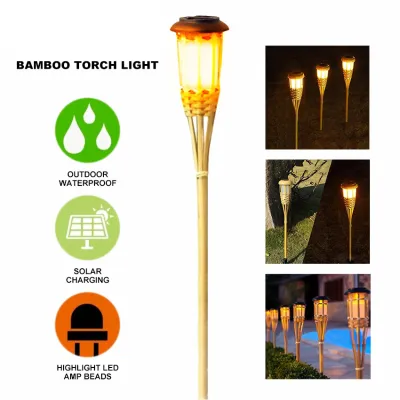
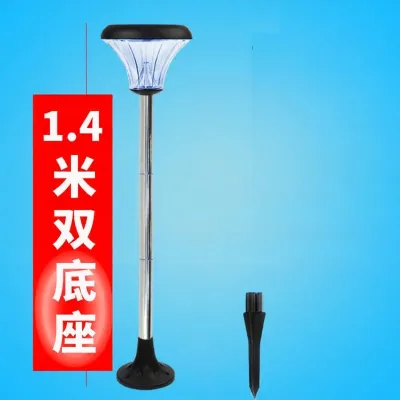
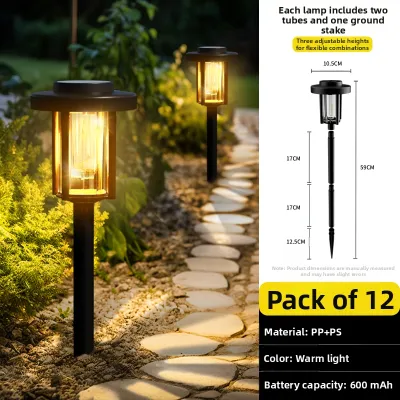
Prices are valid at publication and may change. Please refer to the product page for the latest price.
The second digit, which ranges from 0 to 9, is the most critical factor for monsoon survival as it measures liquid ingress protection. A higher second digit indicates superior resistance to water penetration under increasing pressure and duration. For garden lighting, the relevant liquid protection levels include:
- IPX4: Protected against water splashes from any direction, suitable only for highly sheltered areas.
- IPX5: Protected against low-pressure water jets, capable of handling light rain and gentle garden hose spraying.
- IPX6: Protected against high-pressure water jets, designed to withstand heavy, wind-driven storms.
- IPX7: Protected against temporary immersion in water up to 1 meter deep for up to 30 minutes.
- IPX8: Protected against continuous immersion under deeper, high-pressure conditions specified by the manufacturer.
It is important to recognize the commercial distinction between “water-resistant” and “waterproof” when browsing online marketplaces or local lighting shops. Many budget-friendly solar lamps are marketed as waterproof, yet they may only carry an IP44 rating, which merely protects against splashes and will quickly fail under a sustained Singaporean downpour. No standard consumer solar lamp is completely impervious to water under all environmental extremes, making it vital to check the manufacturer’s technical specification sheet for the precise IP rating rather than relying on vague marketing claims.
Before finalizing any purchase, always verify key electrical specifications, including operating voltage, battery interface, wattage limits, physical dimensions, and electrical certifications. While selecting warm white (2700K) or cool white (6000K) color temperatures is a matter of personal decorative preference and spatial styling rather than a performance metric, ensuring proper electrical certification is a universal safety requirement.
Recommended IP Ratings for Different Garden Lamp Placements
The level of water resistance your solar lamp requires depends heavily on where it is positioned within your garden or outdoor space. Different zones experience varying degrees of exposure to falling rain, wind-driven moisture, and ground-level water accumulation. By matching the IP rating to the specific installation site, you can prevent unnecessary product failures and optimize your lighting investment.

Pathway Stake Lights and Bollards
Pathway stake lights and freestanding bollards are typically installed in open lawns, along garden paths, or flanking driveways where they have no physical shelter. During the peak monsoon season, these fixtures must endure direct, heavy vertical rainfall and low-pressure splashing from the surrounding soil. For standard pathway stakes, a minimum rating of IP65 is highly recommended to ensure the internal LED drivers and battery compartments remain dry.
For taller bollards or lights placed near driveways and hardscapes, upgrading to an IP66 rating is a wise decision. These areas often experience high-velocity water spray from passing vehicles or heavy wind-driven rain that forces water horizontally against the light housing. The increased pressure from these conditions can easily bypass weaker seals, leading to internal condensation and short circuits.
When evaluating pathway lights, pay close attention to the structural seams, particularly where the metal or plastic stake meets the main light body. This junction is a common failure point where water can pool and slowly seep upward into the battery chamber. Opt for fixtures with tight-fitting threaded connections or thick rubber gaskets at these critical joints to ensure long-term durability.
Wall-Mounted and Fence Solar Lights
Wall-mounted sconces, fence lights, and step lights often benefit from some degree of structural shelter, depending on their exact mounting location. If you install solar lights directly under deep roof eaves, covered patios, or dense tree canopies, they are partially shielded from the brunt of the storm. In these sheltered zones, fixtures with IP54 or IP55 ratings may function adequately, as they only need to withstand occasional splashes or light, indirect rain.
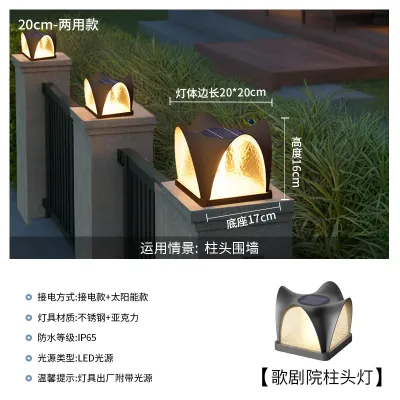
However, if you plan to mount solar lights on open garden fences, exposed brick walls, or exterior pillars, they will face the full force of Singapore’s monsoon winds. In these fully exposed, open areas, wind-driven rain can hit the fixture horizontally or even from an upward angle. For these installations, you must require an IP65 rating to guarantee protection against water ingress from all directions.
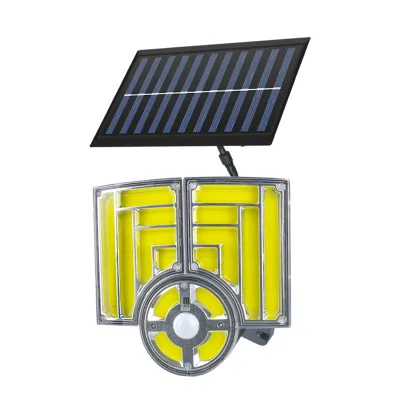
Additionally, many wall-mounted solar lights utilize a split-unit design, where a separate solar panel is mounted on the roof or high on a wall and connected to the light fixture via a cable. In such setups, you must verify the waterproof rating of both the light fixture and the solar panel. The connecting cable points and plug interfaces must also feature waterproof screw-cap seals to prevent moisture from traveling down the wire into the electronics.
If you are integrating solar lights with a hybrid mains-powered backup system or utilizing fixed outdoor wiring, safety is paramount. Always ensure complete power isolation at the main distribution board before handling any electrical connections. Any fixed-wiring installations in damp outdoor environments must strictly follow the manufacturer’s installation instructions and be performed by a qualified, licensed electrician to comply with local safety standards.
Recessed Ground Lights and In-Ground Spotlights
Recessed ground lights and in-ground spotlights represent the highest risk category for water damage in any garden design. Because they are installed flush with the ground or in minor depressions, they do not benefit from gravity draining water away from their housings. During intense tropical downpours, Singapore’s clay-heavy soils can struggle to drain quickly, leading to temporary water pooling and localized flash flooding across lawns and garden beds.
To survive these conditions, you must mandate a minimum rating of IP67 for any light installed flush with the ground. An IP67 rating ensures that even if the fixture is temporarily submerged under a few centimeters of pooled water during a sudden storm, the internal components will remain completely dry. Using a lower rating, such as IP65, in these positions will inevitably lead to water seeping into the lens as the fixture sits in standing water.
For in-ground spotlights placed in low-lying areas, drainage depressions, or near garden ponds and water features, upgrading to an IP68 rating is highly recommended. These fixtures are likely to experience prolonged submersion during consecutive days of heavy rain. When purchasing IP68 lights, verify that the rating applies to the entire sealed unit, including the cable entry points and the factory-sealed housing, to prevent capillary action from drawing moisture into the electrical compartment.
Critical Monsoon-Proofing Factors Beyond Water Resistance
While the IP rating is a primary indicator of water resistance, several other environmental factors during Singapore’s wet season affect the overall survival and performance of outdoor solar lamps. High humidity, strong winds, and prolonged overcast skies present unique challenges that physical seals alone cannot fully resolve.
Material and Corrosion Resistance
The constant high humidity and persistent moisture of the monsoon season can rapidly degrade low-quality materials. When selecting solar lamps, avoid cheap, untreated metals that are prone to rust and corrosion, which can compromise the integrity of the waterproof seals over time. Instead, look for fixtures constructed from UV-stabilized ABS plastic, high-grade powder-coated aluminum, or marine-grade stainless steel (such as 316 grade). These materials resist both the intense tropical sun during dry periods and the corrosive effects of constant moisture during the wet season.
Wind Resistance and Structural Stability
Monsoon storms in Singapore are frequently accompanied by strong wind gusts and sudden squalls that can easily dislodge or damage outdoor fixtures. Taller stake lights and top-heavy bollards are particularly vulnerable to being blown over or bent. To prevent physical damage, ensure that your lights feature sturdy, deep ground insertion stakes made of durable materials like reinforced fiberglass or metal rather than thin, brittle plastic. For wall-mounted and fence lights, use heavy-duty stainless steel mounting screws and anchors to keep the fixtures securely anchored against high winds.
Solar Charging in Overcast Conditions
The monsoon season brings prolonged cloud cover and successive rainy days, drastically reducing the amount of direct sunlight available to charge solar batteries. Standard thin-film solar panels often struggle to generate sufficient power under heavy overcast skies, leading to dim lights or complete failure after a few hours. To ensure reliable nighttime illumination, look for solar lamps equipped with high-efficiency monocrystalline solar panels, which perform significantly better in low-light and ambient conditions. Additionally, choose fixtures with higher-capacity rechargeable lithium-ion (LiFePO4) batteries that can store enough energy during brief sunny intervals to power the light through multiple consecutive rainy nights.
Wet Season Maintenance to Extend Solar Lamp Lifespan
Proactive maintenance is essential to preserving the integrity of your solar garden lights and ensuring they survive consecutive monsoon seasons. Even high-quality, properly rated fixtures require regular attention to combat the accumulation of dirt, debris, and natural wear on protective seals.
Solar Panel Cleaning
Heavy rain often splatters mud, soil, and organic debris onto the surface of solar panels, while wind-driven pollen and leaves can accumulate during brief dry windows. This buildup blocks ambient light, severely limiting the panel’s ability to charge the internal battery. Gently wipe the solar panel with a soft, damp microfiber cloth at least once every two weeks during the wet season. Avoid using abrasive sponges, harsh chemical cleaners, or high-pressure water sprays, as these can scratch the protective glass or plastic coating, permanently reducing solar conversion efficiency.
Visual Seal Inspection
Over time, exposure to fluctuating temperatures, UV radiation, and constant moisture can cause silicone gaskets and rubber O-rings to crack, shrink, or harden. Once these seals degrade, the fixture’s IP rating is effectively compromised, allowing moisture to seep into the delicate electronics. Perform a visual inspection of all accessible seals and gaskets twice a year, ideally before the onset of the major monsoon seasons. If you notice any signs of cracking or loss of elasticity, replace the gaskets or apply a thin layer of marine-grade silicone sealant to restore the waterproof barrier, provided the manufacturer’s instructions allow for user servicing.
Clear Drainage Pathways
To prevent artificial water pooling that exceeds your lighting fixtures’ IP ratings, keep the area surrounding your ground and stake lights free of debris. Clear away accumulated soil, mulch, fallen leaves, and twigs that can block natural drainage pathways in your garden beds. If you notice water consistently pooling around an IP65-rated stake light during heavy rain, consider raising the fixture’s mounting height or relocating it to a better-drained area of the garden to avoid prolonged exposure to standing water.
Battery Care and Seasonal Storage
If your garden experiences prolonged periods of severe weather where solar charging is virtually impossible for weeks, keeping the batteries completely discharged can permanently damage their capacity. In such scenarios, consider temporarily removing lightweight or highly exposed stake lights and storing them indoors in a cool, dry place. Before storing, switch the lights to the “off” position to prevent the battery from draining completely. For fixed outdoor installations, ensure the battery compartment remains dry, and check for any signs of white powdery corrosion on the battery terminals, cleaning them gently with a dry cotton swab if necessary.
Frequently Asked Questions (FAQ)
Can I leave solar garden lights outside during a severe thunderstorm?
While high-quality solar lights rated IP65 or above are engineered to withstand heavy tropical rain, severe thunderstorms with lightning, strong wind gusts, or flying debris present physical risks. Lightweight stake lights or top-heavy fixtures can easily be uprooted or struck by falling branches during intense squalls. For safety and to prevent physical damage, it is advisable to temporarily bring lightweight, portable, or highly exposed garden lights indoors when severe weather warnings are issued.
Does a higher IP rating mean the solar panel charges better in the rain?
No, a higher IP rating does not improve or affect the charging efficiency of a solar panel. The IP rating only measures the physical protection of the internal electrical components against dust and water ingress. Solar panels rely on the photovoltaic effect, which requires direct or ambient sunlight to generate electricity. During heavy rain and thick cloud cover, solar charging will naturally slow down or stop entirely, regardless of how waterproof the fixture is.
How do I check if my existing solar lamp's waterproof seal has failed?
You can identify a failed waterproof seal by looking for visible signs of moisture ingress inside the fixture. Common indicators include internal condensation or water droplets forming on the inside of the lens, flickering or inconsistent LED performance, visible rust or white corrosion on the battery contacts, and a significantly dimmer light output. If water has breached the internal compartment, turn off the device, dry it thoroughly, and check if the manufacturer’s instructions offer guidance on replacing seals; otherwise, the fixture may need replacement.
Community discussion
Share your experience or ask a question. Comments are reviewed before publication.