
To ensure your solar led outdoor wall light survives Singapore’s intense monsoon seasons, it requires a minimum rating of IP65. This rating guarantees the fixture can withstand the heavy, multi-directional rain typical of tropical downpours. However, for homes with fully exposed exterior walls or properties located in coastal areas, upgrading to an IP66 or IP67 fixture provides essential long-term protection against high-velocity wind-driven rain and localized water pooling.
Selecting the right outdoor lighting involves balancing technical specifications with local environmental challenges. In Singapore, where torrential downpours can occur suddenly and relative humidity regularly exceeds 80%, a standard outdoor light can quickly fail if its internal components are not properly sealed. Understanding how the Ingress Protection (IP) rating system works is the first step toward choosing a fixture that will remain functional and safe year after year.
Decoding IP Ratings for Singapore's Heavy Rain and Humidity
The Ingress Protection (IP) rating system is an international standard that classifies the degree of protection provided by electrical enclosures against solids and liquids. An IP rating consists of two digits, each representing a different level of resistance. When shopping for a solar led outdoor wall light, understanding these numbers helps you bypass vague marketing buzzwords and assess the fixture’s true durability.
Products mentioned in this guide
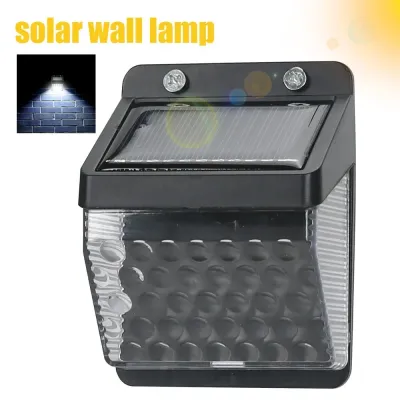
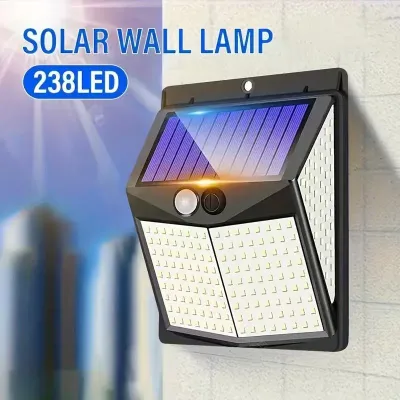
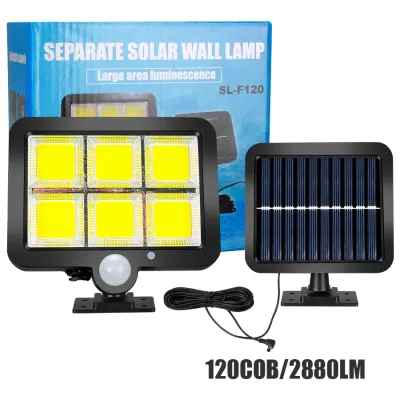
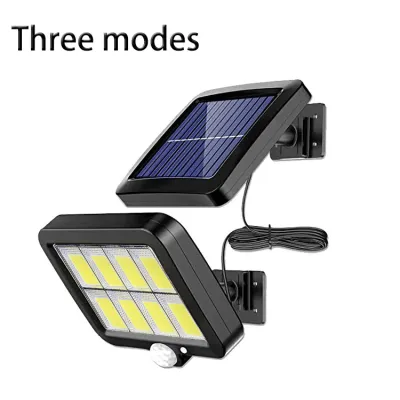
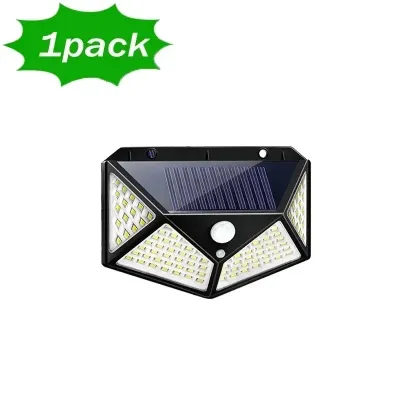
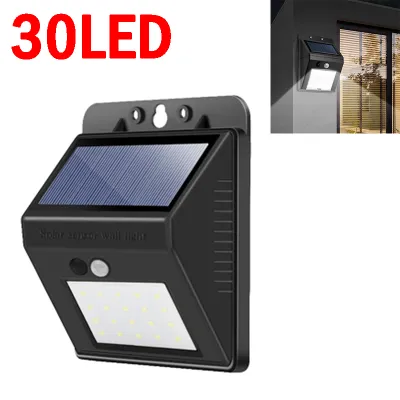
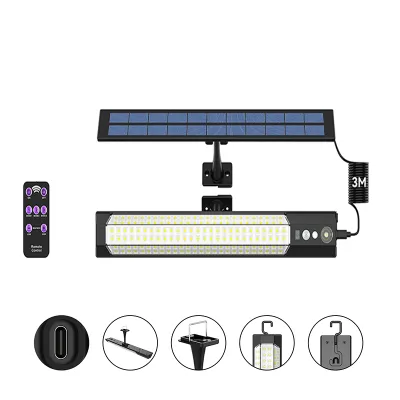
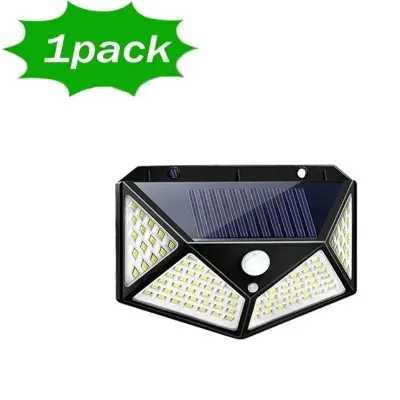
Prices are valid at publication and may change. Please refer to the product page for the latest price.
The first digit, which ranges from 0 to 6, indicates protection against solid objects such as dust, insects, and accidental contact. For almost all modern outdoor lighting fixtures, this digit is a 6, which denotes a completely dust-tight enclosure. This high level of solid protection is crucial in tropical environments to prevent tiny insects, pollen, and airborne grit from entering the housing and damaging the delicate LED circuitry or blocking the light output.
The second digit, ranging from 0 to 9, measures liquid resistance and is the most critical factor for Singaporean homeowners. Because our climate features sudden, intense cloudbursts, the liquid digit determines whether a light can handle pressurized water entry. A low liquid rating means water can easily seep into the housing, leading to rapid electrical short circuits, battery corrosion, and premature LED failure.
Beyond direct rainfall, Singapore’s persistent high humidity presents a unique challenge for outdoor electronics. When temperature levels shift rapidly—such as during a sudden afternoon downpour after hours of intense equatorial heat—a physical phenomenon known as the “vacuum effect” occurs. The rapid cooling of the light’s exterior causes the air inside the housing to contract, creating a low-pressure vacuum that can draw highly humid ambient air through any imperfect seals. Over time, this trapped moisture condenses into water droplets inside the lens, causing internal rust and component failure even if the light is never directly sprayed with water.
The Minimum IP Rating You Need for Monsoon Survival
For a solar led outdoor wall light installed on an exterior wall in Singapore, IP65 is the absolute baseline rating required for reliable operation. An IP65 rating indicates that the fixture is protected against water jets projected by a nozzle from any direction. In practical terms, this means the light can easily withstand standard tropical rainstorms, heavy downpours, and the occasional splash from garden hoses without suffering water ingress.

Lower ratings, such as IP44 or IP54, are highly vulnerable to failure when exposed to the open sky. An IP44 rating only protects against splashes of water from any direction, while IP54 offers slightly better dust protection but still only handles basic splashing. During a severe monsoon storm, wind-driven rain does not fall vertically; it strikes exterior walls horizontally at high velocity. Under these conditions, the force of the water easily overcomes the weak seals of an IP44 or IP54 light, leading to immediate water ingress and permanent electrical failure.
For homeowners with highly exposed, unsheltered exterior walls, upgrading to an IP66 rating is a highly recommended safeguard. IP66-rated fixtures are tested against powerful water jets, meaning they can resist the intense hydraulic pressure of severe, wind-whipped monsoon storms. These fixtures feature robust, heavy-duty gaskets designed to maintain a tight seal even when subjected to high-velocity water impact, ensuring the internal lithium-ion battery and control board remain completely dry.
In specific scenarios, an IP67 rating becomes necessary for outdoor wall installations. If you are mounting solar wall lights close to the ground along garden pathways, near perimeter walls prone to temporary flooding, or in areas where water pools and splashes up from hard concrete walkways, IP67 is the safest choice. An IP67 rating certifies that the fixture can withstand temporary immersion in water up to one meter deep for 30 minutes, ensuring that even a localized flash flood will not destroy your lighting investment.
Before making a purchase, always verify the IP rating on the manufacturer’s official specification sheet, product manual, or packaging. Avoid relying on generic descriptions like “waterproof,” “weatherproof,” or “rain-resistant,” as these terms are not legally regulated and do not guarantee a specific level of engineering. A reputable manufacturer will clearly state the certified IP rating and provide documentation of independent laboratory testing.
Critical Build Materials for High Humidity and UV Exposure
While a high IP rating ensures water cannot easily penetrate the light’s housing, the physical materials of the fixture must also withstand Singapore’s harsh atmospheric conditions. The combination of intense equatorial ultraviolet (UV) radiation and high humidity can degrade low-quality materials within a single season, eventually compromising the waterproof seals and structural integrity of the light.
When evaluating housing materials, look for metals that naturally resist rust and galvanic corrosion. Marine-grade 316 stainless steel or high-quality 304 stainless steel are excellent choices for premium fixtures, as they resist oxidation even when exposed to salt-laden air in coastal areas. Alternatively, powder-coated aluminum alloy offers a lightweight, highly durable, and rust-proof housing, provided the powder coating is evenly applied and free of microscopic chips where moisture could take hold.
If you prefer plastic fixtures, ensure the specifications explicitly state the use of UV-stabilized polycarbonate or high-grade acrylonitrile butadiene styrene (ABS). Standard plastics quickly become brittle, fade, and crack when subjected to intense daily sunlight, which allows rainwater to seep through the structural cracks. UV-stabilized polymers are chemically treated to resist solar degradation, ensuring the housing remains flexible and intact for years.
Equally important is the quality of the internal sealing gaskets that cushion the joints between the lens, housing, solar panel, and battery compartment. Low-grade rubber gaskets dry out, shrink, and crack rapidly under high heat and humidity, rendering the IP rating useless over time. Opt for fixtures that utilize high-grade silicone gaskets, which maintain their elasticity, shape, and sealing capabilities across a wide range of temperatures and weather conditions.
Strategic Installation to Enhance Weather Resistance
Proper installation plays a vital role in extending the lifespan of your solar led outdoor wall light and protecting its waterproof integrity. Even a highly rated IP65 or IP66 light will benefit from strategic placement that minimizes unnecessary exposure to the elements while maximizing solar charging efficiency.
Whenever possible, mount your wall lights under architectural features such as eaves, roof overhangs, or covered balconies. This placement shields the fixture from the direct, heavy impact of falling rain, reducing the physical stress on the waterproof seals. It also prevents dirt and debris from accumulating rapidly on the light’s upper surfaces, keeping the fixture cleaner for longer periods.
When positioning the light, pay close attention to the angle of the integrated solar panel. The panel should be angled slightly to prevent rainwater from pooling on its glass surface. Standing water on a solar panel not only blocks sunlight and reduces charging efficiency, but it also accelerates the degradation of the sealant around the edges of the solar cell. A slight tilt allows gravity to naturally pull rainwater off the panel, carrying away loose dust and dirt in the process.
For optimal solar charging in Singapore, which sits just north of the equator, solar panels should generally face south or be tilted slightly to maximize exposure to the sun’s path throughout the year. Ensure the installation site receives at least four to six hours of unshaded sunlight daily. Avoid placing the light directly under dense tree canopies or architectural shadows that block the panel, as insufficient charging will lead to deep battery discharge and shorten the battery’s overall lifespan.
Finally, always mount the fixture onto a flat, even wall surface. If you install a wall light on a rough, uneven stone or textured stucco wall, the rear sealing gasket may not compress uniformly. This uneven compression creates tiny gaps behind the light where rainwater running down the wall can seep into the mounting bracket, eventually bypassing the rear seals and reaching the internal wiring or battery compartment. If mounting on an uneven surface is unavoidable, apply a bead of outdoor-rated, waterproof silicone sealant along the top and sides of the mounting plate to divert water away from the rear gasket.
Seasonal Maintenance for Solar Lights in Wet Conditions
Maintaining your solar led outdoor wall light through Singapore’s wet seasons requires a simple, low-risk routine performed every few months. Regular upkeep ensures the light continues to charge efficiently during overcast monsoon days and prevents minor wear from turning into permanent damage.
Start by regularly cleaning the solar panel surface. Use a soft, damp microfiber cloth to gently wipe away accumulated dust, fallen leaves, bird droppings, and hard water spots. Avoid using abrasive sponges, steel wool, or harsh chemical cleaners, as these can scratch the protective glass or plastic coating of the solar panel, permanently reducing its ability to convert sunlight into electricity. Keeping the panel clean is especially crucial during overcast monsoon months when daylight is limited and every drop of solar energy counts.
Next, perform a quick visual inspection of the fixture’s housing and seals. Look closely at the silicone gaskets around the lens and battery compartment for any signs of cracking, peeling, or displacement. Check the housing joints for hairline cracks that may have developed from physical impacts or UV exposure. If you notice any damaged seals, consult the manufacturer’s manual to see if replacement gaskets are available, or apply a small amount of outdoor-rated silicone sealant to temporarily reinforce the compromised area.
Keep the surrounding area clear of overhanging vegetation, vines, or branches. Plants that grow too close to the fixture can scratch the housing, block sunlight from reaching the solar panel, and trap moisture against the light’s body, preventing it from drying out properly after a storm. Trimming back nearby foliage improves solar exposure and reduces the risk of physical damage during high winds.
If you observe persistent internal condensation or water droplets trapped inside the light’s lens, take action immediately rather than leaving the fixture mounted. Turn off the power (if the light has a manual switch), carefully unmount the fixture, and bring it indoors. Open the battery compartment and housing according to the manufacturer’s instructions, dry the interior thoroughly with a clean cloth, and allow it to air dry completely. Inspect the gaskets for the source of the leak before reassembling the unit. If the internal components or battery contacts show signs of advanced rust or corrosion, the fixture may need to be replaced to ensure electrical safety.
Frequently Asked Questions (FAQ)
Will an IP65 solar light survive being submerged in a flooded garden?
No, an IP65-rated solar light will not survive being submerged in water. While an IP65 rating provides robust protection against heavy rain and low-pressure water jets, it is not engineered to withstand hydrostatic pressure under water. If your garden or patio is prone to localized flooding where water levels can rise and submerge the fixture, you must use lights rated at least IP67 (which protects against temporary immersion up to one meter for 30 minutes) or IP68 (designed for continuous submersion). Always check the manufacturer’s manual for specific installation depth and safety limits before placing lights in flood-prone zones.
How do solar wall lights perform during consecutive rainy days?
During consecutive rainy or heavily overcast days, solar wall lights will experience a natural reduction in nightly runtime because the solar panel cannot receive enough direct sunlight to fully charge the internal battery. To mitigate this issue, look for solar lights equipped with smart energy-saving features, such as integrated passive infrared (PIR) motion sensors. These models remain dim or off until motion is detected, significantly conserving battery power. Additionally, when purchasing, verify the battery capacity (measured in milliampere-hours, or mAh) on the product specification sheet; a larger battery capacity allows the fixture to store more reserve energy to keep the light operating through several cloudy days.
Community discussion
Share your experience or ask a question. Comments are reviewed before publication.