
Selecting a suitable modern energy-efficient table lamp for a Housing & Development Board (HDB) bedroom requires balancing space-saving design, visual harmony, and low power consumption. In Singapore’s compact urban apartments, bedrooms serve multiple purposes, from restful sanctuaries to temporary workspaces. The right bedside lighting must provide adequate illumination for reading or winding down while keeping electricity bills manageable. By focusing on modern light-emitting diode (LED) technology, adjustable brightness settings, and clean geometric aesthetics, you can find a fixture that enhances your bedroom’s interior design without cluttering limited bedside surfaces.
Assessing Your HDB Bedroom Layout and Lighting Needs
Before purchasing a table lamp, it is essential to evaluate the physical dimensions of your sleeping area and how you intend to use the light. HDB bedrooms, particularly in newer Build-To-Order (BTO) flats, often feature compact layouts where every square centimeter of furniture surface must be carefully allocated. Begin by measuring the top surface of your bedside table or the depth of any floating shelves positioned near the bed. A lamp with an oversized base can quickly crowd out essentials like your phone, glasses, or a glass of water, making a slim or minimalist base highly desirable.
Next, map out the proximity of your bedside furniture to the nearest electrical wall outlets. Many HDB layouts place power points at specific heights or behind headboards, which can restrict where you place your lamp or require creative cord routing. If your bedside table sits far from an outlet, you will need to verify the cord length of any prospective lamp or consider rechargeable, cordless LED models that offer greater placement flexibility.
Products mentioned in this guide
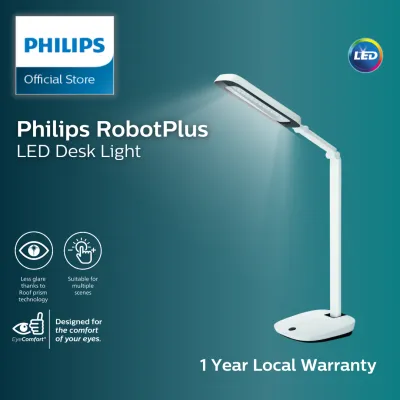
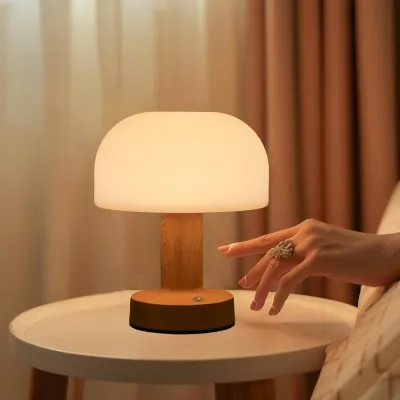
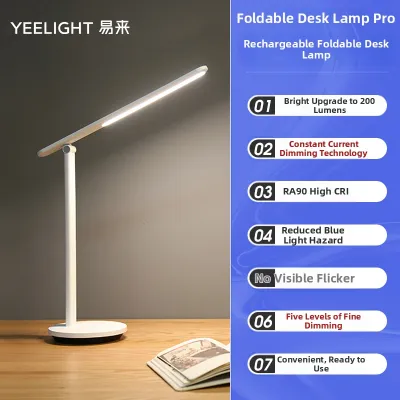
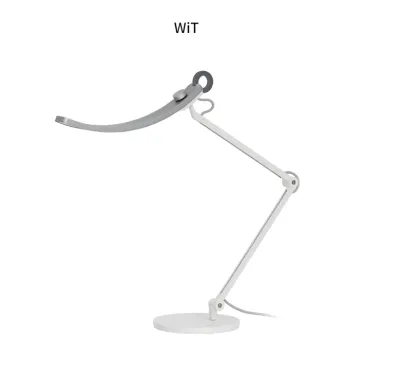
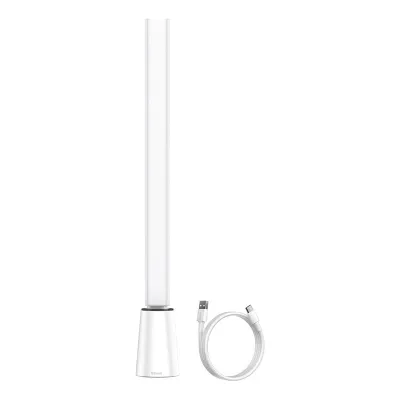
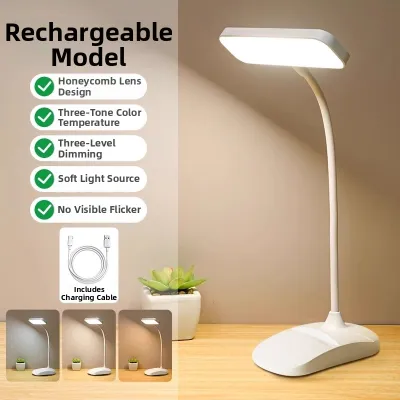
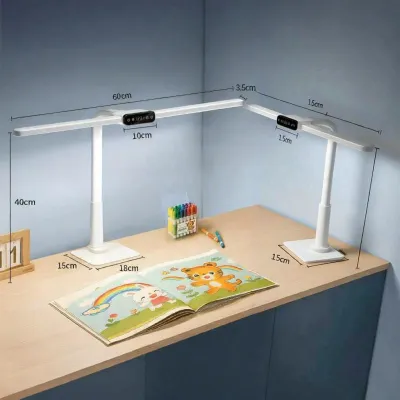
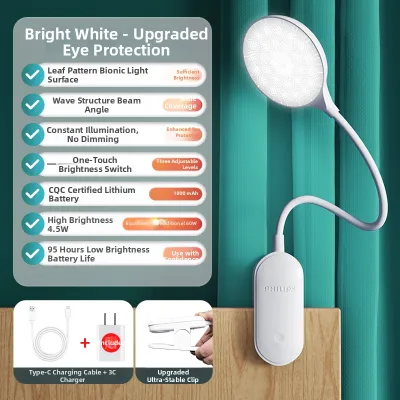
Prices are valid at publication and may change. Please refer to the product page for the latest price.
Defining the primary function of the lamp is equally critical. If you enjoy reading in bed, you will require a lamp that casts focused, downward light directly onto your pages without spilling harsh glare across the rest of the room. Conversely, if you primarily need a gentle light source to help you wind down before sleep, an ambient lamp with a diffused shade or an upward-facing glow is more appropriate. For rooms that already have bright overhead lighting, the table lamp serves as a secondary, softer layer of light that signals to your body that it is time to rest.
Finally, consider the visual weight of the lamp in relation to the overall scale of your bedroom. A massive, heavy-looking lamp can overwhelm a small bedside table and make a cozy HDB bedroom feel cramped. On the other hand, an excessively tiny lamp might look lost against a tall headboard or a large wardrobe. Aim for a balanced proportion where the height of the lamp is roughly aligned with your eye level when sitting up in bed, ensuring comfortable illumination and a harmonious aesthetic.
Key Criteria for Modern Aesthetics and Energy Efficiency
To achieve a contemporary look while keeping energy consumption low, you must look beyond the physical design of the lamp and examine its technical specifications. Modern energy efficiency is primarily driven by LED technology, which uses a fraction of the electricity required by traditional incandescent or halogen bulbs. When evaluating a lamp’s efficiency, look at its luminous efficacy, which measures the light output (lumens) relative to the power consumed (watts). For a bedroom setting, you do not need high-intensity illumination; a light output of 200 to 400 lumens is generally sufficient for reading and relaxing, which typically requires an LED bulb of only 3 to 5 watts.

Color temperature is another crucial factor that influences both the ambiance of your HDB bedroom and your sleep quality. Measured in Kelvin (K), color temperature dictates whether a light appears warm and yellow or cool and blue. For bedrooms, lighting professionals recommend warm white light, typically between 2700K and 3000K. This range mimics the warm glow of sunset, which helps promote the natural production of melatonin, preparing your body for sleep. Avoid cool white or daylight settings (above 4000K) in the evening, as these blue-toned wavelengths can disrupt your circadian rhythm and make it harder to fall asleep.
From a design perspective, modern table lamps are characterized by clean geometric lines, minimalist bases, and sophisticated finishes. Popular materials in contemporary Singaporean homes include matte-finished metals, brushed brass, terrazzo, concrete, and frosted glass. These materials add texture and visual interest without relying on ornate details that can clash with a clean, modern interior theme. Look for designs that integrate the light source seamlessly into the frame, such as circular halo lamps or linear bar lights, which offer a futuristic yet understated look.
To maximize energy management and customize your lighting experience, prioritize lamps that feature dimming capabilities. Step-less brightness adjustment allows you to fine-tune the light level to match your exact needs, whether you are reading a book or navigating the room in the middle of the night. Some modern lamps also offer smart scheduling features, allowing you to program the light to dim gradually as bedtime approaches or turn off automatically after you fall asleep, preventing unnecessary energy use.
Pairing Lamp Form Factors With Bedroom Spatial Constraints
HDB bedrooms often require smart spatial solutions, and the physical form of your table lamp plays a major role in how well it fits into your daily routine. If you have a compact bedside table or a narrow floating shelf, a slim-profile or vertically oriented lamp is the most practical choice. Lamps with thin, columnar stems and small, weighted bases occupy minimal surface area, leaving plenty of room for other personal items. Alternatively, wall-mounted swing-arm lamps or clamp-on designs can free up your bedside table entirely, providing a clean and uncluttered look.
For those who use their bedside area as a dedicated reading nook or a study corner, adjustable or articulating arm lamps are highly beneficial. These designs, often referred to as task lamps or architect-style lamps, allow you to direct the light precisely where you need it. By adjusting the angle of the shade and the height of the arm, you can focus the beam on your book or laptop screen while preventing the light from shining directly into your eyes or disturbing a sleeping partner.
If you have a larger console table, a vanity area, or an empty corner surface in your bedroom, you can opt for a sculptural or statement-base lamp. These fixtures serve as visual anchors, drawing the eye and adding a touch of artistic flair to the space. A bold, geometric ceramic base or a hand-blown glass globe lamp can act as a piece of functional art during the day and cast a beautiful, diffused glow at night.
Regardless of the form factor you choose, practical cord management is essential for maintaining a clean, modern aesthetic. HDB bedrooms can quickly look cluttered if cords are left dangling or tangled behind furniture. Look for lamps with integrated cord channels, or use adhesive cable clips to secure the power cord along the back leg of your bedside table. Additionally, consider the orientation of the plug and the accessibility of the switch. A lamp with an inline switch on the cord can be awkward to reach if the cord hangs behind the table; instead, look for models with switches located on the base or the lamp head for easy, effortless operation from your bed.
Pre-Purchase Checklist: Electrical Specs and Safety Marks
Before finalizing your purchase, it is vital to verify that the table lamp is safe, electrically compatible, and compliant with local regulations in Singapore. Because many modern lamps are sourced globally through online marketplaces, buyers must be diligent in checking technical specifications to avoid electrical hazards or compatibility issues.
First, verify the voltage compatibility and plug type. Singapore operates on a standard mains voltage of 230V AC at a frequency of 50Hz. Ensure the lamp’s transformer or bulb is rated for this voltage range. Additionally, the lamp should come equipped with a standard Type G 3-pin plug, which is the official standard for household appliances in Singapore. Avoid using travel adapters for permanent fixtures, as poor-quality adapters can pose fire risks or cause electrical short circuits. If you plan to install wall-mounted fixtures or modify fixed bedroom wiring to accommodate your lighting setup, always isolate the power at the main distribution board and consult a qualified professional electrician to handle the installation.
Second, look for recognized safety certifications. In Singapore, controlled electrical appliances must carry the SAFETY Mark issued by the Consumer Product Safety Office under Enterprise Singapore. This mark indicates that the product has been tested and certified to meet relevant safety standards. If you are purchasing an integrated LED lamp or a fixture with a built-in USB charging port, ensuring it carries this mark provides peace of mind regarding its electrical safety and build quality.
Third, if the lamp uses replaceable bulbs rather than integrated LEDs, confirm the maximum wattage limit and the bulb base type. Common base types include E27 (large screw), E14 (small screw), and GU10 (bi-pin). Never install a bulb that exceeds the maximum wattage rating specified on the lamp’s label, as doing so can cause overheating, damage the fixture, or melt nearby materials.
Finally, assess the heat dissipation properties of the lamp. While LEDs run significantly cooler than traditional bulbs, they still generate heat at the base of the diode. Ensure the lamp design allows for adequate ventilation, especially if it will be placed close to bedding, curtains, or other flammable textiles. Metal and ceramic bodies generally offer excellent heat dissipation, making them reliable choices for bedside environments.
Frequently Asked Questions (FAQ)
Do integrated LED lamps last longer than those with replaceable bulbs?
Integrated LED table lamps generally offer an exceptionally long operational lifespan, often rated for 25,000 to 50,000 hours of use. For a typical HDB bedroom where the lamp is used for three hours every evening, an integrated LED can last for well over a decade before its brightness begins to degrade. However, because the LED diodes are permanently built into the fixture, the entire lamp must usually be replaced if the light source eventually fails or if the internal driver malfunctions.
In contrast, lamps with replaceable bulbs offer greater long-term flexibility and ease of maintenance. If a bulb burns out, you can simply swap it for a new one without discarding the entire fixture. This design also allows you to easily change the bulb’s brightness, color temperature, or smart capabilities over time as your bedroom layout or personal preferences evolve.
Can I use a smart table lamp without a dedicated smart home hub?
Yes, many modern smart table lamps can be operated directly without a dedicated smart home hub. These standalone smart lamps typically connect directly to your home’s Wi-Fi network or communicate via Bluetooth. Through a compatible smartphone app, you can easily access basic features such as turning the lamp on and off, adjusting brightness levels, changing color temperatures, and setting automated daily schedules.
However, operating a smart lamp without a central hub does come with some limitations. Hub-dependent protocols, such as Zigbee or Matter, often provide faster response times, lower power consumption, and more reliable connections when managing multiple smart devices. Without a hub, you may also face limited integration with advanced voice assistants or complex automation routines that involve other smart home sensors and appliances in your HDB flat.
Community discussion
Share your experience or ask a question. Comments are reviewed before publication.