
Creating a visually balanced photo frame wall in a modern minimalist Singapore home requires a deliberate approach to materials, proportions, and layouts. The ideal frames for this aesthetic are characterized by ultra-slim profiles, neutral or natural finishes, and clean lines that highlight the artwork rather than compete with it. Thin matte metal frames, light natural timbers like oak or ash, and frameless acrylic or floating mounts are the most effective choices for achieving a clutter-free, gallery-like display.
In Singapore’s high-density urban apartments, where living areas are often compact, wall decor must be handled with care to avoid visual overload. A minimalist photo frame wall relies heavily on the concept of negative space—both within the frame itself, via wide matte boards, and on the surrounding wall. By keeping the frames simple and the layout orderly, you create a focal point that draws the eye without overwhelming the room’s overall design. This approach harmonizes beautifully with popular local interior styles, such as Scandinavian simplicity or the warm, organic textures of Japandi design.
Defining the Modern Minimalist Aesthetic for Wall Art
Modern minimalism is more than just an empty wall; it is the intentional curation of space, texture, and light to foster a sense of calm. In the context of wall decor, the “less is more” philosophy dictates that every element must serve a purpose. Instead of crowding a wall with numerous decorative pieces, a minimalist approach prioritizes a few high-quality, well-chosen frames that allow the eye to rest and focus on the subject matter. This visual calm is essential for creating a relaxing home environment amidst the hustle and bustle of city life.
Products mentioned in this guide
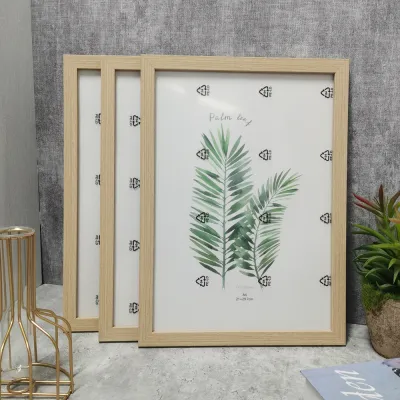
![[SG Stock] Wooden Picture Frame Wooden Photo Frame- Wall Art Poster Painting Hanging Stand Table Decor A3 A4 4R 5R](https://img.lazcdn.com/g/p/7e82d3ea8ef383b11bfd2b9f17d6a169.jpg_400x400q80.jpg_.webp)
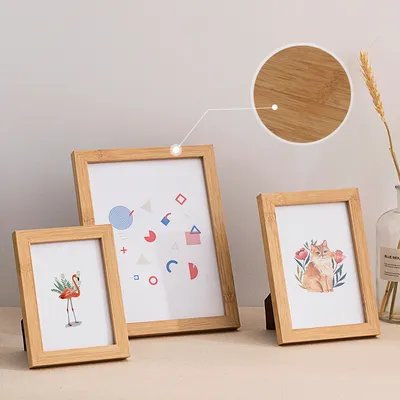
![[SG Seller Super Offer] High Quality Wooden Photo Frame Table Wall Display Graduation Photos Valentines Day Gift Christmas Gift Specimen Pictures Art Display Home Office Gift](https://img.lazcdn.com/g/p/851788c94bcd41f985d460c2ddf8bdc5.jpg_400x400q80.jpg_.webp)
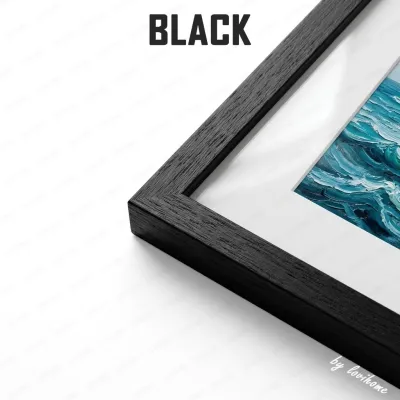
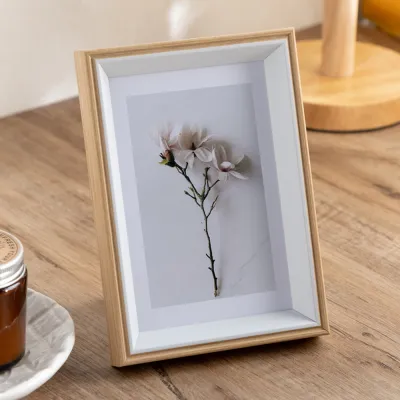
![[SG Local Stock] A4 Certificate Wooden Frame | A4 Photo Frame | Black and Brown Wooden Frame](https://img.lazcdn.com/g/p/6aceb287f334c169ffa93ccffa6d0520.jpg_400x400q80.jpg_.webp)
Prices are valid at publication and may change. Please refer to the product page for the latest price.
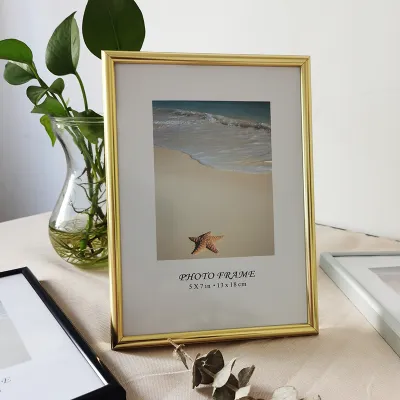
To achieve this, the frame choices must complement and elevate the artwork or photographs rather than compete with them for attention. Ornate carvings, glossy gold leaf, and heavy, bulky frames have no place in a minimalist design scheme. Instead, the frame should act as a subtle border, a clean transition between the artwork and the wall itself. This ensures that the viewer’s attention remains entirely on the image, whether it is a family portrait, a piece of abstract art, or a minimalist line drawing.
Color palette cohesion is another critical pillar of the minimalist aesthetic. When planning your display, stick to a refined color scheme consisting of neutrals, monochromes, and muted tones. Black, white, gray, and warm wood tones are the safest and most effective choices. These colors integrate seamlessly with the neutral walls and natural materials commonly found in Singaporean homes, particularly those designed around Scandinavian, Japandi, or industrial minimalist themes. Keeping the frames within the same color family helps unify diverse pieces of art, creating a harmonious and polished look.
Ideal Frame Materials and Finishes for a Minimalist Look
Slim Metal Profiles and Matte Finishes
Thin aluminum or steel frames with a profile width of under 10 millimeters offer a crisp, architectural edge that is perfect for modern interiors. These frames provide excellent structural strength despite their slim appearance, allowing them to support larger glass panes without warping. A matte black finish provides a sharp, graphic outline that works exceptionally well with black-and-white photography or minimalist line art, adding a touch of modern contrast to light-colored walls.

For a softer, more subtle look, matte white or brushed metallic finishes like brass, bronze, or nickel are excellent alternatives. Matte surfaces are highly recommended over high-gloss options because they scatter light rather than reflecting it, reducing distracting glare from windows or overhead downlights. Additionally, matte finishes are far better at hiding fingerprints and dust, making them a highly practical choice for busy households.
Natural Light Wood and Japandi Crossovers
To introduce warmth and organic texture into a minimalist space, light-toned woods such as oak, ash, beech, or birch are outstanding choices. These materials are central to the Japandi design trend, which beautifully blends Japanese minimalism with Scandinavian warmth. The light, pale tones of these woods keep the space feeling bright, airy, and connected to nature, which can make smaller rooms feel more spacious.
When selecting wooden frames, it is crucial to avoid heavy, highly figured wood grains, ornate carvings, or dark, glossy stains like mahogany or cherry. These traditional styles can visually weigh down a room and clash with a clean, neutral palette. Instead, look for frames with a fine, straight grain and a clear, natural matte sealant that protects the wood while preserving its organic, untreated appearance.
Frameless Acrylic and Floating Designs
For an ultra-modern, almost invisible framing option, frameless acrylic sandwich panels or floating canvas mounts are highly effective. Acrylic sandwich frames consist of two polished sheets of acrylic held together by small metal standoffs at the corners, allowing the artwork to appear as if it is floating on the wall. This design completely eliminates visible borders, keeping the focus entirely on the image and allowing the color of the wall to show through around the edges.
While acrylic frames offer a stunningly contemporary look, they do require careful handling. Acrylic is highly susceptible to fine scratches and static electricity, which can attract dust. To maintain their pristine appearance, avoid using standard household glass cleaners or rough paper towels. Instead, clean them gently using specialized anti-static acrylic cleaners and soft, high-quality microfiber cloths.
Proven Layouts for a Clean and Uncluttered Frame Wall
The Structured Grid and Aligned Rows
A symmetrical grid layout is the most disciplined and classic approach to a minimalist photo frame wall. Utilizing identical frame sizes arranged in neat, uniform rows and columns creates an immediate sense of order, balance, and architectural stability. This layout is particularly effective for showcasing a series of related photographs, such as travel landscapes, botanical prints, or family portraits taken in a similar style.
To execute a structured grid successfully, mathematical precision is absolutely essential. Maintain a consistent gap of 5 to 8 centimeters (approximately 2 to 3 inches) between each frame. Even a minor misalignment of a few millimeters will disrupt the clean lines and ruin the minimalist effect. It is highly recommended to use a laser level, a high-quality measuring tape, and painter’s tape to map out the exact positions of each frame on the wall before drilling any holes.
The Asymmetrical Balance and Organic Groupings
If a rigid grid feels too formal or clinical, an asymmetrical layout can offer a more relaxed, organic, yet highly balanced alternative. This style organizes frames of varying sizes around a central visual axis, ensuring that the overall visual weight is evenly distributed across the wall. This approach allows you to mix different frame orientations and sizes while still maintaining a clean, intentional look.
To prevent an asymmetrical grouping from looking cluttered or chaotic, you must establish clear boundaries. Keep the outer edges of the entire arrangement aligned to an imaginary rectangle or square, and ensure that the spacing between adjacent frames remains uniform. Using a single frame color or material throughout the grouping is another excellent way to tie the different pieces together and maintain visual cohesion.
The Single Statement Piece and Floor Leaning
Sometimes, the most powerful minimalist statement is a single, oversized frame. Positioning one large-scale piece of art on a prominent wall creates a clear, dramatic focal point and eliminates the visual noise associated with multiple smaller frames. This “one-and-done” approach is highly effective in dining areas, living rooms, or at the end of a hallway, where a single striking image can define the character of the space.
Alternatively, leaning a large, heavy frame against the wall on top of a low sideboard, console table, or directly on the floor offers a casual, gallery-style elegance. This method is exceptionally popular among renters in Singapore, as it completely avoids the need to drill into concrete walls. When leaning frames, ensure they are placed in low-traffic areas to prevent accidental tipping, and use non-slip silicone pads on the bottom edges to keep them securely in place.
Where to Source Minimalist Photo Frames in Singapore
Accessible Home and Lifestyle Brands
For ready-made, budget-friendly minimalist frames, global and regional home lifestyle retailers in Singapore offer a wide variety of reliable options. Well-known brands like IKEA, MUJI, and H&M Home consistently stock slim metal and light wood frames in standard international dimensions. These stores are excellent for sourcing matching sets of frames for grid layouts or simple gallery walls without breaking the bank.
When shopping at these mainstream retailers, it is important to inspect the build quality in person whenever possible. Check the corner miter joints to ensure there are no visible gaps, and verify whether the backing clips are sturdy and easy to operate. Additionally, pay attention to the glazing material; while real glass offers excellent clarity, lightweight acrylic or polystyrene glazing is often safer and easier to hang, especially for larger frame sizes.
Specialized Custom Framing Studios
When dealing with non-standard art dimensions, valuable original paintings, delicate textiles, or premium photography, visiting a specialized local custom framing studio is highly recommended. Singapore is home to several excellent bespoke framing shops, particularly in heritage areas like Bras Basah Complex, as well as boutique framing workshops scattered across Queenstown, Kallang, and Ubi. Custom framing allows you to tailor every single detail of the frame to your exact preferences.
When consulting with a custom framer, specify that you want a minimalist aesthetic. Request ultra-thin, low-profile mouldings in matte black, white, or natural oak. You can also opt for premium materials such as acid-free, museum-grade matte boards that won’t discolor over time, and anti-reflective, UV-protective glass (such as museum glass) that virtually eliminates glare and protects your art from fading in bright rooms.
Online Decor Marketplaces and Print Services
Online home decor platforms and local digital printing services offer highly convenient, all-in-one solutions where you can upload your digital photos and receive them fully printed, matted, and framed. This is an incredibly efficient way to create a photo frame wall, as the printing and framing are handled together, ensuring a perfect fit and saving you the hassle of sourcing prints and frames separately.
However, when ordering frames online, you must exercise caution and read the product descriptions carefully. Verify the exact materials being used—many budget-friendly online options use MDF (medium-density fiberboard) with a plastic wrap instead of solid wood or aluminum. Additionally, read customer reviews specifically regarding the seller’s packaging quality, as fragile glass and frame corners can easily be damaged during transit if not packed securely.
Mounting and Preserving Your Frames in a Tropical Climate
Singapore’s tropical climate, characterized by high relative humidity and intense sunlight, presents unique challenges for hanging and preserving framed artwork. High humidity can cause paper prints to absorb moisture, leading to warping, buckling, or “cockling” inside the frame. To prevent this, always use a high-quality matte board or spacers to ensure that the artwork does not come into direct contact with the glass. If paper art touches the glazing in a humid environment, it can stick to the surface, causing permanent damage and fostering the growth of mold or mildew.
To protect your framed art from long-term degradation, keep them out of direct sunlight, which can cause colors to fade rapidly. Avoid hanging frames directly in the path of air-conditioning vents, as the rapid temperature fluctuations can cause condensation to form inside the frame, leading to moisture damage. Utilizing acid-free mounting tapes, conservation-grade matte boards, and UV-protective glazing will significantly extend the lifespan of your prints in a bright, tropical home.
When it comes to physical installation, Singapore homes typically feature two main wall types: solid concrete structural walls (common in HDB flats and older apartments) and hollow drywall partitions (often found in newer condominiums). Hanging frames securely is a critical safety consideration, and you must use the correct hardware for your specific wall type:
- Concrete Walls: Hanging heavy frames on concrete requires a rotary hammer drill, masonry drill bits, plastic wall plugs (anchors), and sturdy screws. Standard nails or adhesive hooks will not penetrate concrete and are highly likely to fail over time.
- Drywall Partitions: For hollow drywalls, you must use specialized drywall anchors, such as toggle bolts or self-drilling threaded anchors, which expand behind the wall board to distribute the weight safely. Use a stud finder to locate the metal studs behind the drywall whenever possible, as anchoring directly into a stud provides the strongest support.
- Adhesive Strips: While adhesive hanging strips are convenient for lightweight, plastic-glazed frames, they should never be used for heavy, large-scale, or glass-glazed statement pieces. Singapore's high humidity can degrade the adhesive over time, leading to the frame unexpectedly falling and shattering.
Always check the weight limit of the frame’s hanging hardware and ensure it matches or exceeds the weight of the fully assembled frame. If you are working at heights, dealing with exceptionally heavy or oversized frames, or feel unsure about drilling into your walls, it is always safest to hire a qualified professional handyman to ensure a secure and level installation.
Frequently Asked Questions (FAQ)
Should I use glass or acrylic for large minimalist frames?
For large-format frames (typically larger than 50×70 centimeters), acrylic glazing is generally preferred over traditional glass. Acrylic is significantly lighter, making the frame much easier to hang and reducing the load on your wall anchors. It is also virtually shatterproof, which is a major safety advantage, especially in homes with children or pets. However, glass remains highly popular for smaller frames because it is highly scratch-resistant, does not attract static dust, and can be easily cleaned with standard household glass cleaners.
How wide should the matte board be for a minimalist look?
To achieve a sophisticated, gallery-like minimalist aesthetic, a wide matte board of 5 to 10 centimeters (approximately 2 to 4 inches) is highly recommended. This generous border creates visual breathing room around the artwork, preventing the frame from crowding the image and drawing the viewer’s eye directly toward the central piece. For smaller prints, a disproportionately wide matte board can actually make the artwork look more important, dramatic, and refined.
Community discussion
Share your experience or ask a question. Comments are reviewed before publication.