
To find the most energy-efficient solar outdoor lantern for your Singapore home, you must look beyond basic aesthetic designs and focus on the internal components that govern power conversion, storage, and management. In Singapore’s tropical climate—characterized by intense midday sun, frequent cloud cover, high humidity, and sudden monsoon downpours—the most efficient solar lanterns are those equipped with high-conversion monocrystalline solar panels, heat-tolerant Lithium Iron Phosphate (LiFePO4) batteries, and smart energy management sensors. By choosing a lantern that balances these three elements, you can achieve reliable, zero-electricity outdoor lighting that withstands the local climate while providing consistent illumination for your balcony, corridor, patio, or garden.
Selecting the right outdoor lantern requires understanding how these technical specifications translate to real-world performance in different residential layouts, from high-rise HDB flats to spacious landed properties. This guide breaks down the essential efficiency criteria, highlights top-performing product categories available in Singapore, and provides a step-by-step framework to help you compare specifications before making a purchase.
What Makes a Solar Lantern Truly Energy-Efficient in Singapore?
Evaluating solar lighting efficiency in a tropical equatorial environment requires a different approach than in temperate regions. High ambient temperatures, dramatic shifts in daily sunlight, and heavy rainfall mean that standard hardware often degrades rapidly or fails to charge adequately. To secure a high-performing system, you must examine four critical areas of solar lantern engineering.
Products mentioned in this guide
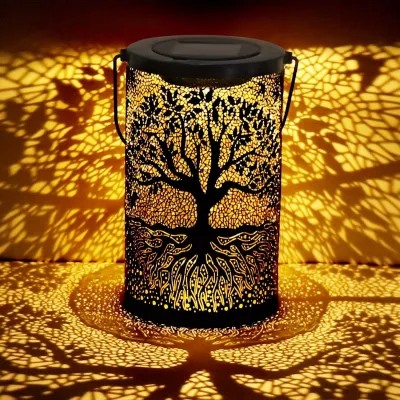
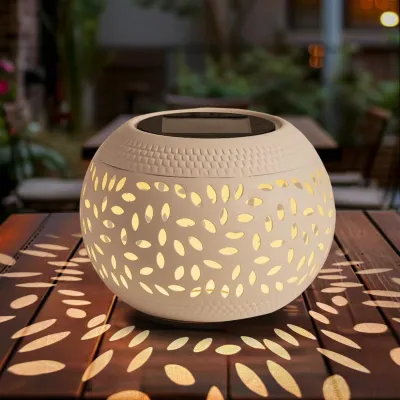
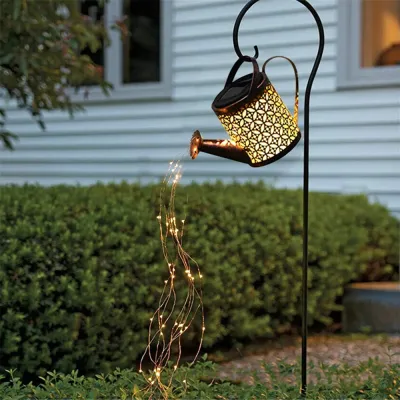
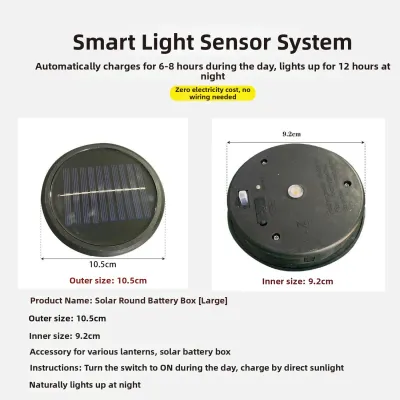
Prices are valid at publication and may change. Please refer to the product page for the latest price.
Solar Panel Efficiency
Solar panels convert sunlight into electrical energy, and their efficiency is largely determined by the type of silicon used in their construction. Monocrystalline panels are made from a single, pure silicon crystal structure, allowing electrons more room to move and resulting in energy conversion rates typically between 15% and 22%. Polycrystalline panels, which are made by melting multiple silicon fragments together, are less efficient, usually averaging between 13% and 16% conversion.
For Singapore homes, monocrystalline panels are highly recommended. Many residential spaces, such as HDB common corridors, deep condo balconies, and landed properties shaded by neighboring structures or mature trees, receive only partial or indirect sunlight. Monocrystalline panels perform significantly better under diffused light and partial shade than polycrystalline alternatives, ensuring your lantern can still gather sufficient energy on overcast days or during the rainy seasons.
Battery Chemistry for High Heat
Singapore’s daytime temperatures frequently exceed 30°C, and outdoor surfaces directly exposed to the sun can heat up even further. This intense heat poses a major challenge for battery storage. Standard Lithium-ion (Li-ion) and Nickel-Metal Hydride (NiMH) batteries degrade quickly when subjected to prolonged high temperatures, leading to a rapid loss of charge capacity and a shortened overall lifespan.
Lithium Iron Phosphate (LiFePO4) batteries are the superior choice for outdoor solar lanterns in tropical climates. They exhibit exceptional thermal stability, safely operating at elevated temperatures without risk of thermal runaway. Furthermore, LiFePO4 batteries offer a significantly longer cycle life, often enduring 2,000 to 3,000 charge-discharge cycles before their capacity drops, compared to the 300 to 500 cycles typical of standard Li-ion batteries. This translates to several years of reliable daily operation without the need for battery replacements.
Smart Energy Management
An efficient solar panel and battery system can still fail if the stored energy is managed poorly. Smart energy management features are essential for ensuring your outdoor lantern remains illuminated throughout the night, especially during the Northeast and Southwest monsoon seasons when daily solar charging is limited.
Integrated dusk-to-dawn sensors automatically activate the lantern when ambient light levels drop, preventing energy from being wasted during daylight hours. More importantly, Passive Infrared (PIR) motion sensors drastically conserve battery power by keeping the lantern in a low-energy “dim” or “off” state until motion is detected within a specific range. Once triggered, the lantern switches to full brightness for a set period (usually 30 to 60 seconds) before dimming again. This on-demand lighting strategy ensures that the lantern preserves its battery reserves, allowing it to function reliably even after consecutive days of heavy cloud cover.
Weather and UV Resistance
An energy-efficient lantern is only useful if it can survive the outdoor elements. Singapore’s high humidity, frequent heavy downpours, and intense ultraviolet (UV) radiation can quickly compromise low-quality fixtures. Water ingress can short-circuit internal electronics, while UV rays can degrade standard plastics, causing them to crack, yellow, and fail.
When selecting an outdoor lantern, look for an Ingress Protection (IP) rating of at least IP65. An IP65 rating indicates that the fixture is completely dust-tight and protected against water jets from any direction, making it highly resilient against severe tropical storms. Additionally, ensure the casing is constructed from UV-stabilized polycarbonate, high-impact ABS plastic, or rust-treated metals such as powder-coated aluminum or stainless steel. These materials prevent structural degradation and ensure the lantern’s internal components remain dry and protected over years of exposure.
Recommended Solar Lantern Types for Different Home Setups
Different residential properties in Singapore present unique spatial and lighting challenges. To help you find the most suitable option, we have categorized the top solar lanterns available in the market based on their ideal installation environments and specific performance profiles.

High-Capacity Lanterns for Landed Property Driveways and Gardens
Landed homes typically feature larger outdoor areas, such as driveways, front gardens, and perimeter walls, which require bright, sustained illumination for both safety and security. These spaces are often fully exposed to the sun, making them ideal for high-capacity solar lanterns that can maximize energy collection and storage.
Philips BVC010 LED Solar Wall Lantern
The Philips BVC010 is a robust, high-capacity solar lantern designed specifically for open outdoor environments. It features a high-efficiency monocrystalline solar panel integrated directly onto the top of the fixture, paired with a durable LiFePO4 battery. This combination allows the lantern to store a substantial charge during the day, which it uses to power its high-lumen LED output at night.
- Performance and Run Time: The Philips BVC010 delivers reliable brightness suitable for task and security lighting. It features an integrated motion sensor and dusk-to-dawn controller. In its default energy-saving mode, the lantern remains at a dim level and boosts to full brightness upon detecting movement, allowing it to easily achieve a run time of up to 12 hours on a single full charge.
- Installation and Mounting: This model is designed for wall mounting and is best installed at a height of 2 to 3 meters on unshaded exterior walls, pillars, or gateposts. Because the solar panel is fixed to the top of the unit, you must ensure the installation spot receives at least 4 to 6 hours of direct, unobstructed sunlight daily to maintain optimal performance.
- Limitations: Due to its solid, industrial build and high-capacity components, the Philips BVC010 is heavier than standard decorative lanterns. It requires secure mounting on concrete or solid wood surfaces. It is not suitable for deeply recessed balconies or covered corridors where direct sunlight cannot reach the top of the fixture.
Compact Motion-Sensor Lanterns for HDB Corridors and Balconies
High-rise living in HDB flats and condominiums often presents a major obstacle for solar lighting: structural shading. Deep concrete overhangs, neighboring blocks, and recessed corridors mean that many outdoor areas receive very little direct sunlight, even though they require safety lighting at night.
Hardoll Solar Motion Sensor Split Lantern
The Hardoll Solar Motion Sensor Split Lantern solved this specific problem by separating the solar panel from the light fixture itself. The two components are connected by a durable, weather-resistant low-voltage cable (typically 3 to 5 meters in length). This modular design allows you to mount the solar panel outside on an exposed ledge or railing where it can capture direct sunlight, while placing the lantern itself inside a shaded corridor, walkway, or balcony.
- Performance and Run Time: Equipped with a monocrystalline panel and a responsive PIR motion sensor, this lantern maximizes energy conservation. It remains completely off or in a very low dim mode until someone walks past, at which point it illuminates the path with bright, clear light. This on-demand operation ensures that even if the panel receives limited daily sunlight, the battery is rarely depleted, providing reliable lighting throughout the night.
- Installation and Mounting: The split-panel design offers exceptional installation flexibility. You can mount the lightweight lantern on corridor walls or ceilings using simple screws or heavy-duty mounting tape (if permitted by town council guidelines). The solar panel can be secured to balcony railings or external air-conditioning ledges using zip ties or brackets, ensuring it faces the open sky.
- Limitations: Running the connecting cable between the panel and the lantern requires careful routing to keep it neat and prevent tripping hazards. You must ensure the cable is secured along wall edges or ceilings. Additionally, because the light is sensor-driven, it is not intended for continuous, high-intensity ambient lighting.
Decorative Low-Lumen Lanterns for Patios and Ambient Lighting
If you want to create a cozy, inviting atmosphere on your patio, deck, or balcony, high-intensity security lighting is unnecessary. Instead, decorative low-lumen lanterns offer a softer, warm-white glow (typically 2700K to 3000K) that mimics traditional candlelight or soft incandescent bulbs. Because these lanterns have lower power requirements, they can operate efficiently with smaller solar panels and batteries.
IKEA SOLVINDEN Solar LED Lantern
The IKEA SOLVINDEN series is a popular, highly accessible option for adding ambient lighting to Singapore balconies and patios. These lanterns feature a clean, minimalist design with a small solar panel integrated into the top lid, charging an internal, replaceable NiMH AAA rechargeable battery.
- Performance and Run Time: The SOLVINDEN lantern is designed purely for decorative, low-intensity lighting. It emits a soft, warm glow that is perfect for dining tables, hanging hooks, or balcony corners. When fully charged, the lantern can operate for up to 12 hours. Because its power draw is minimal, even a few hours of bright indirect sunlight are often enough to provide several hours of evening illumination.
- Installation and Mounting: These lanterns are incredibly lightweight and highly portable. They can be placed directly on tables, set on the floor, or hung from balcony ceilings and plant hooks. They feature a basic IP44 rating, meaning they are protected against splashing water, making them suitable for covered balconies and semi-sheltered patios.
- Limitations: With an IP44 rating, these lanterns should not be left permanently exposed to heavy, direct tropical downpours, as water may eventually penetrate the battery compartment. They are also not bright enough for security or task lighting, and the use of NiMH batteries means they will require more frequent battery replacements over the years compared to LiFePO4 models.
How to Compare Solar Lantern Specifications Before You Buy
To make an informed decision, it is helpful to compare the technical specifications of your shortlisted options side-by-side. The table below summarizes the key performance metrics of the recommended solar lantern types available in Singapore.
| Product Name / Type | Panel Type | Battery Chemistry | IP Rating | Lighting Mode | Manufacturer-Stated Run Time |
|---|---|---|---|---|---|
| Philips BVC010 Solar Wall Lantern | Monocrystalline | LiFePO4 | IP65 | Dusk-to-Dawn & PIR Sensor | Up to 12 hours (in energy-saving dim mode) |
| Hardoll Split Solar Lantern | Monocrystalline | LiFePO4 | IP65 | PIR Motion Sensor (On/Off) | Up to 10 hours (on-demand sensor activation) |
| IKEA SOLVINDEN Solar Lantern | Polycrystalline | NiMH (AAA) | IP44 | Constant On (Dusk-to-Dawn) | Up to 12 hours (on a full charge) |
When analyzing these specifications, weigh them against your specific installation environment:
- Sunlight Exposure: If your mounting location receives less than 4 hours of direct sunlight daily, prioritize lanterns with monocrystalline panels and PIR motion sensors (such as the Hardoll Split Solar Lantern) to maximize energy collection and minimize battery drain.
- Exposure to Rain: For completely open garden walls, driveways, or unroofed patios, do not compromise on water resistance. Choose fixtures with a minimum rating of IP65 to ensure they can withstand Singapore's intense monsoon downpours.
- Intended Use: For security and pathway safety, opt for high-lumen, sensor-driven models. For relaxing outdoor spaces where you spend evening hours, prioritize low-lumen, warm-white decorative models that offer a softer visual effect.
Maximizing Solar Charging and Lifespan in a Tropical Climate
Proper installation and regular maintenance are crucial for ensuring your solar lanterns operate at peak energy efficiency and last for many years. Follow these practical, low-risk guidelines to optimize your system’s performance.
Panel Placement and Angling
To get the most out of your solar panels, you must position them where they will receive the maximum amount of daily sunlight. Avoid placing panels directly under building overhangs, deep concrete ledges, air conditioning condensers, or thick tree canopies, as even partial shadows can drastically reduce solar conversion efficiency.
Because Singapore is located near the equator (approximately 1.3 degrees north), solar panels do not require a steep tilt to capture sunlight. A slight angle of 5 to 15 degrees (tilted either north or south) is ideal. This minor tilt ensures that rainwater does not pool on the surface of the panel, allowing gravity to wash away loose dust and debris naturally during rainstorms.
Routine Cleaning
Over time, a fine layer of dust, pollen, soot from nearby traffic, and bird droppings can accumulate on the glass surface of the solar panel. This buildup blocks sunlight from reaching the photovoltaic cells, significantly reducing charging efficiency.
To maintain optimal performance, clean your solar panels once every two to three months:
- Turn off the unit before cleaning to prevent any electrical issues.
- Wipe the panel surface gently using a clean, damp microfiber cloth. You can use plain water or a very mild, diluted dish soap if there is stubborn grime.
- Avoid abrasive materials, harsh chemical cleaners, or high-pressure water sprays, as these can scratch the protective glass or damage the waterproof seals.
- Dry the surface with a soft cloth to prevent water spots from forming.
Battery Care and Heat Management
While LiFePO4 batteries handle heat exceptionally well, prolonged exposure to extreme temperatures can still accelerate their aging process. If your solar lantern features a separate, adjustable solar panel, try to mount the main lantern body (which houses the battery) in a spot that receives some shade during the hottest midday hours, while keeping the solar panel fully exposed to the sun.
If you notice that your lantern’s run time has decreased significantly after a few years of use, the battery may be reaching the end of its life. For models with replaceable batteries, always replace them with the exact battery chemistry, voltage, and capacity specified by the manufacturer. Never mix different battery types (such as placing a standard alkaline battery into a rechargeable solar compartment), as this can damage the circuitry and pose a safety hazard.
Safety and Warranty Boundaries
Before undertaking any installation or maintenance task, always read the manufacturer’s instruction manual and safety guidelines.
- Power Isolation: If you are installing a solar lantern that features a backup connection to your home's electrical grid, always isolate the power source at the main circuit breaker before handling any wiring.
- Work at Height: Many outdoor lanterns are mounted on high walls, pillars, or rooflines. When working at heights, ensure you use a stable, secure ladder and have another person present to assist you. For complex installations, heavy suspended loads, or high-altitude mounting, always consult a qualified professional installer.
- Waterproof Seals: When replacing batteries or adjusting settings on sealed outdoor units, ensure that the rubber gaskets and waterproof seals are clean, intact, and properly aligned before reassembling the casing. A misaligned seal can allow moisture to enter the unit during the next rainstorm, causing permanent damage to the electronics.
Frequently Asked Questions (FAQ)
Do solar outdoor lanterns work reliably during Singapore's monsoon season?
Yes, high-quality solar lanterns can work reliably during the monsoon season, provided they are designed for energy efficiency. While consecutive overcast days reduce the amount of direct sunlight available for charging, lanterns equipped with monocrystalline solar panels can still generate power from ambient, diffused light. To ensure consistent performance during prolonged rainy periods, choose lanterns with smart PIR motion sensors. These sensors keep the light off or dim until triggered, drastically reducing battery consumption and ensuring the stored charge lasts through multiple nights.
Can I replace the battery in my solar lantern if it stops holding a charge?
Whether you can replace the battery depends entirely on the design of your specific solar lantern. Many budget-friendly or highly decorative models feature integrated, sealed batteries that cannot be replaced without damaging the waterproof casing; once these batteries fail, the entire unit must be replaced. However, premium models and modular systems often feature accessible battery compartments. Always check the product description and warranty terms before purchasing. If the battery is replaceable, ensure you use the exact chemistry (such as LiFePO4 or NiMH) and voltage specified by the manufacturer.
Are decorative solar lanterns bright enough for home security purposes?
No, decorative solar lanterns are generally not bright enough to serve as primary home security lights. Decorative lanterns typically emit a soft, low-lumen glow (often between 10 and 50 lumens) designed to create a warm, ambient atmosphere on patios or dining tables. Effective security lighting requires high-intensity illumination (usually 300 lumens or more) to clearly illuminate dark corners and deter intruders. For security purposes, you should opt for dedicated solar security floodlights or high-capacity solar wall lanterns equipped with bright LEDs and active PIR motion sensors.
Community discussion
Share your experience or ask a question. Comments are reviewed before publication.