
Mugwort incense is a traditional aromatic preparation made from the dried and ground leaves of the mugwort plant, a resilient herb belonging to the Artemisia genus. Known for its distinctively earthy, herbal, and slightly bitter scent, this incense is widely used in aromatherapy to create a grounding, calm atmosphere. Unlike sweet florals or heavy woodsy scents, mugwort offers a rustic, green aroma that helps clear the mind and refresh living spaces.
Understanding the characteristics, traditional uses, and safety guidelines of mugwort incense allows you to select high-quality products and enjoy their soothing properties safely at home.
What Is Mugwort Incense?
Mugwort incense is crafted primarily from the foliage of Artemisia species, most notably Artemisia vulgaris (common mugwort) and Artemisia argyi (Chinese mugwort). These hardy perennial plants have deep roots in traditional herbalism across Asia and Europe. To create incense, the leaves are harvested, dried thoroughly, and ground into a fine powder. This herbal powder is then combined with a natural binder to shape it into various burning formats.
Products mentioned in this guide
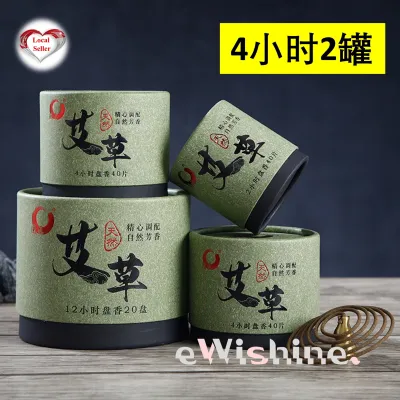
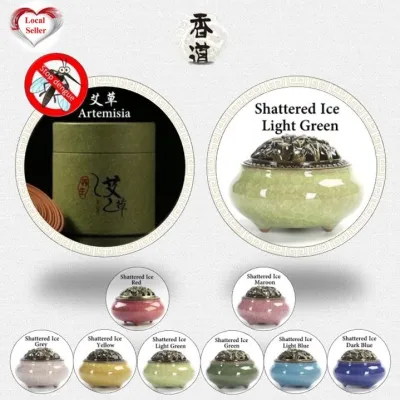
Prices are valid at publication and may change. Please refer to the product page for the latest price.
When exploring retail options, you will find mugwort incense in several physical forms. Stick incense, or thread incense, is highly popular for its consistent burn rate and ease of use. Cones offer a more intense, rapid release of fragrance, making them suitable for larger rooms. Coils burn slowly over several hours, which is ideal for extended relaxation or meditation sessions. Loose dried mugwort, often referred to as mugwort fluff or moxa wool, can also be burned directly on charcoal or in specialized burners.
The scent profile of mugwort is highly distinct from mainstream commercial fragrances. It features a robust, herbaceous aroma with warm, bitter undertones and a subtle sweetness that emerges as it burns. If you are accustomed to sweet vanilla, bright citrus, or rich floral perfumes, mugwort may initially smell quite medicinal. However, its rustic, forest-like quality is highly valued by those who prefer natural, unpretentious scents that evoke a sense of connection to the outdoors.
Traditional Uses and Aromatherapy Benefits
Mugwort has a rich history spanning centuries of cultural and traditional practices. In many East Asian households, burning mugwort or hanging dried bundles near doorways has long been associated with seasonal transitions, particularly during the Dragon Boat Festival. It was traditionally believed to cleanse living spaces, ward off negative energy, and refresh the air during humid seasons. These historical wellness routines highlight the plant’s enduring role as a natural household companion.

In modern aromatherapy, mugwort incense is primarily utilized to promote relaxation and mental clarity. The earthy aroma acts as a sensory anchor, making it an excellent accompaniment for mindfulness practices, yoga, or deep breathing exercises. Many people find that burning a small amount of mugwort incense helps them transition from a busy workday to a restful evening, creating a clear boundary between professional stress and domestic comfort.
While these traditional and sensory benefits are widely appreciated, it is essential to distinguish between aromatherapy and clinical medical treatments. Mugwort incense is not a cure or treatment for medical conditions, respiratory illnesses, or sleep disorders. The smoke should be enjoyed purely for its atmospheric and aromatic qualities. If you have pre-existing health concerns, asthma, or allergies, always consult a qualified healthcare professional before introducing any burning incense into your home.
How to Choose Quality Mugwort Incense
Selecting high-quality mugwort incense requires careful attention to ingredient lists and physical characteristics. Because the market includes both artisanal natural products and mass-produced synthetic alternatives, verifying what goes into your incense is crucial for a pleasant and safe experience.
First, examine the ingredient list for purity. High-quality incense should list pure mugwort powder as the primary aromatic ingredient, bound together by a natural, unscented plant binder such as tabu powder (derived from the bark of the Machilus thunbergii tree). Avoid products that list vague terms like “fragrance,” “perfume,” or “industrial binders.” Synthetic fragrance oils often produce a harsh, chemical smoke that can cause headaches or throat irritation when burned.
Second, consider whether you prefer pure mugwort or a blended variety. Many reputable makers blend mugwort with other natural botanicals, such as aged sandalwood or agarwood. These blends can soften the sharp, bitter notes of pure mugwort, creating a smoother, more complex olfactory experience. When purchasing a blend, check the ratio of ingredients to ensure that the mugwort remains a prominent component rather than a minor additive.
Third, observe the physical appearance of the incense. Natural mugwort incense typically exhibits a muted, brownish-green, khaki, or earthy grey color, reflecting the natural shade of dried leaves. Be cautious of products with vibrant, bright green hues, as these are often the result of artificial dyes. Additionally, high-quality natural incense tends to produce a fine, light grey or white ash that crumbles easily, whereas synthetic additives can leave behind dark, oily, or sticky residues on your burner.
Finally, purchase from transparent manufacturers or specialized aromatherapy shops that provide detailed specifications about their sourcing and production methods. Avoid buying extremely cheap, unbranded bundles from generic online marketplaces, as these rarely guarantee ingredient purity or safety. Investing a bit more—perhaps spending S$15 to S$30 on a well-crafted box of natural sticks—ensures a cleaner burn and a truer representation of the herb’s natural aroma.
Safe Usage and Burner Compatibility
Burning incense safely requires matching the physical form of the incense with the correct burner and maintaining a secure environment. Because burning incense involves open embers and heat, proper equipment is essential to prevent accidental damage or fire hazards.
For stick incense, use a dedicated ash catcher or incense boat made of ceramic, brass, or stone. Ensure the holder is long enough to catch all falling ash, as stray embers can scorch wooden furniture. Coil incense is best burned inside an enclosed ceramic or metal burner lined with a fireproof felt pad, or suspended on a specialized metal grate. Cone incense generates intense heat at its base as it burns down completely, so it must always be placed on a thick, heat-resistant ceramic dish or stone holder rather than directly on wooden or plastic surfaces.
When burning incense in a tropical, humid climate like Singapore, proper storage is also a key consideration. Keep your unused incense in an airtight container or a resealable bag stored in a cool, dry place. This prevents the herbal material from absorbing moisture from the air, which can make the sticks difficult to light or cause them to burn unevenly.
Always prioritize home safety by placing your burner on a flat, stable surface away from drafts, open windows, air conditioning vents, and flammable materials like curtains, books, or tablecloths. Keep burning incense completely out of reach of pets and young children. Never leave a burning stick, cone, or coil unattended; always extinguish the ember fully if you need to leave the room or go to sleep.
Proper ventilation is vital to prevent smoke buildup and minimize respiratory irritation. Even natural herbal smoke contains particulate matter that can accumulate in enclosed spaces. Always open a window or door slightly to allow fresh air to circulate and carry the excess smoke away. Avoid burning incense in small, completely sealed, air-conditioned rooms.
Lastly, establish clear stopping conditions for your safety. If you or anyone in your household experiences excessive coughing, shortness of breath, dizziness, watery eyes, or throat irritation, extinguish the incense immediately by dipping the burning tip in water. Move to a well-ventilated area or step outdoors to breathe fresh air.
Frequently Asked Questions (FAQ)
Can I burn mugwort incense every day?
While you can burn mugwort incense daily, moderation is highly recommended. Burning one stick or a small portion of a coil once a day is generally sufficient to scent a room and create a relaxing atmosphere. Always adjust the frequency based on your room size and ventilation. If you live in a smaller apartment, consider burning only half a stick at a time or limiting usage to a few times a week to prevent heavy smoke accumulation. Pay close attention to your body’s physical response and reduce usage if you notice any respiratory discomfort.
Does mugwort incense repel insects?
Traditionally, the strong, herbal smoke of burning mugwort has been used as a mild, natural deterrent for mosquitoes and other small insects. The natural aromatic compounds in the plant are unappealing to many pests. However, while it may provide a temporary, localized deterrent effect, mugwort incense is not a substitute for modern, registered insect repellents or professional pest control solutions. It should not be relied upon to manage or resolve serious pest infestations in your home.

Community discussion
Share your experience or ask a question. Comments are reviewed before publication.