
Selecting the right seating for a Singapore home requires balancing spatial constraints, comfort preferences, and material resilience against the local tropical climate. When comparing a MUJI cushion sofa to other popular furniture brands available in Singapore, the decision ultimately hinges on how you prioritize modular flexibility versus structured, long-term support. MUJI’s signature low-profile and bead-filled designs offer an adaptable, minimalist solution that excels in compact living rooms, whereas alternative international and local brands often provide superior structural frames, customizable upholstery, and traditional ergonomic support.
Understanding the MUJI Cushion Sofa Baseline
MUJI’s design philosophy centers on minimalism, neutral tones, and space-saving utility. Their cushion sofas typically fall into two categories: the highly flexible bead cushions—often referred to as body fit sofas—and their modular unit sofas that utilize urethane foam cushions on minimalist steel or wood bases. These designs sit very low to the ground, which visually opens up tight living spaces by maximizing the vertical clearance between the floor and the ceiling.
The visual weight of furniture is a critical consideration in high-density housing, where natural light and open floor space are highly prized. MUJI’s design language addresses this by keeping the physical and visual profile of their cushion sofas exceptionally low. Standard cover options include heavy-duty cotton canvas, linen blends, and polyester fabrics, which are designed to be easily removed and washed. The filling materials—ranging from high-density polystyrene microbeads that contour to the body to layered urethane foam—are engineered for a relaxed, casual seating posture rather than rigid, upright support.
Products mentioned in this guide
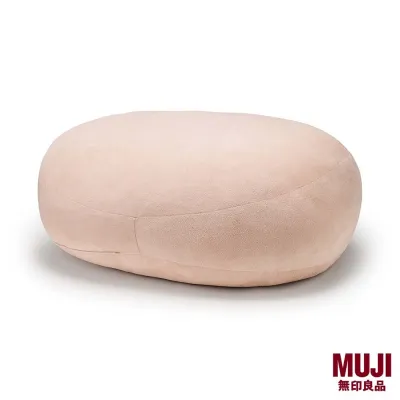
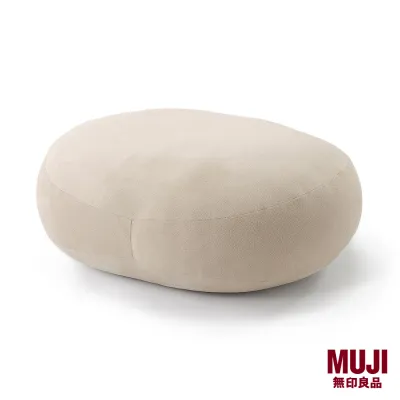
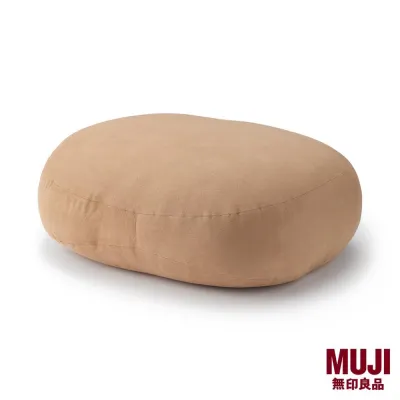
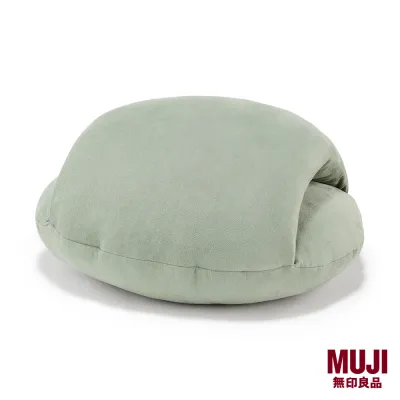
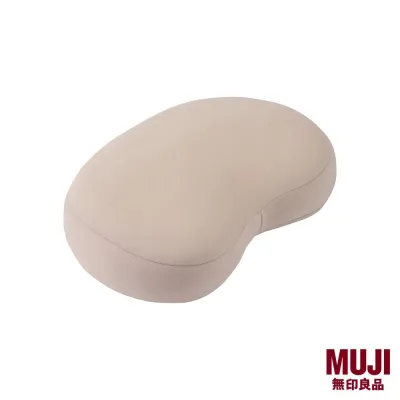
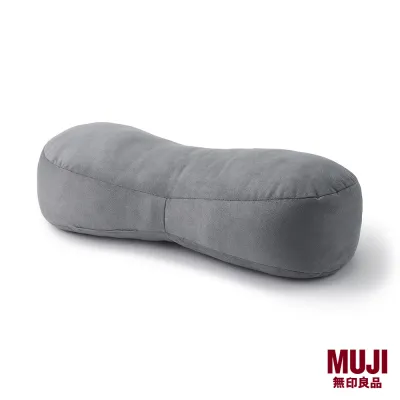
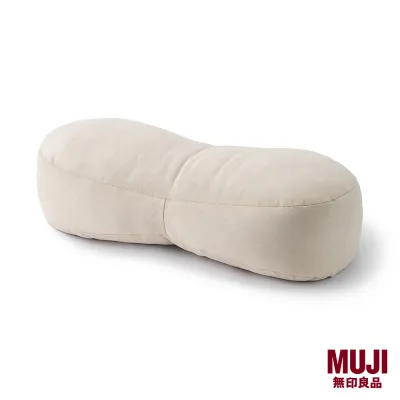
Prices are valid at publication and may change. Please refer to the product page for the latest price.
Identifying the Main Alternatives in Singapore
In Singapore’s competitive home furnishing market, buyers have access to several distinct tiers of alternatives. International flat-pack retailers offer highly standardized, budget-friendly modular sofas that can be assembled quickly and customized with various slipcovers. On the other hand, local custom upholstery brands and regional design houses cater to homeowners seeking tailored dimensions, premium fabric selections, and sturdier frame constructions.

While flat-pack options are readily available for immediate delivery or short lead times, custom-made sofas from local specialists typically require a lead time of several weeks to months. These alternatives also differ significantly in sizing standards. European-designed flat-packs may feature deeper seats and wider footprints, whereas local custom brands can adjust dimensions to fit specific recessed walls or awkward corners common in modern apartment layouts. This level of customization is particularly valuable for addressing architectural features like structural pillars or narrow walkways that restrict standard furniture sizes.
Comparing Comfort: Support, Sinkage, and Flexibility
Evaluating comfort requires looking beyond initial softness to assess foam density, seating depth, and overall ergonomics. When testing sofas in local showrooms, it is helpful to check the foam density specifications, often expressed in kilograms per cubic meter (kg/m³). High-resilience foam with a density of 30 kg/m³ or higher generally retains its shape and supportive qualities much longer than lower-density alternatives, which tend to sag within a few years of daily use.
A floor-level cushion setup, such as MUJI’s bead-filled or low-profile modular units, allows for a highly relaxed, contouring comfort that conforms to your body shape. However, this style offers minimal lower-back or neck support for prolonged sitting. In contrast, traditional fixed-frame sofas provide structured suspension systems—such as pocket springs or sinuous webbing—paired with high-density foam cushions. This setup distributes body weight more evenly, making it far more comfortable for elderly family members or individuals who experience discomfort when rising from low-seated furniture.
Evaluating Durability: Fabrics, Frames, and Maintenance
Singapore’s high relative humidity and warm climate place unique demands on sofa materials, making durability a critical factor. To evaluate fabric durability, look for the Martindale rub count on product specification sheets; a rating of 15,000 to 20,000 rubs is suitable for general domestic use, while 25,000 or more is recommended for high-traffic family rooms. Natural fibers like cotton and linen blends, while highly breathable, are more prone to moisture absorption and staining unless treated with water-resistant finishes.
Synthetic fibers like polyester or nylon blends often offer better stain resistance and are easier to spot-clean in humid environments. Beyond the fabric, inspect the internal frame construction. High-quality sofas utilize kiln-dried solid hardwood frames with mortise-and-tenon joints, which resist warping in humid environments, whereas cheaper alternatives may rely heavily on engineered wood or staples. Furthermore, consider the maintenance cycle: removable, machine-washable covers are highly advantageous, as they allow you to wash away sweat, dust mites, and humidity-induced odors without paying for expensive professional upholstery cleaning services.
Decision Framework: Which Sofa Fits Your Living Space?
To systematically evaluate which sofa best fits your home, consider your household composition, lifestyle habits, and spatial constraints. A MUJI cushion sofa is an excellent match if your primary goals are achieving a clean, minimalist aesthetic, maximizing visual space in a compact room, and having the flexibility to easily reconfigure or move your furniture. It is particularly well-suited for temporary living arrangements, rental properties, or households that prefer a casual, floor-centric lifestyle.
Conversely, you should look toward alternative custom or modular brands if your household requires specific high-performance fabrics—such as scratch-resistant, pet-friendly materials or advanced stain-repellent coatings—or if you need a sofa with precise dimensions to fit a specific layout. If anyone in your household has mobility issues or requires firm, upright support for back health, a traditional structured sofa from an alternative brand will be a much safer and more comfortable long-term investment. Always verify the delivery path clearance, including lift door widths and corridor turns, and carefully review the manufacturer’s local warranty terms before making your final decision.
Frequently Asked Questions (FAQ)
Are cushion sofas suitable for households with young children or pets?
Cushion-based and low-profile sofas present unique advantages and challenges for active households. Low-profile designs eliminate the risk of children falling from significant heights, and lightweight modular cushions can be easily rearranged for safe play. However, loose cushion fillings like polystyrene microbeads can shift over time under active use, leading to uneven support. When shopping, it is crucial to verify that the outer covers are made from tightly woven, high-durability fabrics with a high Martindale rating to resist pet claws and rough handling. Additionally, ensure the inner cushion liners are robust and securely zippered to prevent children or pets from accessing and accidentally inhaling the loose filling materials.
How do I verify the warranty and after-sales support for sofa frames and cushions?
Before committing to a purchase, carefully read the fine print of the retailer’s warranty policy, as coverage terms often differ significantly between structural components and soft fillings. A reliable warranty typically covers the internal frame and suspension system for a longer period (often five to ten years) while offering a much shorter coverage window (usually one to two years) for the foam cushions and fabric covers against manufacturing defects. In Singapore, verify whether the brand maintains a local customer service center and stocks replacement parts. For modular systems like MUJI, check if individual replacement covers and inner cushions can be purchased separately, which allows you to refresh a worn-out section without needing to replace the entire sofa assembly.

Community discussion
Share your experience or ask a question. Comments are reviewed before publication.