
Quick Answer: Does Muji Justify Its Price Point?
Muji cushions generally justify their mid-to-premium price point for homeowners who prioritize natural materials, minimalist aesthetics, and highly breathable fabrics. In Singapore’s hot and humid tropical climate, the choice of textile directly impacts daily comfort. Muji’s consistent use of organic cotton and linen offers superior moisture absorption and heat dissipation compared to standard synthetic options.
However, if your primary goal is to introduce bold patterns, execute frequent seasonal decor updates on a budget, or find highly specialized orthopedic support, alternative brands may serve you better. Mass-market home retailers and online marketplaces offer greater pattern variety and lower upfront costs, while premium ergonomic brands provide targeted physical support. Understanding how these brands compare on material composition, fill density, and long-term durability will help you determine the best fit for your living space.
Material Comparison: Natural Fibers vs. Synthetic Blends
Muji’s design philosophy heavily emphasizes natural textiles, focusing on organic cotton, linen, and cotton-linen blends. In Singapore, where indoor relative humidity levels frequently exceed 80%, these natural fibers offer distinct functional advantages. Organic cotton is highly breathable, allowing air to circulate freely and preventing heat buildup when you lean against a sofa cushion for an extended period. Linen, derived from the flax plant, possesses natural moisture-wicking properties and a cool-to-the-touch texture that is exceptionally refreshing in naturally ventilated, non-air-conditioned living rooms. These fibers are also naturally hypoallergenic, making them gentle on sensitive skin.
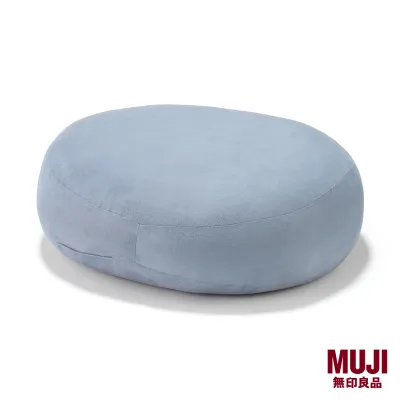
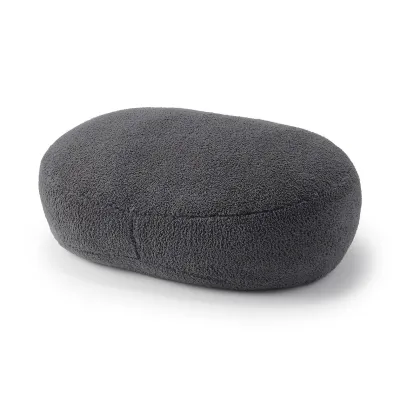
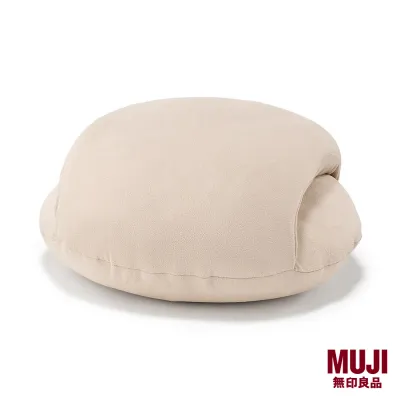
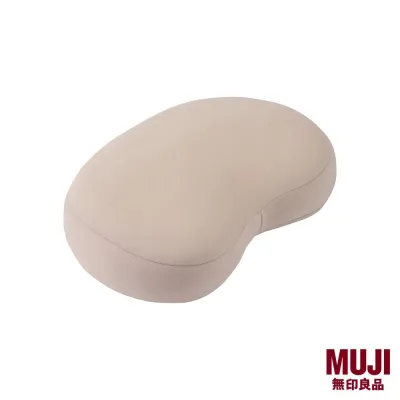
Products mentioned in this guide
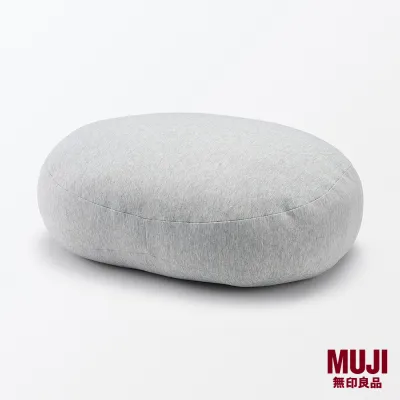
![[MUJI SG61 BUNDLE SET] Soft Cushion Bundle Set Of 2](https://img.lazcdn.com/g/p/01601fcd1bae3450066ac3d5e9f28653.jpg_400x400q80.jpg_.webp)
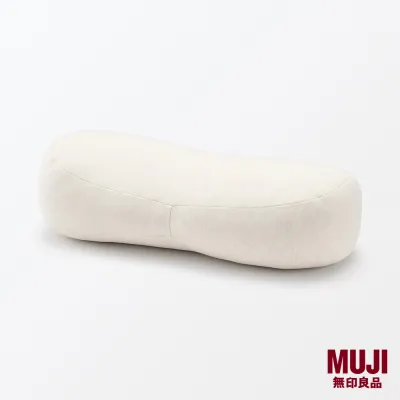
![Lazada Exclusive [Bundle Set] MUJI Soft Cushion Mini - 2pcs](https://img.lazcdn.com/g/p/7ee01f38c5373c713fe6eb216f12caeb.png_400x400q80.png_.webp)
Prices are valid at publication and may change. Please refer to the product page for the latest price.

In contrast, mass-market competitors rely extensively on synthetic fibers like polyester, acrylic, or poly-blend fabrics. Polyester is highly favored by budget-friendly manufacturers because it is inexpensive to produce, resists wrinkling, and retains vibrant dyes. However, synthetic fibers are inherently non-porous. They tend to trap body heat and moisture, which can lead to a sticky, uncomfortable sensation during warm afternoons. Over time, synthetic covers are also more prone to static electricity and can pill easily when subjected to regular friction.
On the other end of the spectrum, premium decorative brands often utilize luxury textiles such as silk, velvet, or high-end performance fabrics. While velvet and silk offer a luxurious tactile experience and a sophisticated sheen, they are highly sensitive to humidity and typically require professional dry cleaning. For daily use in a tropical climate, these luxury materials can feel excessively warm and demand high-maintenance care that may not suit a busy household.
To make an informed choice, always inspect the material composition tags on the product. Use this practical checklist to evaluate the material quality of any cushion cover before purchasing:
- Verify the Fiber Percentage: Look for 100% organic cotton or pure linen on the care label rather than "cotton-rich" blends, which often contain high percentages of polyester.
- Examine the Weave Density: Hold the cover up to a light source. A tight, even weave indicates durability, whereas a loose, uneven weave is prone to snagging and losing its shape.
- Feel the Surface Temperature: Run your hand over the fabric to check for immediate heat retention. Natural fibers will feel neutral or cool, while synthetics will begin to feel warm almost instantly.
- Inspect the Inner Seams: Turn the cover inside out to verify if the raw edges are overlocked or bound to prevent fraying during washing.
Comfort and Support: Fill Density and Texture
The comfort of a cushion depends heavily on its inner insert. Muji typically utilizes high-quality polyester fiberfill, down-alternative (microfiber), or specialized feather fills for their standard cushions. Their microfiber inserts are engineered to mimic the loft and plushness of natural down without the allergen risks or moisture-retention issues. These inserts provide a soft, cloud-like sink-in feel, making them excellent for relaxing on a bed or a deep-seated sofa. For their structural cushions, such as their popular multi-use or neck cushions, they employ high-density polyurethane foam or micro-beads that conform dynamically to the body’s contours.
Mass-market brands, by comparison, often cut costs on the insert. They frequently use low-density, recycled polyester fiberfill. While these cushions appear plump on the store shelf, they lack structural resilience. Under regular use, the loose fibers clump together, causing the cushion to flatten, lose its loft, and develop empty corners within a few months. This lack of support can lead to poor posture and discomfort when used for lumbar backing on a chair or sofa.
Premium and specialty brands focus on targeted support. For instance, ergonomic brands offer molded memory foam or high-resilience polyurethane foam inserts specifically shaped to support the lumbar spine or neck. Others use genuine duck or goose feathers, which provide unparalleled loft and weight but require frequent plumping and can develop musty odors if exposed to Singapore’s high humidity without proper ventilation.
The interaction between the cover’s texture and the insert’s density determines the cushion’s practical application. A firm, high-density insert paired with a structured, heavy-weight cotton canvas cover is ideal for active seating, such as supporting your lower back while working at a desk or sitting on a dining bench. Conversely, a soft, high-loft microfiber insert paired with a washed cotton or linen cover is best suited for decorative bed arrangements or cozy lounging spaces where plushness is prioritized over rigid support.
When shopping for inserts, look beyond the outward appearance and assess these specifications:
- Fill Weight: Compare the weight of inserts of the exact same dimensions; a heavier insert typically indicates a denser, more supportive fill.
- Loft and Recovery Rate: Compress the insert firmly with your hand and release it. A high-quality insert should spring back to its original shape within a couple of seconds.
- Chamber Construction: For feather or down-alternative inserts, check if there are internal baffles or chambers that prevent the fill from shifting entirely to one side over time.
Price and Value: Durability vs. Upfront Cost
Muji occupies a mid-to-premium market position in Singapore. While a basic cushion cover and insert from a budget-friendly mass-market retailer might cost a fraction of the price, Muji’s pricing reflects its commitment to material quality and structural integrity. It sits comfortably below the premium designer tier, where single cushion covers can easily cost several times more without necessarily offering a proportional increase in physical durability.
Several physical construction details justify Muji’s price premium. Their cushion covers feature robust, hidden zippers that are neatly recessed into the seams, preventing the metal pull from scratching your sofa or snagging delicate clothing. The stitching is consistently tight, with reinforced corners that withstand the pressure of inserting oversized pads. Furthermore, their natural fabrics undergo pre-washing or specific finishing processes to minimize shrinkage and color fading, ensuring the cover maintains its dimensions and aesthetic appeal over years of use.
Maintenance is another critical factor in the value equation. Natural fibers like cotton and linen require more mindful care than synthetic alternatives. They are prone to natural wrinkling and should ideally be washed on a gentle cycle with mild, neutral detergents. Harsh chemical detergents or high-heat tumble drying can weaken natural fibers, cause shrinkage, and lead to premature wear. Synthetic covers, on the other hand, are highly resilient to standard machine washing and dry rapidly, but they carry the hidden cost of faster aesthetic degradation due to pilling and static attraction of dust and pet hair.
To evaluate the true value of your purchase, consider the cost-per-use over time. A cheap, low-density synthetic cushion that costs S$15 may need replacement within six months due to flattening and fabric pilling, resulting in an annualized cost of S$30. A Muji cushion setup costing S$40 to S$60 can easily last three to five years with proper care. Because Muji maintains consistent sizing standards, you can replace only the cover or the insert independently when needed, rather than discarding the entire unit. This modularity reduces long-term waste and expense.
Final Verdict: How to Choose the Right Brand for You
Choosing the right cushion brand depends on your specific lifestyle needs, aesthetic preferences, and budget.
Choose Muji if:
- You prefer a minimalist, clean, and cohesive aesthetic that blends seamlessly into Scandinavian, Japandi, or modern minimalist interiors.
- You prioritize the tactile feel of natural, breathable materials like organic cotton and linen, which are highly suited for Singapore's warm climate.
- You value modular design, allowing you to easily swap covers while keeping high-quality, long-lasting inserts.
Choose mass-market alternatives if:
- You enjoy changing your home decor frequently to match seasonal trends, holidays, or evolving color schemes.
- You require highly vibrant colors, bold geometric patterns, or whimsical prints that are not offered in Muji's muted, neutral palette.
- You are furnishing a temporary rental property or a low-traffic area where long-term durability is not a primary concern.
Choose premium/specialty brands if:
- You require specialized orthopedic or ergonomic support for chronic back pain, necessitating contoured memory foam or clinical-grade materials.
- You want luxury statement pieces made of delicate fabrics like silk, embroidered velvet, or heavy brocade to serve as focal points in a formal living room.
- You are decorating an outdoor patio or balcony and need highly weather-resistant, UV-treated, and waterproof synthetic fabrics.
Verify first if: Before making any purchase, always measure your existing inserts or covers to ensure compatibility, as sizing standards can vary slightly between European, Asian, and American brands. Visit physical showrooms when possible to test the firmness of the inserts and feel the texture of the fabrics against your skin. Always review the manufacturer’s care labels to ensure the washing requirements align with your household routine.
Frequently Asked Questions (FAQ)
Can I use a non-Muji insert inside a Muji cushion cover?
Yes, you can use non-Muji inserts, but you must pay close attention to the dimensions. Muji cushion covers often follow specific metric sizing (such as 55×55 cm or 45×45 cm). Many mass-market brands use standard imperial measurements (like 18×18 inches or 20×20 inches) or slightly different metric sizing. To achieve a plump, well-filled look, a common design practice is to use an insert that is slightly larger (about 2 to 5 centimeters, or 1 to 2 inches) than the cover. However, if the insert is too large or dense, it can strain the zipper and seams. Always measure the flat dimensions of both the cover and the insert before purchasing to avoid corner gaps or excessive tension.
How do I prevent natural fiber cushion covers from wrinkling?
Natural fibers like cotton and linen are inherently prone to wrinkling due to the structure of their plant-based fibers. To minimize this, wash the covers on a gentle cycle with a low spin speed to prevent deep creases from setting in. Remove the covers from the washing machine immediately after the cycle ends; leaving them damp in the drum will exacerbate wrinkling. Reshape the covers while they are still damp, and air-dry them flat or hang them neatly in a shaded, well-ventilated area away from direct sunlight, which can fade natural dyes. If ironing is necessary, use a steam iron on the medium-to-high cotton/linen setting while the fabric is slightly damp, or use a handheld garment steamer while the cover is on the cushion for a relaxed, natural look.
Community discussion
Share your experience or ask a question. Comments are reviewed before publication.