
Finding the perfect balance of comfort, aesthetics, and value is essential when styling a home in Singapore. Cushions serve as both functional support systems and key design elements in modern living rooms, bedrooms, and cozy reading nooks. If you are choosing between a cushion muji offers and the vast lineup from IKEA, the right decision depends heavily on your personal style, comfort preferences, and how you plan to use the cushions in your daily life. Both brands have established a strong presence in local retail spaces, but they cater to fundamentally different home philosophies. While one brand emphasizes natural, understated simplicity, the other thrives on endless variety and modular flexibility.
Quick Answer: Which Brand Offers Better Value?
The choice between Muji and IKEA cushions ultimately comes down to whether you prioritize natural, minimalist uniformity or diverse, budget-friendly variety. Muji focuses on a highly curated, cohesive aesthetic characterized by neutral tones, organic textures, and soft, uniform comfort. Their products are designed to blend seamlessly into calm, uncluttered environments, making them ideal for homeowners seeking a serene, Japanese-inspired living space.
Conversely, IKEA offers an extensive catalog filled with diverse shapes, varying firmness levels, and bold, expressive patterns. IKEA’s modular approach allows you to mix and match low-cost inserts with highly decorative covers, accommodating frequent style updates and specific ergonomic needs.
Products mentioned in this guide
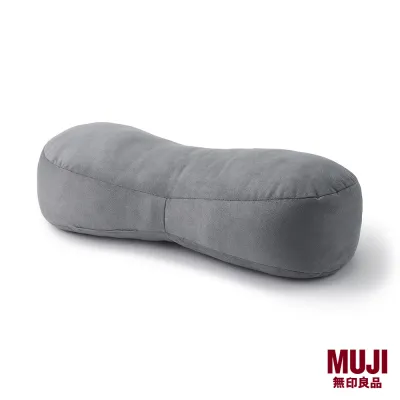
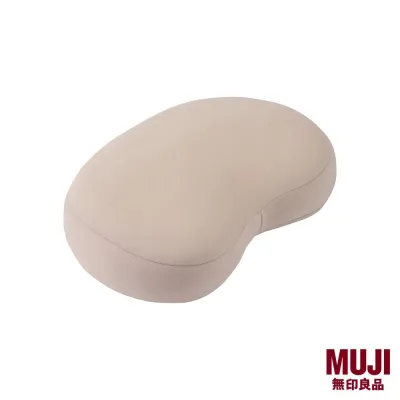
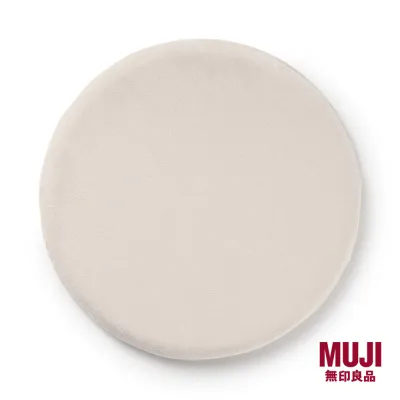
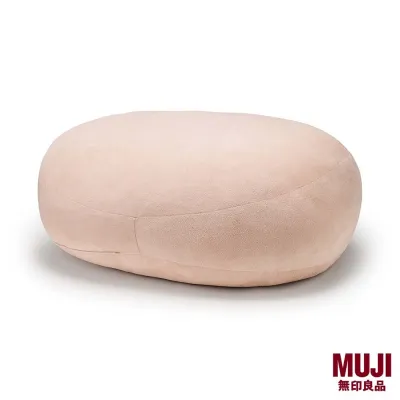
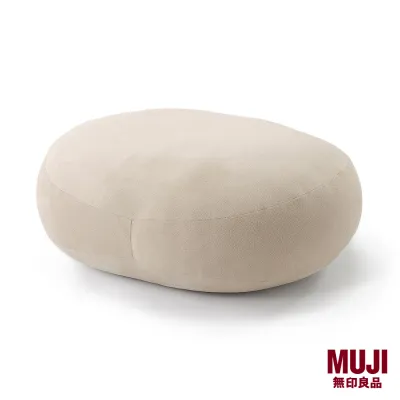
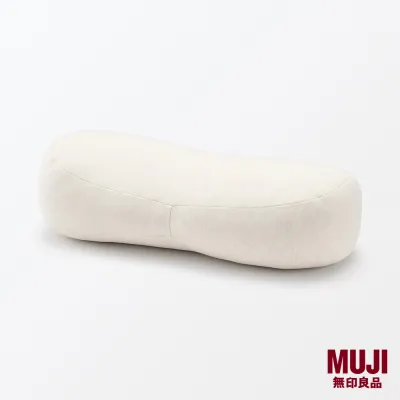
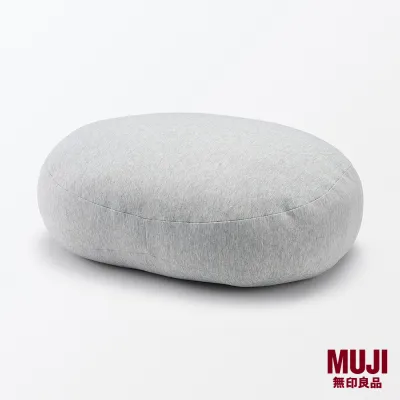
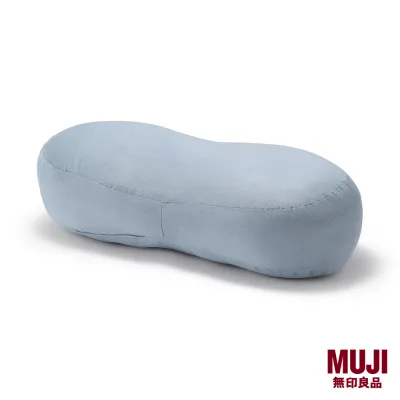
Prices are valid at publication and may change. Please refer to the product page for the latest price.
While both brands offer accessible retail options across Singapore, their value propositions differ. Muji provides high value through premium, natural tactile experiences and understated durability, whereas IKEA delivers exceptional value through sheer variety, specialized support options, and entry-level pricing. Your ideal choice depends on whether you are styling a formal sofa, setting up a casual floor-seating arrangement, or looking for targeted lumbar support.
Cushion Muji vs. IKEA: Fill Materials and Cover Fabrics
The Core Inserts: Fills and Density
The internal construction of a cushion determines its support, loft, and how well it recovers its shape after use. A typical cushion muji selection features high-quality polyester fiberfill or plush down-alternative blends. These materials are chosen to create a soft, cloud-like sink-in feel that cradles the body gently. Muji’s inserts focus on consistent, low-tension softness, which aligns with their philosophy of relaxed, comfortable living. The fibers are engineered to resist clumping, providing a smooth surface that feels uniform from edge to edge.

IKEA, on the other hand, utilizes a much broader spectrum of fill materials to satisfy different comfort profiles. Their entry-level inserts rely on standard polyester fiberfill, which is lightweight but may flatten faster under heavy use. To address varying support requirements, IKEA also offers premium duck feather and down fills, which provide a heavy, substantial loft that can be easily plumped back to shape. Additionally, they incorporate high-density polyurethane foam and memory foam in their specialized support cushions, offering structured, pressure-relieving firmness that Muji’s standard line does not target.
Cover Fabrics and Tactile Quality
The fabric that touches your skin plays a significant role in your overall comfort, especially during warm afternoons. Muji is widely recognized for its signature natural textiles, emphasizing unbleached organic cotton, breathable linen, soft jersey, and durable denim. These fabrics are often left in neutral, muted tones—such as beige, grey, navy, and off-white—retaining a raw, earthy texture that feels exceptionally gentle and premium to the touch. The breathability of these natural fibers makes them highly suitable for the tropical climate of Singapore, where synthetic fabrics can often feel hot and sticky.
IKEA presents a stark contrast with an expansive textile library designed to suit every conceivable interior theme. Their covers range from basic cotton canvas and durable polyester blends to luxurious cotton velvet, corduroy, and intricate jacquard weaves. IKEA’s design palette is incredibly diverse, featuring everything from solid minimalist shades to bright, Scandinavian geometric prints and botanical patterns. This variety makes it easy to find a cover that serves as a bold accent piece on a neutral sofa, allowing homeowners to experiment with different textures and colors without committing to a single aesthetic.
Sizing, Closures, and Mixing Brands
Both brands generally operate on a modular system where inserts and covers are sold separately, allowing for easier washing and customization. However, their sizing standards do not always align perfectly, which is an important consideration if you plan to mix and match. Muji’s standard throw cushions often measure 45×45 cm, and their dedicated floor cushions frequently come in a larger 55×55 cm format.
IKEA’s most common square cushion covers and inserts are sized at 50×50 cm, alongside smaller rectangular options measuring 40×65 cm or oversized 65×65 cm floor variants. Because of these dimensional differences, putting a Muji insert into an IKEA cover (or vice versa) can result in an awkward, loose fit or an overstuffed, rigid cushion. Additionally, closure mechanisms differ; Muji often utilizes discreet, high-quality zippers or deep envelope closures, while IKEA covers typically feature prominent zippers or button closures. Always check the specific product specifications and measurements before purchasing to ensure compatibility.
Comfort, Support, and Real-Life Use Cases
Sofa and Bed Lounging Dynamics
When lounging on a sofa or reading in bed, the type of support you need depends on your posture. If you prefer a highly supportive cushion that keeps your spine aligned while sitting upright, IKEA’s firmer options—such as their feather-filled inserts or memory foam lumbar cushions—are highly effective. The natural weight of feather inserts allows them to contour to your lower back, providing customized support that holds its shape during long reading sessions.
If your lounging style involves sinking into a pile of soft, pillowy cushions for casual relaxation, Muji’s plush polyester and down-alternative inserts excel. These cushions offer a gentle, low-resistance feel that is exceptionally comfortable for resting your head, napping, or propping up your limbs. They prioritize sensory comfort and softness over rigid structural support, making them a favorite for cozy, relaxed environments.
Floor Seating and Low-Profile Living in Singapore
Floor-based living is a popular choice in Singaporean apartments, where space-saving layouts and low-profile furniture help create an airy, open feel. Muji has long embraced this lifestyle, offering specialized floor cushions designed specifically for low-level seating. Their urethane foam floor cushions and high-density beaded cushions conform beautifully to the body’s contours, distributing weight evenly and preventing you from feeling the hard floor underneath.
IKEA addresses floor seating with thick, tufted floor pads and oversized square cushions. While these options are highly functional and budget-friendly, they tend to be firmer and more utilitarian in design. Muji’s floor cushions focus on a seamless, integrated seating experience that mimics traditional Japanese tatami living, whereas IKEA’s floor pads are often treated as portable, temporary seating solutions that can be easily stowed away when not in use.
Ergonomics and Specialized Support
For individuals who require targeted physical relief, such as lumbar support for long working hours or ergonomic neck alignment, IKEA provides a dedicated range of specialized cushions. These products often feature contoured memory foam designed to relieve pressure points and support proper posture. They are highly functional additions to home offices or deep sofas that lack built-in lower back support.
Muji takes a more generalized, multi-purpose approach to comfort. Rather than producing highly structured orthopedic designs, they offer versatile, flexible products like their multi-use cushioning pads and soft neck pillows. These items are designed to adapt to various uses—whether placed behind your back, under your knees, or used as a headrest—relying on the natural flexibility of their fills rather than molded ergonomic shapes. To ensure the cushion fits your physical needs, it is highly recommended to test the cushions in-store at local Singapore locations before committing to large purchases.
Durability and Everyday Maintenance in a Tropical Climate
Shape Retention and Structural Longevity
Over months of daily use, cushion inserts are subjected to constant compression, which can lead to flattening. Standard polyester fiberfill inserts from both brands will naturally lose some of their loft over time as the fibers compress. IKEA’s lower-priced polyester inserts are particularly prone to this, though their low replacement cost makes them easy to refresh. To combat flattening, IKEA’s feather inserts can be regularly fluffed and shaken to restore air pockets between the feathers, extending their usable lifespan significantly.
Muji addresses shape retention by utilizing high-quality, resilient polyester blends and structured internal baffling in some of their premium cushions. This design prevents the fill from shifting to one side, ensuring a more uniform distribution of support over time. However, like all fiber-filled products, they will eventually require manual massaging and shaking to maintain their original fluffiness.
Washing Protocols and Care Labels
Regular cleaning is essential to keep cushions hygienic and free from dust mites. Both Muji and IKEA design their removable covers to be highly user-friendly, with most cotton, linen, and polyester covers being fully machine washable. It is crucial to wash these covers on a gentle cycle with mild detergent to preserve the integrity of the fibers and prevent shrinkage, especially for natural fabrics like cotton and linen.
The cushion inserts themselves require much more careful handling. While some polyester inserts can be machine washed on a delicate cycle, memory foam and feather inserts should never be submerged in water, as this can destroy the foam structure or cause feathers to clump and rot. Spot cleaning with a damp cloth and mild soap is the recommended approach for these specialized fills. Always consult the care label on both the cover and the insert before attempting any washing routine.
Combating Singapore's Humidity and Moisture
Singapore’s tropical climate, characterized by high relative humidity year-round, presents unique challenges for home textiles. High humidity can trap moisture within cushion inserts, leading to musty odors, mold growth, and dust mite proliferation. To prevent these issues, choosing highly breathable cover materials is essential. Natural fibers like linen and organic cotton are excellent choices, as they allow air to circulate freely and dry quickly.
Regular maintenance is key to keeping your cushions fresh in a humid environment. It is highly recommended to air out your cushion inserts in a well-ventilated room or under indirect sunlight at least once a month. This helps evaporate trapped moisture and sanitizes the materials naturally. Avoid placing cushions in damp, unventilated corners of the home, and consider using a dehumidifier in rooms with limited natural airflow to protect your textiles from moisture damage.
Pricing Tiers and Value in Singapore
The Modular Pricing System
Understanding how both brands structure their pricing is essential for managing your home decor budget. Both Muji and IKEA utilize a modular purchasing model where the cushion insert and the decorative cover are priced as separate items. This means the total upfront cost of a complete cushion will depend on the combination of insert material and cover fabric you choose. This system offers excellent flexibility, allowing you to invest in a high-quality insert while swapping out inexpensive covers over time.
Budget-Friendly vs. Premium Quality Segments
IKEA’s pricing structure spans a wide spectrum, starting with exceptionally low-cost, budget-friendly inserts and basic covers. This entry-level segment is perfect for temporary setups, student accommodations, or styling large areas on a strict budget. As you move up to IKEA’s premium lines—featuring feather fills, memory foam, and designer collaboration covers—the prices increase but remain highly competitive.
Muji maintains a more consistent, uniform pricing structure that sits firmly in the mid-range segment. Because Muji prioritizes high-quality natural textiles and sustainable manufacturing practices, their entry-level prices are generally higher than IKEA’s lowest tiers. However, the cost is justified by the consistent quality of their organic cotton, linen, and durable construction, making every purchase feel like a premium, long-term investment.
Defining Long-Term Value
Value is subjective and depends entirely on your decorating goals. For homeowners who enjoy changing their interior decor frequently to match seasons, holidays, or shifting trends, IKEA offers unmatched value. You can easily refresh the look of an entire room by purchasing a few low-cost covers without needing to replace the underlying inserts.
For those who prefer a “buy it once and buy it right” philosophy, Muji delivers exceptional value. Their timeless, minimalist designs do not go out of style, and their durable, natural fabrics are built to withstand daily wear while maintaining their soft tactile appeal. Investing in Muji cushions means choosing long-term aesthetic cohesion and consistent physical comfort over rapid design variety. To explore current pricing, bundle deals, and seasonal promotions, check the official Singapore websites or visit their local physical stores.
Final Decision Framework: Muji or IKEA?
To help you make the right choice for your Singapore home, use this structured decision framework to evaluate your options:
- Choose Muji if: You prefer a calm, minimalist, or Japanese-inspired home aesthetic with a cohesive, neutral color palette; prioritize natural, premium tactile experiences, favoring materials like organic cotton, linen, and soft jersey; and are setting up a cozy floor-seating arrangement or need standard square cushions that offer soft, uniform, sink-in comfort.
- Choose IKEA if: You want a vast selection of shapes, sizes, colors, and bold patterns to create a vibrant, personalized living space; require targeted physical support, such as structured memory foam lumbar cushions or heavy, moldable feather inserts; and enjoy updating your home decor frequently and want access to highly affordable covers and budget-friendly styling options.
- Neither may fit if: You require highly specialized orthopedic medical cushions prescribed for chronic back conditions, which require professional medical supply brands; or you are looking for luxury, artisanal materials like hand-woven silk, premium leather, or bespoke designer textiles, which are best sourced from specialty boutique decor brands.
- Verify first if: You plan to mix inserts and covers from different brands; always measure the exact dimensions (e.g., 45×45 cm vs. 50×50 cm) and check the closure mechanisms to ensure a proper, secure fit. Also, if you are placing cushions in high-humidity areas, such as semi-outdoor balconies or patios, always verify the care label to ensure the materials are rated for outdoor use and moisture resistance.
Community discussion
Share your experience or ask a question. Comments are reviewed before publication.