
Quick Answer: How MUJI Cushions Compare to Alternatives
When selecting a pillow cushion, the choice between MUJI and alternative brands hinges on whether you prioritize natural, breathable materials and a soft, relaxed feel, or structured, ergonomic support and bold decorative designs. MUJI pillow cushions are highly regarded for their minimalist aesthetic, utilizing unbleached organic cotton, linen, and soft down-alternative or feather fills. They are designed to offer pliable, body-conforming comfort that excels during casual lounging, floor seating, or reading in bed.
In contrast, competing home decor and ergonomic brands often focus on synthetic blends like velvet or polyester, high-density memory foam, or contoured shapes designed for targeted orthopedic alignment. While MUJI delivers an understated, tactile experience that is highly breathable—a significant advantage in warm climates—alternative brands are better suited for those who require firm lumbar support or want to make a vibrant visual statement in their living space. Ultimately, MUJI is the go-to for casual, natural comfort, whereas alternative brands win on specialized physical support and aesthetic variety.
Material Composition: Natural Fibers vs Synthetic Blends
The tactile feel and breathability of a cushion depend heavily on the materials used in both its outer cover and inner filling. MUJI takes a distinctively minimalist and nature-focused approach to material selection. The brand frequently utilizes organic cotton, linen, and cotton-linen blends for its outer covers. These fabrics are often left unbleached or dyed in neutral, earthy tones, preserving the natural texture of the fibers. For the inner filling, MUJI typically employs lightweight polyester fiberfill, urethane foam, or natural feathers. These materials are chosen to maximize softness and allow the cushion to breathe, preventing heat buildup during extended use.
Products mentioned in this guide
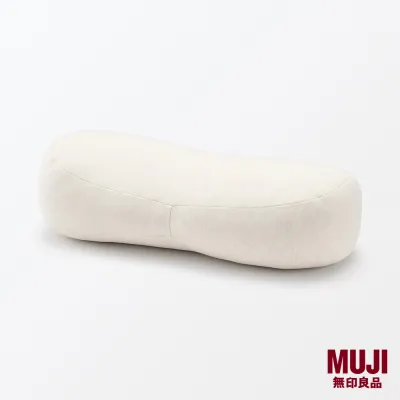
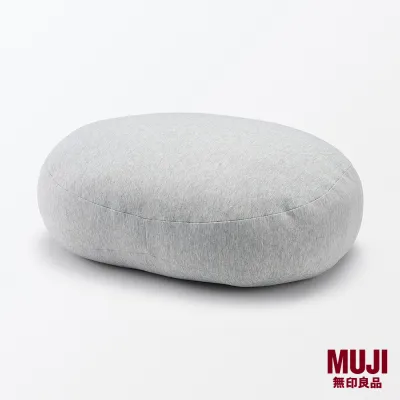
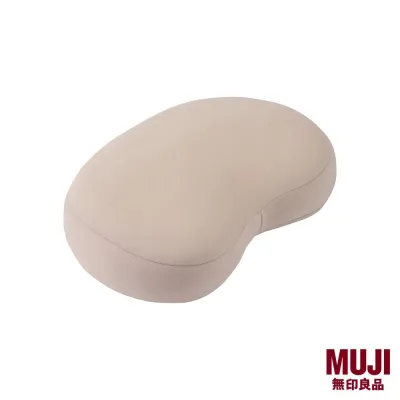
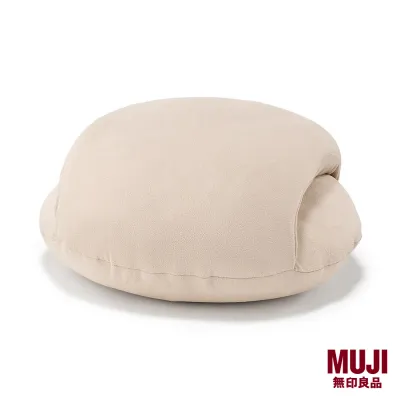
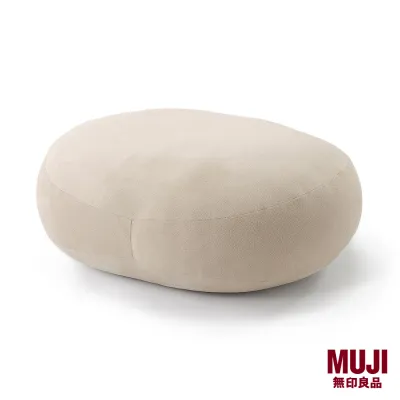
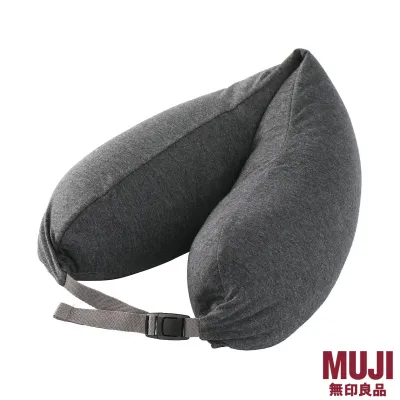
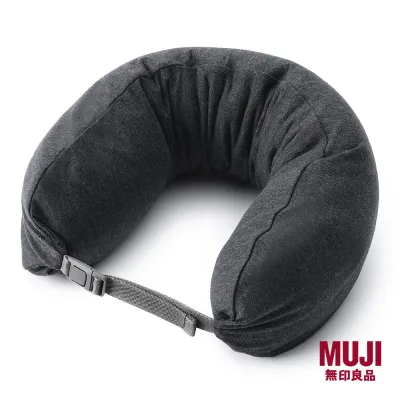
Prices are valid at publication and may change. Please refer to the product page for the latest price.

On the other hand, many alternative cushion brands rely on synthetic materials such as polyester velvet, acrylic knits, or heavy jacquard fabrics. While these synthetics offer excellent stain resistance and can be dyed in vibrant colors, they do not match the breathability of natural fibers. Some specialized ergonomic brands also incorporate synthetic fills like high-density memory foam or cooling gel-infused polyurethane. These materials are excellent for pressure relief but can sometimes trap body heat, making them feel warm over time.
In Singapore’s tropical climate, where high humidity and warm temperatures are constant, the breathability of your cushion is a crucial consideration for home comfort. Natural fibers like cotton and linen naturally wick moisture away from the skin and allow air to circulate freely, keeping the cushion cool even in non-air-conditioned spaces. Synthetic covers, particularly dense velvets or thick polyesters, can trap perspiration and heat, leading to a clammy feel during long lounging sessions.
When shopping, it is essential to verify the exact material composition by checking the product care labels and specifications. Look for the percentage of natural versus synthetic fibers in the cover. For instance, a cover labeled as 100% organic cotton will offer superior breathability compared to a 50/50 cotton-polyester blend. Additionally, verify the filling type: natural feather fills offer excellent loft and can be fluffed repeatedly, while synthetic microfibers are hypoallergenic and easy to care for but may compress more quickly over years of use.
Comfort and Support: Firmness, Loft, and Ergonomics
MUJI's Approach to Cushion Support
MUJI cushions are engineered with a focus on relaxed, casual comfort rather than rigid structural alignment. The brand’s popular multi-purpose cushions and feather-filled inserts offer a soft, low-resistance feel that allows you to sink into them. This high pliability makes them incredibly versatile; you can easily mold them to support your head while lying down, prop up your knees, or use them as soft floor seating in a cozy corner of your home.
Because these cushions lack high-density foam cores or internal framing, they do not provide stiff resistance. Instead, they conform gently to your body shape, distributing weight evenly across a soft surface. While this is exceptionally comfortable for short-term lounging, reading, or casual relaxation, it may not offer enough resistance for individuals who require firm, upright support to maintain proper posture over several hours.
Alternative Brands and Specialized Support
For those who require targeted physical support, alternative brands offering specialized ergonomic cushions are often a more suitable choice. Many of these brands design cushions specifically for lumbar support, utilizing high-density memory foam or contoured polyurethane shapes. These materials react to body heat and pressure, molding to the natural curve of your spine to reduce strain on the lower back during long hours of sitting at a desk or on a deep sofa.
Other alternative options include cushions filled with high-density polyester clusters or pocketed spring systems, which maintain a consistent loft and firmness even under heavy, continuous use. When deciding on the right level of firmness and loft, consider your primary activities. If you need a cushion to support your lower back while working from home or sitting on a deep sofa, a firm, contoured ergonomic cushion is ideal. Conversely, if you want a soft, highly compressible cushion for decorative layering, casual floor lounging, or hugging while sleeping, a pliable option like MUJI’s feather or soft fiberfill cushions is the superior choice.
Durability and Long-Term Value: Cover Wear and Filling Retention
Evaluating the long-term value of a cushion requires looking beyond the initial purchase price to consider how well the materials withstand daily wear, washing, and compression. Natural fabric covers, such as those made from cotton or linen, are highly durable in terms of fiber strength but are prone to natural wrinkling, minor shrinkage, and gradual color fading over years of washing. However, they develop a softer, more comfortable texture over time. Synthetic covers are highly resistant to wrinkling and fading, but they are more susceptible to pilling—the formation of tiny fiber balls on the surface—especially in areas of high friction.
Filling retention is another critical factor in determining a cushion’s lifespan. Over time, constant pressure causes cushion fillings to compress. Polyester fiberfill can clump or lose its loft after prolonged use, resulting in a flat, uneven cushion. Natural feather fillings maintain their loft much longer because they can be easily fluffed back to their original shape, though they may occasionally shed small feathers. Solid memory foam inserts hold their shape exceptionally well over several years but cannot be fluffed or adjusted once the foam eventually begins to degrade or soften.
To maximize the lifespan of your cushions, proper maintenance is essential. Always consult the care label on both the cover and the insert for specific washing instructions. For natural fiber covers, washing in cold water on a gentle cycle and air-drying in the shade helps prevent shrinkage and preserves the integrity of the fibers. Using a separate, breathable inner cushion protector can guard the insert against sweat, body oils, and accidental spills—a particularly useful step in Singapore’s humid climate where moisture can easily seep into fillings. Regularly fluffing and shaking out feather or fiber-filled cushions helps redistribute the fill and restore their original loft.
When assessing value, calculate the cost-per-use. A budget-friendly synthetic cushion may seem economical initially, but if it flattens within six months and cannot be revived, it will need frequent replacement. A high-quality cushion with a durable, washable cover and a fluffable natural feather or high-resilience foam insert represents a higher upfront investment but offers superior comfort and appearance for years, delivering better long-term value.
Decision Framework: When to Choose MUJI vs Alternatives
To determine whether a MUJI cushion or an alternative brand is the right addition to your home, consider your specific comfort needs, aesthetic preferences, and maintenance habits.
Choose MUJI if:
- You prefer natural textures: You value the soft, breathable, and skin-friendly feel of organic cotton, linen, and natural feather fills.
- Your home has a minimalist aesthetic: You want understated, neutral-toned cushions that seamlessly complement Japandi, Scandinavian, or modern minimalist interior designs.
- You want versatile, soft comfort: You need a flexible, pliable cushion for casual lounging, floor seating, or hugging rather than rigid, upright support.
Choose Alternative Brands if:
- You require ergonomic support: You need firm, contoured lumbar or neck support to maintain proper spinal alignment while working or sitting for long periods.
- You want bold, decorative designs: You prefer vibrant colors, intricate patterns, or luxury textures like velvet and chenille to create a focal point in your living room.
- You need specialized performance: You require outdoor-grade, water-resistant fabrics or advanced cooling gel-infused materials to combat heat.
Verify first if:
- You have material sensitivities: Always check the product label to ensure the inner filling is hypoallergenic (such as synthetic microfiber) if you are sensitive to natural down or feathers.
- You have specific washing preferences: Verify whether the cover is machine-washable or dry-clean only to ensure it fits into your regular cleaning routine without risk of damage.
Frequently Asked Questions (FAQ)
Can I wash MUJI cushion covers in a washing machine?
Yes, many MUJI cushion covers can be washed in a washing machine, but you must always check the specific care label attached to the inside of the cover first. Covers made from 100% organic cotton or cotton blends are typically machine-washable. To preserve the fabric’s natural texture and prevent shrinkage, wash them on a gentle cycle using cold water and a mild detergent. Avoid using bleach or harsh fabric softeners. For covers made from delicate materials like 100% linen, hand washing or using a dedicated wool/delicate cycle is recommended. Always line dry the covers in a shaded, well-ventilated area rather than using a tumble dryer, as high heat can warp or shrink natural fibers.
Do MUJI cushions come with the inner filling included?
MUJI product lines vary, so it is common for cushion covers and inner cushion pads (inserts) to be sold separately. This modular approach allows you to choose your preferred cover material—such as linen or cotton—and pair it with your choice of filling, whether you prefer a plush feather insert or a hypoallergenic polyester fiberfill insert. Selling them separately also makes it easier to wash or replace the cover without needing to buy a whole new cushion. When shopping online or in-store, carefully read the product description and packaging labels to confirm whether you are purchasing a complete, ready-to-use cushion or just the individual cover or insert.
Community discussion
Share your experience or ask a question. Comments are reviewed before publication.