
When styling a living space or setting up a comfortable home office, choosing a muji cushion or opting for another brand is a decision that directly impacts your daily comfort and home aesthetic. In Singapore, where home spaces range from cozy HDB flats to spacious condominiums, finding the right balance of comfort, durability, and cost-effectiveness is essential.
Whether a MUJI cushion offers better value for money than its competitors depends entirely on your personal comfort preferences, your home’s interior design, and your physical support needs. MUJI cushions are highly regarded for their minimalist aesthetic, natural fabric covers, and soft, body-conforming fills that excel in casual lounging environments. However, if your priority is firm ergonomic support, bold decorative patterns, or a highly budget-friendly price point, other home and lifestyle brands in Singapore may offer superior value for your specific situation.
To determine which option deserves a place on your sofa, bed, or floor, it is helpful to look beyond brand reputation. Evaluating cushions based on material composition, ergonomic design, performance in tropical climates, and long-term durability will help you make an informed investment for your home.
Products mentioned in this guide
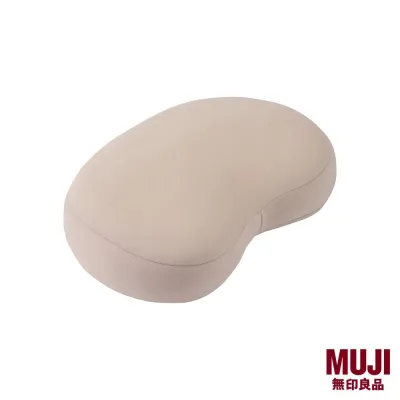
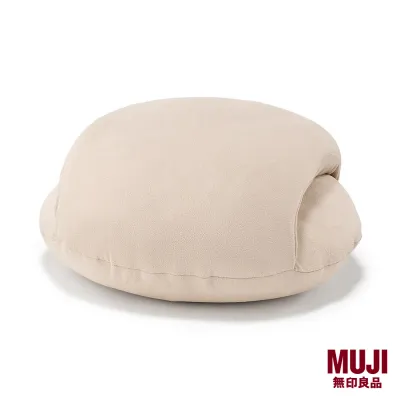
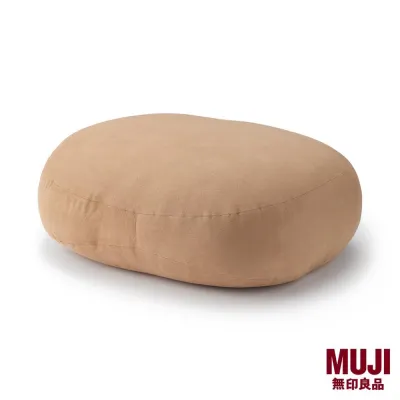
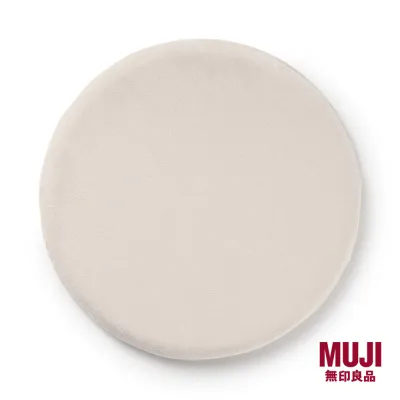
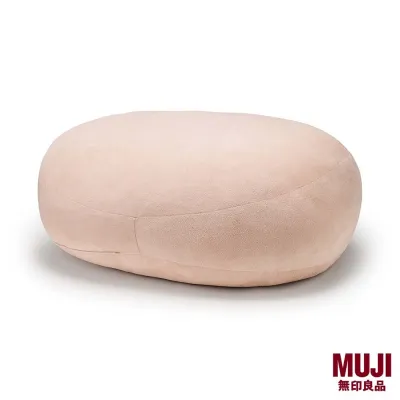
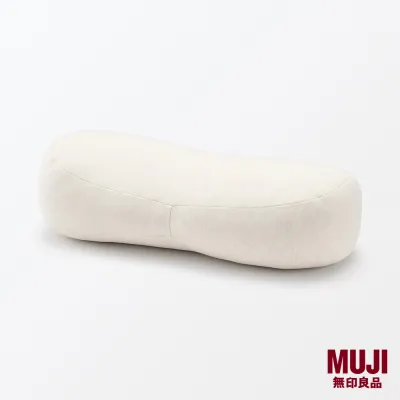
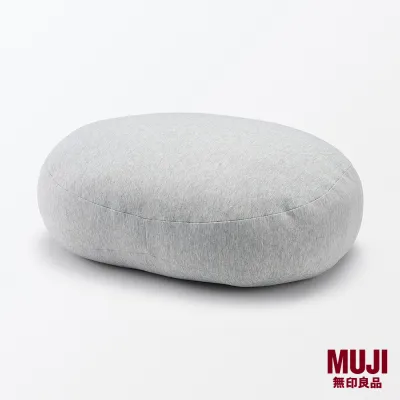
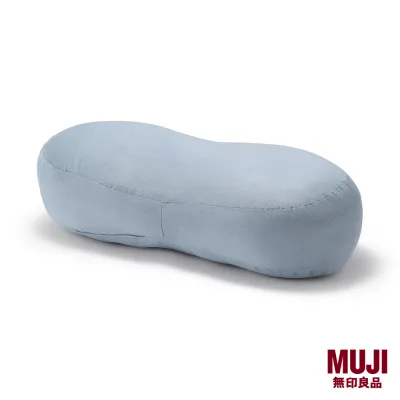
Prices are valid at publication and may change. Please refer to the product page for the latest price.
What Defines "Value" in a Cushion?
Before comparing specific brands, it is important to establish what makes a cushion a high-value purchase. A cushion is not merely a decorative accessory; it is a functional item that subjected to daily physical pressure, body heat, and environmental moisture. True value is determined by three core pillars: comfort, material quality, and long-term cost-effectiveness.
Comfort is the primary function of any cushion, defined by its fill type, loft, and support level. Loft refers to the cushion’s thickness and ability to spring back after use, while support determines how well the cushion holds your body weight without bottoming out. A cushion that flattens within a few weeks of purchase offers poor value, regardless of how inexpensive it was initially.
Quality is found in the construction details. This includes the durability of the stitching, the strength of the zippers, and the resilience of the cover fabric. In a tropical climate like Singapore, quality also means breathability and washability. Fabrics that trap heat or cannot be easily cleaned quickly become impractical.
Price must be weighed against the expected lifespan of the product. A premium cushion that maintains its shape and appearance for several years often represents better value than a budget cushion that requires replacement every few months. To assess these factors accurately, always check the physical product labels or detailed online specifications for exact material blends and care instructions, as these details vary significantly by model rather than just the brand name.
Comfort and Ergonomics: How the Feel Compares
The physical sensation of sitting on or leaning against a cushion is highly subjective, but it is directly influenced by the engineering of the interior fill and the exterior cover.

MUJI's Approach to Comfort
MUJI has built a distinct reputation around a relaxed, low-profile lounging experience. The brand’s cushion lineup typically features soft, highly breathable covers made from natural fibers like organic cotton and linen blends. Underneath the cover, MUJI generally utilizes standard polyester fiberfill, down-alternative fills, or, in the case of their famous body fit cushions, high-density polystyrene micro-beads.
This material selection results in a cushion that conforms closely to the shape of your body, offering a soft, cloud-like sink-in feel. It is an approach designed for casual relaxation, floor seating, and lounging while reading or watching television. The natural fabrics feel cool and gentle against the skin, which is particularly pleasant during warm afternoons.
However, this focus on softness means that standard MUJI cushions do not offer highly structured support. If you require a cushion to keep your spine aligned while working at a desk, or if you struggle with lower back discomfort, a standard soft insert may not provide sufficient resistance. When browsing, it is wise to check the specific fill density and weight listed on the product tag, as some models are intentionally designed to be softer and more yielding than others.
Competitor Approaches to Support
In contrast, other lifestyle and home goods brands available in Singapore often cater to users who require firmer, more structured support. Many Scandinavian-inspired furniture chains, local home decor brands, and specialized ergonomic companies focus heavily on polyurethane foam, memory foam, or highly resilient polyester fiberfill.
These competitor options are frequently engineered with specific physical tasks in mind. For example, you can easily find dedicated lumbar support cushions, contoured neck rolls, and high-density foam seat wedges designed to promote active sitting posture. Memory foam inserts contour to the body using body heat but provide a firm, supportive base that prevents you from sinking completely through to the hard framework of a chair.
If you spend long hours sitting at a home office desk, or if you prefer a firm backrest while sitting on a deep sofa, these structured competitor options often deliver better functional value. They prioritize skeletal alignment and pressure relief over a soft, casual lounge feel, making them a more practical choice for daily productivity and physical wellness.
Material Quality and Maintenance in a Humid Climate
Singapore’s tropical climate, characterized by high humidity and consistent warmth, presents unique challenges for home textiles. Cushions can easily trap moisture, leading to flattening, musty odors, and the growth of mold or dust mites if the materials are not carefully chosen and maintained.
Fabric Choices and Aesthetics
MUJI’s design philosophy centers on minimalist, understated aesthetics. They prioritize natural, unbleached, or lightly dyed fabrics such as cotton canvas, linen, and denim. These textiles offer a highly tactile, organic feel that complements modern, neutral, or Japanese-style interiors. They allow air to circulate freely, reducing heat buildup when you lean against them.
However, natural fabrics have practical trade-offs. Untreated cotton and linen wrinkle easily and are highly absorbent, meaning they can absorb sweat, body oils, and accidental spills quickly. They generally do not feature stain-resistant coatings, making them more vulnerable to permanent staining in households with young children or pets.
Many competitor brands address these practical concerns by utilizing high-durability synthetic fabrics, performance polyesters, or treated canvas. These materials are often engineered to resist water and stains, allowing you to wipe away spills before they soak into the cushion fill. Some brands also offer decorative options like heavy velvets, intricate jacquards, or textured weaves that add bold color and visual interest to a room. While these synthetic options may not offer the same organic feel as MUJI’s natural textiles, they often provide superior durability and ease of maintenance in high-traffic households.
Fill Retention and Washability
How a cushion’s interior fill reacts to moisture and pressure over time determines its ultimate lifespan. Standard polyester fiberfill, which is common in budget cushions, tends to clump and flatten when exposed to humidity and repeated compression. Micro-beads, while highly conforming, can gradually lose their elasticity over years of heavy use, causing the cushion to feel less full.
To maintain hygiene and loft in a humid environment, regular cleaning is essential. Before purchasing any cushion, verify whether the cover is removable and if the insert itself is machine washable. Many MUJI cushions feature zippered, removable covers that can be easily laundered, but the inner inserts often require spot cleaning or professional care.
When washing cushion components, proper drying is the most critical step to prevent mold and musty smells. If the manufacturer’s care label permits, tumble dry the insert on a low heat setting to ensure the center is completely free of moisture. For items that cannot be tumble dried, dry them in a well-ventilated, shaded area with plenty of air circulation. Avoid leaving damp cushions in closed, humid rooms. If a competitor’s cushion requires dry cleaning only, keep in mind that this will add to the long-term maintenance costs and effort required to keep the cushion fresh.
Pricing Tiers and Long-Term Cost-Effectiveness of a MUJI Cushion
When evaluating value for money, it is helpful to look at cushions through the lens of “cost per use” rather than simply comparing the initial price tag. In Singapore, home decor brands generally fall into three distinct pricing tiers:
- Budget-Friendly Fast-Home Brands: These brands offer very low initial prices. The cushions often come as a single, sealed unit where the cover cannot be removed. While highly accessible, they frequently use lower-grade polyester fill that flattens quickly, and the entire cushion must be discarded if it becomes stained or loses its shape.
- Mid-Range Lifestyle Brands (including MUJI): This tier represents a moderate initial investment. Brands in this category typically sell covers and inserts separately. This modular approach offers excellent long-term value: if a cover becomes stained or you wish to change your decor, you only need to replace the cover, preserving the inner insert. The materials used, such as organic cotton and down-alternative fills, are chosen for safety, comfort, and moderate longevity.
- Premium and Specialized Ergonomic Brands: These products carry a higher upfront cost but utilize technical materials like high-density memory foam or medical-grade gels. They are built to withstand years of heavy daily use without losing their shape or supportive properties, making them highly cost-effective for users with specific physical needs.
Paying a premium for a mid-range lifestyle brand like MUJI is often justified if you appreciate certified organic materials, consistent manufacturing quality, and a cohesive, minimalist design language that coordinates effortlessly across different rooms. However, if you simply need a basic, durable cushion for a low-use guest room, a budget brand may be more practical. To ensure you receive genuine materials and are protected by clear return policies, always purchase your cushions from official brand stores or authorized home goods retailers.
Final Verdict: Which Brand Should You Choose?
To make the best decision for your home, consider how your daily habits, aesthetic preferences, and physical needs align with what each brand does best.
- Choose MUJI if: You prefer a soft, relaxed, body-conforming feel for casual lounging or floor seating. You appreciate minimalist, neutral aesthetics and highly value natural, breathable fabrics like organic cotton and linen that feel pleasant against the skin in warm weather.
- Choose other lifestyle/home brands if: You require firm, structured ergonomic support for long hours of sitting, need highly durable or stain-resistant fabrics to handle pets and children, or want bold, colorful patterns to serve as visual accents in your living space.
- Verify first if: You have specific respiratory allergies or skin sensitivities, in which case you must carefully verify the hypoallergenic properties of the fill materials. Always check the care labels before purchasing to ensure the washing and drying requirements fit your household routine.
Frequently Asked Questions (FAQ)
How do I prevent cushions from going flat in a humid climate?
To maintain the loft of your cushions in Singapore’s humid climate, fluff them regularly by shaking and patting them from opposite sides to redistribute the fill. Avoid exposing them to direct, intense sunlight for extended periods, as UV rays can degrade synthetic fibers and cause natural fabrics to fade. Ensure your living spaces are well-ventilated, and use a dehumidifier or air conditioning periodically to reduce moisture buildup in the air. Always follow the manufacturer’s specific care instructions for washing and drying to prevent the inner fibers from clumping.
Are cushion covers sold separately from the inserts?
Whether covers and inserts are sold separately depends entirely on the specific brand and product line. Many mid-range lifestyle brands, including MUJI, offer separate covers and inserts, allowing you to mix, match, and wash them easily. Many budget-friendly options, however, are sold as fully sealed, single units. Before making a purchase, read the product description carefully or ask in-store staff to confirm what is included, and double-check the dimensions to ensure compatibility if you plan to pair a cover from one brand with an insert from another.
Community discussion
Share your experience or ask a question. Comments are reviewed before publication.