
Quick Answer: What Defines the "Best" Mushroom Lamp Brand?
The iconic mushroom lamp, defined by its domed shade and organic silhouette, has transitioned from a mid-century design statement into a staple of modern interior lighting. When evaluating which brand offers the best build quality and lighting performance, there is no singular, universal winner. Instead, the ideal choice is determined by how a manufacturer balances historical craftsmanship with contemporary optical engineering. Heritage design houses focus heavily on material authenticity, utilizing hand-blown glass and heavy metals to create sculptural art pieces that emit a warm, ambient glow. Conversely, modern lighting brands prioritize high-efficiency, integrated LEDs, continuous dimming capabilities, and impact-resistant materials that withstand daily household use.
Understanding this fundamental divide is essential before making an investment. A premium hand-blown glass lamp provides unparalleled visual depth and texture but is inherently fragile and often limited to static, low-lumen decorative lighting. On the other hand, contemporary minimalist brands offer highly functional, portable, and durable designs that excel as task lights but may lack the collectible, artistic value of their artisanal counterparts. By analyzing the physical construction, material longevity, and optical performance of these competing design philosophies, you can identify the specific brand profile that aligns with your aesthetic preferences, spatial requirements, and functional needs.
How to Evaluate Mushroom Lamp Build Quality and Materials
Glass and Crystal vs. Polycarbonate and Resin
The material composition of the dome is the most significant factor influencing both the aesthetic appeal and the long-term durability of a mushroom lamp. Hand-blown glass and lead-free crystal represent the pinnacle of traditional craftsmanship. These materials offer a substantial physical weight, a smooth, non-porous surface, and a unique capacity for light refraction. When illuminated, high-quality glass diffuses light evenly across its surface, eliminating harsh glares and creating a soft, organic glow. However, glass is highly susceptible to chipping, cracking, and shattering, particularly during cleaning or if placed on unstable surfaces.
Products mentioned in this guide
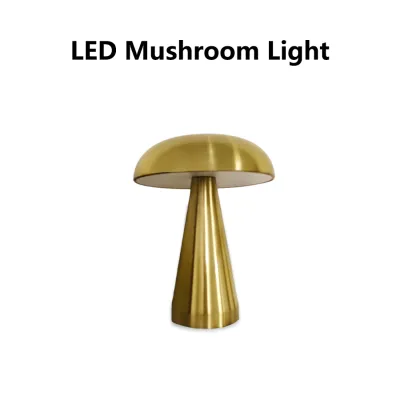
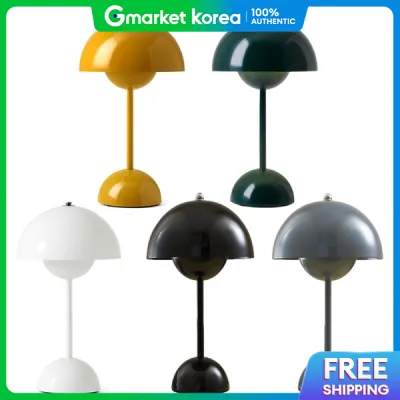
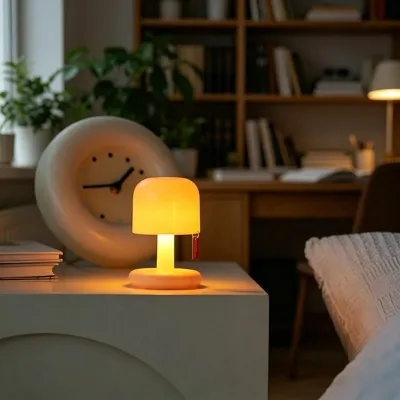
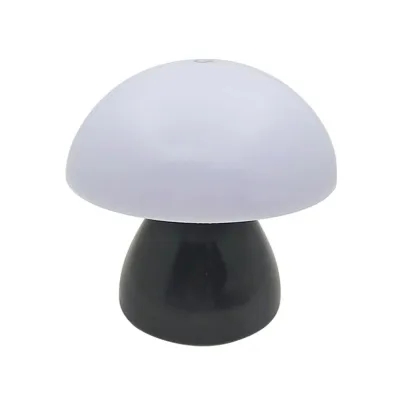
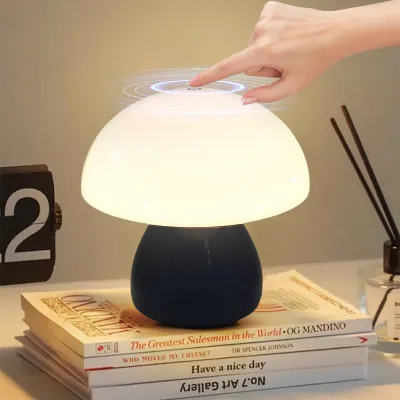
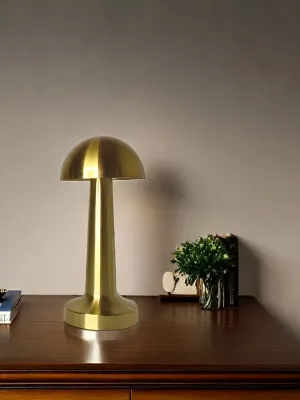
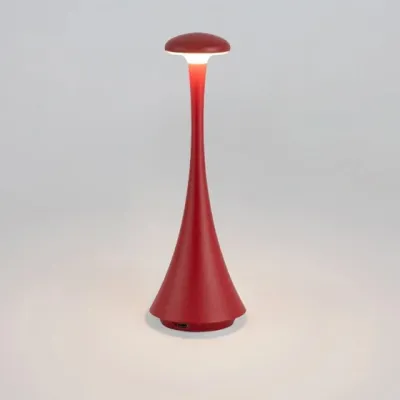
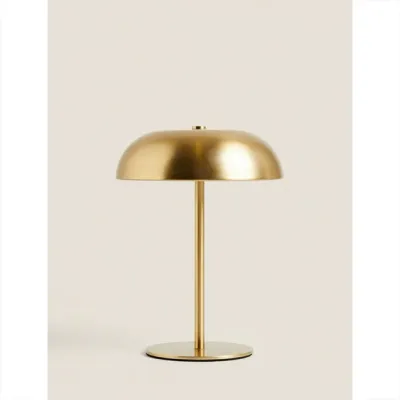
Prices are valid at publication and may change. Please refer to the product page for the latest price.

To contrast, modern manufacturers increasingly turn to high-grade polymers such as polycarbonate, polymethyl methacrylate (PMMA or acrylic), and ABS resin. These materials are exceptionally lightweight and virtually shatterproof, making them highly suitable for high-traffic areas, bedside tables, or homes with young children and pets. Despite these practical benefits, low-quality plastics can degrade when exposed to heat and ultraviolet (UV) light, leading to yellowing, brittleness, and a dull surface finish over time. When evaluating polymer-based brands, it is critical to verify if the manufacturer uses UV-stabilized resins and high-grade PMMA that resist discoloration.
To assess build quality during a physical inspection, examine the dome for manufacturing imperfections. For glass models, look for consistent wall thickness; uneven glass can cause distorted light patterns and create structural weak points. For plastic and resin lamps, check the perimeter of the dome for prominent seam lines, injection mold marks, or rough edges, which are indicators of cheap manufacturing processes. A premium polymer lamp should feature a seamless, uniform surface that closely mimics the flawless finish of satin or frosted glass.
Base Stability, Stem Construction, and Hardware
A mushroom lamp’s structural integrity relies heavily on its lower half. Because the classic dome shape is naturally top-heavy, a well-engineered base is crucial to prevent accidental tipping. High-quality brands address this physical challenge by incorporating heavy internal counterweights—often made of cast iron or dense steel plates—hidden within the outer base cover. When comparing lamps, lift the unit to assess its center of gravity; a quality lamp should feel noticeably bottom-heavy, ensuring it remains stable even when placed on soft or slightly uneven surfaces.
The stem, which connects the heavy base to the wide dome, must be constructed from robust materials to prevent wobbling or warping over time. Look for solid metal internal supports, such as machined aluminum, brass, or structural steel, rather than thin, hollow plastic tubes. Pay close attention to the joint where the stem meets the dome. This connection point is subjected to continuous stress whenever the lamp is moved or adjusted. Premium brands utilize threaded metal collars, secure silicone gaskets, or integrated locking mechanisms to ensure a rigid, wobble-free connection, whereas lower-tier brands often rely on simple friction fits or cheap plastic threads that strip easily.
Finally, evaluate the tactile quality of the hardware and electrical components. The power switch or dimmer knob should provide clean, tactile feedback without sticking or feeling loose. Examine the power cord: a thick, fabric-wrapped or high-durability PVC cord with integrated strain relief at the base entry point indicates a commitment to electrical safety and longevity. For cordless, rechargeable models, inspect the charging port—USB-C has become the modern standard—and ensure it is securely mounted within the frame to prevent it from sinking into the body after repeated plug-in cycles.
Comparing Lighting Performance: Diffusion, Brightness, and Glare
Light Diffusion and Glare Control
The optical performance of a mushroom lamp is defined by its unique silhouette. The curved dome acts as a natural reflector, directing a concentrated pool of light downward onto the surface below, while the translucent or semi-opaque edges of the shade allow a softer, ambient glow to escape horizontally and upward. This dual-action lighting makes the mushroom form factor highly versatile, but it also presents engineering challenges regarding glare control. Without proper diffusion, the light source inside the dome can create harsh, blinding glare when viewed from a seated or lying position.
To mitigate this, reputable lighting brands employ sophisticated diffusion techniques. Many incorporate an internal, secondary diffuser—often a frosted glass cup or a milky polycarbonate sleeve—that sits directly over the bulb or LED array. This secondary barrier scatters the light rays before they reach the outer dome, ensuring a completely uniform distribution of light free from distracting hotspots. When evaluating a brand, check if the interior of the dome features a matte, sandblasted, or acid-etched finish, as these treatments are highly effective at softening light output.
For lamps that feature completely clear or tinted transparent glass domes, the choice of light bulb becomes the primary driver of visual comfort. Standard clear LED bulbs in a transparent dome will project sharp, uncomfortable shadows and cause intense glare. Brands that design transparent mushroom lamps should explicitly recommend, or supply, frosted globe bulbs, crown-silvered bulbs (which reflect light back up into the dome), or low-lumen decorative filament bulbs. This ensures the aesthetic appeal of the transparent design is not compromised by poor visual ergonomics.
Brightness, Dimming, and Color Rendering
Evaluating lighting performance requires looking beyond aesthetics to analyze technical optical metrics. The first consideration is lumen output, which measures the total amount of visible light emitted. Brands designed primarily for bedside ambiance or decorative accent lighting typically cap their output at 150 to 300 lumens, providing a soft, relaxing glow. Conversely, multi-purpose or desk-focused mushroom lamps require higher outputs of 500 lumens or more to deliver adequate illumination for reading, writing, or detailed tasks.
A high-quality dimming mechanism is essential for transitioning a lamp between these different use cases. Look for brands that offer smooth, continuous dimming (0% to 100%) rather than restrictive step-dimming (e.g., low, medium, high). Continuous dimming allows you to fine-tune the illumination to match your precise comfort level. Furthermore, test the lamp at its lowest dimming levels; inferior electronic drivers often produce a high-frequency flicker or an audible buzzing sound when dimmed, which can cause eye strain and headaches over extended periods. High-quality brands utilize advanced flicker-free drivers and pulse-width modulation (PWM) technology to ensure silent, stable light output across the entire dimming spectrum.
Color quality is another critical performance metric, defined by the Color Rendering Index (CRI) and color temperature. CRI measures how accurately a light source reveals the true colors of objects compared to natural daylight. For living spaces and bedrooms, select brands that guarantee a high CRI of 90 or above, which prevents colors from looking washed out or gray. Color temperature, measured in Kelvin (K), dictates the warmth of the light. While a fixed, ultra-warm temperature of 2200K to 2700K is ideal for creating a cozy evening atmosphere, brands that offer adjustable color temperatures (ranging from 2700K warm white to 4000K cool white) provide greater functional flexibility, allowing you to switch to a cooler, more stimulating light during daytime work hours.
Design Profiles: Matching Aesthetics to Your Space and Lifestyle
The visual profile of a mushroom lamp must harmonize with both your interior decor and the practical realities of your living environment. Design approaches generally fall into two distinct categories: minimalist modern and vintage sculptural. Minimalist modern designs feature clean, geometric lines, matte or brushed metallic finishes, and highly compact footprints. These lamps are engineered to blend seamlessly into contemporary, Scandinavian, or industrial interiors, offering a subtle, functional accent without dominating the visual landscape. Their compact bases make them exceptionally well-suited for smaller surfaces, such as narrow console tables, floating shelves, or crowded writing desks.
In contrast, vintage-inspired and sculptural designs embrace bold colors, glossy hand-blown glass, and larger, more dramatic proportions. These lamps are intended to serve as focal points in a room, drawing the eye even when turned off. However, their larger spatial footprint requires careful measurement before purchase. A wide dome can easily overhang a narrow bedside table, creating a physical hazard where it can be easily bumped or knocked over. Always measure both the base diameter and the maximum dome width to ensure the lamp sits securely within the boundaries of your furniture.
Practical maintenance is another crucial factor, particularly in tropical climates like Singapore’s. Open-bottom glass domes are prone to collecting dust, pet hair, and small insects attracted to the light source. Cleaning the interior of a deep, narrow dome can be exceptionally difficult if the glass cannot be easily detached from the base. When comparing brands, look for designs that feature easily removable shades or completely sealed LED modules. Sealed designs prevent dust and moisture from entering the optical chamber entirely, significantly reducing the frequency of cleaning and protecting the internal electronics from the humid tropical air.
Decision Framework: Which Mushroom Lamp Profile Fits You?
To select the ideal mushroom lamp brand, align your specific household environment, aesthetic preferences, and functional requirements with the following distinct product profiles.
Choose Heritage and Artisanal Glass Brands if:
- You view lighting as a long-term investment in art, prioritizing unique craftsmanship, hand-blown glass, and collectible design value.
- The lamp will be placed in low-traffic, formal spaces such as a living room credenza, an executive study, or a dedicated reading nook where it is safe from accidental impacts.
- Your primary goal is to create a rich, warm, and highly atmospheric ambient glow rather than intense task illumination.
- You are willing to perform regular, careful maintenance and handle fragile materials with high care.
Choose Modern LED and Smart Brands if:
- You require a highly functional, multi-purpose light source that transitions seamlessly from focused workspace lighting to low-light evening relaxation.
- You value advanced technical features, such as smooth continuous dimming, adjustable color temperatures (CCT), smart home automation, or cordless portability.
- You want a highly energy-efficient fixture with a long operational lifespan that eliminates the need for frequent bulb replacements.
- The lamp will be integrated into a modern, tech-forward home ecosystem where convenience and precise optical control are paramount.
Choose Durable Resin and Metal Brands if:
- The lamp will be positioned in active, high-traffic areas of the home, such as busy entryways, family rooms, children's bedrooms, or bedside tables.
- You have pets (especially cats or active dogs) or young children, making shatter-resistant materials like polycarbonate, PMMA, or powder-coated aluminum a safety necessity.
- You have limited surface space and require a lightweight, compact fixture that can be easily moved or repositioned without risk of damage.
- You prefer a low-maintenance design that is highly resistant to dust, fingerprints, and accidental knocks.
Verify critical specifications before purchasing: Before finalizing your purchase, especially when ordering from international design brands or online marketplaces, you must verify local electrical compatibility. Singapore operates on a 230V AC, 50Hz electrical grid. Ensure the lamp is rated for this voltage; importing a 110V-only model designed for other regions will cause immediate electrical failure and pose a severe fire hazard unless used with an appropriate step-down transformer. Additionally, check that the power supply unit features a Type G three-pin plug or is powered via a standard USB interface. For safety and peace of mind, verify if the power adapter or the fixture itself carries the Enterprise Singapore Safety Mark, which certifies that the product has been tested and approved for safe domestic use. Finally, check the manufacturer’s warranty terms and confirm whether local customer support or replacement parts (such as replacement glass domes or power cords) are accessible in your region.
Frequently Asked Questions (FAQ)
How do I clean the inside of a glass mushroom lamp shade?
To clean the interior of a glass mushroom lamp safely, first turn off the power, unplug the cord from the wall outlet, and allow the bulb and shade to cool completely. If the design allows, carefully remove the glass dome according to the manufacturer’s instructions. Use a dry, clean microfiber cloth or a soft-bristled static duster to gently sweep away accumulated dust, cobwebs, or insects from the interior surface. For stubborn smudges, lightly dampen the microfiber cloth with water or a mild, pH-neutral glass cleaner; never spray liquids directly onto the lamp or inside the dome where electrical sockets are exposed. Avoid harsh chemical solvents, abrasive scrubbing pads, or excessive moisture, which can strip protective coatings or damage internal wiring. Always consult the manufacturer’s specific care label before applying any cleaning agents.
Can I replace the bulb in a sealed LED mushroom lamp?
The repairability of a mushroom lamp depends entirely on whether it utilizes a standard socket or an integrated LED module. Standard socket designs (typically accommodating E14 or E27 screw-base bulbs) allow you to easily swap out bulbs when they burn out or when you wish to change the brightness or color temperature. In contrast, integrated LED mushroom lamps feature light-emitting diodes soldered directly onto an internal circuit board. While integrated designs offer superior heat dissipation, a slimmer profile, and optimized optical diffusion, the light source cannot be replaced by the user. These integrated modules are engineered for extreme longevity, often rated for 25,000 to 50,000 hours of use. Before purchasing an integrated model, verify the manufacturer’s rated lifespan and check if they offer repair services or a comprehensive warranty that covers LED driver or module failure.
Are mushroom lamps suitable for task lighting like reading?
Mushroom lamps are highly effective at creating a localized pool of downward light, making them suitable for casual reading on a bedside table or a lounge chair side table. However, their suitability for intensive, detailed task work depends on the specific optical design of the brand. Because the wide, curved dome is engineered to diffuse and scatter light to create soft ambiance, it may not provide the highly focused, high-contrast, and adjustable beam required for prolonged study, drafting, or detailed crafting. If your primary goal is dedicated task lighting, look for mushroom lamps that feature high-lumen outputs, adjustable heads, or specialized internal reflectors that maximize downward light projection, or consider pairing a decorative mushroom lamp with a dedicated, adjustable task light.
Community discussion
Share your experience or ask a question. Comments are reviewed before publication.