
Choosing the right swaddle blanket material is one of the first practical decisions you will face as a parent. There is no single universal material that outperforms all others in every scenario; instead, the most suitable option depends on your specific indoor climate, your baby’s unique temperature regulation, and how you prefer to wash and care for your textiles. Muslin, bamboo-derived viscose, and cotton each offer distinct physical structures that alter how they retain heat, stretch, and wear over time.
By understanding the structural differences between these fabrics, you can look past marketing claims and evaluate swaddles based on observable physical traits. This guide breaks down the characteristics of each material, provides a framework for matching them to your home environment, and outlines essential safety and care checks to keep your newborn comfortable and secure.
Quick Decision Framework for Swaddle Fabrics
When selecting a swaddle, you can quickly narrow down your options by matching the fabric’s physical structure to your primary daily use case. Muslin is highly suited for warm, humid environments or daytime naps due to its open, plain-weave structure that allows maximum airflow. Bamboo-derived viscose offers an exceptionally smooth, cool-to-the-touch texture that is ideal for babies with highly sensitive skin or for use in moderately warm rooms. Standard cotton, particularly in jersey or interlock knits, provides excellent durability, a reassuring weight, and consistent warmth for air-conditioned spaces.
Products mentioned in this guide
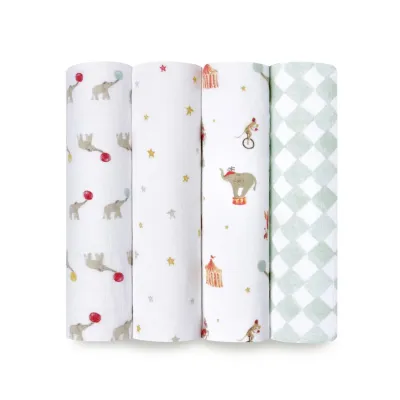
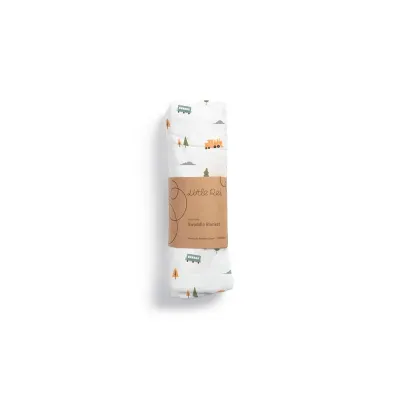
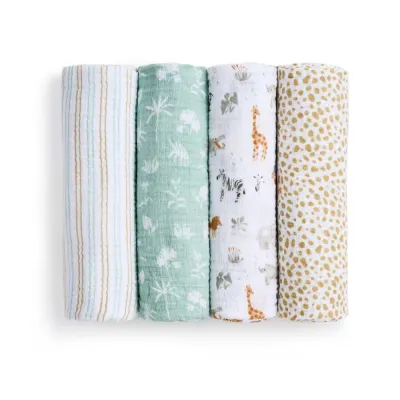
![[LIL BUBBA] SWADDLE CLOTH BAMBOO COTTON LARGE SIZE 110 120cm](https://img.lazcdn.com/g/ff/kf/Se4f5cbd98ab94c0cbeabbb5c581ec3d1r.jpg_400x400q80.jpg_.webp)
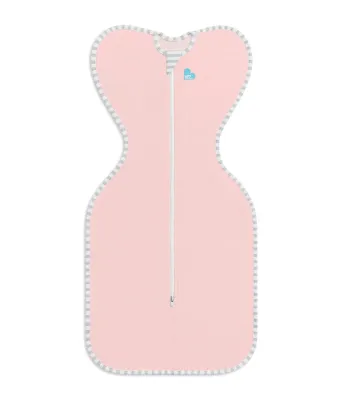
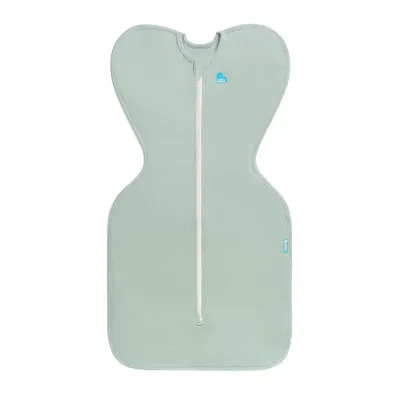
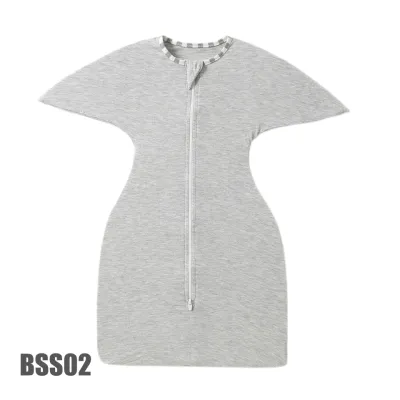
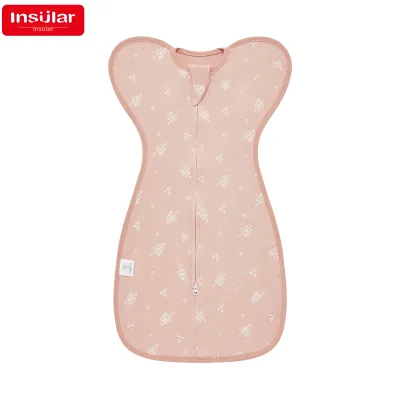
Prices are valid at publication and may change. Please refer to the product page for the latest price.
Before making a purchase, always check the manufacturer’s care label for the exact fabric composition. Many products marketed as “bamboo” or “cotton” are actually synthetic blends, which can significantly alter how the fabric breathes and stretches. Look for clear fiber percentages (such as 100% cotton or a 70% bamboo viscose and 30% cotton blend) and review the washing instructions to ensure they fit your household routine.
Ultimately, your baby’s individual comfort signals and the actual temperature of your nursery should guide your final choice. A fabric that works perfectly in a naturally ventilated room may not provide enough warmth in a heavily air-conditioned space, and vice versa. Monitoring how your baby reacts to different materials is the most reliable way to find the perfect match.
Understanding Muslin, Bamboo, and Cotton Properties
Muslin
Muslin is not a distinct fiber, but rather a specific style of lightweight, open-weave fabric that is traditionally woven from cotton. The defining characteristic of muslin is its loose, plain-weave structure, which creates tiny gaps between the threads. This open construction allows air to circulate freely and helps moisture evaporate quickly, making it highly breathable. Over time and through repeated wash cycles, the fibers in a high-quality muslin swaddle tend to relax and soften, though lower-quality weaves may experience uneven shrinkage or warping.

Bamboo
Swaddles labeled as “bamboo” are manufactured using viscose or rayon fibers derived from bamboo cellulose. This semi-synthetic process yields a fiber that is incredibly smooth, fine, and soft, resulting in a fabric that drapes easily and feels cool against the skin. Bamboo viscose is highly absorbent, which helps draw moisture away from the skin, but it also tends to retain water during the washing process, leading to longer drying times. Because pure bamboo viscose can be quite delicate and prone to stretching out of shape, manufacturers frequently blend it with cotton to improve its structural stability and durability.
Cotton
Standard cotton swaddles are available in a wide variety of weaves and weights, offering a highly durable and low-maintenance option. Cotton jersey, which is a knit fabric rather than a weave, provides a natural, four-way stretch that many parents find helpful for achieving a snug, secure wrap. Denser cotton weaves, such as flannel or interlock, feature closely packed fibers that trap a layer of air next to the body, providing reliable warmth. While these denser weaves are exceptionally durable and hold up well to frequent hot-water washes, they also retain more heat and are less suitable for warm, uncooled environments.
Physical Inspection Tips
To verify these properties before using a swaddle, perform a quick physical inspection. Hold the fabric up to a light source to evaluate the density of the weave; a loose, grid-like pattern indicates high breathability, while a solid, opaque appearance suggests greater heat retention. Gently pull the fabric diagonally to test its elasticity, ensuring it has enough give to allow your baby’s chest to expand comfortably when wrapped. Finally, feel the weight of the blanket in your hands to gauge whether it matches the current seasonal needs of your home.
Matching the Material to Your Climate and Baby
In tropical climates like Singapore, managing indoor heat and humidity is a primary consideration for safe sleep. If your nursery relies on natural ventilation or ceiling fans, prioritizing lightweight, open-weave fabrics like muslin is highly beneficial to prevent heat from building up around your baby. If you consistently run an air conditioner to maintain a cool, stable room temperature, a slightly denser cotton jersey or a bamboo-cotton blend can help keep your baby comfortable without the risk of chilling.
Rather than relying solely on manufacturer thermal ratings or generic guidelines, you should actively monitor your baby’s physical temperature cues. To get an accurate assessment, place your hand directly on your baby’s chest or the back of their neck; the skin should feel warm and dry. If the skin feels hot, damp, or sweaty, your baby is overheating, and you should immediately transition to a lighter swaddle material or reduce the clothing layers worn underneath. Cold hands and feet are common in newborns due to their developing circulatory systems and are not reliable indicators of their core body temperature.
For babies with sensitive skin or conditions like eczema, fabric texture and cleanliness are critical. Smooth, long-staple cotton or bamboo viscose blends minimize friction against irritated skin, whereas rougher or poorly washed fabrics can cause physical chafing. When purchasing swaddles, look for options that are free from heavy dyes or chemical finishes, and always wash them with a mild, fragrance-free detergent. Ensuring the fabric is thoroughly rinsed prevents detergent residues from becoming trapped in the fibers and causing contact irritation during sleep.
Safety Checks, Care, and Wear Inspection
Proper laundering is essential to maintain the structural integrity and safety of your swaddle blankets. Always follow the manufacturer’s care label instructions precisely, as improper washing can degrade the fibers. Bamboo viscose typically requires cold water and a gentle cycle, and it should ideally be line-dried or tumbled on low heat to prevent severe shrinkage and pilling. Cotton and muslin are generally more resilient to warmer wash cycles, but excessive heat can still cause them to warp, making it difficult to achieve a flat, secure wrap.
Before every use, conduct a quick safety inspection of the swaddle blanket. Check the edges and seams for loose threads, unraveling hems, or thinning areas of fabric. Loose threads pose a serious entanglement risk for tiny fingers and toes, while stretched-out or weakened fabric can easily slip loose during sleep, potentially creating a suffocation hazard if it shifts over the baby’s face. If a swaddle shows signs of significant wear, tearing, or loss of elasticity, it should be retired from sleep use.
When applying the swaddle, ensure you follow safe sleep guidelines to protect your baby’s physical development. The wrap must be snug around the chest to provide security, but loose enough around the hips and knees to allow the legs to bend naturally outward and upward in a “frog-leg” position. Forcing the legs straight down or wrapping the hips too tightly can interfere with joint development and lead to hip dysplasia. Always place your swaddled baby flat on their back on a firm, flat sleep surface free of loose bedding.
Swaddling is a temporary developmental phase that must end as soon as your baby shows signs of physical transition. The moment your baby attempts to roll over, or shows any signs of rolling, you must stop swaddling immediately. At this stage, a swaddled baby who rolls onto their stomach cannot use their arms to push themselves up, creating a severe safety hazard. Transition your baby to an arms-free wearable blanket or sleep sack as recommended by pediatric safety guidelines.
Frequently Asked Questions (FAQ)
Can I use a muslin swaddle in an air-conditioned room?
Yes, you can safely use a muslin swaddle in an air-conditioned room by adjusting the clothing layers your baby wears underneath. Because muslin is highly breathable and lightweight, pairing it with a long-sleeved cotton sleepsuit or footed pajamas can provide the necessary warmth while maintaining excellent airflow. Always monitor your baby’s chest or the back of their neck to ensure they remain at a comfortable, neutral temperature.
How do I know if a bamboo swaddle is genuinely breathable?
To verify the breathability of a bamboo swaddle, check the care label for the exact fiber composition and visually inspect the weave density. A high-quality bamboo swaddle that features a loose knit or an open weave will allow significantly more air movement than a tightly woven, heavy fabric. You can also perform a manual check by holding a single layer of the fabric close to your mouth and gently breathing through it; if you experience very little resistance, the fabric is highly breathable.
When should I stop using a swaddle blanket?
You must stop using a swaddle blanket as soon as your baby shows any signs of attempting to roll over, which can occur as early as two months of age. Rolling over while swaddled is highly dangerous because the baby’s arms are restricted, preventing them from clearing their airway. Once these developmental signs are observed, transition immediately to an arms-free sleep sack or a wearable blanket.
Community discussion
Share your experience or ask a question. Comments are reviewed before publication.