
Yes, muslin cloth is an exceptional material for throw blankets, especially if you are seeking a lightweight, highly breathable, and beautifully textured layer. Unlike heavy wool or thick synthetic fleece, muslin offers a unique combination of open-weave temperature regulation and gentle warmth. This balance makes it particularly suited for warm climates like Singapore, where intense outdoor heat transitions to cool, air-conditioned indoor spaces that demand a light, comfortable cover.
By understanding how this historic fabric is woven and how it performs in daily use, you can easily decide if a muslin throw is the right addition to your home. From its tactile evolution to practical buying and care tips, here is everything you need to know about this versatile textile.
Understanding Muslin: The Weave Behind the Fabric
To understand muslin cloth, it is helpful to realize that the term refers to a specific weaving technique rather than a single raw fiber. Muslin is constructed using a classic plain weave, which follows a simple, alternating under-and-over pattern. What sets it apart from other plain-weave fabrics is that the yarns are spun with a relatively loose twist, and the weaving process leaves tiny, visible gaps between the threads. This deliberate structure is what gives muslin its signature airy feel, lightweight drape, and superior breathability.
Products mentioned in this guide
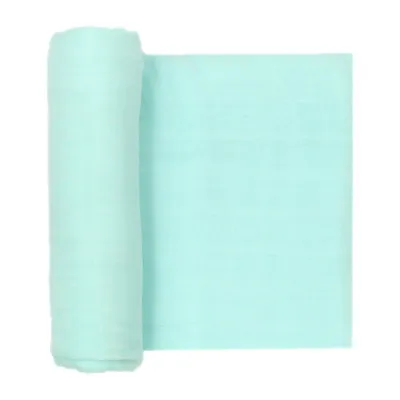
Prices are valid at publication and may change. Please refer to the product page for the latest price.
While traditional muslin was almost exclusively woven from 100% natural cotton, modern textiles offer more variety. Today, you can find muslin throws crafted from pure cotton, bamboo-derived rayon, or various synthetic blends. Each fiber profile alters the blanket’s weight and texture, but the underlying plain-weave structure remains the defining characteristic that allows air to flow freely through the fabric layers.
It is easy to confuse muslin with other common bedding weaves, such as percale or sateen, but their performance is quite different. Percale uses a tight, dense plain weave to create a crisp, smooth sheet, while sateen utilizes a satin weave to produce a lustrous, silky surface. Muslin, by contrast, is woven far more loosely. This open texture makes it significantly more pliable, breathable, and matte than standard bedding fabrics.
While the term “muslin” historically referred to delicate dressmaking fabrics or coarse utility cloths used in culinary straining, its modern application in home decor has evolved. Today’s multi-layered muslin blankets are specifically engineered for comfort, combining multiple ultra-thin layers of this open-weave fabric to create a soft, cloud-like throw that is perfect for lounging.
How Muslin Feels and Performs as a Blanket
Breathability and Temperature Regulation
The open-weave structure of muslin cloth acts as a natural ventilator for your body. Instead of trapping stagnant air and body heat against your skin, the fabric allows heat to escape while letting fresh air circulate. This continuous airflow prevents the stifling, sweaty feeling often associated with synthetic blankets, making muslin an ideal companion for warm afternoons or mild nights.

Softness and Texture
When you first unbox a new muslin throw, it may feel slightly structured or even stiff due to safe starches used during the weaving process. However, one of muslin’s most celebrated traits is how beautifully it ages. With every trip through the washing machine, the individual fibers relax, expand, and pucker. This natural evolution results in an incredibly soft, crinkled texture that feels wonderfully gentle against sensitive skin.
Weight and Drape
Unlike heavy quilts or dense knit throws that can feel restrictive, a muslin blanket is remarkably light. It drapes fluidly, contouring gently to your body shape without pressing down with heavy physical weight. This effortless, liquid-like drape also makes it a highly aesthetic styling piece when tossed casually over the arm of a sofa or the foot of a bed.
Durability and Pilling
High-quality muslin throws are crafted from long-staple cotton or tightly twisted yarns that naturally resist pilling—the formation of fuzzy little fiber balls on the fabric surface. However, because the weave is intentionally loose, the fabric is inherently more delicate than dense canvas or twill. It can be prone to snagging if it catches on sharp jewelry, zippers, or rough furniture edges.
Moisture Wicking
Because muslin is typically made from highly absorbent natural fibers like cotton or bamboo, it excels at moisture management. The fabric quickly absorbs perspiration from your skin and releases it into the surrounding air. This rapid absorption and evaporation cycle keeps you dry and comfortable, even in humid environments.
Is Muslin Right for Your Throw Blanket? Pros, Cons, and Use Cases
Advantages for Tropical and Air-Conditioned Spaces
In tropical environments like Singapore, finding the right balance of physical comfort indoors can be challenging. When transitioning from humid outdoor air to cool, air-conditioned living rooms, a heavy blanket is often too warm, while no cover at all leaves you chilled. A multi-layer muslin throw provides the perfect middle ground, offering just enough insulation to block the air-con draft while remaining breathable enough to prevent overheating.
Furthermore, high humidity can make heavy, dense blankets slow to dry, which often leads to musty, damp odors. Muslin’s open weave allows air to circulate freely through the fabric, meaning it dries incredibly fast after washing. This rapid drying time discourages the growth of mold and mildew, keeping your living space smelling fresh and clean.
For individuals with sensitive skin, eczema, or allergies, muslin throws made from natural cotton or bamboo are highly recommended. These natural fibers are hypoallergenic, free from synthetic chemicals that trap heat, and exceptionally gentle, minimizing friction and irritation during rest.
Limitations and Trade-Offs to Keep in Mind
While muslin excels in warm and temperate settings, it is not designed for deep winter cold. If you live in a chilly climate or have a highly drafty home during winter, a lightweight muslin throw will not provide the heavy thermal insulation of wool, down, or thick fleece. It works best as a seasonal layer rather than a primary winter blanket.
Another trade-off is the fabric’s natural aesthetic. Muslin is famous for its relaxed, crinkled look. If you prefer a crisp, pristine, and perfectly smooth aesthetic for your home decor, you may find the constant wrinkling of muslin frustrating, as it resists staying perfectly flat.
Additionally, pet owners should exercise caution. The loose, open threads of the weave are susceptible to snagging on cat or dog claws. While a minor snag can often be gently massaged back into the weave, sharp claws can pull threads or create small tears over time.
Ideal Scenarios for Muslin Throws
A muslin throw is a versatile addition to any living room. Draped over a sofa or armchair, it serves as a stylish, tactile accent during the day and a cozy, lightweight cover for evening TV sessions or light reading.
In the nursery, muslin is a staple material. Its breathability makes it ideal for swaddling babies or providing a light cover in the stroller. However, parents must always prioritize safety: follow current pediatric safe sleep guidelines, ensuring that no loose blankets are placed in an infant’s crib during unsupervised sleep.
Its lightweight, compact nature also makes muslin an exceptional travel companion. It rolls up tightly to fit easily into a carry-on bag or backpack, providing a clean, personal blanket for chilly airplane cabins. Additionally, it makes a great casual outdoor picnic blanket, as any sand or dry dirt can be easily shaken off the fabric.
What to Look for When Buying a Muslin Throw
- Ply Count: When browsing home decor stores or online marketplaces, you will frequently see terms like 2-ply, 4-ply, or 6-ply. In muslin construction, "ply" refers to the number of individual fabric layers woven together at regular intervals. A 2-ply throw is incredibly thin and featherlight, while a 4-ply or 6-ply throw offers a more substantial, plush feel. For a versatile throw blanket, a 4-ply or 6-ply option is generally ideal, providing a satisfying weight and enhanced durability without losing the fabric's signature breathability.
- Fiber Composition: Always check the product label for the exact material breakdown. Throws made of 100% cotton offer a classic, structured feel that becomes wonderfully soft over time and holds up well to frequent washing. Bamboo-cotton blends, on the other hand, offer an incredibly silky drape, a cooler initial touch, and a subtle sheen, though they can be slightly more delicate and prone to stretching.
- Weave Density and Edge Finishing: Inspect the quality of the weave and the edges. High-quality muslin should have a consistent, even weave pattern without loose, dangling threads. The edge finish is crucial for longevity: look for clean, double-stitched hemmed edges to prevent fraying. If you prefer a bohemian or relaxed style, fringed or tasseled edges are popular, but ensure the tassels are securely knotted so they do not unravel in the wash.
- Size and Dimensions: Standard throw blankets typically measure around 120 by 150 centimeters (approximately 50 by 60 inches). Ensure you verify the dimensions before purchasing; some smaller muslin products are intended as baby swaddles (usually 120 by 120 centimeters), which may be too small to comfortably cover an adult on a sofa.
- Certifications and Labels: If you have sensitive skin or want to ensure environmentally friendly production, look for reputable textile certifications on the product tag. Certifications like OEKO-TEX Standard 100 guarantee that the fabric has been tested and cleared of harmful levels of toxic chemicals and dyes, giving you peace of mind for daily skin contact.
- Price Bands: In terms of cost, high-quality muslin throws generally fall into accessible price bands, typically ranging from S$30 for basic 2-ply cotton blankets to over S$100 for premium, multi-ply organic bamboo blends.
How to Wash and Care for Muslin Blankets
To keep your muslin throw in pristine condition, wash it in cold or warm water on a gentle cycle. Use a mild, liquid detergent. Avoid harsh chemical bleaches, which can weaken the natural cotton or bamboo fibers over time. It is also wise to skip fabric softeners; these can leave a synthetic coating on the fibers, reducing the blanket’s natural breathability and moisture-wicking capabilities.
Tumble drying on a low heat setting is highly recommended for muslin, as the gentle tumbling action actually helps restore and enhance the fabric’s signature crinkled, puckered texture. Alternatively, you can line dry the blanket in the shade. Avoid hanging it in direct, intense sunlight for prolonged periods, as extreme heat can make natural fibers brittle and cause colors to fade.
Because muslin is a loose plain weave made of natural fibers, it will naturally shrink slightly after its first wash. This shrinkage actually helps create the beloved, cozy crinkle effect. Embrace this relaxed, lived-in look as a design feature. If you prefer a smoother, larger blanket, you can gently iron it on a warm setting, but avoid high heat which can scorch the delicate fibers.
Before washing your blanket for the first time, always read and follow the specific care instructions provided on the manufacturer’s label. Different material blends, custom dyes, and decorative trims may require specialized cleaning methods to prevent damage.
Frequently Asked Questions (FAQ)
Does muslin get softer after washing?
Yes, muslin is famous for becoming softer and more comfortable with age and laundering. During the manufacturing process, starches or sizing agents are often applied to the yarns to keep them stable on the loom. Regular washing gently strips away these residues and coaxes the natural fibers to relax, expand, and bloom. This process enhances both the blanket’s tactile softness and its fluid, cozy drape.
Can muslin throw blankets be used for babies?
Absolutely. Muslin’s exceptional breathability and lightweight texture make it one of the safest and most popular fabrics for infants. It is excellent for swaddling, tummy time, or as a stroller cover. However, always check the manufacturer’s age recommendations and strictly follow pediatric safe sleep guidelines: never place loose blankets, toys, or soft bedding in a crib with an unsupervised infant to prevent sleep-related hazards.
Why does my muslin blanket look wrinkled out of the package?
The wrinkled, crinkled appearance is a natural, intentional characteristic of muslin cloth’s plain weave. When the loose yarns absorb moisture during manufacturing or washing, they contract and pucker, creating a beautiful multi-dimensional texture. This casual, relaxed look is highly valued in modern home decor and is a sign of authentic, high-quality muslin rather than a product defect.
Community discussion
Share your experience or ask a question. Comments are reviewed before publication.