
Choosing the perfect crystal decoration for your home involves balancing aesthetic desires, maintenance habits, and your budget. The ideal choice depends on whether you value the raw, imperfect beauty of geological history or the flawless, light-splitting brilliance of precision engineering.
Natural crystal decorations are perfect if you appreciate one-of-a-kind organic art, geological history, and unique mineral inclusions. These earth-formed pieces command a premium price and require careful placement away from harsh sunlight, making them ideal for collectors and organic interior styles.
Artificial crystal decorations are the superior choice if you prioritize flawless clarity, intense rainbow light dispersion, and symmetrical, modern designs. Crafted from high-grade optical glass, these pieces are highly budget-friendly, offer predictable styling options, and excel at catching and scattering artificial light in contemporary spaces.
Products mentioned in this guide
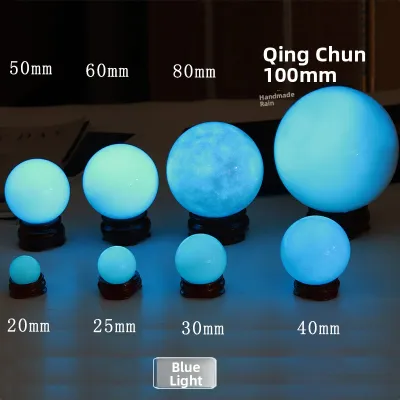
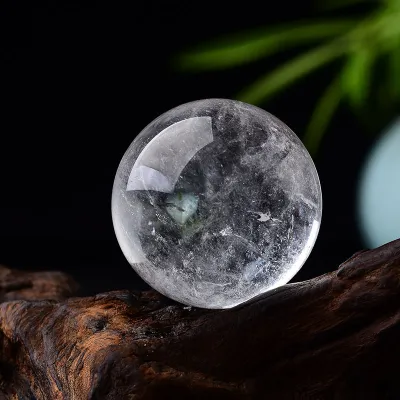
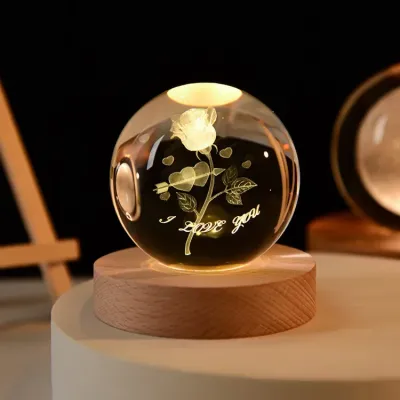
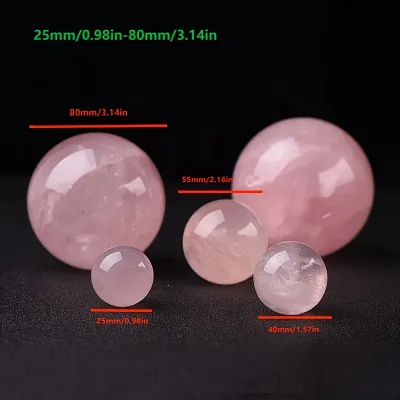
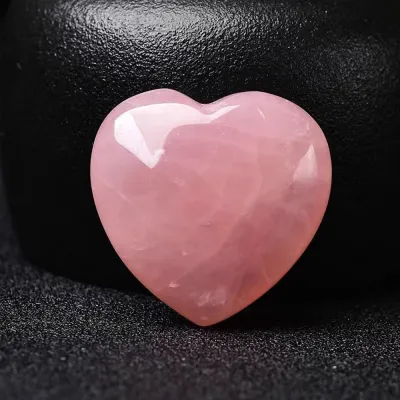
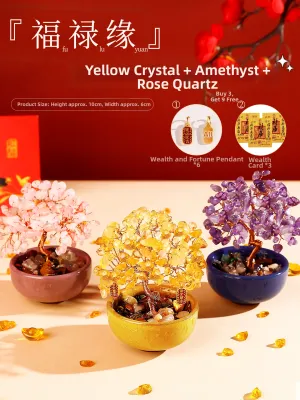
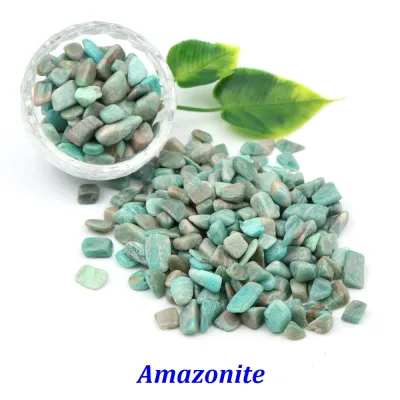
Prices are valid at publication and may change. Please refer to the product page for the latest price.
Understanding the Core Differences
To make an informed purchase, you must first understand what these materials actually are. In the home decor market, “natural crystal” refers to minerals like quartz, amethyst, citrine, and fluorite that have crystallized within the Earth’s crust over millions of years. These geological specimens are mined, cut, and polished, retaining their natural internal characteristics, structural variations, and chemical impurities.
Conversely, “artificial crystal” in premium home decor does not refer to cheap, lightweight plastics or acrylics. Instead, it typically signifies high-quality optical glass or synthetic quartz. Manufacturers enrich this glass with minerals like lead oxide, barium oxide, or zinc oxide. This chemical enrichment increases the density and refractive index of the glass, allowing craftspeople to cut and polish it into highly reflective, brilliant decorative pieces.
While natural crystals are grown through slow geological processes, artificial crystals are manufactured in controlled factory environments or laboratories. This distinction is crucial: artificial crystal is a highly engineered, premium glass product designed specifically to optimize light transmission and structural perfection, rather than a low-quality imitation.
Key Comparison Dimensions for Home Decor
Integrating crystal decorations into your living space requires evaluating how they interact with your environment, how well they withstand daily wear, and how much effort they demand to keep clean.

Visual and Optical Characteristics
Natural crystals are celebrated for their unique internal landscapes. Within a natural quartz or amethyst cluster, you will find organic inclusions, internal fractures, color zoning, and phantom growths. These features are not flaws; they are historical records of the crystal’s growth. When ambient light passes through a natural crystal, it diffuses softly, highlighting these internal details and creating a subtle, organic glow.
Artificial crystal is designed for absolute optical purity. It lacks internal imperfections, offering a completely transparent, water-clear appearance. When precision-cut with sharp facets, artificial crystal glass exhibits a high refractive index. This causes it to split incoming white light into vibrant, high-dispersion rainbow patterns, often referred to as “fire.”
If your goal is to create a dramatic, sparkling focal point under direct spotlights, artificial crystal’s intense refraction is unmatched. If you prefer a quiet, grounding conversation piece that rewards close inspection with complex, natural patterns, a natural mineral specimen is far more compelling.
Durability, Weight, and Care Requirements
On the Mohs hardness scale, natural quartz rates at a solid 7, making it highly resistant to scratching from everyday dust, which often contains microscopic silica particles. However, because natural crystals frequently contain pre-existing internal fractures and distinct cleavage planes, they can be highly brittle. A sharp impact or a fall onto a hard tiled floor can easily cause a natural specimen to shatter along these natural weak points.
Artificial crystal glass is softer, typically rating between 5 and 6 on the Mohs scale. This makes it more susceptible to micro-scratches over time if handled roughly or wiped with coarse cloths. However, because it lacks natural cleavage planes and internal fractures, it is structurally uniform and can sometimes survive minor impacts better than a highly fractured natural specimen. Artificial crystal is also notably heavy due to its metal-oxide content, giving it a premium, substantial weight in the hand.
Maintenance requirements also differ significantly. Many colored natural crystals, such as amethyst, rose quartz, and citrine, are chemically sensitive to ultraviolet radiation. Prolonged exposure to the intense tropical sunlight of Singapore near windows or balconies can cause these minerals to fade, losing their rich purple, pink, or yellow hues over several months. Artificial crystal glass will not fade in the sun, but its highly polished, flawless surfaces show dust, fingerprints, and water spots very easily, requiring frequent wiping to maintain its brilliant shine.
Installation and Environmental Considerations
When displaying heavy crystal decorations, structural safety must be your priority. If you plan to hang heavy crystal spheres or install suspended crystal fixtures, always consult the manufacturer’s maximum weight ratings and ensure your ceiling anchors are secure. For any suspended ceiling installations or complex wiring setups, always isolate the mains power at the distribution board, follow the manufacturer’s instructions step-by-step, and engage a licensed electrical worker to handle the installation safely.
Many modern crystal decorations are displayed on illuminated LED bases to enhance their visual appeal. When choosing an active light base, verify the input voltage, base interface, and wattage limits. For safety and compliance, ensure any USB power adapters or plug-in light bases carry the safety certifications recognized in your local market, such as the Safety Mark in Singapore, to prevent electrical hazards.
Furthermore, treat the perceived color temperature of these light bases as a subjective styling preference. A warm white light (2700K to 3000K) can enhance the golden tones of citrine or the earthy textures of a natural geode, while a cool white light (4000K to 6000K) can emphasize the crisp, icy clarity of artificial optical glass. Match these lighting choices to your existing interior design rather than viewing them as absolute performance metrics.
Pricing and Value: What Drives the Cost?
Understanding the pricing of crystal decorations requires looking at rarity, manufacturing complexity, and craftsmanship rather than simple size or weight.
Natural crystal pricing is primarily driven by geological rarity, size, color saturation, and the quality of the specimen. A small, common clear quartz point may cost as little as S$15, whereas a massive, deep-purple amethyst geode with well-formed, undamaged points can easily command S$500 to several thousand dollars. The value of natural crystals often appreciates over time as high-quality mining deposits become depleted, making premium specimens a potential investment.
Artificial crystal pricing is determined by manufacturing precision, brand prestige, design complexity, and material purity. High-end, hand-cut lead-free crystal sculptures from renowned European design houses can cost hundreds or thousands of dollars, reflecting the artistry of the master glasscutters and the brand’s heritage. Conversely, mass-produced, machine-cut optical glass figurines are highly affordable, often priced between S$20 and S$80, making them accessible options for casual home styling.
When evaluating value, consider your long-term goals. If you want an heirloom piece that retains or increases its mineral value, invest in a high-quality, certified natural specimen. If you want reliable, modern decorative accents that deliver maximum visual sparkle for a predictable price, premium artificial crystal glass offers exceptional value for money.
How to Verify Authenticity Before You Buy
Because high-quality artificial glass can closely mimic clear natural quartz, shoppers must know how to verify authenticity. Use these safe, non-destructive, observable checks when shopping for crystal decorations:
- Visual Inspection: Examine the piece under a bright light source. Look for perfectly spherical, tiny air bubbles, which are a definitive sign of manufactured glass. Natural crystals may contain bubbles, but these are typically irregular, multi-phase cavities containing both liquid and gas, accompanied by asymmetrical growth lines or mineral inclusions. Additionally, check for mold lines or absolute symmetry; natural pieces are hand-carved or left raw, meaning they will always feature slight structural irregularities.
- The Temperature Test: Glass is a thermal insulator, whereas natural quartz is an excellent thermal conductor. When you pick up a natural crystal, it will feel ice-cold to the touch because it rapidly draws heat away from your skin. Artificial glass will feel closer to room temperature and will warm up quickly in your hand.
- The Light Test (Double Refraction): Natural quartz is birefringent, meaning it splits light into two rays. If you place a clear, polished natural crystal sphere over a single thin line drawn on a piece of paper, you will often see a double image of the line when looking through the crystal. Artificial glass is single-refracting and will only show a single, clear line.
- Seek Certification: For high-value natural specimens, avoid relying on destructive scratch tests, which can permanently ruin the polished surface of both glass and natural minerals. Instead, request a certificate of authenticity from a reputable gemological laboratory, buy from established local dealers, and ask for unedited photos or videos of the exact specimen under natural lighting.
Decision Framework: Choosing the Right Crystal for Your Space
To finalize your choice, match your practical lifestyle and aesthetic preferences against this targeted buying framework:
Choose Natural Crystal if:
- You want a unique, earth-made conversation piece with organic imperfections.
- You are styling a rustic, bohemian, or organic modern interior that benefits from natural textures.
- You have a higher budget and are willing to pay a premium for geological rarity.
- You can display the piece away from direct, harsh sunlight to prevent color fading.
- You appreciate the geological history and potential investment value of mineral specimens.
Choose Artificial Crystal if:
- You want flawless optical clarity and intense, rainbow-like light refraction.
- You are decorating a sleek, minimalist, or highly modern space that demands clean lines and perfect symmetry.
- You are working with a modest budget but still want high-quality, heavy decorative accents.
- You plan to place the decoration near bright windows or in areas exposed to direct sunlight.
- You prefer matching, uniform sets of figurines or decorative items for a consistent look.
Verify First if:
- You are purchasing a high-priced natural specimen online; always check the seller's return policy and request clear, unedited videos of the exact piece.
- You are installing heavy suspended pieces; verify structural support limits and hire a professional electrician for safety.
- You are purchasing an active LED light base; check for local electrical safety certifications to ensure safe operation in your home.
Frequently Asked Questions (FAQ)
Does artificial crystal contain real crystal?
In the context of home decor, artificial crystal does not contain natural quartz crystals. Instead, it is a highly refined type of glass made by melting silica with metal oxides like lead, barium, or zinc. These additives increase the material’s density, weight, and refractive index, allowing it to mimic the brilliant light dispersion and heavy feel of high-quality natural quartz.
Can I place natural crystal decorations in direct sunlight?
You should avoid placing colored natural crystal decorations in direct sunlight. Minerals such as amethyst, rose quartz, citrine, and fluorite contain color centers that are highly sensitive to ultraviolet radiation. Prolonged exposure to sunlight will cause these vibrant colors to fade into dull grey or white over time. Clear natural quartz, however, is generally safe from sun fading.
How do I clean crystal decorations safely?
To clean both natural and artificial crystal decorations safely, use a soft, dry, lint-free microfiber cloth to remove dust gently. For artificial crystal glass, you can use a mild, dedicated glass cleaner or distilled water to remove fingerprints, ensuring you buff it dry to prevent water spots. For natural crystals, avoid harsh household chemicals or acidic cleaners, which can react with mineral inclusions or damage delicate polished surfaces; instead, use only a slightly damp, soft cloth.
Community discussion
Share your experience or ask a question. Comments are reviewed before publication.