
Choosing between natural and synthetic luminous stones depends on whether you prioritize authentic geological texture and weight or consistent, long-lasting glow performance and shape versatility. Natural stones offer organic appeal but require careful verification of their surface coatings and environmental limits. Synthetic alternatives, typically made from resin or glass mixed with phosphorescent powders, deliver highly predictable brightness and complex shapes at a more accessible price point. To make the right choice for your sculptures, figurines, or landscape accents, you must evaluate the specific material composition, charging requirements, and intended installation environment.
Understanding Natural and Synthetic Luminous Stones
Natural luminous stones are typically natural rocks, such as pebbles, fluorite, or marble, that either contain naturally occurring phosphorescent minerals or are treated with an external light-absorbing coating. True naturally glowing minerals that emit a visible afterglow without artificial enhancement are exceptionally rare and often exhibit very faint, short-lived luminosity. Therefore, most commercial natural luminous stones rely on a surface-applied phosphorescent layer to achieve a noticeable glow.
Synthetic luminous stones are engineered materials manufactured from artificial bases such as polymer resin, glass, or ceramic. During the manufacturing process, high-grade phosphorescent powders are mixed directly into the liquid base before it cures or molds. This ensures that the light-emitting compounds are distributed evenly throughout the entire body of the stone, rather than just sitting on the surface.
Products mentioned in this guide
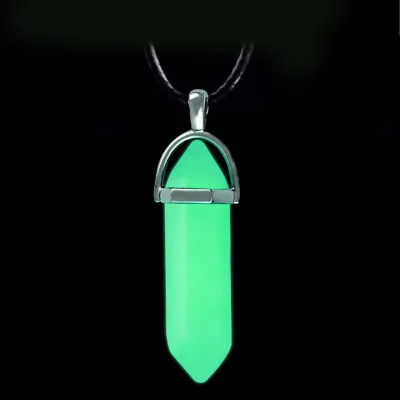
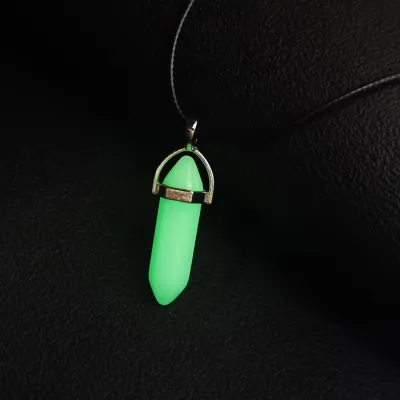
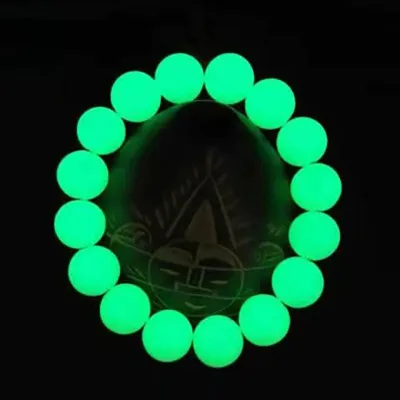
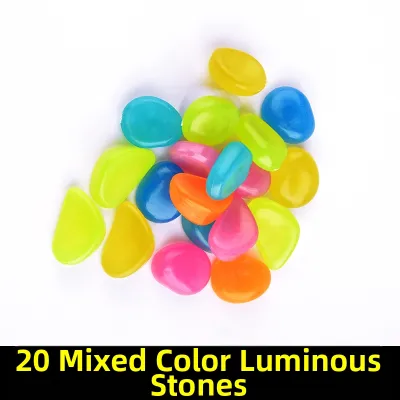
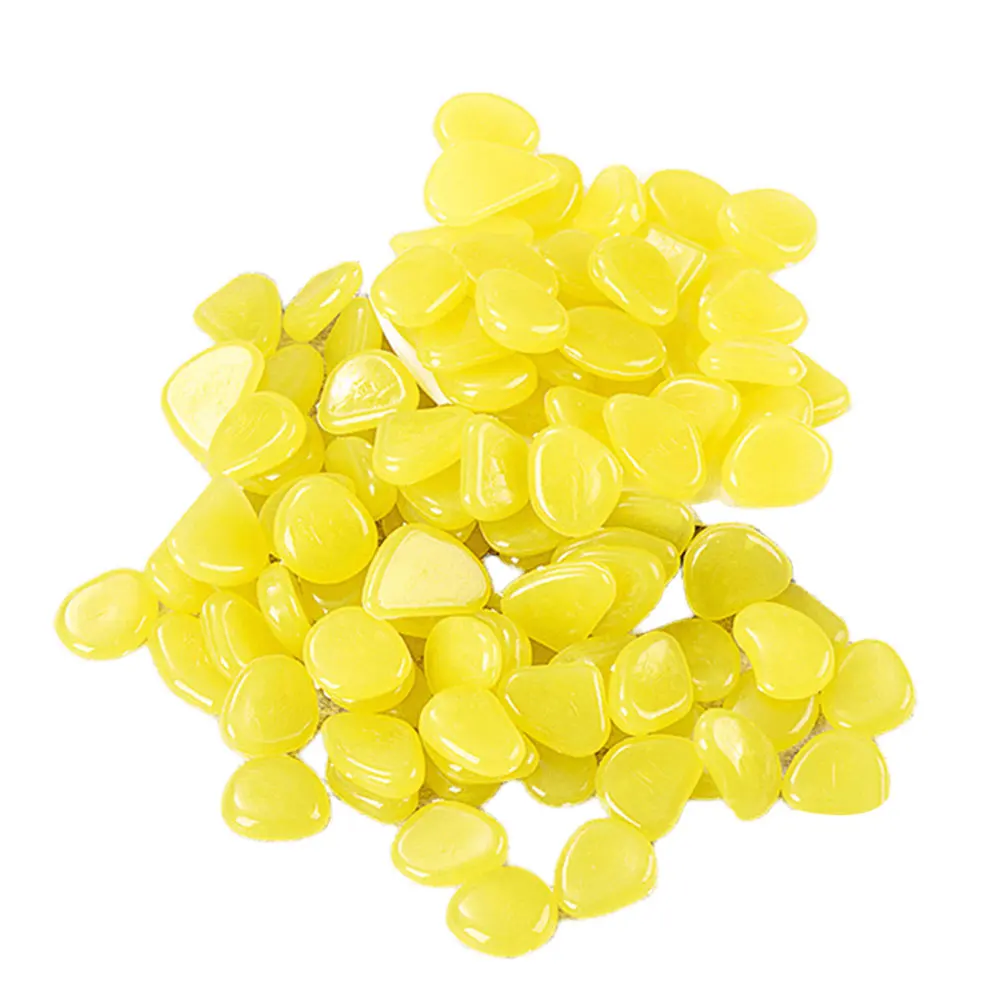
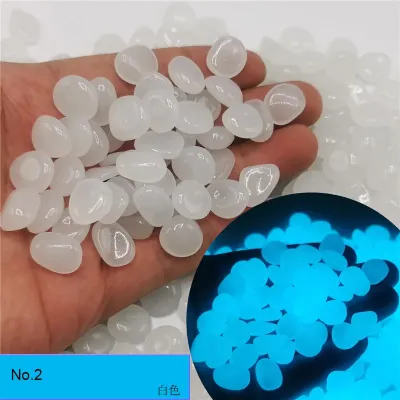
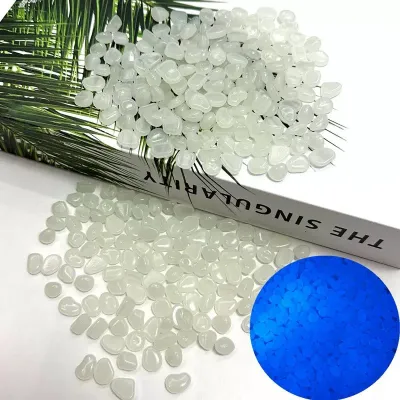
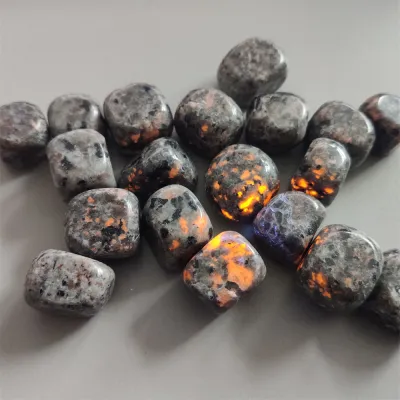
Prices are valid at publication and may change. Please refer to the product page for the latest price.
The physical bond between the base material and the phosphorescent agent dictates how these stones behave over time. In synthetic stones, the embedded powder is protected from physical abrasion and moisture by the surrounding resin or glass matrix. In contrast, coated natural stones rely on the adhesion of the surface layer, which can be vulnerable to chipping, peeling, or weathering.
Comparing Brightness, Durability, and Value
Evaluating these materials requires looking past marketing claims and examining technical specifications. Brightness, environmental resilience, and long-term cost-efficiency vary significantly based on the chemical compounds used and the manufacturing quality.

Glow Intensity and Charge Time
To evaluate glow performance, check the packaging or manufacturer specifications for the phosphorescent powder composition. The two most common types are strontium aluminate and zinc sulfide. Strontium aluminate is widely recognized for a significantly longer afterglow duration and higher initial brightness, whereas zinc sulfide is an older technology with a shorter glow time but is often more cost-effective.
Luminous stones require exposure to light to charge their phosphorescent compounds. Ultraviolet (UV) light, such as natural sunlight, provides the most efficient charge. If you plan to place these stones indoors away from windows, you must verify whether your ambient indoor lighting, such as standard LEDs or fluorescent bulbs, emits sufficient wavelengths to activate the specific phosphor grade used in the stone.
The color of the glow directly influences how bright the stone appears to the human eye. Yellow-green and blue-green glows typically align best with human night-vision sensitivity, making them appear brighter and last longer than red, orange, or purple glows. Always check the manufacturer’s luminosity decay curve to understand how quickly the glow fades after the light source is removed.
Material Hardness and Weather Resistance
Natural stones possess inherent porosity and mineral variations. If you select coated natural stones, you must check if they have been treated with a high-quality, waterproof sealant. Unsealed natural rocks placed in humid environments can absorb moisture, which may gradually degrade the adhesive bond of the luminous coating and cause it to flake off.
Synthetic stones made of resin or glass offer excellent water resistance, but they have their own environmental vulnerabilities. For outdoor installations, you must verify the UV-resistance rating of the polymer base. In tropical climates like Singapore, where high humidity and intense sunlight are constant, verifying the UV resistance of synthetic resins is essential to prevent premature yellowing, brittleness, or cracking.
Consider the physical demands of the installation site before purchasing. If you are placing stones in outdoor pathways or high-traffic areas, verify their load-bearing capacity and frost resistance. Glass-based synthetic stones offer high hardness and scratch resistance but can be prone to shattering under heavy impact, whereas resin stones are more impact-resistant but scratch more easily.
Price Point and Long-Term Value
Synthetic luminous stones generally present a lower initial purchase price, especially when bought in bulk for landscaping or large-scale decor. This cost-efficiency stems from highly scalable industrial molding and manufacturing processes. Natural stones, even when coated, carry higher extraction, sorting, and transport costs, making them a larger upfront investment.
When evaluating long-term value, consider the lifecycle of the luminous effect. If a surface-coated natural stone loses its glow due to wear, reapplying a durable, weather-resistant phosphorescent coating can be difficult and costly for a non-professional. Synthetic stones with embedded pigments cannot lose their glow through surface wear, but if the plastic base degrades from UV exposure, the entire piece must be replaced.
Align your budget with the decorative purpose. For temporary event styling, exhibition displays, or craft projects, low-cost synthetic resin stones offer excellent short-term performance. For permanent indoor sculptures, high-end figurines, or architectural features where authentic weight and geological texture are paramount, investing in premium natural stones with verified protective sealants is often the more satisfying choice. For instance, a small bag of synthetic landscaping pebbles might cost under S$15, whereas a custom-carved natural stone figurine can range from S$80 to several hundred dollars.
Decision Framework: Which Type Fits Your Decor Needs?
Choose natural stones if you prioritize the tactile feel, weight, and unique organic patterns of real rock. Natural stones are ideal for high-end indoor sculptures, study room figurines, or protected semi-outdoor displays where visitors can appreciate the authentic geological characteristics up close. They serve as elegant, understated decor pieces during the day and provide a subtle, natural accent at night.
Choose synthetic stones if your project demands high glow consistency, vibrant colors, and precise shapes. Synthetic materials are highly suited for intricate, custom-molded figurines, uniform garden path borders, or large-scale decorative installations. If you are working within a strict budget or require a specific, uniform glow duration across hundreds of individual pieces, synthetic options are the practical choice.
Verify first if you plan to use the stones in sensitive environments such as home aquariums, terrariums, children’s play areas, or extreme outdoor climates. For aquatic setups, you must verify that the resin or coating is certified non-toxic and chemically inert, as leaching chemicals can harm fish and plants. In children’s spaces, ensure the materials are shatterproof and free from sharp edges, and check for certified lead-free and non-toxic material reports.
Pre-Purchase Checks for Sculptures and Figurines
Before purchasing, especially when dealing with products marketed as natural glow-in-the-dark ores, verify the presence of independent testing reports. Some low-grade natural minerals can emit trace levels of radon or other radioactive substances, or contain heavy metals. Request safety data sheets or compliance certificates from the seller to ensure the stones are safe for indoor residential use.
Examine how the luminous property is integrated into the sculpture or figurine. For natural stone sculptures, confirm whether the glow agent is a surface-sprayed paint or a deeply bonded inlay. Surface sprays can obscure fine carving details and wear away quickly under handling. For synthetic figurines, check if the phosphorescent powder is injection-molded throughout the entire body to ensure that scratches or chips do not create dark, non-glowing spots.
Natural stones are subject to geological variations, meaning no two pieces will have the exact same weight, shape, or density. When ordering natural stone bases or figurines, verify the merchant’s stated dimensional tolerance ranges. This is crucial if you need to fit the stone into a specific display stand, recess, or lighting base. Synthetic stones offer much tighter tolerances, making them easier to integrate into precise architectural or decorative layouts.
Frequently Asked Questions (FAQ)
Do luminous stones require direct sunlight to glow?
Luminous stones do not strictly require direct sunlight, though it is the most rapid charging source. The phosphorescent compounds absorb energy from various light wavelengths. High-efficiency artificial light sources, including UV lamps, blue LEDs, and cool-white fluorescent bulbs, can successfully charge the stones indoors. Standard warm-white incandescent bulbs are less efficient, resulting in a dimmer and shorter-lasting glow. If using an indoor UV charging lamp, verify its electrical safety certification and voltage compatibility before use.
Can I apply a luminous coating to my existing stone sculptures?
Yes, you can apply a luminous coating to existing natural stone sculptures, but preparation is critical for durability. The stone surface must be thoroughly cleaned, degreased, and completely dry before application. Applying a white or light-colored primer first is highly recommended, as a dark stone base will absorb the emitted light and drastically reduce the visible glow. Use a high-quality, weather-resistant acrylic or polyurethane-based phosphorescent paint, and seal it with a clear, UV-resistant topcoat, especially if the sculpture will be displayed outdoors where rain and sun can degrade the paint.
Are synthetic luminous stones safe for indoor decor?
Synthetic luminous stones made from high-quality resin or glass are generally safe for indoor decor, provided they meet standard safety regulations. When purchasing resin-based figurines, verify that the manufacturer certifies the product as fully cured and low in volatile organic compounds (VOCs). Uncured or low-grade resins can emit unpleasant chemical odors and off-gas harmful compounds in enclosed spaces. Look for products that comply with international safety standards for indoor consumer goods, and avoid placing low-cost, uncertified synthetic stones in poorly ventilated rooms or near direct heat sources.
Community discussion
Share your experience or ask a question. Comments are reviewed before publication.