
Selecting the right nebulizer diffuser for your home or workspace requires balancing three interconnected performance metrics: mist output, effective coverage, and essential oil consumption. Because nebulizing technology uses pressurized air to atomize pure essential oils without water or heat, there is no single universal winner that excels in every scenario. Instead, the ideal device is one that aligns with your specific room volume, ventilation patterns, and budget for essential oils.
For large, open-plan living areas or high-ceilinged spaces, a high-output model is necessary to achieve a noticeable scent throw, though this comes at the cost of rapid oil depletion. Conversely, compact, enclosed rooms like home offices or bedrooms benefit far more from low-consumption, highly adjustable units that prevent scent oversaturation. Before making a purchase, you must look past generalized marketing claims and verify the technical specifications, material compatibility, and operating mechanisms of each model against your physical space.
Understanding Mist Output, Coverage, and Oil Consumption
To make an informed comparison between different nebulizer diffuser models, you must first understand the physics behind how these devices operate and how their performance metrics influence one another.
Products mentioned in this guide
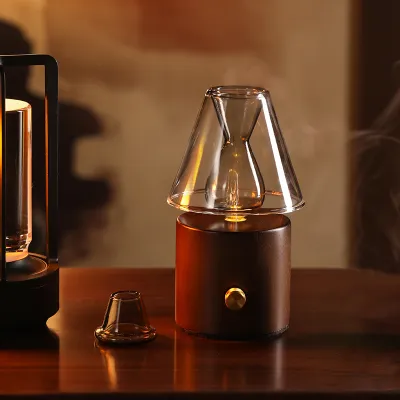
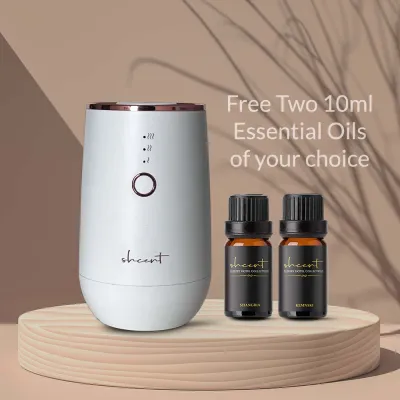
![[KIRONA SCENT] Zen Aroma Nebulizer | Free 10ml Pure Essential Oil | Aromatherapy Diffuser | Waterless & Wireless | Compact for Work and Study Desk Bedrooms Bathroom | Hotel & Shopping Mall Fragrances](https://img.lazcdn.com/g/p/576cba30efdbae57aaf772acf532810b.png_400x400q80.png_.webp)
![[KIRONA SCENT] Bullet Aroma Nebulizer | Metallic Gold | Waterless & Wireless | 9 LED Lights | Car & Home Fragrance Gifts](https://img.lazcdn.com/g/p/44d08fc4a4b18953ea8ccea868ae6dde.jpg_400x400q80.jpg_.webp)
![[KIRONA SCENT] Tower Nebulizer (Black) | Waterless Diffuser | FREE 100ml Pure Essential Oil](https://img.lazcdn.com/g/p/5e82a240f87282eff7e1bc1b611dc5a9.png_400x400q80.png_.webp)
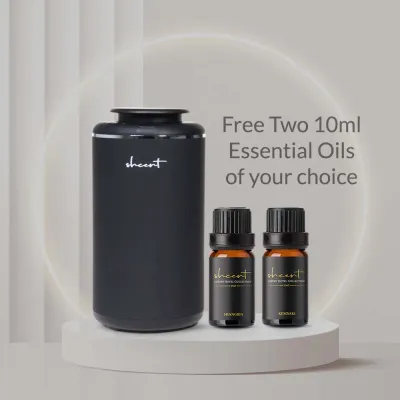
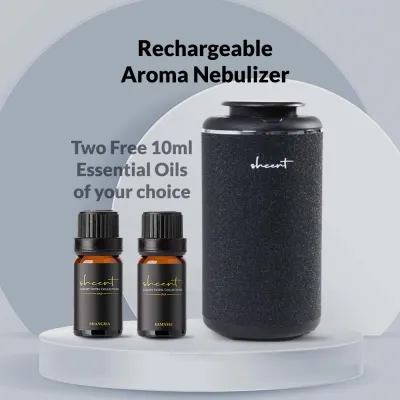
Prices are valid at publication and may change. Please refer to the product page for the latest price.
Mist Output and Atomization Mechanics
Mist output in a nebulizer diffuser is determined by the strength of its internal air pump and the design of its micro-tubes. Using Bernoulli’s principle, the pump forces high-velocity compressed air across the top of a narrow draw tube, creating a vacuum that pulls pure essential oil upward. When the oil meets the high-speed air stream, it is atomized into an incredibly fine micro-mist of dry particles, typically measuring under five microns in diameter. This ultra-fine particle size allows the scent to remain suspended in the air for much longer periods than the heavier, moisture-laden droplets produced by water-based ultrasonic diffusers. Scent intensity and room saturation speed are directly proportional to this output rate, meaning a higher volume of atomized oil leads to a faster, more concentrated sensory experience.
Effective Coverage vs. Maximum Claims
When evaluating coverage claims, it is vital to distinguish between a manufacturer’s maximum rated floor area and the practical, effective coverage you will experience at home. Most brands calculate coverage under idealized laboratory conditions with zero air movement and standard ceiling heights. In a real-world setting, factors such as active air conditioning, ceiling fans, open windows, and L-shaped room layouts will significantly disrupt the dispersion of the micro-mist. High humidity levels, common in tropical climates like Singapore, can also affect how long the dry mist remains suspended. To ensure adequate scent distribution, you should evaluate your room’s total volume rather than floor area alone, and consider placing the device in a central location away from direct draft sources that might sweep the mist out of the room before it can circulate.
Oil Consumption and Long-Term Operating Costs
Because nebulizers do not dilute essential oils in water, they consume raw, concentrated botanical extracts at a much faster rate than other diffuser types. This consumption is typically measured in millilitres per hour of continuous operation. While a high-output model can disperse scent across a large area quickly, it can easily deplete a standard ten-millilitre bottle of essential oil in a fraction of the time a water-based unit would take. Understanding this consumption rate is crucial because the ongoing cost of purchasing pure essential oils will quickly surpass the initial purchase price of the diffuser itself.
The Inherent Performance Trade-Off
A fundamental rule of nebulizing technology is that high mist output, expansive coverage, and low oil consumption are mutually exclusive. A device cannot throw a strong scent across a massive open-plan room without consuming a substantial volume of oil. When comparing brands, look for models that acknowledge this trade-off by offering precise control over their operating cycles, allowing you to balance scent delivery against your oil budget.
Decision Framework: Which Diffuser Profile Fits Your Needs?
Selecting the right nebulizer diffuser profile requires matching your physical environment and lifestyle preferences to the operational characteristics of the device. By categorizing your needs, you can narrow down the market to the specific class of diffuser that will perform best in your space.

High-Output and Large-Coverage Models
These robust units are designed for spacious environments such as open-concept living rooms, commercial lobbies, or homes with double-volume ceilings. They feature powerful mechanical pumps capable of generating a continuous, dense mist that can overcome active ventilation systems. You should opt for this profile if your primary goal is immediate, high-intensity fragrance distribution and you are comfortable with a higher rate of essential oil consumption. These models are highly effective at neutralizing ambient odors in larger zones, but they must be positioned carefully to prevent the concentrated mist from settling directly onto nearby polished wood or delicate fabrics.
Low-Consumption and Intermittent Models
If you intend to scent a compact, enclosed space such as a bedroom, study, or private treatment room, a high-output model will quickly become overwhelming and cause sensory fatigue. For these spaces, look for compact nebulizers designed with low-consumption pumps or strict intermittent duty cycles. These devices typically release micro-bursts of mist followed by long pause intervals, maintaining a subtle, pleasant background aroma while drastically extending the lifespan of your essential oils. This profile is ideal for those who use premium, single-origin therapeutic oils and wish to minimize running costs.
Adjustable and Smart-Timer Models
For maximum versatility, many modern nebulizers incorporate advanced programming features, such as customizable run-and-pause timers, multiple mist intensity settings, and smart scheduling via mobile applications or touch panels. This profile is highly recommended if your usage patterns change throughout the day. For example, you can program the device to run on a high-output setting for fifteen minutes to rapidly scent a room when you arrive home, and then automatically transition to a low-intensity, intermittent mode to maintain the atmosphere with minimal oil consumption.
Conceptual Mapping of Spaces to Diffuser Profiles
To help guide your selection, consider the following spatial guidelines when evaluating different models:
- Compact Rooms (under 15 square metres): Focus on models with low-output settings, long pause intervals (such as ten seconds of mist followed by one hundred and eighty seconds of rest), and low oil consumption rates.
- Medium Rooms (15 to 30 square metres): Look for versatile mid-range units that offer adjustable mist levels, allowing you to scale the output up or down depending on whether doors and windows are open.
- Large Open Areas (above 30 square metres): Prioritize heavy-duty models with high-capacity pumps and larger oil bottle capacities (such as fifty or one hundred millilitres) to avoid the need for frequent refills.
Pre-Purchase Verification and Maintenance Checklist
Before finalizing your purchase of a nebulizer diffuser, you must verify several technical, material, and operational specifications to ensure the device is safe, durable, and compatible with your living environment.
Electrical and Safety Checks
Always verify that the diffuser’s electrical specifications match your local power supply. In Singapore, household electricity is delivered at 230V and 50Hz, typically requiring a Type G three-pin plug. If you are purchasing a device online from international sellers, check whether it uses a universal USB connection or comes with a compatible power adapter that carries recognized safety certifications for small household appliances. Avoid using uncertified adapters or voltage converters, as unstable power delivery can damage the sensitive electronic timers and air pumps inside the diffuser.
Material and Build Quality
Concentrated essential oils are highly corrosive to certain types of plastics, particularly polystyrene and low-density polyethylene. Over time, exposure to pure oils can cause these materials to degrade, warp, or leach chemical residues into the mist. When comparing models, ensure that any component coming into direct contact with the liquid oil—such as the reservoir, suction tubes, and nozzle assembly—is constructed from inert materials. High-borosilicate glass, medical-grade stainless steel, or specialized oil-resistant polymers (such as fluoropolymers or high-density polypropylene) are the industry standards for durable, safe nebulization.
Noise Levels and Pump Mechanics
Because nebulizers rely on a mechanical air compressor to atomize the oil, they inherently generate more noise than ultrasonic diffusers, which use silent piezoelectric vibrations. The sound is typically a low, rhythmic hum accompanied by a soft hissing noise during the misting cycle. If you plan to use the diffuser in a quiet bedroom or during meditation, check the manufacturer’s decibel (dB) rating. Look for models that feature insulated pump chambers, rubberized vibration-dampening feet, or suspended motor designs, which help keep the operating noise to a minimum.
Cleaning and Maintenance Protocols
To prevent clogging and maintain optimal mist output, nebulizer diffusers require regular cleaning. As essential oils evaporate, heavier chemical constituents can leave behind a sticky, resinous residue inside the micro-tubes. If left uncleaned, this buildup will restrict airflow, reduce mist production, and eventually strain the motor to the point of failure. Verify how easy the nozzle assembly is to disassemble. A reliable maintenance routine involves flushing the system by running a small amount of high-purity isopropyl alcohol or specialized diffuser cleaner through the device for a few minutes once every week or two, ensuring the delicate glass or metal tubes remain completely clear.
Frequently Asked Questions (FAQ)
Can I use carrier oils or water in a nebulizer diffuser?
No, you must never use carrier oils, water, or synthetic fragrance oils in a nebulizer diffuser. These devices are engineered exclusively for pure, low-viscosity essential oils. Adding water will prevent the Bernoulli vacuum from functioning correctly, while thick carrier oils (such as jojoba, sweet almond, or coconut oil) and highly viscous resinous essential oils (such as vetiver, patchouli, or sandalwood) are too heavy to be atomized. Attempting to use these substances will clog the micro-tubes, strain the mechanical air pump, and likely cause permanent damage to the internal motor.
How does a nebulizer diffuser compare to an ultrasonic diffuser in oil usage?
A nebulizer diffuser consumes significantly more essential oil per hour than an ultrasonic diffuser. Ultrasonic models operate by mixing a few drops of essential oil into a large tank of water, dispersing a highly diluted moisture mist over several hours. In contrast, a nebulizer draws directly from a bottle of pure, undiluted oil, atomizing it at full strength. While this results in a much more potent and immediate aroma, it also means your oil consumption will be substantially higher. When choosing a nebulizer, you should factor the ongoing cost of purchasing pure essential oils into your long-term household budget.
Community discussion
Share your experience or ask a question. Comments are reviewed before publication.